
 Save 15% on your 1st Autoship learn more

 Email us
 Live Chat
 FAQs
FAQs





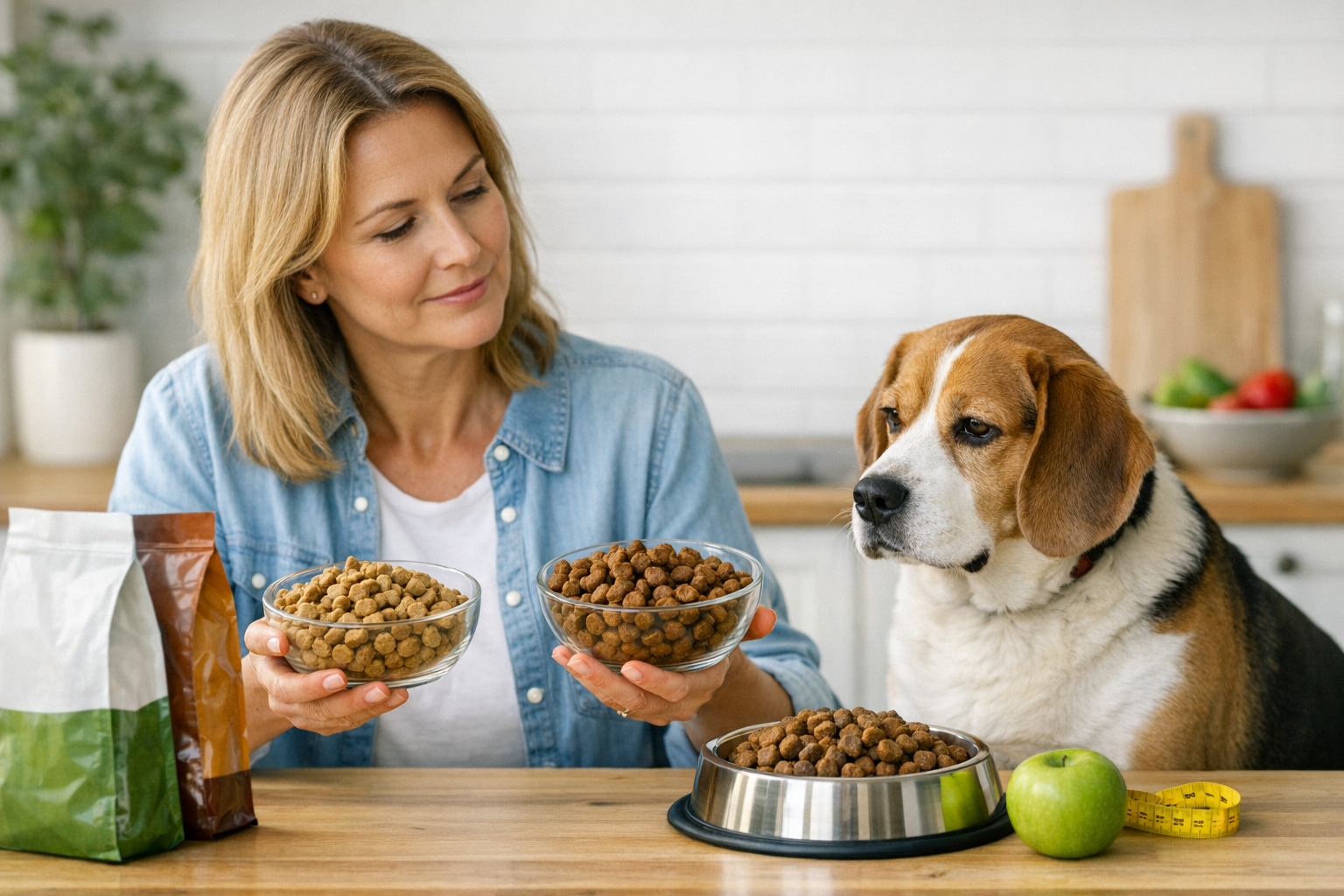
Introduction
You notice it during a routine walk. Your dog is panting a little harder than usual or struggling to keep up. Perhaps the harness you bought last year is suddenly too snug around the chest. It is a common realization for many pet owners, as nearly half of the dogs in the United States carry excess weight. At BaxterBoo, we know how much you want your companion to stay active and comfortable for as long as possible. Choosing the right kibble is the most significant step you can take toward that goal.
This guide will help you understand the specific nutritional requirements of weight management, and our dog food category is a good place to start shopping. We will explore what ingredients matter most and how to differentiate between standard "light" diets and therapeutic options. Our goal is to provide practical advice that helps your dog shed pounds safely while still feeling satisfied at mealtime. Selecting a high quality dry food is about more than just cutting calories: it is about providing the right nutrients to support lean muscle and joint health.
Quick Answer: The best dry dog food for weight loss is a formula high in lean protein and dietary fiber but low in fat and calories. Look for ingredients like L-carnitine to support metabolism and high fiber levels to keep your dog feeling full between meals.
Understanding the Weight Loss Formula
Weight loss for dogs follows the same basic principle as it does for humans: calories out must exceed calories in. However, you cannot simply feed less of a standard adult maintenance food. If you significantly reduce the portion of a normal kibble, you may also be reducing the essential vitamins and minerals your dog needs. This can lead to nutritional deficiencies and a very hungry, begging pet.
True weight management formulas are designed to be "nutrient dense" while remaining "calorie light." This means the food has fewer calories per cup but maintains the correct balance of protein, fat, and micronutrients. When looking at labels, you want to see a clear focus on satiety. Satiety is the feeling of being full. If a food does not keep your dog satisfied, the weight loss journey will be a struggle for both of you.
Weight management foods usually rely on two main strategies. Some focus on high fiber to bulk up the food without adding calories. Others use a high protein to calorie ratio to ensure the dog loses fat rather than muscle. Most top tier brands we carry combine these two approaches for the best results.
Key Ingredients That Support Weight Loss
When you are scanning the ingredient list on a bag of kibble, certain components stand out as weight loss heroes. Knowing what these are helps you make an informed choice at the store or while browsing our website.
Lean Protein Sources
Protein is the most important part of any weight loss diet. It supports lean muscle mass. When a dog loses weight, you want them to lose body fat, not muscle. Formulas using chicken, turkey, or white fish are excellent because these are naturally lower in fat than beef or lamb. A higher protein percentage also helps your dog feel more satisfied after eating.
Dietary Fiber
Fiber is the secret to preventing the "begging eyes" that happen an hour after dinner. Ingredients like pea fiber, beet pulp, and powdered cellulose add volume to the food. This bulk fills the stomach and slows down digestion. It allows your dog to eat a satisfying volume of food while consuming fewer total calories.
L-Carnitine
You will often see L-carnitine listed on premium weight management bags. This is an amino acid derivative that helps the body turn fat into energy. It essentially helps the metabolism work more efficiently. Brands like NutriSource and Farmina frequently include this to help dogs reach their target weight faster.
Key Takeaway: Effective weight loss food replaces excess fats and carbohydrates with lean proteins and high fiber to maintain muscle and provide a sense of fullness.
Comparing Over-the-Counter and Prescription Diets
Not every overweight dog needs the same type of food. The degree of weight gain usually determines whether you should look for a standard weight management bag or a prescription formula.
Healthy Weight and Light Formulas
These are available to everyone and are perfect for dogs that only need to lose a few pounds or for those that tend to gain weight easily. These formulas generally have about 10 percent to 15 percent fewer calories than standard maintenance diets. They are great for maintaining a healthy weight once a dog has reached their goal.
Prescription Weight Management
For dogs that are significantly obese or have underlying metabolic issues, a veterinarian may recommend a prescription diet. These foods are strictly regulated and formulated to trigger specific metabolic responses. They often have much higher fiber levels and lower calorie counts than anything available on the regular shelf.
Our pet pharmacy provides a convenient way to access these specialized foods. Through our partnership with Pet's Choice, we offer FDA approved prescription diets and medications. If your veterinarian determines that your dog needs a therapeutic diet like Farmina Vet Life or Royal Canin Veterinary Diet, you can fulfill those needs through our pharmacy services.
Vet Tip: Always consult your veterinarian before starting a strict weight loss plan. They can assess your dog's body condition score and rule out medical issues like hypothyroidism that might be causing weight gain.
High Quality Brands to Consider
We carefully curate the brands we carry to ensure they meet high nutritional standards. Several brands offer exceptional dry foods specifically for dogs needing to slim down.
- Farmina: This line offers specialized formulas like "Obesity" and "Neutered" which are designed to manage caloric intake while maintaining a low glycemic index.
- NutriSource: Known for their Good 4 Life system, these recipes support gut health with probiotics while keeping fat levels low.
- Royal Canin: They offer size specific weight care formulas. A Great Dane has different caloric needs than a Chihuahua, and Royal Canin accounts for these metabolic differences.
- Stella and Chewy's: For owners who prefer a more protein forward approach, their raw coated kibble options provide high quality nutrition without the heavy fillers found in some "diet" foods.
When choosing between these, consider your dog's specific needs. A senior dog might need the joint support often found in NutriSource, while a dog with a sensitive stomach might do better with the highly digestible ingredients in Farmina.
How to Transition Your Dog to a New Food
You should never switch your dog's food overnight. This is especially true for weight loss diets, which often have higher fiber content that the digestive system needs time to adjust to.
Step 1: Mix the foods. / Start with 25 percent of the new weight management food and 75 percent of the old food for the first two days. Step 2: Increase the ratio. / Move to a 50/50 mix for the next two or three days while monitoring your dog's stool consistency. Step 3: Finalize the switch. / If your dog is doing well, move to 75 percent new food for another two days before switching completely.
During this time, keep an eye on your dog's energy levels. If they seem unusually lethargic, you may be cutting calories too quickly. Weight loss should be a slow and steady process.
Bottom line: A gradual transition over seven to ten days prevents digestive upset and helps your dog's metabolism adapt to the new nutrient profile.
The Importance of Precise Portions
The best food in the world will not work if you are overfeeding it. Many pet owners rely on "eyeballing" the amount of food in the bowl, which often leads to extra calories.
Use a standard measuring cup rather than a random plastic scoop. Even better, use a kitchen scale to weigh the food in grams. This is the only way to be 100 percent accurate. The feeding guidelines on the back of the bag are just a starting point. Your dog's activity level, age, and metabolism will dictate exactly how much they need.
If you are using our Autoship programme, you can easily adjust your delivery frequency based on the exact amount you are feeding. This ensures you always have fresh food on hand without having extra bags piling up as you refine the portion sizes.
- Weigh the food for accuracy.
- Account for all treats in the daily calorie count.
- Use a slow feeder bowl to make mealtime last longer.
- Split the daily ration into two or three smaller meals.
Incorporating Low Calorie Treats
You do not have to stop giving treats entirely while your dog is on a diet. However, you must be strategic. Many commercial treats are "calorie bombs" filled with fats and sugars.
Look for treats that are single ingredient or high in fiber. Green beans, carrots, and air popped popcorn (without butter or salt) are excellent low calorie fillers. We also carry a variety of dog treats and freeze dried liver which can be broken into tiny pieces for training.
Remember the 10 percent rule: treats should never make up more than 10 percent of your dog's total daily caloric intake. If you give a larger treat during the day, you must subtract those calories from the evening meal. This consistency is what leads to long term success.
Key Takeaway: Successful weight management requires strict portion control and including treat calories in the total daily budget.
Exercise and Lifestyle Adjustments
Diet is the most critical factor, but exercise provides the necessary support for a healthy metabolism. For an overweight dog, you must start slow. Excess weight puts significant strain on the joints and the heart.
For more ideas on building a healthier routine, our post on pet weight management for the new year is a helpful next read. Start with short, frequent walks rather than one long, exhausting hike. As the weight comes off, you can gradually increase the distance and pace. Indoor play is also helpful. Puzzle toys that require your dog to move the toy to get a piece of kibble are a great way to burn calories while they eat.
If your dog has significant mobility issues due to their weight, swimming is an excellent low impact exercise. It builds muscle without stressing the joints. We carry a variety of harnesses and gear that can make these outings safer and more comfortable for both of you.
Vet Tip: If your dog seems painful or reluctant to move, do not force exercise. Consult your vet to see if they need joint supplements or pain management through our pharmacy to help them get moving again.
Monitoring Progress and Staying Consistent
Weight loss will not happen in a week. For most dogs, a safe rate of loss is about 1 percent to 2 percent of their total body weight per week. This might seem small, but it adds up to significant health benefits over time.
Keep a weekly log of your dog's weight. If you do not have a large scale at home, you can weigh yourself, then weigh yourself holding the dog, and subtract the difference. You should also take "before and after" photos. Sometimes it is hard to see the changes day to day, but photos from a month apart will clearly show the progress.
Consistency is the hardest part of the process. Every member of the household must be on board. If one person is feeding a strict diet but another is sneaking table scraps, the dog will not lose weight. Everyone needs to understand that saying "no" to extra food is actually saying "yes" to a longer, healthier life for the dog.
If you want to make long term savings part of that routine, our MVP Rewards programme can help you earn back on eligible purchases.
Conclusion
Helping your dog reach a healthy weight is one of the best things you can do for their longevity and happiness. By choosing a high quality dry food that prioritizes lean protein and fiber, you provide the nutritional foundation they need to succeed. Whether you choose a specialized formula from Farmina or a prescription diet through the BaxterBoo pharmacy, the key is consistency and patience.
Our team is here to support you with a wide selection of over 500 trusted brands. We offer programs like MVP Rewards to help you save on every bag of food and Autoship to ensure you never run out of the essentials. Start your dog's journey today by exploring our weight management collection and consulting with your veterinarian.
Bottom line: Combining a calorie controlled, high protein diet with consistent exercise and precise portioning is the most effective way to help your dog reach their ideal weight.
FAQ
How do I know if my dog is officially overweight?
The easiest way to check is the "rib test." You should be able to feel your dog's ribs easily under a thin layer of fat without having to press hard. When looking from above, your dog should have a visible waistline behind the ribs, and their abdomen should tuck up when viewed from the side.
Is wet food or dry food better for a dog's weight loss?
Both can be effective, but they work in different ways. Dry food is often easier for precise portion control and is generally more cost effective. Wet food has a much higher water content, which can help a dog feel fuller on fewer calories. Many owners find success by topping a measured portion of dry kibble with a small amount of wet food to increase satiety.
Can I just feed my dog less of their regular food to save money?
While it seems logical, simply cutting back on regular food can be dangerous. Maintenance foods are balanced for specific serving sizes. If you cut the portion in half, you are also cutting their intake of essential vitamins and minerals by half, which can lead to malnutrition and a very unhappy, hungry pet.
How long will it take for my dog to reach their goal weight?
Healthy weight loss is a slow process that typically takes several months. Aiming for a loss of 1 percent to 2 percent of their body weight per week is the safest approach. Rapid weight loss can lead to health complications and is more likely to result in the dog gaining the weight back quickly once the diet ends.






