
 Save 15% on your 1st Autoship learn more

 Email us
 Live Chat
 FAQs
FAQs





Introduction
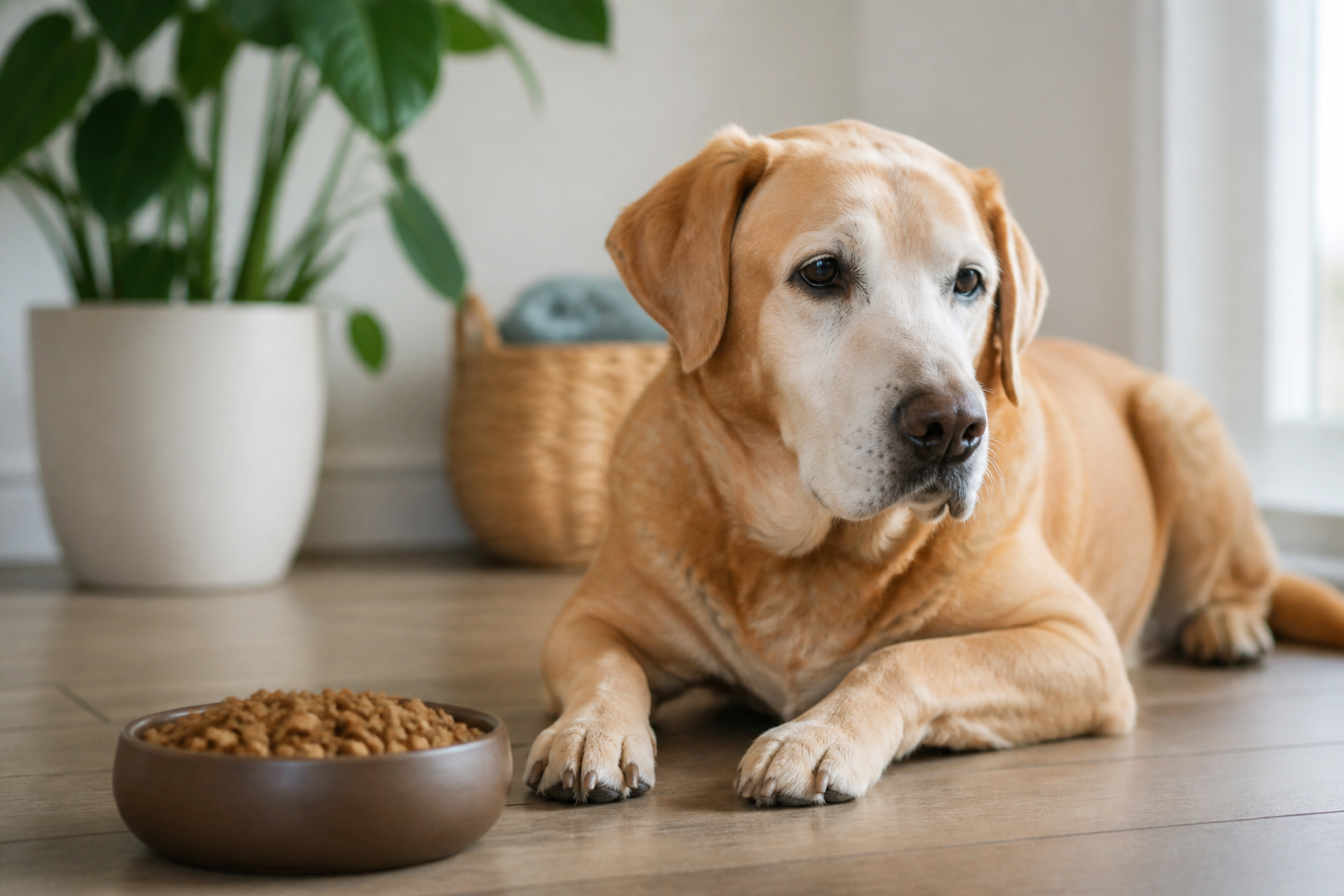
You might notice it when your dog takes a little longer to get up from their nap. Maybe they are more interested in a slow sniff around the yard than chasing a tennis ball. These subtle shifts in energy and mobility often mean your companion is entering their golden years. When activity levels drop and metabolism slows, the diet that fueled them as an adult may no longer be the right fit. At BaxterBoo, we know that finding the right nutrition for an aging dog is one of the most important things you can do to support their longevity and comfort. This post covers the specific nutritional requirements for older pets, which ingredients provide the best support for joints and brain health, and how to choose the right kibble for your dog's size. Selecting the right food can help your dog stay vibrant and active for years to come.
Understanding the Senior Nutritional Shift
A dog is generally considered a senior when they reach the last quarter of their expected lifespan. For giant breeds, this could be as early as six years old. Small dogs might not hit this milestone until age eight or nine. As they age, their bodies process nutrients differently. You might notice your dog gaining weight even though you have not increased their portion sizes. This happens because their metabolism naturally slows down.
Muscle maintenance becomes a priority during this life stage. Older dogs often experience muscle wasting, where the body begins to lose lean tissue. To combat this, senior dogs often need higher quality protein than they did in their younger years. While some older dog foods used to be low in protein, modern veterinary research suggests that healthy seniors actually need more protein to maintain their strength.
Quick Answer: The best dry dog food for senior dogs is one that balances high-quality protein for muscle maintenance with lower calories to prevent obesity. Look for formulas containing glucosamine for joints and omega fatty acids for cognitive health.
Key Ingredients to Look For on the Label
When you are scanning the aisles at our warehouse or browsing online, the ingredient list is your most valuable tool. The first ingredient should always be a high-quality animal protein like chicken, turkey, or lamb. Avoid foods that rely heavily on "meat by-products" as the primary protein source.
Joint support is another critical factor. Most senior-specific dry foods include added glucosamine and chondroitin. These compounds help support cartilage health and can make a noticeable difference in how easily your dog moves. If your dog is already showing significant stiffness, a food with these additives is a great start, but you should also talk to your vet about concentrated supplements. You can also explore our senior dog food with joint-support options.
Fiber is the unsung hero of senior nutrition. Older dogs can struggle with constipation or irregular digestion. Ingredients like pumpkin, sweet potato, or beet pulp provide the fiber needed to keep their digestive tract moving smoothly. Fiber also helps your dog feel full, which is helpful if you are trying to manage their weight.
Checklist for Senior Dog Food Labels
- Named animal protein as the first ingredient (e.g., deboned chicken).
- Glucosamine and chondroitin for joint mobility.
- Omega-3 fatty acids (DHA and EPA) from fish oil for brain and heart health.
- Antioxidants like vitamins E and C to support the immune system.
- L-carnitine to help the body metabolize fat and maintain lean muscle.
Cognitive Support and Brain Health
Just like humans, dogs can experience cognitive decline as they age. You might notice your dog getting confused in corners or forgetting routine commands. Nutrition can play a role in supporting mental sharpness. Many senior formulas now include botanical oils or medium-chain triglycerides (MCTs). These provide an alternative energy source for the aging brain.
Brands like Purina Pro Plan Bright Mind are specifically formulated for this purpose. They use a blend of DHA, EPA, and antioxidants to support cognitive function. If your dog seems less alert than they used to be, switching to a "Bright Mind" or similar cognitive-support formula may help improve their mental energy.
Key Takeaway: Senior nutrition is not just about physical health. Ingredients like fish oil and specific botanical oils can support your dog’s mental alertness and memory as they age.
Addressing Weight Management
Obesity is a major concern for senior dogs. Carrying extra weight puts immense pressure on aging joints and can worsen conditions like arthritis. It also increases the risk of heart disease and diabetes. If your dog has become a "couch potato," they likely need a food with a lower calorie density.
Many senior dry foods are "weight management" formulas. These foods typically have more fiber and less fat. The extra fiber allows the dog to eat a satisfying volume of food without consuming too many calories. It is important to monitor your dog's body condition. You should be able to feel their ribs easily, and they should have a visible waistline when viewed from above. For additional guidance, read our guide to choosing the right dog food for senior pets.
Vet Tip: If your dog is struggling with significant weight issues or a chronic condition like kidney disease, ask your veterinarian about a prescription diet. Our pharmacy carries FDA-approved prescription pet foods through our partnership with Pet's Choice, providing targeted nutrition for specific medical needs.
The Importance of Kibble Size and Texture
Dental health is a common hurdle for older pets. Years of plaque buildup can lead to sensitive gums or missing teeth. If your senior dog is starting to turn their nose up at their dry food, it might be because the kibble is too hard to chew.
Small breed senior foods, like those from Royal Canin or Hill's Science Diet, often feature smaller, easier-to-crunch pieces. For larger dogs with dental issues, you do not necessarily have to switch to wet food entirely. You can add a bit of warm water or low-sodium broth to the dry kibble to soften it. This also increases their hydration, which is vital for kidney health.
Dry food does offer a mechanical cleaning benefit that wet food lacks. The scraping action of the kibble against the teeth can help reduce tartar. However, if your dog's teeth are in poor shape, comfort should come first. You can compare these considerations in our guide to wet or dry food for senior dogs.
Top Brand Recommendations for Senior Dogs
We carry a wide variety of brands at BaxterBoo that cater to the specific needs of aging dogs. Each brand has a different approach to senior wellness.
Open Farm Senior Dog Food
Open Farm is an excellent choice for owners who prioritize transparency and high-quality ingredients. Their senior recipe features humanely raised turkey and chicken as the primary proteins. It also includes functional ingredients like green-lipped mussels, which are a natural source of joint-supporting nutrients. This formula is grain-free and uses sweet potato and pumpkin for gentle digestion. One option to consider is Open Farm Senior Recipe Dry Dog Food - Turkey & Chicken.
Purina Pro Plan Adult 7+
Purina Pro Plan is a favorite among many veterinarians because of the extensive research behind their formulas. Their "Bright Mind" line is famous for supporting cognitive health in dogs age seven and older. They also offer "Savor" formulas that include tender, shredded pieces for dogs that might find standard kibble less appealing.
Royal Canin Size Health Nutrition
Royal Canin takes a very specific approach by tailoring their food to the size of the dog. Their senior formulas for small, medium, and large dogs have different calorie counts and kibble shapes. For example, the large breed senior food includes higher levels of EPA and DHA to support the massive joints of bigger dogs.
Blue Buffalo Life Protection Senior
Blue Buffalo is known for their "LifeSource Bits." These are a cold-formed blend of vitamins, minerals, and antioxidants. Their senior formula uses deboned chicken and whole grains like brown rice and barley. It is a solid middle-ground option for owners who want natural ingredients without going entirely grain-free.
Transitioning to a Senior Diet
You should never switch your dog's food overnight. Their digestive systems become more sensitive with age, and a sudden change can cause upset stomachs or diarrhea. A gradual transition over ten days is the safest way to move to a senior formula.
Step 1: Mix 25 percent of the new senior food with 75 percent of the old food for three days.
Step 2: Increase to a 50/50 mix of the new and old food for the next three days.
Step 3: Move to 75 percent new food and 25 percent old food for the final three days.
Step 4: Transition to 100 percent of the new senior dry food.
If at any point your dog experiences loose stools or vomiting, slow the transition down. Some dogs may need two full weeks to adjust to a new recipe.
Bottom line: A slow transition is the best way to prevent digestive upset when moving your aging dog to a new dry food formula.
Supplements for Senior Dogs
Even the best dry food might need a little boost for a senior dog with specific needs. Supplements can bridge the gap between maintenance nutrition and therapeutic support. Glucosamine and chondroitin are the most common additions for joint health. Brands like Cosequin and Zesty Paws offer chewable supplements that dogs often treat like a snack. You can browse our dog food supplements for additional options.
Probiotics are another great addition for older dogs. They help maintain a healthy balance of bacteria in the gut, which supports both digestion and the immune system. If your dog is prone to gas or loose stools, a daily probiotic can be very helpful.
For dogs with more advanced needs, our pharmacy offers a range of supplements and medications. If your vet recommends a specific joint or cognitive supplement that requires a prescription, we can fulfill those orders through our Pet's Choice partnership. This ensures your pet gets the exact strength and quality they need. Visit our dog pharmacy when your veterinarian recommends prescription support.
Monitoring Your Senior Dog's Progress
Once you have made the switch to a senior dry food, keep a close eye on your dog for the first month. Look for changes in their coat quality, energy levels, and bathroom habits. A good food should result in a shiny coat, steady energy, and firm, regular stools.
If your dog becomes more lethargic, loses weight rapidly, or refuses to eat, these are signs that the food might not be the issue. These symptoms require a visit to your veterinarian. Senior dogs should ideally have check-ups every six months. Blood work can catch early signs of kidney or liver issues that might require a specialized diet.
Signs Your Dog Thrives on Their New Food
- The coat is shiny and not excessively flaky.
- They have enough energy for their usual walks and playtime.
- Their weight remains stable or moves toward a healthy goal.
- Stools are consistent and easy for them to pass.
Key Takeaway: Consistent monitoring and regular vet check-ups are essential for ensuring your senior dog's diet is meeting their changing biological needs.
Common Senior Health Concerns and Diet
Many health issues that appear in old age are heavily influenced by diet. Kidney disease is a major one. Foods designed for kidney support often have lower phosphorus levels and high-quality, but controlled, protein levels. This reduces the workload on the kidneys.
Heart health is another consideration. Some senior dogs benefit from diets with added taurine and L-carnitine to support cardiac muscle function. If your dog has a heart murmur or other cardiac concerns, your vet might suggest a specific dry food that is low in sodium to prevent fluid retention.
Allergies can also change over time. A dog that ate chicken their whole life might suddenly develop a sensitivity to it as a senior. If you notice your older dog scratching more or developing ear infections, a limited ingredient senior diet like Blue Buffalo Basics or a hydrolyzed protein diet from our pharmacy might be necessary.
Why Quality Matters More with Age
When a dog is young, their body is resilient and can often handle lower-quality fillers without immediate issues. As they age, that resilience fades. High-quality ingredients are easier for an aging digestive tract to break down and absorb. This means more of the nutrients actually make it into your dog's system rather than passing through as waste.
At BaxterBoo, we have been operating since 2006, and we have seen the pet food industry evolve toward better transparency and higher standards. We carry over 500 brands because we know that every senior dog is an individual. Whether they need the high-protein approach of Orijen or the scientifically backed precision of Royal Canin, the goal is the same: a happy, comfortable life. For one senior formula option, explore Orijen Senior Grain-Free Dry Dog Food.
Using our Autoship program is a great way to ensure you never run out of your dog's specific senior formula. It saves you money on your first order and grants you a free MVP Gold membership. This makes it easier to keep your dog on a consistent schedule, which is vital for their digestive health. Learn how our Autoship programme can simplify repeat orders.
Finding the Best Value for Senior Care
Caring for a senior dog can become expensive, especially if they require specialized food or supplements. We aim to provide value without compromising on the quality of the products we stock. Our MVP Rewards program allows you to earn up to 5 percent back on your purchases. This can help offset the cost of premium senior kibble or the joint supplements your dog needs. You can review the MVP Rewards programme to see how the programme works.
If you are a new customer, you can also take advantage of our $10 reward on your first order of $39 or more when you are signed in at checkout. We believe that every senior dog deserves the best nutrition, and we work hard to make that accessible for every pet owner.
Bottom line: Quality nutrition is an investment in your dog's future, helping to reduce the need for more intensive medical interventions down the road.
Conclusion
Selecting the best dry dog food for your senior dog is a personal decision that depends on their size, activity level, and health history. Focus on high-quality proteins, joint-supporting ingredients, and manageable calorie levels to help them thrive. Whether you choose a brain-boosting formula or a recipe tailored for small paws, the right nutrition is the foundation of a healthy senior life. If your dog's needs go beyond standard kibble, remember that our pharmacy is available for prescription diets and medications through our partnership with Pet's Choice. We invite you to explore our senior dog food collection and consider signing up for Autoship to keep your dog's favorite meals arriving right at your door.
FAQ
When should I switch my dog to senior food?
Most dogs should transition to a senior diet between ages seven and nine, though large breeds may need the switch as early as age six. You should look for signs like decreased activity levels or weight gain as indicators that their nutritional needs are changing. It is always a good idea to consult your vet before making the switch to ensure it is the right time for your specific dog.
Is grain-free dry food better for senior dogs?
Grain-free is not necessarily better for every senior dog unless they have a specific grain allergy or sensitivity. Many senior dogs do very well with healthy grains like oatmeal or brown rice, which provide essential fiber and energy. If you are considering a grain-free diet, discuss it with your veterinarian to ensure it provides a balanced nutrient profile for your pet's heart health.
Can I just feed my senior dog smaller portions of adult food?
While reducing portions can help with weight gain, it may lead to nutritional deficiencies. Senior-specific foods are formulated to be lower in calories while still providing high levels of essential vitamins, minerals, and protein that aging bodies need. Simply feeding less adult food might mean your dog is not getting enough glucosamine or fiber to stay healthy.
What if my senior dog refuses to eat dry kibble?
Senior dogs often have a diminished sense of smell or dental pain that makes dry kibble less appealing. You can try adding warm water or a pet-safe topper to the food to enhance the aroma and soften the texture. If the refusal persists, a visit to the vet is necessary to rule out dental disease, kidney issues, or other underlying health problems.






