
 Save 15% on your 1st Autoship learn more

 Email us
 Live Chat
 FAQs
FAQs





Introduction
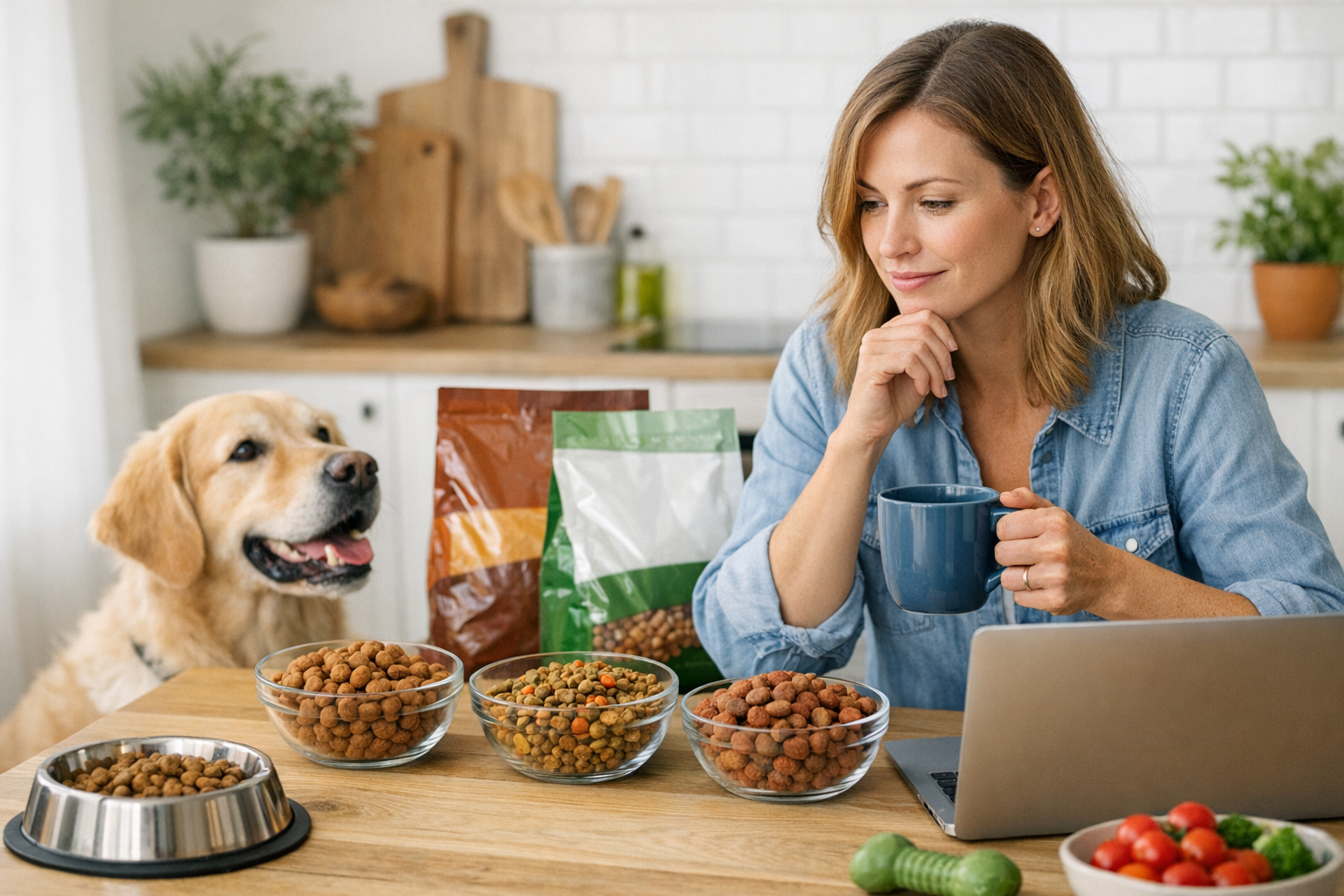
Standing in a pet food aisle or scrolling through thousands of online listings often feels like staring at a wall of confusing jargon. You want the best for your pet, but every bag claims to be the most nutritious or the most natural. At BaxterBoo, we talk to pet owners every day who are overwhelmed by these choices. This guide will help you cut through the marketing noise to find the right kibble for your specific dog. We cover how to read labels, how to match food to life stages, and which quality markers actually matter for long term health. Our goal is to make you feel confident that the bag you bring home is the right choice for your dog's bowl. If you want a place to start comparing options, take a look at our dry dog food category.
Quick Answer: The best dry dog food is one that meets AAFCO standards for your dog's specific life stage and uses high quality animal proteins as the primary ingredients. Look for brands like Open Farm, Orijen, or NutriSource that prioritize ingredient transparency and nutritional balance over flashy marketing.
Understanding AAFCO Standards
The first thing you should look for on any bag of dry dog food is the AAFCO statement. The Association of American Feed Control Officials sets the nutritional standards for pet foods in the United States. They do not approve or certify food, but they define what "complete and balanced" actually means. A food with this statement contains every vitamin and mineral your dog needs to survive and thrive without extra supplementation.
There are two main types of AAFCO statements. One says the food is formulated to meet nutrient profiles. The other says the food has passed actual feeding trials. Feeding trials are often seen as a higher standard because they show the food was actually eaten and digested by real dogs over a period of time.
Life Stage Specifics
You must match the food to your dog's current stage of life. A puppy has vastly different needs than a senior dog. If a bag says "All Life Stages," it must meet the high nutritional requirements of a growing puppy. This might be too many calories for an older, sedentary dog.
- Growth: Specifically for puppies or pregnant dogs.
- Maintenance: For adult dogs with average activity levels.
- All Life Stages: Suitable for everyone but often very calorie dense.
Key Takeaway: Never buy a food that lacks an AAFCO statement. This statement is your only guarantee that the food provides a baseline of essential nutrition.
The Importance of High Quality Protein
Dogs are omnivores with a strong carnivorous preference. Protein is the most expensive part of the food and the most important for muscle maintenance and immune health. When you look at the ingredient list, the first few items should be named animal proteins.
Look for specific names like "deboned chicken," "lamb meal," or "wild caught salmon." Avoid vague terms like "meat meal" or "animal fat." If the brand cannot name the animal, the quality of the source is likely low. Brands like Orijen and Stella and Chewy's excel here by using a high percentage of whole prey ingredients, including organ meats which are naturally rich in vitamins.
Meat Meal vs. Fresh Meat
Many owners worry about the word "meal," but "chicken meal" can actually be more protein dense than "fresh chicken." Fresh meat contains a lot of water weight. When that water is removed during the cooking process, the actual amount of protein left behind is smaller. A high quality meal is simply meat that has been cooked and dried beforehand, providing a concentrated protein source.
Vet Tip: If your dog has chronic itchy skin or frequent ear infections, their protein source might be the culprit. Consult your veterinarian to see if a limited ingredient diet or a prescription hypoallergenic food from our pharmacy is necessary to manage potential allergies.
Best Dry Food for Puppies
Puppies need more of almost everything: more protein, more fat, and a specific balance of calcium and phosphorus. This is especially true for large breed puppies. If a large breed puppy grows too fast because of an improper calcium ratio, they can develop permanent joint issues later in life.
Brands like Nulo and Farmina offer dedicated puppy formulas that include DHA. This is an omega-3 fatty acid often found in fish oil that supports brain and eye development. Feeding a high quality puppy food for the first 12 to 18 months sets the foundation for their entire life. For more puppy-specific options, browse our puppy category.
Puppy Feeding Checklist
- Check for "Formulated for Growth" on the label.
- Ensure DHA is listed for cognitive support.
- Look for small kibble sizes for easier chewing.
- Verify the calcium to phosphorus ratio is correct for large breeds.
Transitioning to Adult Maintenance Food
Most dogs move to adult food once they reach their full height and weight. For most breeds, this is around the one year mark. Adult maintenance food focuses on maintaining a healthy weight and supporting daily energy needs.
If your dog is highly active, you might look for a high protein formula like those from Acana. If your dog is a "couch potato," a moderate protein and fat level is better to prevent obesity. Obesity is one of the leading causes of shortened lifespans in dogs, so monitoring calorie counts per cup is vital.
Step 1: Mix 25% of the new food with 75% of the old food for two days. Step 2: Move to a 50/50 split for the next three days. Step 3: Increase to 75% new food and 25% old food for two days. Step 4: Serve 100% of the new food once your dog's stool remains firm.
Bottom line: A slow transition over 7 to 10 days prevents the upset stomach and diarrhea often caused by sudden diet changes. For a deeper walkthrough, see our guide to helping a dog transition to new food.
Best Dry Food for Senior Dogs
As dogs age, their metabolism slows down, and their joints may begin to stiffen. Senior dog foods often have fewer calories but higher quality fiber to help with digestion. They also frequently include supplements like glucosamine and chondroitin.
Brands like Open Farm and NutriSource have senior recipes designed to be easy on the stomach while supporting mobility. If your senior dog is losing interest in food, you might look for a kibble with a stronger aroma or a "raw coated" kibble like those from Stella and Chewy's to entice them. You can also explore our senior dog food category.
Senior Health Considerations
Many senior dogs develop health conditions that require specific diets. If your dog has been diagnosed with kidney disease, heart issues, or advanced joint decay, they may need a prescription diet. Through our partnership with Pet's Choice, our pharmacy carries prescription foods from brands like Farmina Vet Life and Royal Canin. These diets are specifically formulated to manage disease through controlled nutrient levels and require a vet's authorization.
Decoding the Ingredient List
The ingredient list is organized by weight before cooking. This can be slightly misleading due to the water content in fresh meats, but it still gives you a good idea of what makes up the bulk of the food.
What to Look For
- Named Proteins: Chicken, Beef, Salmon, Turkey.
- Wholesome Grains or Carbs: Brown rice, oatmeal, barley, or sweet potatoes.
- Healthy Fats: Chicken fat, salmon oil, or flaxseed.
- Natural Preservatives: Mixed tocopherols (Vitamin E) or rosemary extract.
What to Avoid
- Artificial Colors: Dogs do not care what color their food is; these are only added for the owner's benefit.
- Chemical Preservatives: BHA, BHT, and ethoxyquin.
- Vague "Meat" Terms: If it just says "poultry" or "animal," skip it.
- Excessive Fillers: Large amounts of corn, wheat, or soy if your dog has known sensitivities.
Note: Grain-free is not always better. For many dogs, ancient grains like millet and sorghum provide excellent fiber and energy. Only go grain-free if your veterinarian recommends it for a specific allergy or sensitivity.
Managing Special Dietary Needs
Every dog is an individual. Some need help with weight management, while others have stomachs that react to almost anything.
Weight Management
If your dog is carrying extra weight, look for a "Weight Care" or "Healthy Weight" formula. These are high in fiber to help the dog feel full while consuming fewer calories. Farmina and Merrick offer excellent options that focus on satiety. If a standard retail diet isn't enough, our pharmacy offers prescription weight loss formulas that are clinically designed to help dogs shed pounds safely.
Sensitive Stomachs
For dogs with digestive upset, limited ingredient diets are the gold standard. These use a single protein source and a single carb source to reduce the chance of a reaction. This makes it easier to identify what might be bothering your pet. Zesty Paws or other supplements can also be added to kibble to support gut health with probiotics.
Vet Tip: Persistent vomiting or diarrhea is not just a sign of a "picky" stomach. It can indicate underlying issues like IBD or parasites. Always consult your vet before switching foods if your dog is showing signs of chronic digestive distress.
The Benefits of a Hybrid Shopping Model
At BaxterBoo, we believe in giving you the best of both worlds. We have been operating since 2006, combining the expertise of a local pet store with the convenience of a large warehouse. You can visit us in Vernon Hills, Illinois, to see products in person, or you can order online for home delivery.
This hybrid model allows us to carry over 500 trusted brands. We handpick every item we stock because we care about the quality of what goes into your dog's bowl. Whether you need a standard bag of NutriSource or a prescription diet from our pharmacy, we make the process simple and reliable.
How to Save on High Quality Food
We know that buying premium dry dog food can be an investment. However, better nutrition often leads to fewer vet visits in the long run. We offer several programs to help make quality pet care more affordable.
- Autoship: Set up a recurring delivery for your dog's food and save on your first order. You also get a free Autoship programme membership.
- MVP Rewards: Earn up to 5% back on your purchases to use on future orders through the MVP Rewards programme.
- Frequent Buyer Program: Many brands we carry, like NutriSource and Open Farm, participate in programs where you can earn a free bag after a certain number of purchases.
- New Customer Reward: If you are shopping with us for the first time, you can get a $10 reward on your first order of $39 or more when signed in at checkout.
Storing Your Dry Dog Food
Even the best food will lose its nutritional value if stored improperly. Once you open a bag, the fats begin to oxidize and the vitamins can start to degrade. For more storage tips, read our dry dog food freshness guide.
- Keep it in the original bag: The bags are designed to keep food fresh. Place the entire bag inside an airtight container rather than pouring the kibble directly into the bin.
- Store in a cool, dry place: Heat and humidity are the enemies of kibble. Avoid storing food in a garage or a damp basement.
- Check the expiration date: Always look for the "Best By" date before purchasing. Most dry foods are shelf-stable for 12 to 18 months unopened.
Is Dry Food Enough?
For many dogs, a high quality dry food is a perfectly healthy, standalone diet. However, some owners choose to use it as a base for "toppers." Adding a bit of wet food, freeze-dried raw bites from Stella and Chewy's, or even a splash of goat's milk can add moisture and palatability. If you're considering a topper approach, our freeze-dried food hub is a helpful place to compare options.
Moisture is important for kidney and urinary tract health. If your dog is a "kibble only" eater, make sure they always have access to fresh, clean water. Using a water fountain can sometimes encourage dogs to drink more frequently.
Key Takeaway: Dry dog food is convenient and great for dental health through mechanical scraping, but adding a little variety can improve mealtime excitement and hydration.
Conclusion
Finding the best dry dog food to buy does not have to be a guessing game. By focusing on AAFCO standards, named animal proteins, and the specific needs of your dog's life stage, you can select a diet that supports their health for years to come. Whether you choose a high protein formula for an active puppy or a limited ingredient diet for a sensitive senior, the quality of the ingredients is what matters most.
- Look for named animal proteins as the first ingredient.
- Match the formula to your dog's life stage and activity level.
- Use a slow transition when switching brands.
- Consult your vet for any chronic health or weight concerns.
If your dog needs a specific prescription diet or ongoing medication for a health condition, our pharmacy is here to help through our partnership with Pet's Choice. You can also save on every bag of food by signing up for Autoship, ensuring you never run out of your dog's favorite meal.
FAQ
How do I know if my dog likes their new food? A dog that likes their food will usually eat it enthusiastically without needing toppers or persuasion. You should also watch for physical signs of health like a shiny coat, clear eyes, firm stools, and consistent energy levels. If your dog consistently walks away from the bowl or develops gas, the food might not be the right fit for their digestion.
Is expensive dog food always better than cheap dog food? Price is often a reflection of the quality of the ingredients, but the most expensive bag isn't always the "best" for every dog. Higher-priced foods usually contain more named meats and fewer cheap fillers like corn or soy. You should focus on the ingredient list and the nutritional adequacy statement rather than the price tag alone to determine value.
Can I switch between different flavors of the same brand? Many dogs enjoy variety, and switching flavors within the same product line is usually easier than switching brands entirely. However, if your dog has a very sensitive stomach, even a change from chicken to beef can cause upset. It is still a good idea to do a mini-transition over three or four days when switching flavors to be safe.
How long does a bag of dry dog food stay fresh? Once a bag is opened, it is best to use it within six to eight weeks. After this time, the nutritional quality begins to decline, and the fats can become rancid. To keep it fresh as long as possible, keep the food in its original bag and seal it tightly inside an airtight container stored in a climate-controlled room.






