
 Save 15% on your 1st Autoship learn more

 Email us
 Live Chat
 FAQs
FAQs





Introduction
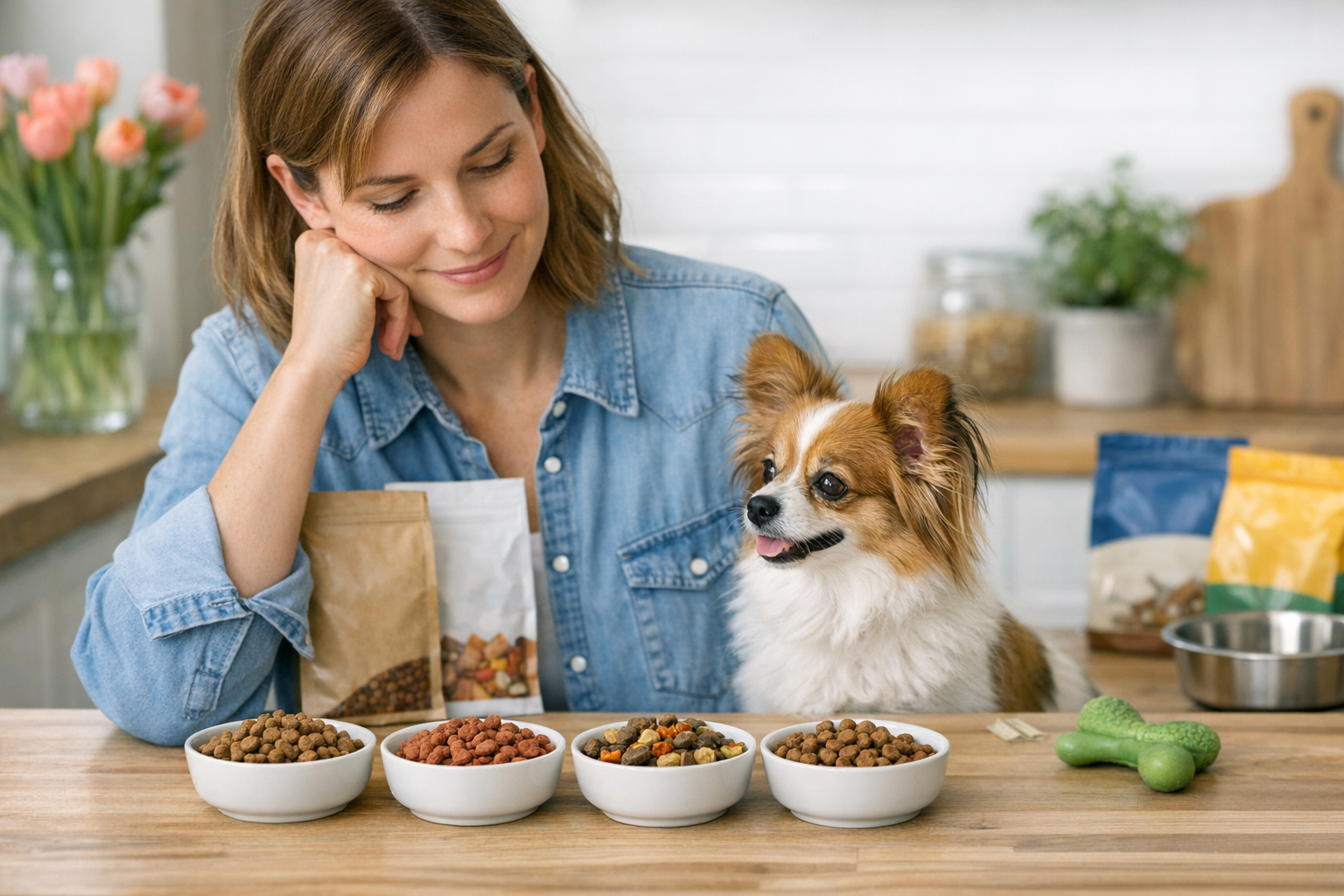
You are standing in the dog food aisle. You see bags featuring tiny Chihuahuas and others with massive Great Danes. It is tempting to think the only difference is the kibble size. However, small dogs have biological needs that are very different from their larger cousins. At BaxterBoo, we know that choosing the right food is one of the most important decisions you make for your petite pet. Their high metabolism and small jaw structure require a specific nutritional approach. This article covers caloric density, kibble safety, and how to pick the best dry food for your small dog. Understanding these factors helps your companion live a longer and healthier life. We will explore how to identify quality ingredients and match them to your dog's specific life stage.
Why Small Dogs Need Specialized Nutrition
Small dogs are not just smaller versions of big dogs. They have a completely different physiological makeup. A five pound Pomeranian has a much higher metabolic rate than an eighty pound Labrador. This means they burn through energy much faster. If you feed a small dog a standard adult maintenance kibble, they might struggle to maintain their weight. They often feel full before they have consumed enough calories for their high energy needs.
Small breed dry food is formulated to be nutrient dense. This means every single bite contains more protein, fat, and calories than standard kibble. This density ensures that even a tiny portion provides all the energy your dog needs to stay active. It also prevents the lethargy that can occur when a small dog does not get enough fuel.
The physical structure of the food matters just as much as the ingredients. Small dogs have tiny mouths and crowded teeth. Large kibble pieces can be a significant choking hazard for them. It is also difficult for them to crunch through large pieces. This can lead to them avoiding their food altogether or swallowing large chunks whole. Specialized small breed kibble is shaped to be easy to pick up and chew. This helps the digestion process start correctly in the mouth.
Quick Answer: The best dry food for small dogs is a calorie dense kibble specifically labeled for small breeds. It should feature high quality animal proteins as the first ingredients and meet AAFCO standards for complete and balanced nutrition.
Understanding Life Stages in Small Breeds
Your dog's nutritional needs will shift as they move from puppyhood into their senior years. Because small dogs often live longer than large breeds, these stages last a long time. It is important to adjust their diet to match their aging process.
Small Breed Puppies and Hypoglycemia
Puppyhood is a critical time for any dog. For toy and small breeds, it can be dangerous if the diet is not managed correctly. These puppies are prone to a condition called hypoglycemia. This is a sudden drop in blood sugar. Because they have such high metabolisms and very little body fat, they can run out of energy quickly.
If a small breed puppy goes too long without eating, they may become weak, shaky, or even have seizures. A high quality small breed puppy food is essential. It provides the steady energy they need. You should also feed them smaller meals more frequently throughout the day. This keeps their blood sugar levels stable during their fastest growth periods.
Adult Maintenance for Small Breeds
Once your dog reaches adulthood, the focus shifts to maintaining a healthy weight and supporting their skin and coat. Small dogs are prone to obesity because it only takes a few extra ounces to impact their health. An adult small breed formula provides the right balance of protein and fat. Look for brands like our selection of Acana products. They use high percentages of animal tissue which provides natural sources of nutrients.
Senior Support and Longevity
Small dogs often live into their mid teens. This means they spend a large portion of their lives as seniors. Their diet should support their aging joints and cognitive health. Older dogs may have a harder time digesting certain proteins. A senior specific formula often includes ingredients like pumpkin or sweet potato to help with digestion. It should also be rich in antioxidants. These help combat the effects of aging on the brain and immune system.
Vet Tip: If your senior small dog is losing interest in dry food, they may have dental pain. Small breeds are very prone to periodontal disease. Consult your veterinarian for a dental checkup before switching foods.
Essential Ingredients to Look for on the Label
Reading a pet food label can feel like learning a second language. However, there are specific markers of quality that you can identify. The first five ingredients tell you the most about the quality of the food. You want to see recognizable, whole food sources at the top of the list.
- Named Animal Proteins: Look for specific meats like deboned chicken, turkey, or salmon. Avoid generic terms like "meat meal" or "animal by products."
- Healthy Fats: Small dogs need fats for energy and skin health. Chicken fat or salmon oil are excellent sources of omega fatty acids.
- Ancient Grains or Grain Free Carbs: Depending on your dog's needs, look for oats and barley or sweet potatoes and peas.
- AAFCO Statement: Ensure the bag says it is "complete and balanced." This means it meets the minimum nutritional requirements set by the Association of American Feed Control Officials.
At BaxterBoo, we carefully curate our selection to include brands that prioritize these high quality markers. We look for manufacturers that have strict quality control and ethical sourcing practices. Our selection of Open Farm products is transparent about where every ingredient comes from. This gives you peace of mind about what you are putting in the bowl.
Managing the Picky Eater Phenomenon
Small dogs are famous for being picky eaters. This often happens because they are accidentally "trained" to be picky by their owners. Because they are small, we often worry when they miss a meal. We might offer them treats or human food to get them to eat. This teaches them that if they hold out, something better will come along.
Dry food can be made more palatable without relying on table scraps. Some brands offer a raw coated kibble. Our selection of Stella & Chewy's products is a great example of this. They take high quality kibble and coat it in freeze dried raw meat. This provides the intense flavor and aroma that dogs crave. It offers the convenience of dry food with the taste of a fresh diet.
| Feature | Small Breed Dry Food | Standard Dry Food |
|---|---|---|
| Kibble Size | Small/Miniature | Medium/Large |
| Caloric Density | High | Moderate |
| Metabolic Support | Optimized for fast metabolism | Optimized for average metabolism |
| Dental Design | Helps scrape plaque from small teeth | Designed for larger jaw pressure |
Dental Health and the Role of Dry Food
Dental disease is one of the most common health issues in small dogs. Their teeth are often crowded together in a small mouth. This creates many places for food and bacteria to hide. Dry food can play a small role in helping manage this. The mechanical action of crunching the kibble can help scrape away some plaque.
However, dry food is not a replacement for dental care. It is a tool that works best alongside regular brushing and professional cleanings. Some dry foods are specifically shaped to maximize this scraping action. If your dog is prone to heavy tartar buildup, look for formulas that mention dental support. We carry several dental specific treats and additives that can be used alongside a high quality dry food diet. For more tips, read our guide to hidden bad teeth in dogs.
Key Takeaway: Small breed dry food is a functional tool. It provides the energy density small dogs need while helping to manage common issues like dental plaque and picky eating.
Health Conditions and Prescription Needs
Sometimes a standard bag of dry food is not the right choice. Some small dogs suffer from chronic conditions that require a specific medical diet. This might include issues like kidney disease, severe food allergies, or urinary crystals. In these cases, a retail diet may not have the precise nutrient levels required to manage the illness.
If your veterinarian recommends a specific diet for a medical condition, you may need a prescription. Our pet pharmacy at BaxterBoo provides access to FDA approved medications and prescription pet foods. We partner with Pet's Choice to ensure you can get the exact formula your vet has ordered. Prescription diets are backed by clinical trials and are designed to treat or manage specific health problems.
Vet Tip: Never switch your dog to a prescription diet without a formal diagnosis from your veterinarian. These foods have restricted levels of certain nutrients that are only appropriate for dogs with specific medical needs.
Transitioning to a New Small Breed Food
If you have decided to switch your dog to a better dry food, do not do it all at once. Small dogs often have very sensitive digestive systems. A sudden change can cause gas, loose stools, or vomiting. A slow transition allows their gut bacteria to adjust to the new ingredients.
Step 1: Mix 25% of the new food with 75% of the old food. / Do this for three days while watching for any signs of stomach upset.
Step 2: Increase to a 50/50 mix. / Feed this ratio for another three to four days.
Step 3: Move to 75% new food and 25% old food. / Continue this for three more days.
Step 4: Provide 100% of the new food. / Monitor your dog's energy levels and coat quality over the next month.
If your dog experiences any persistent digestive issues during this time, slow the process down. Some dogs may need two full weeks to transition. If they refuse the new food entirely, you might consider using a topper. A small amount of wet food or a freeze dried meal mixer can make the transition more enticing. Our guide to transitioning your dog to a new dry food covers this step in more detail.
Avoiding Dangerous Ingredients
When you are looking for the best dry food for small dogs, what is not in the bag is just as important as what is. Some lower quality brands use additives that can be harmful over time. Small dogs are more sensitive to these because of their small body mass.
Avoid artificial preservatives like BHA, BHT, and ethoxyquin. These are often used to extend the shelf life of fats but have been linked to health concerns. You should also stay away from artificial dyes. Dogs do not care what color their food is. These dyes are only added to appeal to human shoppers and can cause allergic reactions in some pets.
Generic "meat" or "poultry" meals are also red flags. You want to know exactly what animal your dog is eating. A specific label like "lamb meal" is a good source of concentrated protein. A generic label like "animal meal" could come from any source. Transparency is the best indicator of a brand's commitment to quality.
Maximizing Value and Convenience
High quality small breed food is an investment in your dog's future. While the price per bag may be higher than grocery store brands, you often feed less of it. Because the food is nutrient dense, your dog stays full on smaller portions. This means the bag lasts longer than you might expect.
We offer several programs to help you manage the cost of premium care. Our Autoship programme allows you to save on recurring orders and keep food arriving on schedule. If you find a brand that your dog loves, the MVP Rewards programme is a great option. It helps you earn rewards on eligible purchases and shop smarter. It also includes a free MVP Gold membership for extra benefits.
Our warehouse in Vernon Hills serves as the heart of our operation. We handpick every brand we carry to ensure it meets our standards for safety and nutrition. Whether you are visiting us in person or ordering online for home delivery, you are getting products vetted by people who actually know pets.
Maintaining a Healthy Weight
Obesity is a silent killer for small dogs. It puts immense strain on their tiny joints and can lead to heart disease. Because small breed dry food is so calorie dense, it is very easy to overfeed. A single extra tablespoon of kibble can be a significant percentage of a five pound dog's daily intake.
Always use a standard measuring cup. Do not eyeball the portions. The feeding guidelines on the back of the bag are a starting point. Every dog is an individual with a different activity level. If your dog is gaining weight, slightly reduce their portions. If they are too thin, you may need to increase them.
Regular exercise is also vital. Even a small dog needs daily walks and play sessions to burn off the energy provided by their high quality kibble. This keeps their muscles strong and their metabolism functioning properly.
Bottom line: Accurate portion control is the most effective way to prevent obesity in small dogs eating calorie dense dry food.
Summary of Small Breed Dietary Needs
Finding the best dry food for your small dog requires looking past the marketing. You must focus on the biological needs of your pet. They need high protein, high fat, and small kibble sizes. They require consistent energy to prevent blood sugar drops. As they age, they need support for their joints and brains.
- Look for named animal proteins as the primary ingredients.
- Choose a kibble size that fits your dog's mouth safely.
- Adjust the formula based on their specific life stage.
- Transition slowly to avoid digestive upset.
- Use a measuring cup to prevent overfeeding and obesity.
At BaxterBoo, we are committed to helping you navigate these choices. We carry over 500 trusted brands to ensure you find the perfect match for your dog. Our selection ranges from grain free high protein diets to specialized formulas for sensitive stomachs. By choosing a high quality dry food, you are giving your small dog the foundation they need for a vibrant life.
Key Takeaway: Consistency and quality are the pillars of small breed nutrition. Stick to a high quality brand and maintain strict portion control to see the best health results.
FAQ
Why does my small dog need a higher calorie food than a large dog?
Small dogs have a much higher metabolic rate per pound of body weight than large dogs. They burn energy quickly to maintain their body temperature and support their active heart rates. Small breed formulas are calorie dense to ensure they get enough fuel in the small portions they are able to eat.
Can I feed my small dog regular sized kibble?
While many small dogs can physically chew larger kibble, it is often not ideal. Large kibble can be a choking hazard and may lead to dental strain or a refusal to eat. Small breed kibble is specifically designed for their jaw structure, making it safer and easier for them to consume.
How often should I feed my small breed puppy?
Small breed puppies should be fed four to six times a day to prevent hypoglycemia. Their small bodies cannot store much glucose, so they need a steady intake of calories. As they get older and their weight stabilizes, you can gradually transition them to two or three meals per day.
What should I do if my small dog stops eating their dry food?
First, check for any signs of dental pain or illness and consult your veterinarian. If your dog is healthy but simply picky, try adding a small amount of warm water or a freeze dried meal topper to the kibble. This enhances the smell and flavor, making the dry food more appealing to stubborn eaters.
Conclusion
Choosing the right dry food is the first step in a long and happy journey with your small dog. By focusing on nutrient density, safe kibble size, and high quality ingredients, you are supporting their unique biology. Remember to adjust their diet as they age and keep a close eye on their weight. If your dog has specific health concerns, our pharmacy and prescription food options are always available to help.
Key Takeaway: The best food for your small dog combines high quality animal protein with a size and calorie count tailored to their tiny but energetic bodies.
Ready to upgrade your dog's bowl? Explore our full collection of small breed dry dog food or check out our pharmacy for specialized nutritional needs. Don't forget to sign up for our Autoship programme to save on every order and keep your pantry stocked with the best for your pet.






