
 Save 15% on your 1st Autoship learn more

 Email us
 Live Chat
 FAQs





Introduction
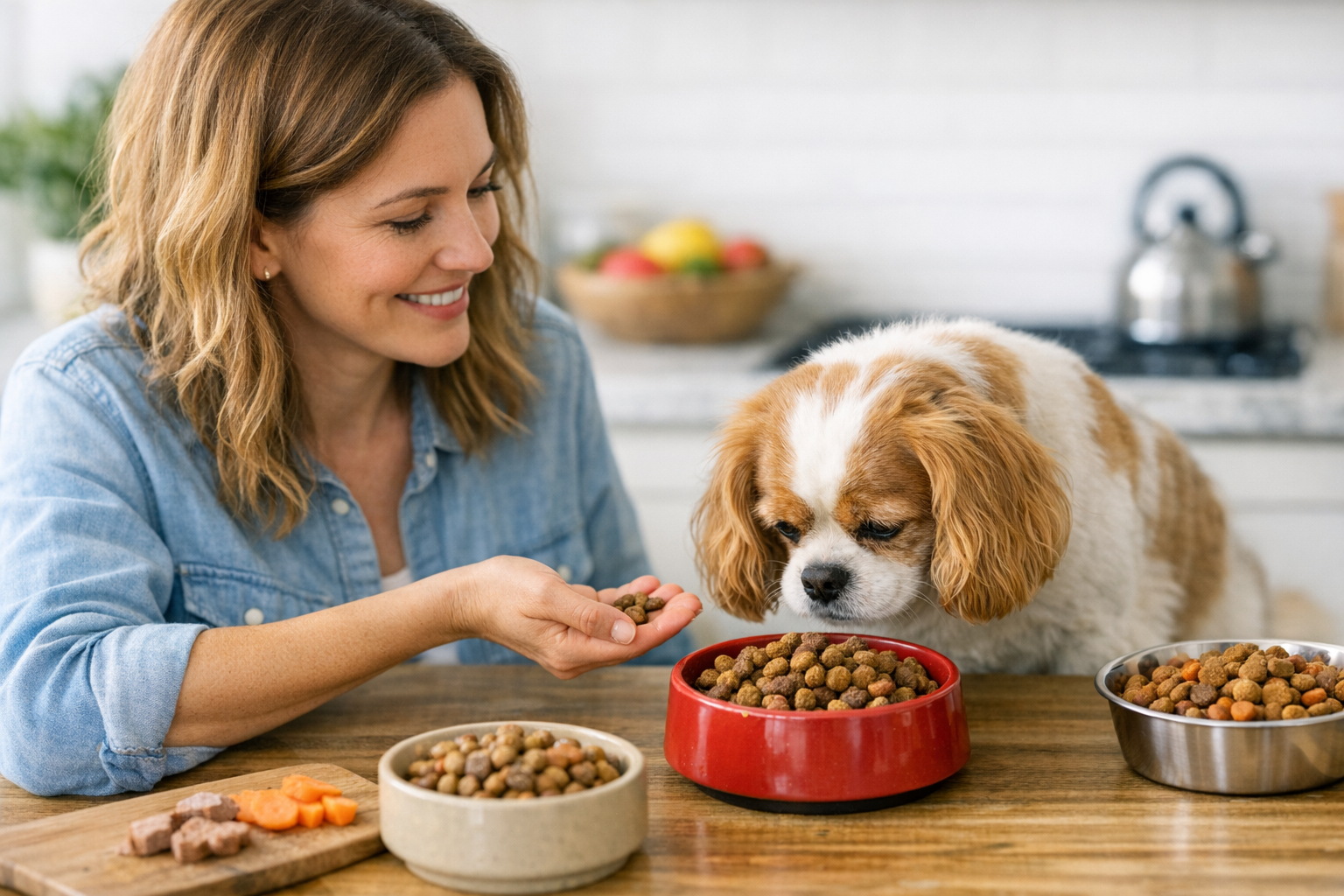
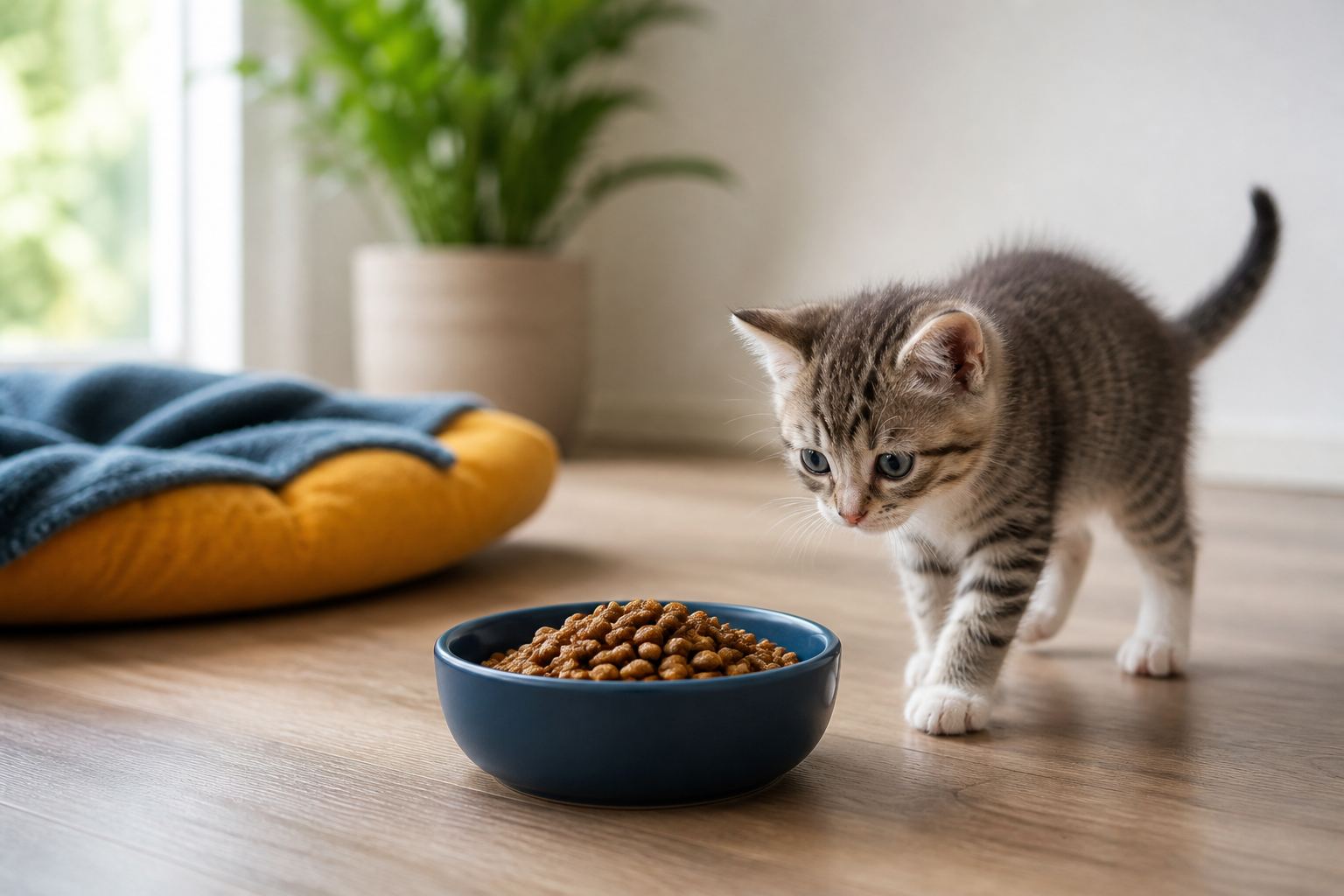
Your dog sniffs a fresh bowl of kibble, takes a bite, and walks away. Before you buy another large bag, it helps to know what you can reasonably expect from a different food.
The best tasting dry dog food is the one your dog willingly eats and tolerates, while getting complete and balanced nutrition for their life stage. There is no single flavor or brand that every dog prefers. At BaxterBoo, we suggest starting with a small bag that fits your dog’s nutritional needs, then paying attention to aroma, kibble size, and texture. If a dog suddenly stops eating a food they usually enjoy, contact your veterinarian rather than assuming they have become picky.
What Makes Dry Food Appealing to Dogs?
Dogs can have preferences for a food’s smell, flavor, size, and texture. One dog may be interested in a fish recipe, while another prefers poultry. Even two recipes with similar ingredients can have different aromas and kibble shapes.
Freshness matters, too. Food left in an open bag or stored in a hot place may lose appeal over time. Check the best-by date and the condition of the bag before deciding your dog dislikes the recipe.
Taste is only part of the decision. A food your dog eagerly eats should also suit their age and health needs, and they should be able to eat it comfortably.
Start With a Flavor Your Dog Already Likes
If your dog enjoys a particular protein in their regular food or treats, a complete dry recipe with a similar flavor is a sensible place to start. It is not a guarantee, but it gives you a useful starting point.
You do not need to seek out an unusual protein or the strongest-smelling food. If your veterinarian is investigating a possible food allergy, ask before introducing a new protein or treat. Those choices can affect a planned dietary trial.
Dry Dog Food



Choose a Tasty Food That Meets Your Dog’s Needs
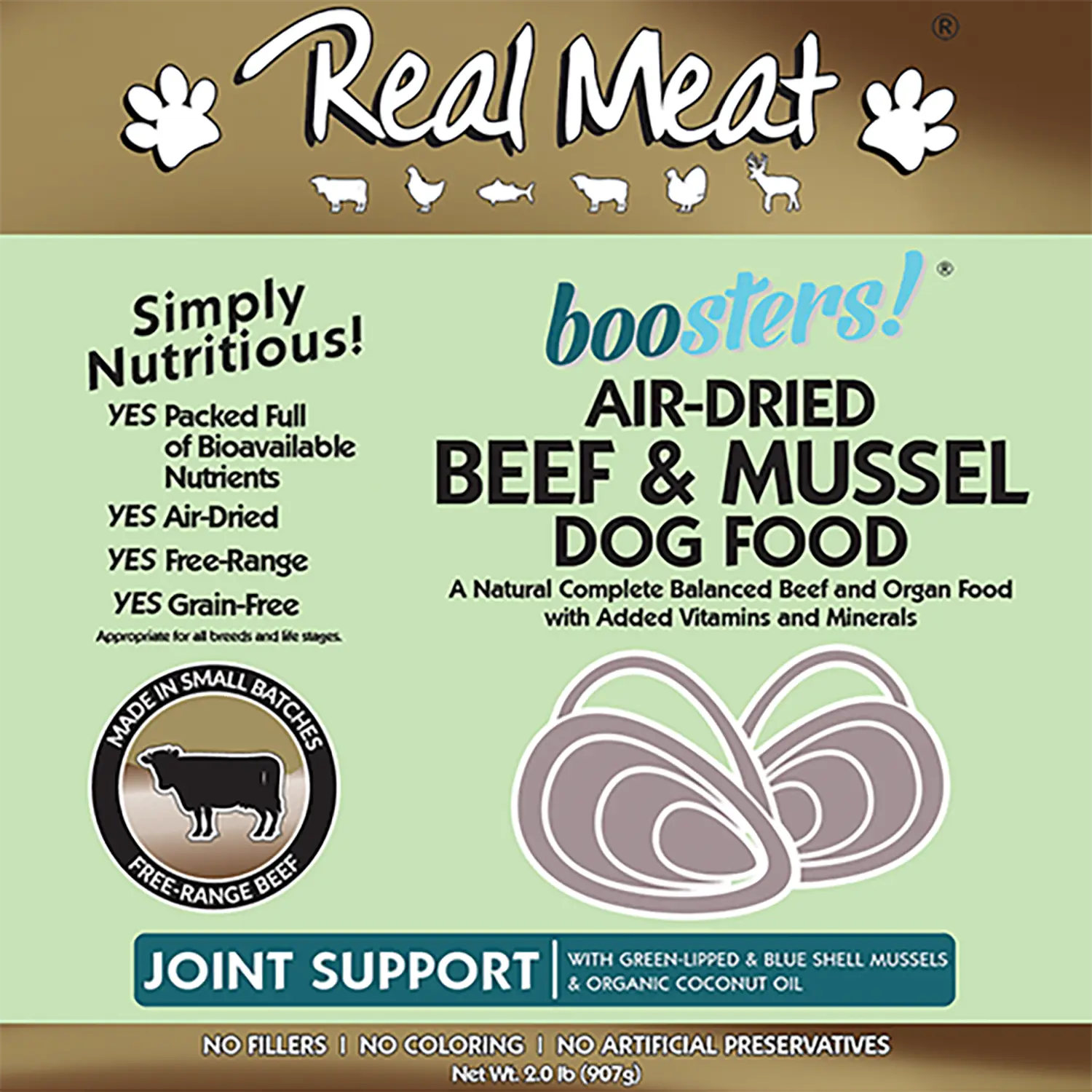
Look beyond the flavor name on the front of the bag. The nutritional adequacy statement tells you whether a food is complete and balanced for a particular life stage. A food intended only for supplemental feeding is not a substitute for a complete daily diet.
For an adult dog, look for a statement covering adult maintenance. For a puppy, choose a food appropriate for growth. If your puppy is expected to become a large dog, check that the statement addresses growth of large-size dogs.
The guide to choosing dry dog food from Petstore.com explains why life stage and the manufacturer’s nutrition practices matter alongside taste. You can also ask your veterinarian which foods fit your dog’s needs.
Ingredient lists are useful for checking what is in a recipe, especially when your dog must avoid an ingredient. They cannot tell you on their own how much your dog will like the food or whether the finished diet is right for them.
Before buying, check:
- Life stage: Is the food complete and balanced for your dog?
- Kibble size: Can your dog comfortably pick up and chew the pieces?
- Ingredients: Does the recipe fit any restrictions your veterinarian has given you?
- Feeding guide: Can you measure a suitable daily portion?
- Manufacturer information: Can the company answer questions about formulation and quality control?
Vet Tip: If your dog eats a veterinary diet, ask your veterinarian before changing foods or adding a topper. The new addition may not fit the diet’s purpose.
Compare Dry Food Types for Your Dog
Rather than choosing a bag solely because another dog likes it, compare options against what you know about your own dog.
| Food or feeding choice | When it may be worth trying | What to check |
|---|---|---|
| Standard dry kibble | Your dog eats crunchy food comfortably and you want a straightforward daily diet. | Choose a complete recipe for the right life stage and start with a manageable bag size. |
| Smaller kibble | Your dog has trouble picking up large pieces or seems to prefer smaller bites. | Smaller pieces are not a substitute for a dental examination if chewing seems painful. |
| Mixed-texture dry food | Your dog responds to different shapes or textures in the bowl. | Check the full ingredient list and nutrition statement, not just the appealing pieces. |
| Kibble with a little wet food | Your dog enjoys a softer texture or the smell of canned food. | Measure both foods and account for the calories in each. |
A grain-free label does not mean a food tastes better. Likewise, a meat-first ingredient list cannot guarantee that your dog will prefer one recipe over another. Choose the complete diet first, then let your dog’s response help guide the decision.
Some dry foods contain freeze-dried raw pieces or coatings. Raw ingredients can carry bacteria, so consider the handling instructions and ask your veterinarian if that type of food is appropriate for your household.
Try a Small Bag Before Committing
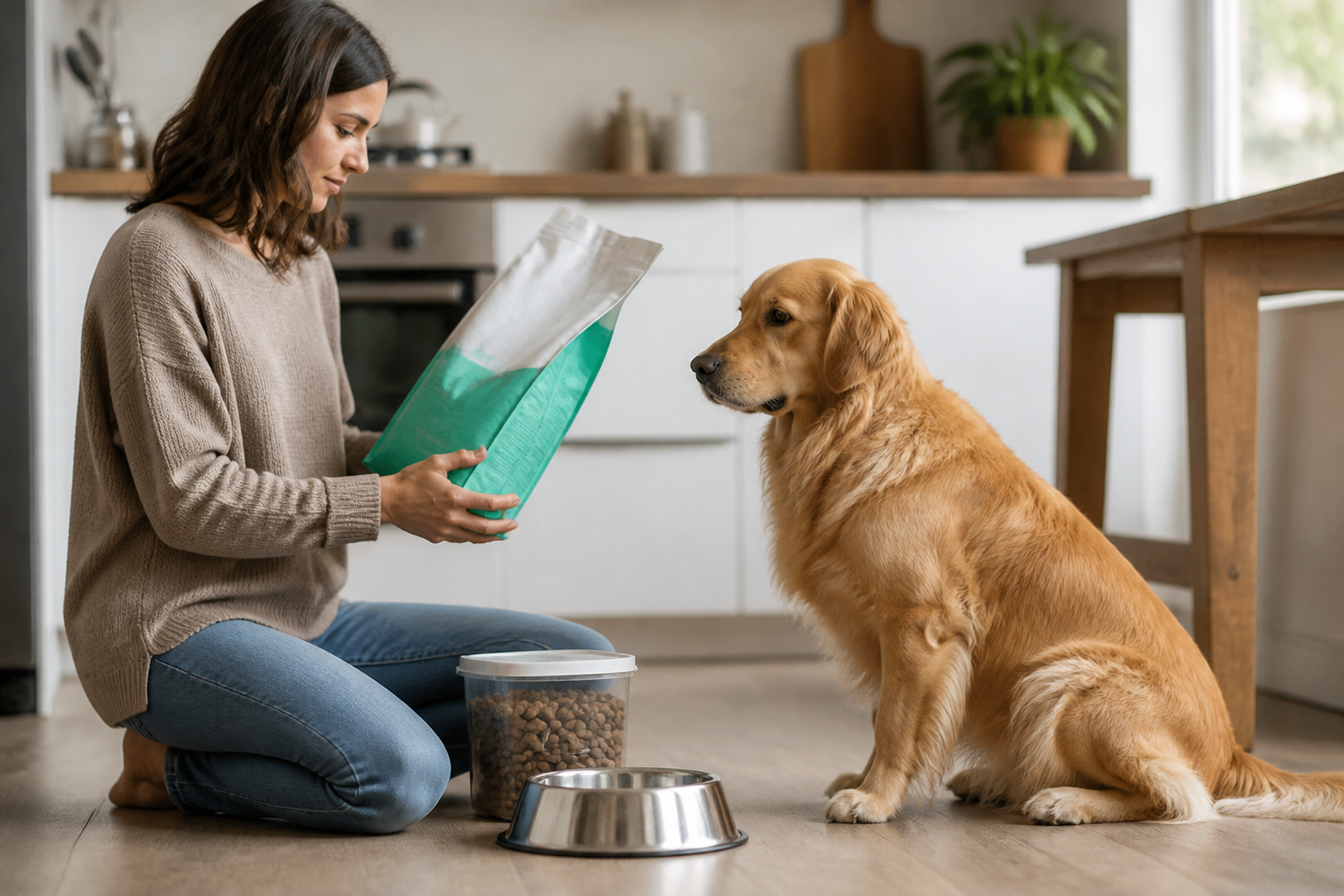
A small bag lets you see how your dog responds without filling your pantry with a food they may refuse. Check the best-by date and look for intact packaging before you buy.
For a fair comparison, change one main thing at a time. If you introduce a new kibble along with several treats and toppers, it becomes harder to tell what your dog likes or what caused a digestive problem.
For example, if your dog has eaten a poultry recipe comfortably but leaves large pieces behind, a smaller poultry kibble may be a useful first change. If they handle the size well but consistently ignore the flavor, a different complete recipe may be a better next trial.
Keep a short record of:
- The recipe and kibble size.
- How readily your dog eats it over several meals.
- Any change in stool, appetite, or comfort.
- How much food and how many treats you offer.
- Whether your dog maintains an appropriate body condition.
An enthusiastic first meal is encouraging, but it is not the whole test. Give a suitable food time to become part of the routine, and discuss ongoing digestive or appetite changes with your veterinarian.
Switch Foods Gradually
For many healthy dogs, a gradual change helps make the transition easier. The Petstore.com feeding guide suggests transitioning over about a week for many dogs, though some need longer. Follow a different plan if your veterinarian recommends one.
Step 1: Check the new food’s feeding guide
Compare the recommended portions on both bags. Different foods can contain different amounts of calories per cup, so the old scoop size may not suit the new food.
Step 2: Mix in a small amount
Replace a little of the current food with the new kibble. Keep the total meal measured rather than adding the new food on top of a full portion.
Step 3: Increase the new food gradually
Over the following days, offer more new food and less old food. Watch your dog’s appetite and stool as you make the change.
Step 4: Assess the response
Once your dog is eating the new food, continue to watch their weight, comfort, and willingness to eat. If your dog refuses food, vomits, or develops persistent diarrhea, contact your veterinarian.
Vet Tip: Puppies and dogs with medical conditions may need an individual feeding plan. Ask your veterinarian how quickly to switch and what changes should prompt a call.
Make Kibble More Appealing Without Overdoing It
If the food is appropriate for your dog, try a simple serving change before buying several new recipes. Start with one adjustment so you can tell whether it helps.
Add a Little Warm Water
A small amount of warm, not hot, water can change the kibble’s texture and release more aroma. Some dogs like softened food, while others prefer it crunchy. Offer fresh water separately as well, and discard uneaten moistened food promptly.
Use Wet Food Thoughtfully
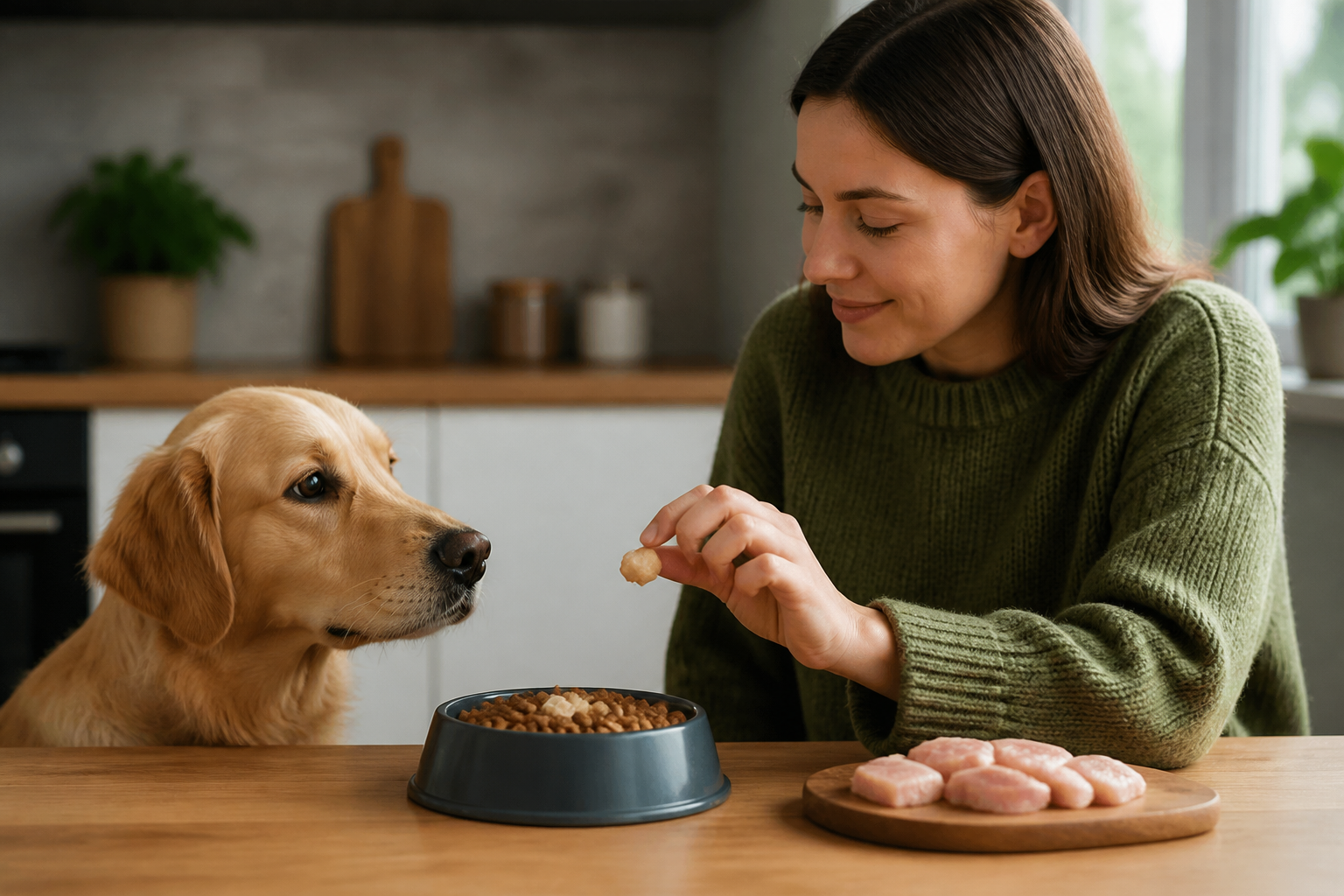
A measured spoonful of suitable wet dog food can add a different smell and texture. If you use it regularly, include it in your dog’s daily food calculation rather than treating it as calorie-free.
Choose a wet food that fits your dog’s life stage and any dietary restrictions. If your dog is on a prescription diet or an allergy trial, ask your veterinarian which additions, if any, are appropriate.
Review Treats and Mealtime
Treats are useful, but a dog who has eaten plenty of extras may be less interested in dinner. Include treats when you consider the day’s total food, and offer meals in a calm place where your dog can eat without interruption.
Avoid repeatedly replacing an untouched meal with richer foods. If your dog regularly refuses their usual food, ask your veterinarian for help rather than relying on increasingly elaborate toppers.
Keep Dry Food Fresh
A food that was appealing when first opened may be less inviting if it is poorly stored. Keep the original bag tightly closed in a cool, dry place. You can place the closed bag inside a clean, sealed container.
Keeping the bag also preserves the feeding directions, best-by date, and lot information. If the food looks moldy, contains insects, or smells rancid, stop feeding it and contact the manufacturer. Contact your veterinarian if your dog seems unwell.
Buy a bag size your dog can finish within a reasonable period. A larger bag is not necessarily better value if much of the food goes stale or your dog will not eat it.
Know When Pickiness Needs a Vet Visit
A change in appetite can have causes beyond taste. A dog who approaches the bowl but drops hard pieces, chews differently, or avoids kibble may be uncomfortable. Do not assume that a softer food solves the underlying problem.
Contact your veterinarian if your dog suddenly stops eating, repeatedly refuses meals, loses weight, or has vomiting, diarrhea, or unusual tiredness. Puppies and dogs with ongoing health conditions need prompt advice rather than a wait-and-see approach.
If your veterinarian recommends a prescription diet, ask about suitable options and how to introduce them. Pet’s Choice fulfills prescriptions; BaxterBoo itself is not the licensed pharmacy.
Choosing Your Dog’s Next Bag
The best tasting dry food is a good fit for both your dog’s appetite and their daily needs. Start with a complete recipe, make changes gradually, and judge the food over more than one meal.
- Choose the right life stage and a comfortable kibble size.
- Try a small bag and keep it fresh.
- Ask your veterinarian about sudden appetite changes or special dietary needs.
Next Step: Explore the dry dog food category at BaxterBoo and compare suitable recipes by life stage, flavor, and kibble size.
FAQ
Do dogs get bored eating the same dry food?
Some dogs may show preferences or lose interest in a particular food, but a change in appetite does not always mean boredom. If your dog suddenly refuses a food they previously ate well, contact your veterinarian.
Is grain-free dry dog food tastier?
Not necessarily. Individual recipes differ in aroma and texture, and a grain-free label cannot tell you which food your dog will prefer.
Can I feed a puppy the same tasty kibble as an adult dog?
Choose a food with a nutritional adequacy statement that includes growth for your puppy. If your puppy is expected to be large as an adult, check for the appropriate large-size growth statement and ask your veterinarian for guidance.
Can warm water make dry food taste better?
Warm water can change the smell and soften the texture, which may appeal to some dogs. Use warm rather than hot water, offer fresh drinking water separately, and discard uneaten moistened food promptly.


- Site & Contents BaxterBoo.com. BaxterBoo is located in the United States.
- Privacy & Security
- Terms of Use
- Accessibility Statement
