
 Save 15% on your 1st Autoship learn more

 Email us
 Live Chat
 FAQs
FAQs





Introduction
You lean in for a happy morning nuzzle only to be met with a cloud of breath that smells like a damp basement. Most dog owners have been there. We often focus on shiny coats or lean muscles but forget that oral health is a massive part of a dog's overall wellness. Ignoring those pearly whites can lead to more than just a smelly snout. It can result in painful infections or even heart and kidney issues.
At BaxterBoo, we have spent years helping pet parents navigate the world of canine dental care. This guide covers the most effective methods to keep your dog's mouth fresh. We will look at brushing techniques, the role of specialized treats, and when it is time to call in the professionals. Finding the right balance of daily habits and expert help is the most reliable way to ensure your dog stays comfortable and healthy for years.
The Gold Standard of Dental Care
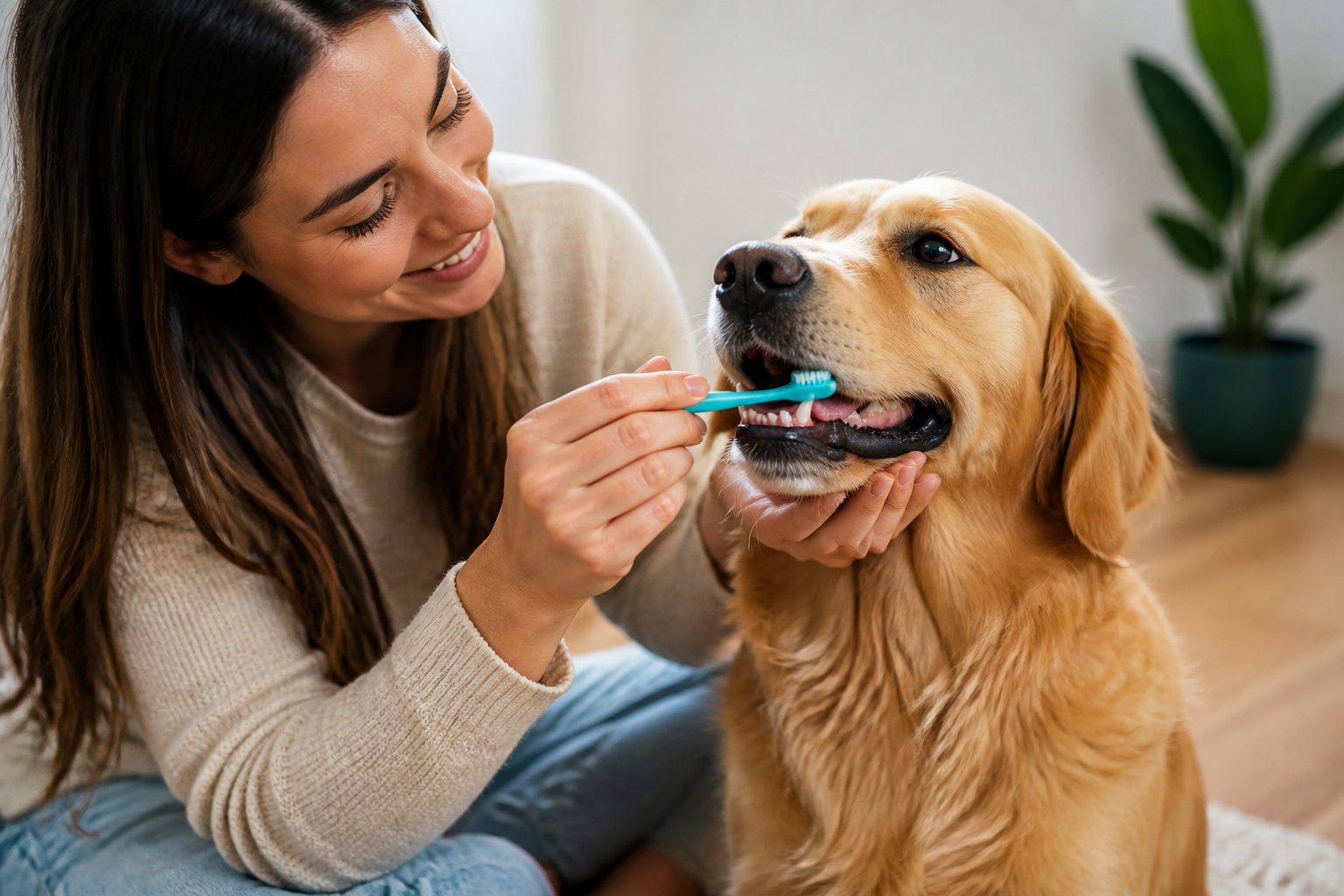
If you ask any veterinarian what the single most effective method is, the answer is always brushing. It is the only way to physically break up the film of bacteria known as plaque before it hardens into tartar. Once plaque mineralizes into tartar, you cannot simply brush it away at home.
You must never use human toothpaste for your dog. Our toothpaste often contains xylitol, which is a sweetener that is highly toxic to dogs. It also contains foaming agents meant to be spit out. Since dogs swallow everything, they need a pet-specific paste. These usually come in flavors like poultry or beef to make the experience more pleasant for them.
Quick Answer: Brushing with dog-specific toothpaste and a soft-bristled brush is the most effective way to clean a dog's teeth. Daily brushing prevents plaque from hardening into tartar, which otherwise requires professional veterinary removal.
How to Introduce the Toothbrush
Most dogs do not naturally enjoy having a plastic stick shoved into their mouths. You have to build trust. Start by letting them lick some toothpaste off your finger. Once they see the paste as a treat, gently rub your finger along their gums.
After they are comfortable with your finger, move to a finger brush or a long-handled pet toothbrush. These brushes have softer bristles than human versions and are angled to reach the back molars. Focus on the outside surfaces of the teeth. This is where the most buildup occurs. You do not need to worry as much about the inside surfaces because the tongue does a decent job of cleaning those areas naturally.
Choosing the Right Tools
The size of your dog determines the brush you should use. A tiny Chihuahua needs a small finger brush or a brush designed for cats. A large German Shepherd needs a long handle to reach those deep back teeth safely. Some owners prefer dental wipes. These are pre-moistened pads you wrap around your finger. While wipes do not reach the crevices as well as bristles do, they are much better than doing nothing at all.
For more options, explore our dog dental and breath care collection.
Vet Tip: If your dog has red, swollen gums or bleeds during a light brushing session, stop and call your vet. These are signs of gingivitis or advanced periodontal disease that require a professional exam before you continue home care.
The Role of Dental Chews and Toys
Not every dog will sit still for a daily brushing. This is where mechanical cleaning through chewing comes in. When a dog gnaws on a firm surface, it creates friction. This friction acts like a squeegee to scrape away soft plaque.
We carry many options at BaxterBoo that are specifically designed for this purpose. Look for products that have the Veterinary Oral Health Council (VOHC) seal. This seal means the product has undergone testing to prove it actually reduces plaque or tartar buildup.
Why Texture Matters
A good dental chew should be firm but not rock hard. If you cannot make a small dent in the chew with your thumbnail, it might be too hard. Antlers and heavy sterilized bones are popular, but they can actually fracture a dog's teeth. A fractured tooth is incredibly painful and often leads to an expensive extraction.
High-quality dental treats like Greenies dental chews or Cosequin dental sticks are designed to be chewy. This allows the tooth to sink into the treat, cleaning the entire surface rather than just the tips.
Safety First with Chews
Always supervise your dog when they have a chew. If they try to swallow a large chunk, it can become a choking hazard or cause an intestinal blockage. If the chew gets small enough to fit entirely inside their mouth, it is time to take it away and give them a new one.
Key Takeaway: Mechanical cleaning through chews and toys is a secondary defense. While helpful for the back molars, chews rarely clean the front incisors or the gum line as effectively as a toothbrush.
For additional guidance on recognizing dental problems, read the warning signs of bad teeth in dogs.
Water Additives and Oral Rinses
For the busiest pet parents or the most stubborn dogs, water additives are a practical solution. These are liquid formulas you pour directly into your dog's water bowl. They often contain enzymes or ingredients like chlorine dioxide that help kill the bacteria that cause bad breath and plaque.
How Additives Work
Think of these like a mouthwash that your dog drinks throughout the day. They do not replace the need for physical scrubbing, but they change the chemistry of the mouth. By making the environment less hospitable for bacteria, these additives slow down the rate at which plaque forms.
Choosing a Safe Formula
Always read the ingredient list. Avoid additives with heavy alcohols or artificial dyes. Most dogs will not even notice the taste of a high-quality additive. If your dog suddenly stops drinking water after you add a product, stop using it immediately. Proper hydration is always more important than dental health.
Specialized Dental Diets
What your dog eats every day has a significant impact on their mouth. There is a common myth that all dry kibble cleans teeth. Most standard kibbles actually crumble the moment a dog's tooth hits them. This provides very little cleaning action.
The Science of Dental Kibble
Specialized dental diets, such as those from Royal Canin or Farmina, are different. The kibble pieces are usually larger and have a fibrous structure. Instead of shattering, the kibble holds together, forcing the dog to chew. As the tooth slides through the kibble, the fibers wipe the surface of the tooth clean.
Some of these diets also contain "calcium sequesters." These are minerals that bind to the calcium in a dog's saliva. This prevents the calcium from being used to turn soft plaque into hard tartar.
Prescription Options and the Pharmacy
If your dog has a history of severe dental issues, your vet might recommend a prescription dental diet. These formulas are specifically balanced to manage oral health while providing complete nutrition. Through our partnership with Pet's Choice, the BaxterBoo Pharmacy offers access to these prescription diets.
We can help you fulfill orders for FDA-approved medications and therapeutic foods that require a veterinarian's authorization. Using a prescription diet can significantly reduce the frequency of professional cleanings for dogs prone to heavy tartar buildup.
Bottom line: A specialized dental diet uses unique textures and mineral blockers to clean teeth during every meal.
When Professional Intervention Is Necessary
Even with perfect home care, most dogs will eventually need a professional dental cleaning. This is similar to why humans go to the dentist every six months despite brushing twice a day. A veterinarian can reach under the gum line where bacteria hide and cause the most damage.
The Anesthesia Discussion
Most veterinary dental cleanings require general anesthesia. This allows the vet to perform a thorough exam, take X-rays, and scale the teeth without the dog feeling pain or stress. X-rays are critical because a dog's tooth is like an iceberg. Most of the structure, and most of the potential problems, are hidden below the surface.
Some facilities offer anesthesia-free cleanings. While these might make the teeth look white, they are largely cosmetic. They cannot address the bacteria under the gums, which is what actually causes tooth loss and systemic health issues.
Signs of Dental Disease
Check your dog's mouth once a week. You are looking for more than just yellow teeth.
- Dark red or bleeding gums
- Pus along the gum line
- Loose or missing teeth
- Excessive drooling
- Pawing at the face
- Dropping food while eating
If you notice these signs, skip the treats and additives and go straight to your vet. They may need to prescribe antibiotics or pain relief from a pharmacy to get the infection under control.
Creating a Sustainable Routine
The best way to clean your dog's teeth is the one you can actually stick to every day. You do not have to do everything at once. Start small and build the habit over time.
Step 1: Get the right gear. / Purchase a pet-safe toothpaste and a brush that fits your dog's mouth.
Step 2: Start the association. / Let your dog lick the paste daily for a week without trying to brush.
Step 3: Begin with the easy spots. / Brush the front canines first, then move toward the back as they get comfortable.
Step 4: Supplement the routine. / Use a VOHC-approved dental chew on days when you are too busy to brush.
Step 5: Schedule an annual checkup. / Have your vet look at your dog's teeth at every wellness visit to catch issues early.
For more brushing and dental-care ideas, review these pet dental care tips.
The Long Term Benefits of Oral Hygiene
Investing time in your dog's mouth pays off in their senior years. Dogs with healthy teeth can continue to eat a variety of foods and play with their favorite toys without pain. Furthermore, you save money in the long run. Preventive care at home is far less expensive than emergency oral surgery or treating heart disease linked to chronic oral infections.
Our goal at BaxterBoo is to provide you with the tools to make this easy. From the basic toothbrushes we stock in our warehouse to the prescription diets in our pharmacy, we are here to support your dog's health journey.
Key Takeaway: Consistent, daily efforts at home combined with regular veterinary oversight are the keys to preventing dental disease.
Summary of Effective Methods
| Method | Effectiveness | Frequency | Best For |
|---|---|---|---|
| Brushing | Highest | Daily | Plaque removal and gum health |
| Dental Chews | Medium | 3-4 times a week | Back teeth and mental enrichment |
| Water Additives | Low-Medium | Every water change | Breath freshening and bacteria control |
| Professional Cleaning | Essential | Every 1-2 years | Tartar removal and deep cleaning |
Conclusion
Cleaning your dog's teeth is an essential part of being a pet parent. While brushing is the most effective way to manage plaque, a combination of chews, additives, and specialized diets can provide a comprehensive defense. Always remember that home care is a supplement to, not a replacement for, professional veterinary exams.
By starting a routine early and staying consistent, you can protect your dog from the pain of dental disease. We are proud to offer the supplies you need to keep those smiles bright. Check out our full selection of dog healthcare products or talk to your vet about using our pharmacy for specialized needs.
Bottom line: A healthy mouth is a gateway to a healthy body, so start your dog's dental routine today.
FAQ
Can I use baking soda to clean my dog's teeth?
It is best to avoid using straight baking soda. While it can help scrub teeth, the high salt content can be hard on a dog's stomach if they swallow too much. Commercial pet toothpastes are safer, more effective, and taste much better to your dog.
How often should I realistically brush my dog's teeth?
Daily brushing is the goal because plaque turns into tartar in as little as 24 to 48 hours. However, if daily is not possible, three times a week is often enough to make a significant difference in their oral health. Consistency is more important than perfection.
Do certain breeds have more dental problems?
Yes, small breeds and flat-faced dogs like Pugs or Yorkies often have crowded teeth. This crowding creates more places for food and bacteria to hide, making them much more prone to dental disease. These breeds usually require more frequent brushing and professional cleanings.
My dog hates the toothbrush, what should I do?
If your dog is terrified of the brush, do not force it. Start by using a soft washcloth or a piece of gauze wrapped around your finger with some dog toothpaste. Often, dogs find the sensation of a finger much less threatening than a plastic brush, and you still get the benefit of the scrubbing action.






