
 Save 15% on your 1st Autoship learn more

 Email us
 Live Chat
 FAQs
FAQs





Introduction
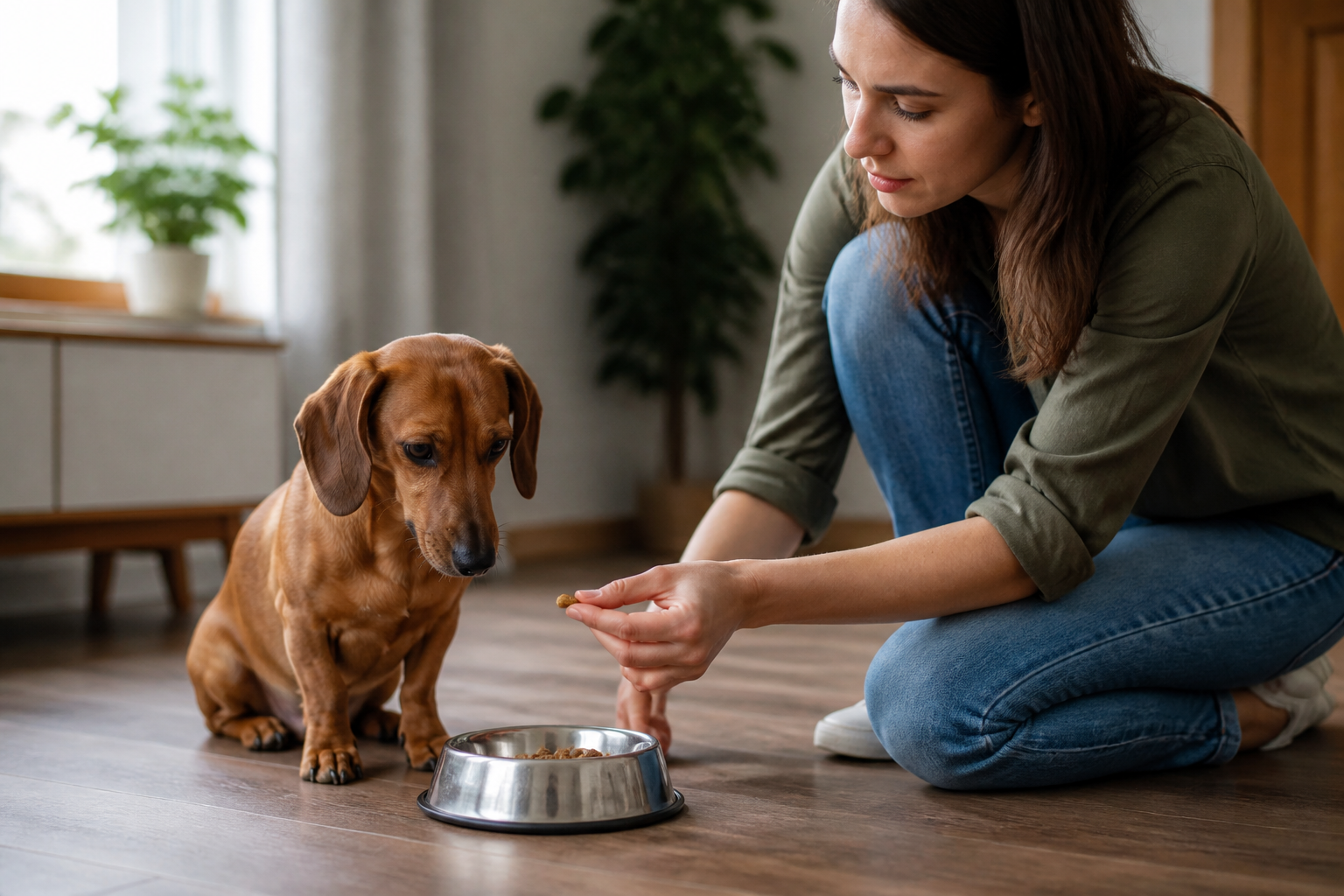
It is a frustrating moment for any pet owner. You set down a bowl of high-quality kibble, and your dog simply walks away or gives you a look of profound disappointment. You know they are hungry because they will happily gobble up a stray piece of chicken or a training treat. This behavior leaves many owners wondering if their pet is sick or just incredibly picky. At BaxterBoo, we have helped thousands of owners navigate these mealtime hurdles since 2006. In this post, we will cover the medical and behavioral reasons behind food refusal and provide practical steps to get your dog excited about their bowl again. Understanding why your dog is holding out is the first step toward a stress-free dinner.
Quick Answer: If your dog refuses dry food but eats treats, they may be a picky eater or have dental pain. Try adding warm water or a topper to the kibble, and consult a vet to rule out underlying health issues.
Ruling Out Medical Concerns First
Before assuming your dog is just being stubborn, you must rule out physical discomfort. A sudden change in appetite is often the first sign that something is wrong internally. If a dog that usually loves their kibble suddenly stops eating, it is time to pay close attention to their behavior.
Dental Pain and Oral Health
One of the most common reasons a dog stops eating dry food is mouth pain. Kibble is hard and requires significant pressure to break down. If your dog has a cracked tooth, inflamed gums, or an oral infection, crunching on dry pellets can be painful. They might still eat soft treats or human food because those items do not require much chewing.
Check your dog's mouth for redness, swelling, or a foul odor that goes beyond normal "dog breath." If you see them drop food out of their mouth or chew only on one side, dental issues are likely the culprit. Our dog healthcare category includes supplies that can support your pet’s everyday wellness routine.
Gastrointestinal Upsets and Internal Illness
Nausea can make even the best dog food look unappealing. Conditions like pancreatitis, kidney disease, or simple stomach infections can cause a loss of appetite. Often, a dog will refuse their regular meal but still accept a high-value treat because the desire for the treat overrides the feeling of nausea for a moment.
Vet Tip: If your dog has not eaten for more than 24 hours or shows signs of lethargy, vomiting, or diarrhea, contact your veterinarian immediately. They can help diagnose if the issue is a medical condition or a behavioral preference.
The Role of Prescription Diets
Sometimes a dog stops eating because their current food is causing digestive distress. In these cases, a veterinarian might recommend a prescription diet formulated for sensitive stomachs or kidney support. Our pet pharmacy carries a wide range of these specialized foods through our partnership with Pet's Choice. Having access to FDA-approved medications and therapeutic diets can make a world of difference for a dog struggling with chronic health issues.
Understanding Behavioral Pickiness
If your vet has given your dog a clean bill of health, the issue is likely behavioral. Dogs are highly intelligent and can quickly learn how to manipulate their owners to get better food.
The Treat Trap
It is easy to accidentally train your dog to be a picky eater. If your dog refuses their kibble and you immediately offer them a slice of cheese or a handful of jerky, you have taught them a lesson. They now know that if they wait long enough, something better will appear. Over time, they will hold out longer and longer for those high-value rewards.
Boredom and Routine
While many dogs are happy eating the same meal for years, others crave variety. Some breeds are naturally less food-motivated than others. If the mealtime routine has become stale, your dog might lose interest. Changes in the household can also play a role. A new baby, a move, or a change in your work schedule can cause enough stress to put a dog off their food.
Key Takeaway: Picky eating is often a learned behavior reinforced by high-value treats. To fix it, you must be more patient than your dog.
For more ideas about selective eaters, read our guide to choosing dry dog food for picky eaters.
How to Make Dry Food More Appealing
You do not necessarily need to switch brands to get your dog to eat. Often, small adjustments to the texture and aroma of the kibble can make a massive difference. Browse our dog food category to compare dry, wet, and other meal options.
Add Warm Water or Broth
Dry kibble does not have a very strong scent. By adding a small amount of warm water or dog-safe bone broth, you release the fats and aromas in the food. The warmth makes the meal smell much more enticing. Let the food sit for a few minutes until the kibble softens. This also helps with hydration, which is a bonus for dogs that do not drink enough water.
For more guidance, see our article on mixing dry dog food with water.
Use High-Quality Toppers
Toppers are a great middle ground between dry and wet food. You can use a few spoonfuls of canned food, a splash of salmon oil, or even some plain yogurt. Brands like Stella and Chewy's or The Honest Kitchen offer specialized mixers that add a boost of nutrition and flavor. Our dog food selection includes options from both brands.
- Step 1: Choose a healthy topper. Look for options without added salt, onions, or garlic.
- Step 2: Mix it thoroughly. If you just put the topper on top, your dog will lick it off and leave the kibble.
- Step 3: Gradually reduce the amount. Once your dog is eating consistently, you can slowly use less topper over several weeks.
The Power of Salmon Oil
We often recommend salmon oil for picky eaters because it has a strong, fishy scent that dogs find irresistible. Beyond the taste, it provides essential Omega-3 fatty acids that support skin, coat, and joint health. A single pump over a bowl of dry food can transform a boring meal into a gourmet experience.
Managing Senior Dog Appetites
As dogs age, their senses of taste and smell can decline. A senior dog might not be "picky" so much as they literally cannot smell their food as well as they used to. Senior dogs also face higher risks of dental disease and cognitive decline.
For older pets, soft food is often a necessity rather than a luxury. If your senior dog is struggling with dry food, try mixing in more wet food or switching to a senior-specific formula that is easier to digest. If they are on medication for joint pain or heart health, remember that we can help you manage those prescriptions through our pharmacy partnership. Keeping a senior dog eating is vital for maintaining their muscle mass and energy levels.
Key Takeaway: Senior dogs often need extra help with food aroma and texture due to declining senses and dental health.
Our article about whether senior dogs should eat wet or dry food offers additional guidance for older pets.
Establishing a Strict Feeding Schedule
Free-feeding, or leaving food out all day, is a common cause of pickiness. If food is always available, it loses its value. It also makes it harder for you to track exactly how much your dog is eating.
The 15-Minute Rule
Establish a routine where the food bowl only stays down for a set amount of time. Put the bowl down, give your dog 15 to 20 minutes to eat, and then pick it up regardless of how much is left. Do not offer treats or table scraps until the next scheduled mealtime.
This strategy teaches your dog that food is a limited resource. Most healthy dogs will not starve themselves. Once they realize that the kibble is the only option and it will not be there forever, they usually start eating.
Consistency is Key
Everyone in the house must be on board with the plan. If you are being strict with the feeding schedule but your spouse is sneaking the dog pieces of toast under the table, the plan will fail. Consistency helps reduce the anxiety some dogs feel around mealtimes and sets clear expectations.
Checking Food Freshness and Quality
Sometimes the dog is right to refuse the food. Dry dog food contains fats that can go rancid over time. If the bag has been open for more than a month, or if it was stored in a warm, humid area, the taste and smell might have changed.
Proper Storage Tips
- Keep it in the original bag. These bags are designed to keep air and light out.
- Use an airtight container. Place the entire bag inside a plastic or metal bin for a double seal.
- Check the expiration date. Never feed your dog food that is past its "best by" date.
- Wash the bowl. Residual oils can turn rancid on the surface of the bowl, making fresh food smell bad.
Evaluating the Brand
Not all kibble is created equal. Some budget brands use high amounts of fillers and artificial flavorings that may not be very palatable. We carry over 500 trusted brands, including Open Farm, Acana, and Orijen, which focus on high-meat inclusions and natural ingredients. If your dog consistently refuses a specific brand despite your best efforts, they may simply prefer a different protein source like lamb or fish over chicken.
You can also read our guide to selecting the best dry dog food before choosing a new recipe.
Environmental Factors at Play
Where your dog eats can be just as important as what they eat. If the feeding area is in a high-traffic part of the home, a nervous dog might feel too distracted or vulnerable to eat.
Creating a Safe Space
Try moving the food bowl to a quiet corner or a separate room. Some dogs prefer eating in their crate where they feel secure. If you have multiple pets, make sure they are not competing for food. A dominant dog staring at a more submissive dog can be enough to stop the latter from touching their bowl.
Making Meals Fun
Some dogs find traditional bowls boring. You can turn mealtime into a game by using puzzle feeders or snuffle mats. These tools tap into a dog's natural foraging instincts. Instead of just standing over a bowl, they get to "hunt" for their kibble. This mental stimulation can increase their interest in the food and slow down dogs that tend to eat too quickly once they finally decide to start.
Bottom line: A quiet environment and a bit of mental stimulation can turn a reluctant eater into an enthusiastic one.
When To Transition to a Mixed Diet
If you have tried every trick in the book and your dog still refuses plain dry kibble, it might be time to accept a mixed diet. Mixing wet and dry food is a perfectly healthy way to feed most dogs. It provides the dental benefits of crunching on kibble while offering the hydration and palatability of wet food.
How to Transition
Do not switch the diet overnight. Start by adding a small spoonful of wet food to the dry kibble and mixing it well. Gradually increase the ratio of wet food over a week. This prevents the gastrointestinal upset that often comes with sudden dietary changes.
If you find that your dog needs a highly specific diet due to allergies or health conditions, our pharmacy services through Pet's Choice can provide the necessary prescription canned foods. These diets are specifically formulated to be highly palatable to ensure that sick dogs get the calories they need.
For another perspective on changing textures, read how to switch from dry to wet dog food.
The Importance of Exercise
A dog that has spent the entire day napping on the sofa might not have a high caloric demand. Increasing your dog's physical activity can naturally boost their appetite. A long walk or a vigorous game of fetch about 30 minutes before mealtime can stimulate their metabolism. When a dog is physically tired and has burned calories, they are much more likely to show interest in whatever is in their bowl.
Summary of Next Steps
Getting a dog back on a dry food routine requires a mix of patience, discipline, and a bit of culinary creativity.
- Check for dental pain or signs of illness and consult a vet if needed.
- Stop all table scraps and limit treats to 10% of their daily calories.
- Enhance the food with warm water, bone broth, or a healthy topper like salmon oil.
- Implement a strict 15-minute feeding schedule and remove the bowl afterward.
- Ensure the food is fresh and stored in an airtight container.
Bottom line: Most cases of food refusal are behavioral, but a vet visit is essential to rule out pain or underlying health conditions.
We are committed to helping you provide the best care for your pets. Whether you need a higher-quality kibble from our warehouse in Vernon Hills or a specialized prescription diet through our pharmacy, we have the tools to help your dog thrive. Our Autoship programme can help simplify repeat food orders, while the MVP Rewards programme lets you earn rewards on eligible purchases.
FAQ
Why will my dog eat treats but not their dry food?
Treats are usually higher in fat and salt, making them much more appealing than standard kibble. If your dog knows a treat is coming eventually, they will wait for it. This is often a sign of a picky eater rather than a medical issue, but you should still check for dental pain that might make hard kibble difficult to chew.
Is it okay to only feed my dog wet food if they refuse dry food?
Yes, it is perfectly fine to feed a 100% wet food diet as long as the food is labeled as "complete and balanced." Wet food is great for hydration and is often easier for senior dogs to eat. However, you will need to pay closer attention to their dental health, as they lose the slight abrasive cleaning effect that dry kibble provides.
How long can a dog go without eating dry food?
A healthy dog can typically go 24 to 48 hours without a meal without serious health risks, though they should always have access to water. If your dog has not eaten for more than 24 hours, it is best to consult a veterinarian. This is especially urgent for puppies, senior dogs, or dogs with existing health conditions like diabetes.
Can I mix human food with dog kibble to get them to eat?
You can use small amounts of safe human foods like plain boiled chicken, carrots, or green beans as toppers. However, avoid anything with salt, onions, garlic, or excessive fats. Ensure these additions do not make up more than 10% of their total diet to avoid nutritional imbalances.






