
 Save 15% on your 1st Autoship learn more

 Email us
 Live Chat
 FAQs
FAQs





Introduction
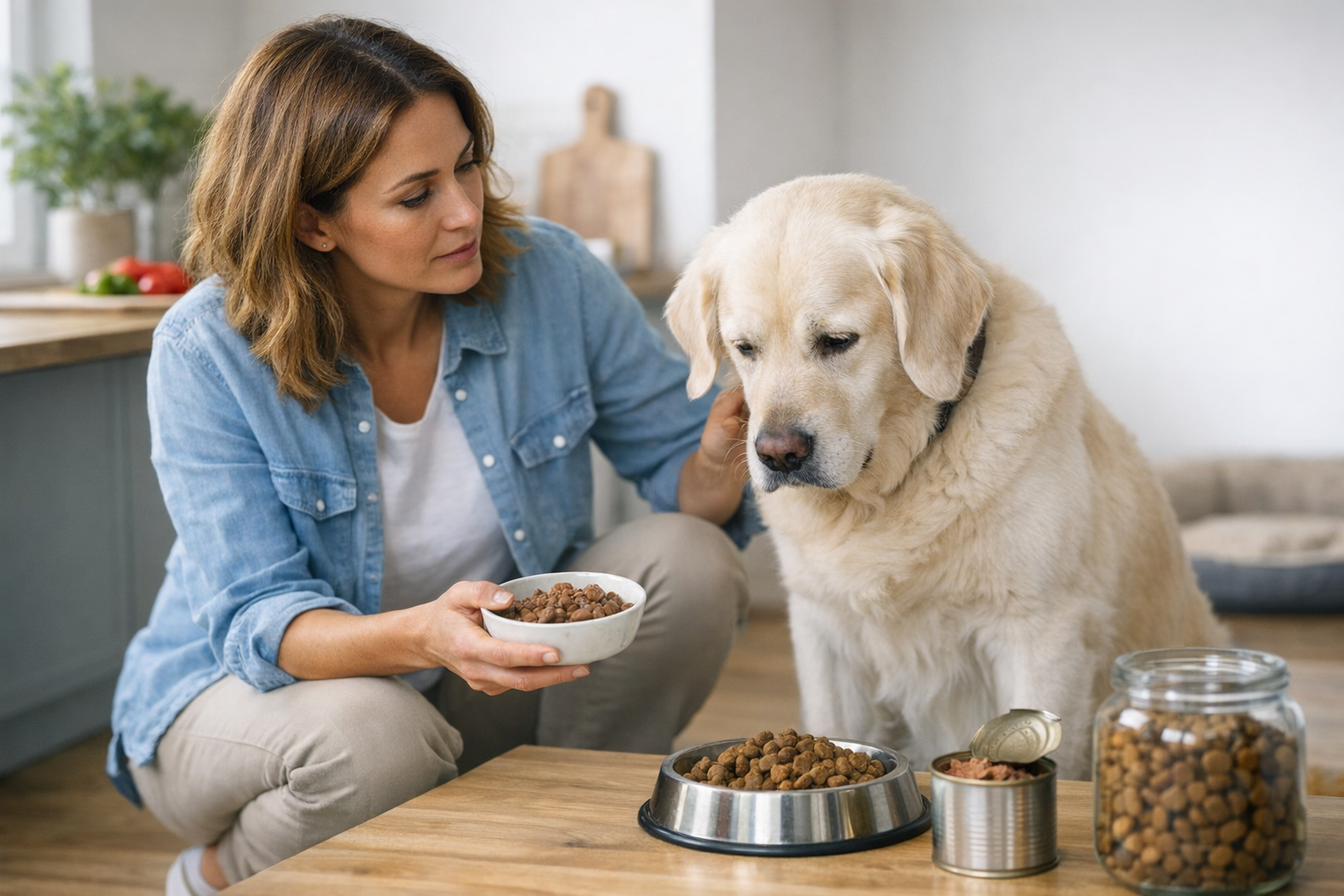
It is a familiar and stressful scene for many pet owners. You scoop out a serving of high quality kibble, set the bowl down, and watch as your dog takes one sniff before walking away with a disinterested sigh. You might worry that they are sick or simply becoming impossible to please. At BaxterBoo, we talk to pet owners every day who are navigating this exact challenge. Whether your dog has suddenly stopped eating their favorite brand or has always been a bit picky about textures, there is usually a logical reason behind the behavior. This guide covers the most common causes of kibble refusal and provides practical strategies to get your dog excited about mealtime again. Understanding the root cause is the first step toward finding a solution that keeps your dog healthy and satisfied.
Quick Answer: If your dog refuses dry food, first rule out medical issues like dental pain or stomach upset. If they are healthy, try adding warm water or a tasty topper to the kibble, maintaining a strict feeding schedule, and ensuring the food has not gone stale.
Identifying the Cause: Is It Medical or Behavioral?
Before you try to fix the problem with toppers or new flavors, you need to know why the refusal is happening. Dogs generally love to eat, so a sudden change in appetite is a significant communication tool.
Dental Pain and Oral Health
One of the most common reasons a dog avoids dry food is because it hurts to chew. Imagine trying to eat a handful of pretzels when you have a broken tooth or a gum infection. If your dog is interested in soft treats or wet food but ignores the hard kibble, their mouth might be the problem. Look for signs like Drooling, bleeding gums, or pawing at the face.
Gastrointestinal Upset
Sometimes a dog stops eating because they do not feel well. Issues like pancreatitis, inflammatory bowel disease, or a simple stomach bug can make the thought of a heavy meal unappealing. If the refusal is accompanied by vomiting, diarrhea, or lethargy, it is not a matter of pickiness.
Age-Related Decline
Senior dogs often experience a decline in their senses of smell and taste. Since dry food is generally less aromatic than wet food, an older dog may not even realize that what is in the bowl is actually dinner. Additionally, cognitive changes in very old pets can sometimes lead to forgotten routines or a lack of interest in eating.
Vet Tip: If your dog has not eaten for more than 24 hours, or if they are refusing both food and water, contact your veterinarian immediately. Sudden inappetence can be a symptom of underlying conditions that require professional diagnosis and treatment.
Common Behavioral Reasons for Kibble Refusal
If your vet has given your dog a clean bill of health, the issue is likely behavioral or environmental. Dogs are observant and can quickly learn how to manipulate their owners for better rewards.
The "Treat Trap"
Many owners accidentally train their dogs to be picky. If your dog refuses their kibble and you immediately offer a piece of cheese or a high value treat to ensure they eat something, you have taught them a lesson. They now know that holding out results in a better menu. This is especially common with intelligent breeds that are less food motivated.
Boredom and Variety
While dogs do not need the same variety in their diet as humans, some truly do get bored with the same flavor every day for years. If you have been using the same bag of food for months, the monotony might finally be getting to them.
Environmental Stress
Dogs thrive on routine. A move to a new house, a new baby, a different work schedule, or even a loud appliance running near the feeding area can cause enough anxiety to suppress an appetite. Some dogs are also "social eaters" who only feel comfortable eating when their human family is in the room.
bottom line: A healthy dog who refuses kibble but begs for treats is likely holding out for a more exciting option.
Checking the Food Quality
Sometimes the problem is not the dog or their behavior. It is the food itself. Dry food does not stay fresh forever, and dogs have a sense of smell that is far superior to ours. If you are comparing options, start with our dry dog food category.
- Check the expiration date: Always look at the "Best By" date on the bag.
- Check for spoilage: If the food smells "off," sour, or metallic, the fats may have gone rancid.
- Storage habits: Kibble should be stored in its original bag inside an airtight container. Pouring the food directly into a plastic bin can lead to the plastic absorbing oils that eventually go rancid and contaminate new food.
- Batch issues: Occasionally, a manufacturer might change a formula slightly. If you just opened a new bag and your dog refuses it, check the label for "New and Improved" or "New Look" notices.
How to Make Dry Food More Appealing
If you are confident the food is fresh and the dog is healthy, you can use several techniques to increase the "crave factor" of the kibble. These methods focus on enhancing the aroma and texture of the meal. For more meal-boosting ideas, browse our food topper collection.
The Power of Warmth and Water
Adding a small amount of warm water to kibble is the easiest and most cost effective trick. The warmth releases the fats and aromas in the food, making it much more enticing. It also creates a light gravy and softens the texture for dogs who find hard kibble difficult to manage.
Healthy Toppers and Mix-ins
You can add variety without completely switching diets by using toppers. We carry a wide range of supplements and mixers that can be rotated to keep things interesting. If your dog enjoys chew-time rewards too, take a look at our dog treats category.
- Bone Broth: Ensure it is specifically formulated for dogs and free of onions and garlic.
- Plain Yogurt or Kefir: A tablespoon of plain, unsweetened yogurt provides probiotics and a creamy texture.
- Canned Wet Food: Mixing a spoonful of high quality wet food into the kibble is often enough to get a dog started.
- Fresh Veggies: Steamed carrots or green beans add crunch and nutrients without many calories.
- Omega Oils: Adding a squirt of salmon oil can improve skin health and make the food smell delicious to your dog.
Step-by-Step: Adding Toppers Correctly
Step 1: Measure the standard amount of kibble. Put it in the bowl first so you can control the portions.
Step 2: Add your chosen topper. Use a small amount, roughly 10 percent or less of the total meal.
Step 3: Mix thoroughly. Ensure the topper coats the kibble so the dog cannot simply lick off the "good stuff" and leave the dry pieces behind.
Key Takeaway: Enhancing the aroma of dry food through warmth or moisture is often the most effective way to tempt a picky eater without overfeeding treats.
Building Better Feeding Habits
If the issue is purely behavioral, you may need to implement some "tough love" to reset your dog's expectations. This requires consistency from everyone in the household. For a deeper dive into portion routines, see our guide to how much dry food to feed a dog.
The 15 Minute Rule
Stop leaving food out all day. Free feeding allows a dog to be picky because they know the food is always there. Instead, put the bowl down for 15 to 20 minutes. If they do not eat, pick the bowl up and do not offer food again until the next scheduled mealtime. A healthy dog will not starve themselves and will usually be much more interested in the next meal once they realize the "buffet" is not permanent.
Limit the Treats
If your dog's daily calorie intake is being met through training treats and table scraps, they simply will not be hungry for dinner. During the training phase of getting them back on dry food, eliminate all extra snacks. This ensures they have a healthy appetite when the bowl hits the floor.
Exercise Before Meals
A tired dog is often a hungry dog. Take your dog for a brisk walk or have a vigorous play session right before feeding time. This builds up a natural physical need for calories and can override some of the fussiness associated with boredom.
When a Change in Diet is Necessary
Sometimes, despite your best efforts, a specific brand or type of kibble just isn't the right fit. If you decide to switch brands, do so carefully to avoid upsetting your dog's digestive system. If you have a puppy at home, our Puppy Shop is a helpful place to begin.
Choosing the Right Kibble Size
Small breeds often struggle with large, hard nuggets, while large breeds might find tiny kibble unsatisfying. At BaxterBoo, we offer a massive selection of life stage and breed specific formulas. For example, brands like our selection of Royal Canin products and our selection of NutriSource products offer small breed bites that are much easier for Chihuahuas or Yorkies to manage.
Exploring Different Protein Sources
If your dog has been eating chicken based food, they might have developed a sensitivity or just a strong dislike for it. Moving to a "limited ingredient diet" with a unique protein like lamb, salmon, or venison can sometimes reignite their interest. Brands like our selection of Stella & Chewy's products or our selection of Acana products offer varied protein profiles that cater to sensitive stomachs and picky palates.
Prescription Diets and the Pharmacy
If your dog's refusal is linked to a chronic health condition like kidney disease, urinary issues, or severe allergies, they may require a prescription diet. These foods are specifically formulated to manage health through nutrition. Through our pet pharmacy, the BaxterBoo pharmacy provides easy access to prescription medications and prescription diets. If your vet recommends a specific therapeutic food from brands like Royal Canin or Farmina Vet Life, our pharmacy can help you manage those ongoing needs efficiently.
Key Takeaway: When a medical condition dictates your dog's diet, using a dedicated pet pharmacy ensures you get the exact prescription formula and medications your vet has ordered.
Strategies for Senior Dogs
Caring for a senior dog requires a shift in how you view mealtime. Their needs change, and their willingness to eat often changes with them. For more age-specific shopping, browse our senior dog food category.
- Elevate the bowl: If your dog has arthritis in their neck or shoulders, leaning down to a floor bowl might be painful. An elevated feeder can make eating more comfortable.
- Softening the food: Senior dogs often have missing teeth or thinning enamel. Letting kibble soak in warm broth for 10 minutes before serving makes it much easier to chew.
- Focus on scent: Since smell is the primary driver of appetite in dogs, use highly aromatic toppers like green tripe or fish based oils to grab their attention.
- Supplements: If joint pain is keeping them from the bowl, adding a supplement like Cosequin or Zesty Paws can help with the underlying mobility issues.
Training and Enrichment During Mealtime
Sometimes the bowl itself is the problem. Some dogs find the clinking of their collar against a metal bowl frightening. Others are simply bored by the presentation. For more active mealtime ideas, our dog health category is a useful place to explore related wellness tools.
Puzzle Feeders and Snuffle Mats
Instead of using a traditional bowl, try putting the dry food into a puzzle toy like a Kong or a snuffle mat. This turns mealtime into a game and taps into a dog's natural foraging instincts. Many dogs who refuse to eat out of a bowl will happily work for 20 minutes to get every last piece of kibble out of a toy.
Using Kibble for Training
If your dog is motivated by interaction, use their meal as training rewards. Instead of putting the food on the floor, have them perform their usual sit, stay, and shake commands, rewarding them with a few pieces of kibble each time. By the time the session is over, they may have eaten their entire meal without realizing it wasn't a "treat."
Monitoring Progress and Success
As you implement these changes, keep a simple log of what works. Note the time of day, the toppers used, and how much was eaten. This information is incredibly helpful if you eventually need to consult your veterinarian about persistent appetite issues.
Most dogs will return to a healthy eating routine within a week of consistent habit changes. If you find that you are constantly needing to add more and more "extras" just to get your dog to take a bite, you may still be trapped in a cycle of pickiness. The goal is a dog that eats a balanced meal willingly because they are hungry and the food is palatable.
Summary of Next Steps
If you are currently staring at a full bowl of untouched kibble, do not panic. Most cases of a dog refusing dry food can be solved with a combination of dental checks, freshness audits, and a bit of environmental adjustment.
- Rule out health issues: Check for dental pain or signs of illness.
- Verify freshness: Ensure the bag is sealed and within its expiration date.
- Enhance the meal: Use warm water or a healthy topper to boost aroma.
- Enforce a schedule: Remove the food after 15 minutes to discourage grazing.
- Consult the pharmacy: If your vet prescribes a special diet or medication, use our pharmacy for easy fulfillment.
At BaxterBoo, we are committed to helping you provide the best possible care for your pets. Whether you need a new puzzle toy to make mealtime fun or a specific supplement to support aging joints, we have the expert curated selection to help. Our MVP Rewards programme also allows you to earn points on every bag of food and topper, making it easier to find the perfect match for your dog's unique tastes.
FAQ
Why did my dog suddenly stop eating dry food after years of enjoying it?
Sudden refusal often points to a change in the food's freshness or an underlying medical issue. Check the bag for a "best by" date and smell the food to ensure the fats have not gone rancid. If the food is fresh, a trip to the vet is necessary to rule out dental pain, which is a common reason for older dogs to suddenly avoid hard textures.
Is it okay to mix wet food with dry food forever?
Yes, mixing wet and dry food is a perfectly healthy long term strategy as long as you adjust the total calorie counts. Many pet owners find that "mixed feeding" provides the dental benefits of crunchy kibble with the hydration and aroma of wet food. Just be sure to stir the mixture well so your dog does not simply pick out the wet chunks.
Can I just leave the dry food out until my dog gets hungry enough to eat it?
Free feeding is generally discouraged for picky eaters because it removes the motivation of a scheduled mealtime. Leaving food out also allows the kibble to go stale faster as it is exposed to air and moisture. A better approach is the "15 minute rule," where you offer the food and then remove it to teach your dog that food is only available at specific times.
My dog only eats kibble if I hand feed them. How do I stop this?
Hand feeding is a common way owners accidentally reinforce picky behavior. While it can be useful for very sick dogs or young puppies, it is best to transition back to the bowl by placing the food in your hand near the bowl, then slowly moving your hand into the bowl. Eventually, you should be able to drop the food and let them take it from the bowl directly, followed by walking away to give them space.
Conclusion
Getting a dog back on a dry food routine takes patience and a clear plan. By ruling out medical issues first and then focusing on food quality and behavioral consistency, you can turn mealtime back into a positive experience. Remember that every dog is an individual. What works for a senior dog with a sensitive stomach might be different from what works for a high energy puppy. We are here to support you with everything from premium kibble and toppers to a full service pharmacy for your dog's medical needs.
Bottom line: Be consistent with your feeding schedule and don't be afraid to add a splash of warm water to make that dry food smell like a gourmet meal.
If you are ready to try a new strategy, browse our collections of food toppers or visit our pharmacy section to see how we can help manage your dog's nutritional health.
FAQ
Is it safe to add human food like eggs or chicken to my dog's kibble?
Yes, you can safely add plain, cooked eggs or unseasoned boiled chicken to kibble as a topper. However, these additions should not make up more than 10 percent of your dog's total daily calories to avoid unbalancing their nutrition. Always avoid adding any human foods that contain salt, onions, garlic, or excessive fats.
My dog refuses dry food but gobbles up treats. What does this mean?
This is a classic sign of a picky eater who has learned that refusing a meal leads to receiving higher value rewards. Since treats are often higher in fat and more aromatic, they are more appealing than standard kibble. To fix this, stop providing treats between meals until your dog is consistently eating their regular dry food again.
Can dental problems cause a dog to stop eating dry food?
Absolutely. Dental issues like broken teeth, abscesses, or severe gum disease make the mechanical act of crunching dry food very painful. If your dog approaches the bowl with interest but drops the food or winces when they bite down, they need a professional dental exam. Switching to softened kibble or wet food can help in the short term until the dental issue is resolved.
Should I change brands if my dog won't eat their current dry food?
You should only change brands if you have ruled out medical issues and the current food is fresh. If you do switch, choose a high quality brand with a different protein source and transition slowly over 7 to 10 days. Mixing the old and new food gradually helps prevent stomach upset and allows your dog to get used to the new flavor and texture.






