
 Save 15% on your 1st Autoship learn more

 Email us
 Live Chat
 FAQs





Introduction
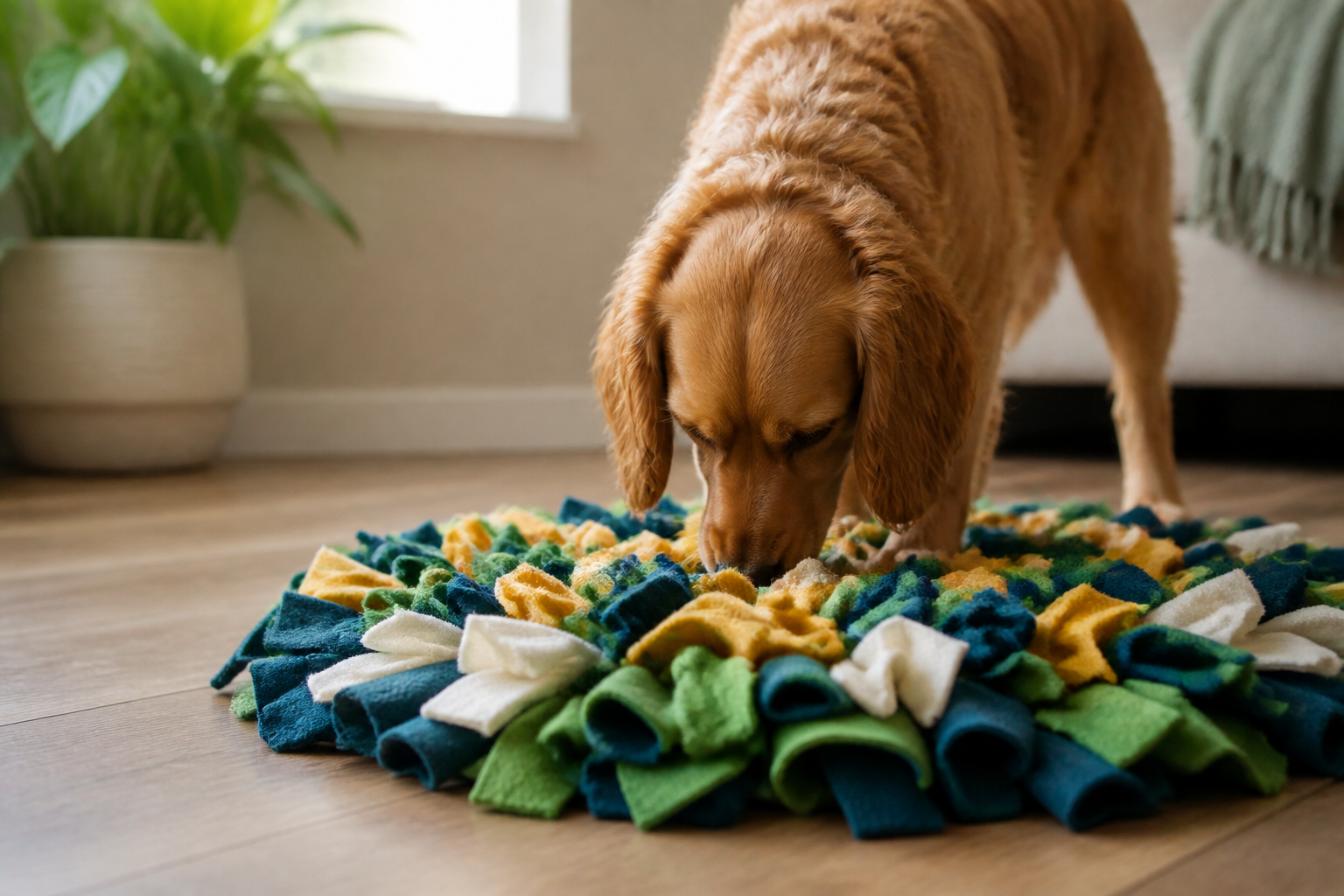
You are standing in your living room on a rainy Tuesday afternoon while your dog stares at you with unspent energy. The walk was cut short, and now your pet is pacing or looking for a shoe to chew. This is the exact moment many owners reach for a snuffle mat to provide much needed mental stimulation. At BaxterBoo, we know that a bored dog is often a destructive dog, and these fabric puzzles are a simple way to keep their minds sharp. Choosing the right items to hide inside the folds determines how long the game lasts and how much your pet enjoys the challenge. This post covers the best dry foods, healthy snacks, and high-value treats to use for a successful foraging session. Using the right combination of scents and textures will turn a standard meal into an engaging brain workout.
Quick Answer: The best items for a snuffle mat are dry kibble, small training treats, and freeze-dried meats like beef liver or salmon. Avoid wet or sticky foods that can cause bacteria growth in the fabric and stick to dry options that are easy to hide within the felt strips.
The Best Everyday Fillers for Mealtime
Using a snuffle mat for daily meals is one of the easiest ways to incorporate enrichment into your routine. If your dog finishes their dinner in thirty seconds, they are missing out on the natural urge to forage. Most standard kibble sizes fit perfectly between the fabric strips of a quality mat. This forces your dog to use their nose to locate each piece and their paws or muzzle to move the fabric.
Starting with kibble is also the most calorie-conscious way to play. You are not adding extra treats to their day but simply changing how they receive their regular nutrition. If you find your dog is less interested in their plain food, try mixing in a few broken pieces of a crunchy biscuit. The varied textures will keep them guessing as they work through the layers.
Using dry food also keeps the mat cleaner for longer. Since there is no moisture, the kibble does not leave behind a residue that leads to odors. You can easily shake out the mat after a meal to remove any crumbs. This is a practical choice for owners who want to use the mat twice a day without doing laundry every morning. For a wider range of dry dog food, choose pieces that fit easily into the mat’s folds.
Key Takeaway: Turning mealtime into a foraging game slows down fast eaters and provides mental exercise without adding extra calories to your dog's diet.
Why Texture Matters
Different shapes of food provide different levels of difficulty. Round kibble might roll deeper into the base of the mat. Star-shaped or flat pieces might get caught in the upper folds of the fabric. Mixing different shapes of dry food can make the game more interesting for a dog that has already mastered the basic "find it" command.
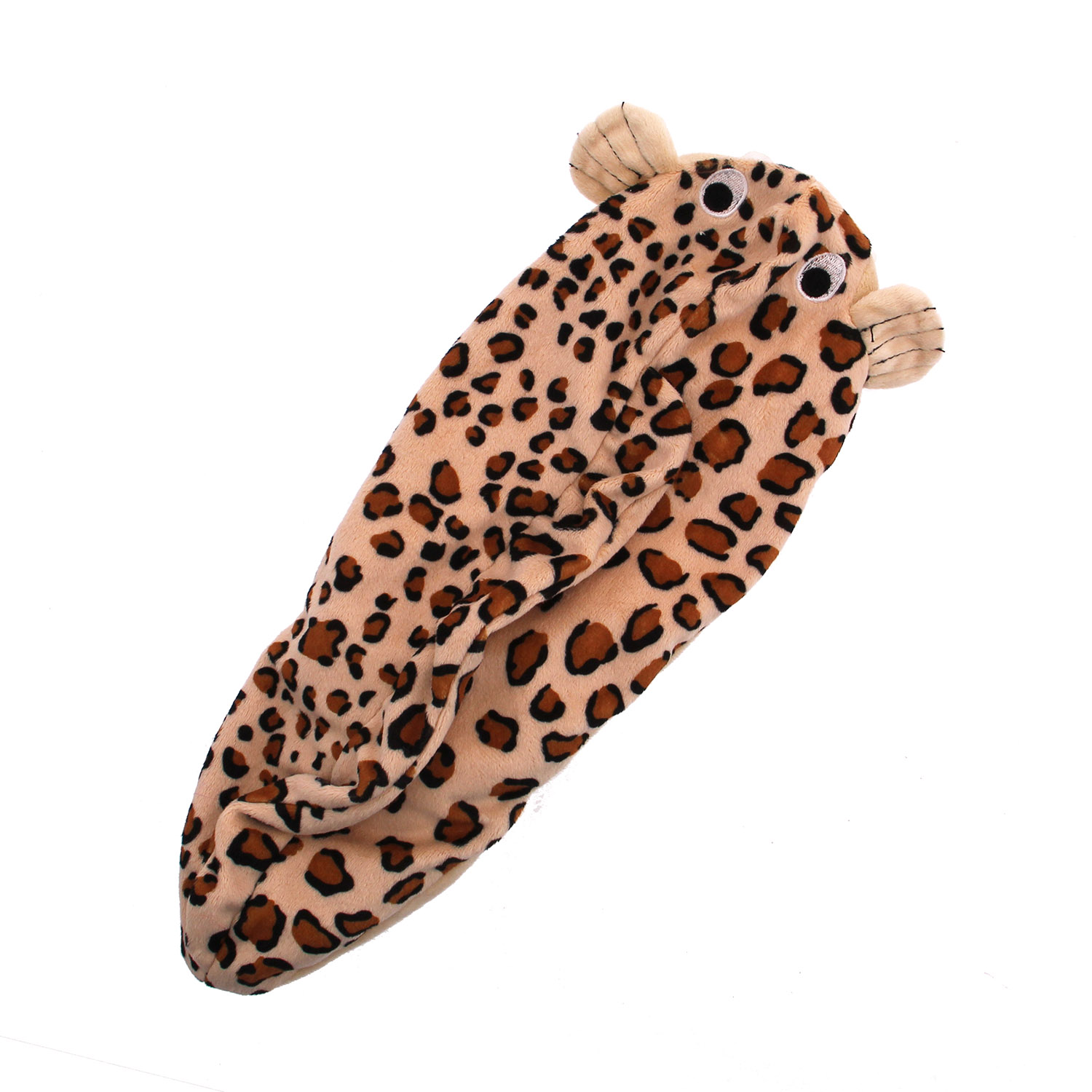
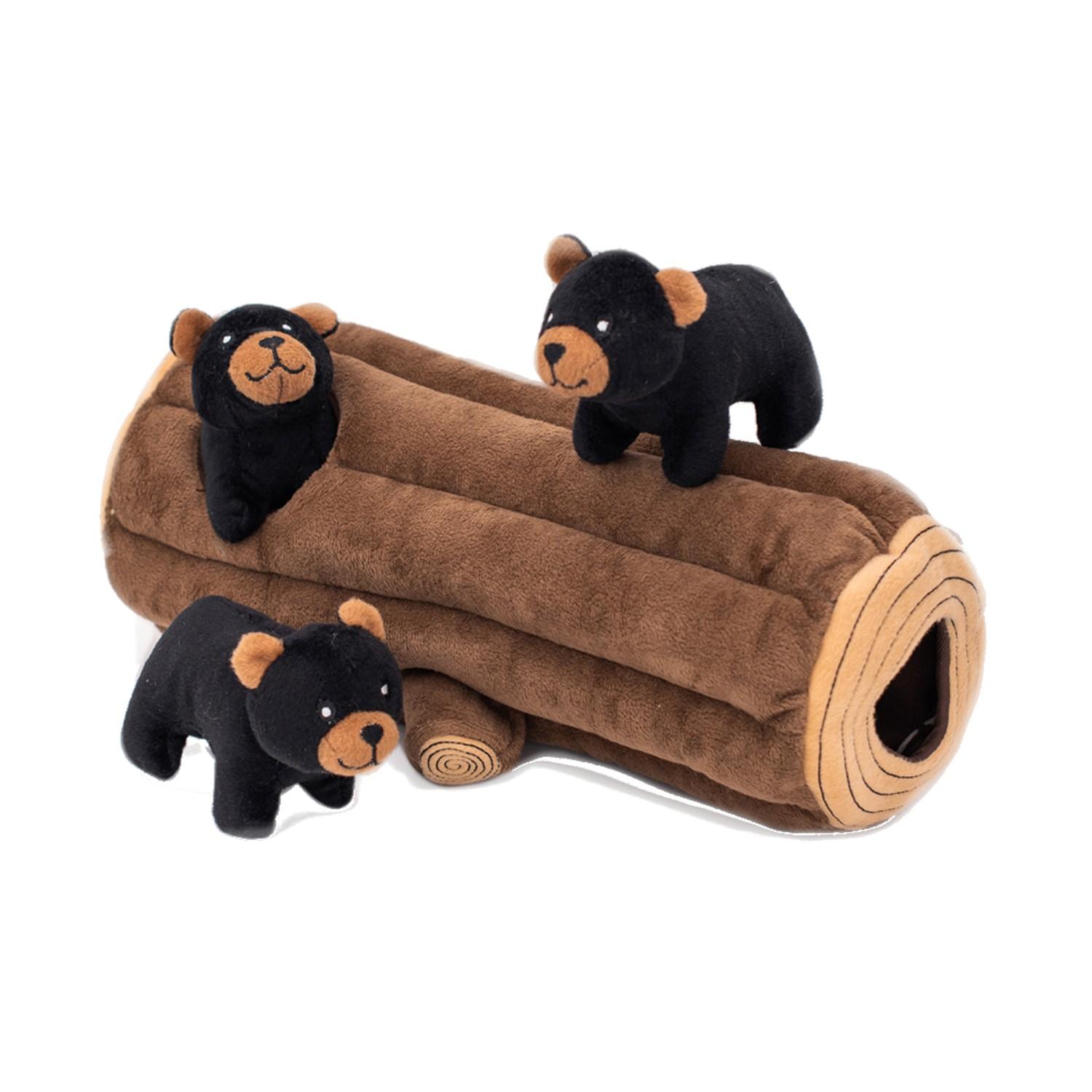
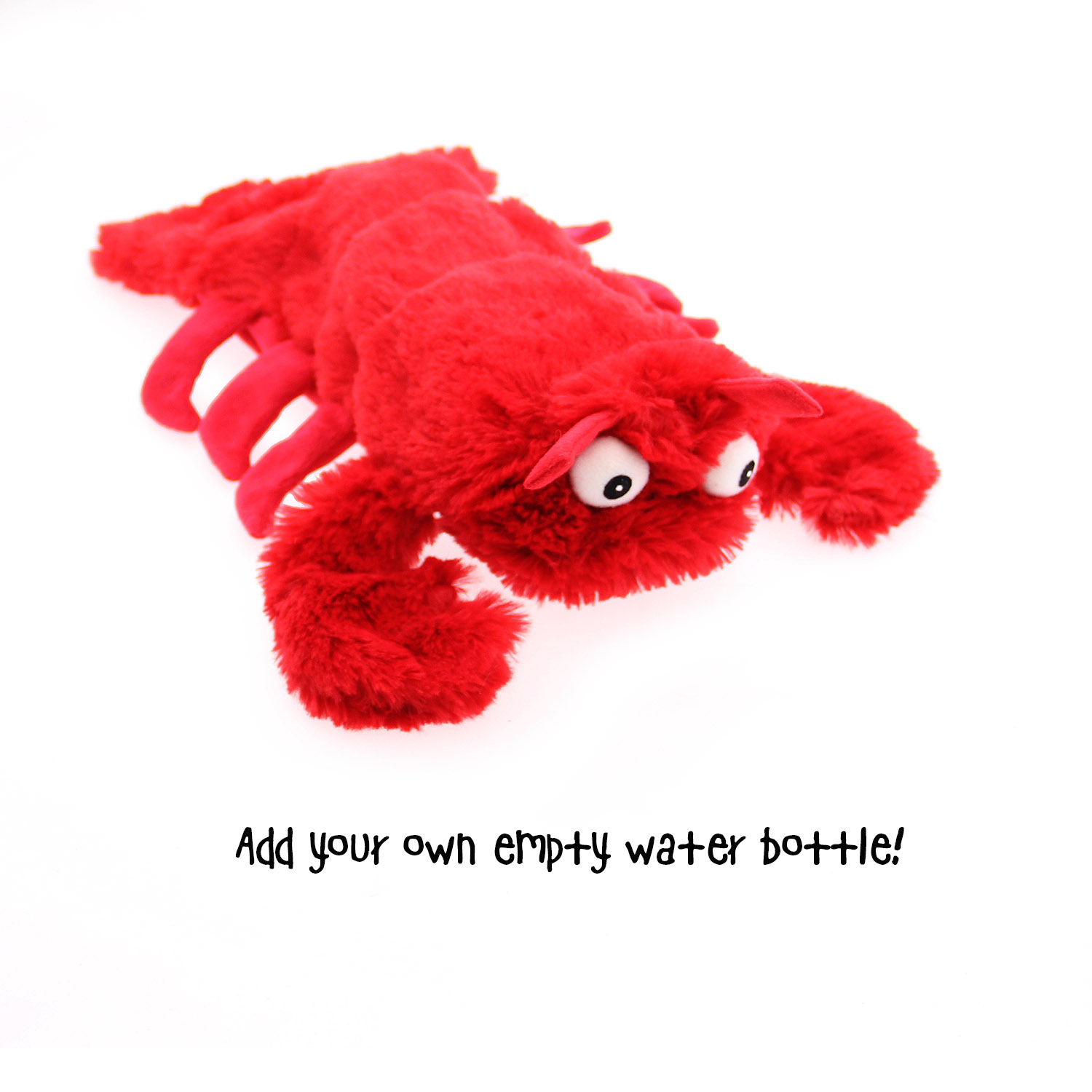
Interactive and Treat Dog Toys








High-Value Treats for Picky Eaters
Some dogs need a bit more motivation to start snuffling. If your pet looks at a mat full of kibble and walks away, you may need to introduce high-value rewards. These are treats with a strong aroma that can be detected even when hidden deep inside a pocket. Freeze-dried meats are the gold standard for this purpose.
Brands like Stella & Chewy's or Vital Essentials offer freeze-dried options that are light and dry. You can use small pieces of beef liver, lamb lung, or salmon skin. These treats have a very potent scent that triggers a dog's hunting instinct. Because they are freeze-dried, they do not make the fabric greasy or wet. Explore freeze-dried dog treats for small, dry rewards to tuck into the fabric.
You can also use small pieces of jerky. Brands like RedBarn or Real Meat Co offer jerky that can be torn into tiny bits. The goal is to use pieces about the size of a pea. This ensures your dog has to spend time searching rather than just inhaling a large snack. You can browse our dog treats for other small rewards.
- Freeze-dried beef liver nuggets
- Salmon skin pieces for Omega-3 support
- Small bits of chicken or turkey jerky
- Dehydrated lamb lung
- Tiny training treats under 3 calories each
Healthy Produce and Low-Calorie Options
If you are worried about your dog’s weight, you can look to your refrigerator for snuffle mat fillers. Many fruits and vegetables are safe for dogs and provide a different sensory experience. Since these items contain some moisture, you should only use them in mats that are easy to wash.
Blueberries are a fantastic choice because they are small, round, and firm. They roll into the crevices of the mat and require a bit of muzzle work to retrieve. They are also packed with antioxidants. Carrots are another staple that can be diced into small cubes. The crunch provides a satisfying reward for a dog who has worked hard to find them.
Apples are a great sweet treat but you must remove all seeds and the core first. Diced apple bits are fragrant and easy to hide. Green beans, either fresh or lightly steamed and cooled, are high in fiber and very low in calories. These are excellent for senior dogs or pets on a strict diet who still need the mental stimulation of a puzzle. For more indoor activity ideas, see these ways to create indoor enrichment.
Vet Tip: Always introduce new fruits or vegetables in very small amounts to ensure they do not cause digestive upset. If your pet has a known health condition like diabetes or kidney issues, consult your veterinarian before adding new produce to their diet.
Items to Avoid in Your Snuffle Mat
While it is tempting to put your dog’s favorite things in the mat, some foods are not a good fit for fabric puzzles. Anything wet, sticky, or greasy should stay in a bowl or on a silicone lick mat. Peanut butter is a common mistake. It sticks to the fleece fibers and is nearly impossible to remove without a heavy-duty wash.
Raw meat or wet canned food should also be avoided. These items can seep into the fabric and grow bacteria or mold very quickly. Even if you wash the mat frequently, the moisture trapped in the dense fabric can become a health hazard. Stick to dry or semi-moist items that don't leave a wet stain.
Safety also means avoiding toxic foods. Never put grapes, raisins, onions, or anything containing xylitol in your dog's enrichment toys. Xylitol is often found in sugar-free snacks and can be fatal to dogs. Always check the ingredient label of any human food you consider sharing with your pet. For another perspective on indoor activities, read about dog boredom busters and puzzle play.
Common "No" List for Mats
- Peanut butter or spreads
- Canned wet food
- Raw meat or bones
- Grapes or raisins
- Chocolate or sugary snacks
- Anything with xylitol
How to Introduce the Snuffle Mat
If your dog has never used a foraging toy, they might feel frustrated or try to chew the mat instead of sniffing it. At BaxterBoo, we recommend starting slow to build their confidence. If they think they have to work too hard for a reward, they might give up or resort to destructive behavior.
Step 1: Place the mat on a non-slip surface. Put 5 to 10 high-value treats directly on top of the fabric. Do not hide them yet. Let your dog see the treats and eat them easily.
Step 2: Once they understand that the mat is a source of rewards, start tucking the treats just slightly under the first layer of fabric. They should still be partially visible.
Step 3: Gradually move the treats deeper into the folds. Eventually, you can hide the food entirely. Use a specific cue like "find it" or "go snuffle" to let them know the game has started.
Step 4: Supervise the entire session. If your dog starts to grab the fabric and shake it, use a "leave it" command. Redirect them to use their nose by pointing at a hidden treat.
Step 5: Pick the mat up once all the food is gone. This prevents the dog from chewing on the mat itself out of boredom or frustration. If you’re choosing another activity, explore interactive and puzzle dog toys.
Bottom line: A gradual introduction prevents frustration and teaches your dog that using their nose is the most efficient way to get the reward.
Cleaning and Maintenance Tips
A snuffle mat can become a magnet for hair, drool, and food particles. Regular cleaning is essential for your pet's health. Most high-quality mats are made from polyester fleece and a rubber or plastic base. Most of these are machine washable, but you should always check the manufacturer’s instructions.
We suggest washing the mat at least once a week if it is used daily. If you use produce or semi-moist treats, you may need to wash it more often. Use a pet-safe, unscented detergent to avoid irritating your dog's sensitive nose. Strong perfumes can actually discourage a dog from wanting to put their face in the mat.
To dry the mat, air drying is usually the safest option. High heat in a dryer can melt the rubber backing or shrink the fabric strips. Hang it in a well-ventilated area or outside in the sun. Make sure the mat is completely dry before using it again to prevent the growth of mildew.
- Shake the mat outside after every use to remove crumbs
- Use a mesh laundry bag to protect the fabric strips in the washer
- Select a gentle cycle with cold or warm water
- Avoid fabric softeners or dryer sheets
Enrichment for Different Life Stages
Snuffle mats are not just for high-energy puppies. They are incredibly useful for senior dogs who may have limited mobility. If a long walk is no longer an option due to arthritis or heart conditions, ten minutes of sniffing can provide the mental exhaustion they need. It keeps their brain engaged and provides a sense of accomplishment.
Puppies can use mats to learn focus. It is a great way to keep them occupied while you are busy with chores or work. It also helps with crate training. Placing a loaded mat inside an open crate can create a positive association with that space.
Dogs recovering from surgery or injury also benefit. When a vet prescribes "crate rest," the dog can become very restless. A snuffle mat allows them to burn energy without running, jumping, or straining their healing body. If your dog is on long-term medication for recovery or chronic issues, our pet pharmacy carries a wide range of FDA-approved options through our partnership with Pet's Choice.
Key Takeaway: Foraging activities are a low-impact way to provide mental stimulation for dogs of any age or physical ability.
Addressing Weight and Dietary Restrictions
It is easy to lose track of how many calories go into a puzzle toy. If you use high-value treats every day, your dog might start gaining weight. To prevent this, always subtract the amount of food in the mat from their total daily intake. If you put half a cup of kibble in the mat, take half a cup out of their dinner bowl.
For dogs with food allergies, the choice of filler is even more critical. You must ensure every treat is free from their specific allergens. Many prescription diets come in dry kibble forms that work perfectly in mats. Our pharmacy offers a variety of prescription pet foods that can be used for these enrichment activities.
If your dog is on a weight management plan, stick to the lowest calorie options. Steamed green beans or plain air-popped popcorn (without salt or butter) can fill the mat without adding significant calories. This allows your dog to enjoy a long foraging session while staying on track with their health goals. For more enrichment inspiration, browse indoor games and activities for pets.
Vet Tip: Monitor your dog's Body Condition Score regularly. If you cannot easily feel their ribs or see a defined waist, you may need to reduce the number of treats used in enrichment toys.
Advanced Snuffling Techniques
Once your dog becomes an expert at finding treats, they might finish the mat too quickly. You can increase the difficulty without buying a new toy. One way is to "layer" the treats. Put the most boring food (kibble) in the easy-to-reach top layers and hide the high-value smelly treats at the very bottom.
Another method is to roll the mat up. If your mat is flexible, you can hide the food, then roll the mat into a cylinder and tie it loosely with a piece of fabric. This adds a physical challenge as the dog has to unroll the mat before they can even start sniffing.
You can also hide the mat itself. Instead of just handing it to your dog, hide the loaded mat in another room. Use the "find it" command to start a two-part game. First, they have to find the mat using their nose, then they have to find the treats inside it. This double-layer of scent work is extremely tiring for their brain. For other puzzle-play ideas, see dog boredom busters.
Bottom line: Increasing the difficulty of the puzzle keeps the activity challenging and prevents your dog from getting bored with the same routine.
Conclusion
A snuffle mat is a powerful tool for improving your dog's quality of life. By choosing the right fillers, you can tailor the experience to their specific health needs, age, and energy level. Whether you use everyday kibble to slow down a fast eater or high-value freeze-dried liver to engage a senior dog, the results are the same: a calmer, happier pet. Remember to keep the mat clean, supervise every session, and choose dry items to maintain hygiene.
- Use dry kibble for daily meal enrichment
- Incorporate high-value freeze-dried treats for extra motivation
- Choose low-calorie vegetables for weight management
- Wash the mat weekly with pet-safe detergent
- Supervise use to prevent chewing or destruction
Key Takeaway: Success with a snuffle mat comes from using a variety of dry, fragrant treats and gradually increasing the difficulty as your dog's skills improve.
If you are ready to start your dog's enrichment journey, explore our dog toys and our dog treats designed for mental stimulation. For pets with specific dietary needs or health conditions that require prescription support, visit our pet pharmacy to see how we can help your pet thrive through our partnership with Pet's Choice.
FAQ
Can I use wet food in a snuffle mat?
It is not recommended to use wet food or sticky treats in a fabric snuffle mat. The moisture can soak into the fleece strips and lead to bacteria growth, mold, and difficult odors. For wet food enrichment, a silicone lick mat or a rubber toy like a Kong is a much better and more hygienic choice.
How do I stop my dog from chewing the mat?
Supervision is key to preventing your dog from treating the mat like a chew toy. If your dog starts to bite or pull on the fabric, use a redirection command and show them where a treat is hidden. Always pick up the mat and put it out of reach as soon as the session is over so they don't associate the fabric with chewing.
How often should I wash the snuffle mat?
You should wash the mat at least once every week or two if you use it daily with dry kibble. If you use produce or semi-moist treats, you should wash it more frequently to keep it hygienic. Always check the label, but most can be machine washed on a gentle cycle and then air dried to prevent damage to the backing.
Is a snuffle mat safe for all dog breeds?
Snuffle mats are generally safe for all breeds and sizes, but flat-faced (brachycephalic) breeds like Pugs or Bulldogs may find some deep pockets more challenging. For these dogs, use a mat with shorter fabric strips or keep the treats closer to the surface. Always monitor your pet to ensure they do not become frustrated or try to eat the fabric.


- Site & Contents BaxterBoo.com. BaxterBoo is located in the United States.
- Privacy & Security
- Terms of Use
- Accessibility Statement
