
 Save 15% on your 1st Autoship learn more

 Email us
 Live Chat
 FAQs
FAQs





Introduction
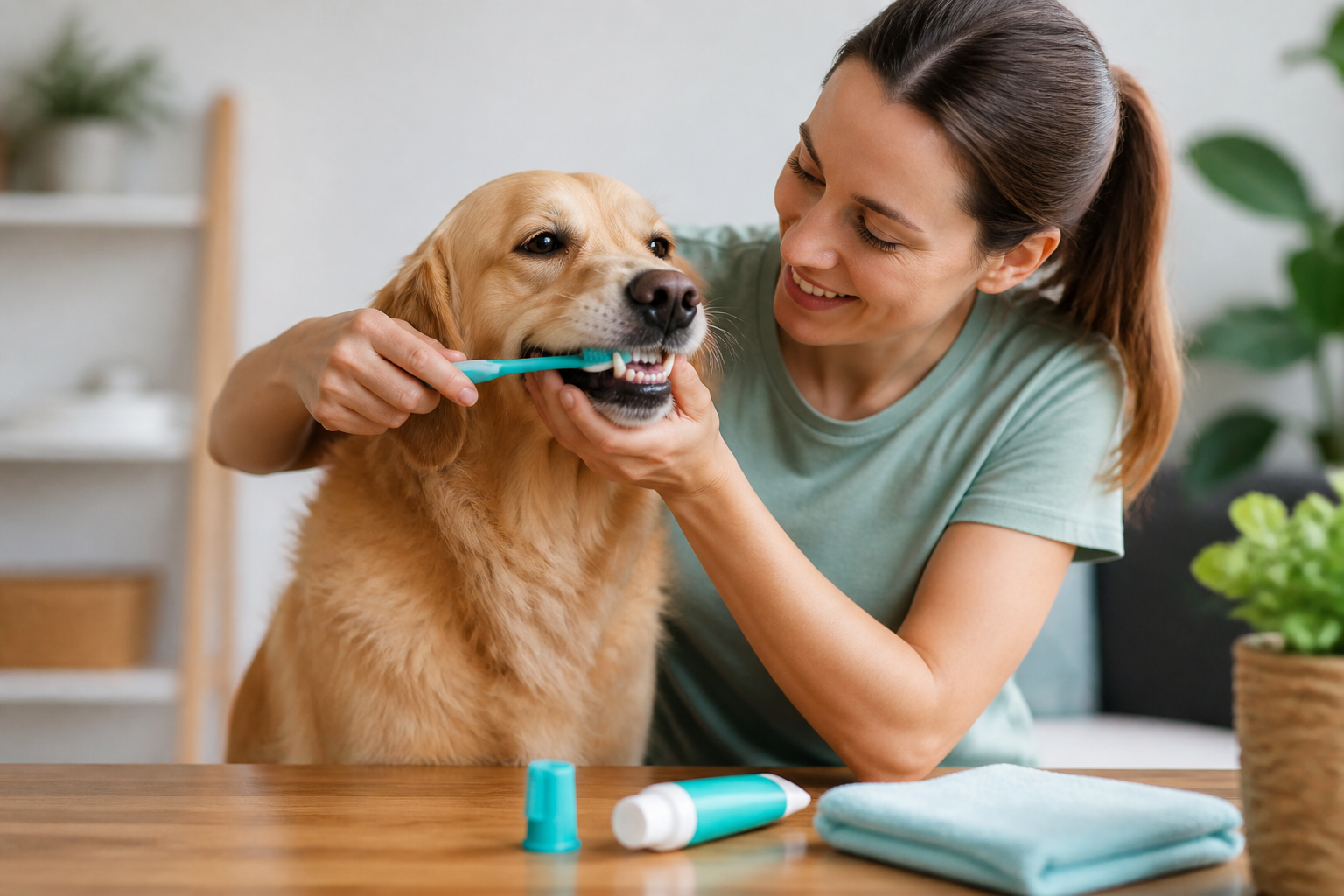
You lean in for a friendly pup kiss and get hit with a wave of surprisingly bad breath. This is a common moment for dog owners that often signals the start of dental trouble. While we often focus on coat care or diet, a dog's mouth needs just as much attention as our own. At BaxterBoo, we believe that dental hygiene is a pillar of overall wellness rather than just a way to fix a smelly mouth. This guide covers the specific tools, pastes, and additives you can use to maintain those pearly whites at home. We will help you choose the right products and build a routine that keeps your dog comfortable. Proper dental care starts with the right supplies and a little bit of patience.
Quick Answer: The best way to clean your dog's teeth is with a pet-specific toothbrush and enzymatic toothpaste designed for animals. You can also use dental wipes, VOHC-approved chews, and water additives to reduce plaque and tartar buildup between brushings.
The Foundation: Pet-Safe Toothpaste
The most important rule of dog dental care is to never use human toothpaste. Our toothpaste often contains xylitol, which is a sweetener that is highly toxic to dogs. It also usually contains foaming agents like sodium lauryl sulfate. These can cause upset stomachs because dogs do not know how to spit after brushing. They swallow everything you put in their mouths.
Instead, you should use enzymatic toothpaste made specifically for pets. Brands like Virbac C.E.T. or Petsmile are popular choices because they do the heavy lifting for you. These pastes contain enzymes that break down plaque and bacteria even if you do not get every single surface with the brush. They also come in flavors dogs actually enjoy, such as poultry, beef, or peanut butter. Browse our dog dental and breath care collection to find pet-safe options.
Why Enzymes Matter
Enzymatic pastes continue to work long after you finish brushing. The enzymes react with the saliva in your dog's mouth to produce a cleaning effect that persists throughout the day. This is helpful for dogs that only tolerate a few seconds of brushing.
- Glucose oxidase: Helps create a natural antibacterial environment.
- Lactoperoxidase: Works to neutralize odor-causing bacteria.
- No-rinse formula: Safe to swallow and requires no rinsing.
Key Takeaway: Enzymatic toothpaste is the most effective tool for at-home cleaning because it chemically breaks down plaque while remaining safe for your dog to swallow.
Choosing the Right Toothbrush
The tool you use to apply the paste is just as important as the paste itself. You have several options depending on your dog's size and how comfortable they are with you touching their mouth. Virbac C.E.T. products include pet dental care tools and toothpaste for building a routine.
Finger Brushes
These are small silicone or plastic caps that slide over your index finger. They have soft bristles on one side. Finger brushes are excellent for puppies or for dogs that are nervous about a long-handled tool. They allow you to feel exactly where you are cleaning, which reduces the chance of poking your dog's gums.
Long-Handled Pet Brushes
These look similar to human toothbrushes but often have angled heads. Some have a dual-head design with a large brush on one end and a small brush on the other. This allows you to clean a large Labrador and a tiny Chihuahua with the same tool. The long handle helps you reach the back molars where tartar builds up most quickly.
360-Degree Brushes
A 360-degree brush has bristles all the way around the head. This design is great because it cleans multiple surfaces of the tooth at once. If your dog tends to wiggle or chew on the brush, a 360-degree model ensures you are still getting some cleaning done even when they are moving.
Dental Wipes for Quick Cleaning
Not every dog will sit still for a full brushing session. If you have a senior dog with sensitive gums or a pet that is highly resistant to brushes, dental wipes are a great alternative. These are pre-moistened pads often textured to help scrub away surface debris.
You simply wrap the wipe around your finger and rub it over the outer surfaces of the teeth. While they do not reach deep into the crevices like bristles do, they are much better than doing nothing. Wipes are also very convenient for travel or for a quick refresh after a particularly smelly meal. For more routine ideas, read these pet dental care tips.
How to Use Wipes Effectively
- Wrap the wipe tightly around your pointer finger.
- Lift your dog's lip gently.
- Rub in a circular motion along the gum line.
- Focus on the upper back teeth.
- Use a fresh wipe for each side of the mouth to avoid spreading bacteria.
Vet Tip: If your dog has red, swollen, or bleeding gums, stop home cleaning and consult your veterinarian. These symptoms can indicate advanced periodontal disease that requires professional treatment under anesthesia.
Dental Chews and Treats
Chewing is a natural behavior for dogs that can actually help clean their teeth. However, not all chews are created equal. You should look for products with the Veterinary Oral Health Council (VOHC) seal. This seal means the product has been scientifically tested and proven to reduce plaque or tartar by a specific amount. You can compare options in our dental treats and chews selection.
How Dental Chews Work
Dental chews like Greenies or Oravet work through mechanical action. As your dog bites down, the texture of the chew scrapes against the tooth surface. Some chews also contain ingredients that help prevent minerals in the saliva from hardening into tartar. See these dental chew ideas for dogs for additional options.
Benefits of Targeted Chewing
- Plaque reduction: Scrapes away soft buildup before it hardens.
- Gum stimulation: Increases blood flow to the gum tissues.
- Mental enrichment: Keeps your dog occupied and reduces stress.
Bottom line: Dental chews are a helpful supplement to brushing, but they should not be the only method you use to clean your dog's teeth.
Water Additives and Oral Sprays
For the busiest pet owners or the most difficult dogs, water additives provide a passive way to improve oral health. These are liquids you add to your dog's daily water bowl. Brands like TropiClean offer additives that are virtually tasteless and odorless.
These products often use ingredients like zinc gluconate or green tea extract to kill bacteria in the mouth. While they cannot remove existing tartar, they are excellent at preventing new plaque from forming. Oral sprays work similarly but are applied directly to the teeth and gums. They are a good "middle ground" for dogs that do not like the sensation of brushing.
Specialized Dental Diets
Sometimes, the food your dog eats can play a role in their dental health. Standard kibble does not necessarily clean teeth, as most dogs swallow it whole or the kibble crumbles too easily. However, specialized dental diets are designed with a specific fiber matrix.
These kibbles are usually larger and do not shatter when bitten. Instead, the tooth sinks into the kibble, allowing the fibers to scrub the surface. We carry premium options like Royal Canin Dental and Farmina Vet Life for dogs with specific health needs.
Our pharmacy carries a variety of prescription pet foods through our partnership with Pet's Choice. If your veterinarian recommends a specific dental diet to manage your dog's oral health, you can easily fulfill that prescription with us. These diets are often part of a long-term plan for dogs prone to rapid tartar buildup.
Dental Toys for Active Cleaning
Toys can be a fun way to sneak in some dental hygiene. Look for toys made of durable rubber with ridges, nubs, or rope fibers. Kong toys and other textured rubber toys are designed to massage the gums and scrape the teeth as the dog plays.
You can even combine tools by smearing a bit of enzymatic toothpaste into the grooves of a dental toy. As your dog licks and chews, they are effectively brushing their own teeth. Rope toys can act like a form of floss, cleaning the spaces between the teeth as the fibers slide through. Always supervise your dog with these toys to ensure they do not swallow any large pieces.
Step-by-Step: Introducing a Dental Routine
You cannot expect your dog to accept a toothbrush overnight. It is a strange sensation that requires a gradual introduction. Follow these steps to make the process easier for both of you. For additional guidance, review this dog dental care guide.
Step 1: Get them used to the taste. / Put a small dab of pet toothpaste on your finger and let your dog lick it off. Do this for a few days so they associate the paste with a treat.
Step 2: Touch the mouth. / While they are licking the paste, gently rub your finger along their gums and teeth. This gets them used to the feeling of your hand near their mouth.
Step 3: Introduce the tool. / Let your dog sniff and lick the brush with toothpaste on it. Do not try to brush yet. Just let them explore the tool.
Step 4: Start brushing slowly. / Lift the lip and brush the front teeth in a circular motion. Keep the first session very short, perhaps only ten seconds.
Step 5: Work toward the back. / Over several weeks, gradually move toward the back molars. These are the most important teeth to clean because they do the most chewing.
Signs You Need a Professional Cleaning
Home care is wonderful for prevention, but it cannot fix everything. Once plaque hardens into tartar (the hard, brown substance), it cannot be brushed away. At that point, your dog needs a professional cleaning by a veterinarian.
Watch for these signs that home care is no longer enough:
- Yellow or brown crust on the teeth near the gum line.
- Persistent foul breath that does not improve with brushing.
- Loose or missing teeth.
- Pawing at the mouth or dropping food while eating.
- Gums that are bright red or bleed easily.
Professional cleanings involve scaling the teeth above and below the gum line while the dog is under anesthesia. This is the only way to ensure the mouth is truly healthy and free of infection.
Essential Dental Care Checklist
To stay on top of your dog's oral health, try to follow this simple checklist. Consistency is more important than perfection.
- Daily: Add a dental water additive to the fresh water bowl.
- Daily or 3 times a week: Brush with enzymatic toothpaste.
- Daily: Provide a VOHC-approved dental chew.
- Weekly: Inspect the mouth for any new redness, lumps, or broken teeth.
- Annually: Schedule a dental exam with your veterinarian.
Key Takeaway: Combining mechanical cleaning (brushing) with chemical prevention (toothpaste and additives) provides the most robust protection against dental disease.
Natural Support and Home Remedies
Some owners look for natural ways to support oral health. While these should never replace brushing, they can be helpful additions. Fresh parsley or mint chopped into food can help freshen breath temporarily.
Coconut oil is another popular option. It has mild antibacterial properties and most dogs love the taste. You can use a small amount of coconut oil on a finger brush if your dog is particularly picky about flavored pastes. However, keep in mind that coconut oil is high in fat, so it should be used sparingly.
Managing Dental Care for Different Life Stages
The tools you use might change as your dog ages. A puppy has different needs than a senior dog with existing health issues.
Puppyhood
Start as early as possible. Puppies lose their baby teeth between four and six months of age. Getting them used to the brush during this time makes adult dental care much easier. Use a very soft finger brush during teething to avoid irritating sore gums.
Adult Dogs
This is the time to be most aggressive with prevention. Most dogs start showing signs of dental disease by age three. Use a sturdy long-handled brush to reach those back molars. If your dog is a heavy chewer, ensure their dental toys are tough enough to handle the pressure.
Senior Dogs
Older dogs may have receding gums or missing teeth. They might also have systemic issues like heart or kidney disease that make dental health even more critical. Use softer brushes or wipes for seniors. If they have trouble chewing hard treats, look for dental gels or water additives instead.
The BaxterBoo Approach to Dental Wellness
At BaxterBoo, we have been helping pet owners care for their companions since 2006. We carry over 500 trusted brands to ensure you have access to the best supplies for every stage of your dog's life. Our selection is handpicked by people who truly care about animal health.
Whether you need a simple finger brush or a specialized prescription diet, we are here to help. We offer competitive pricing and value-added programs like our MVP Rewards programme, where you can earn up to 5% back on your purchases. For items you use every day, like dental chews or toothpaste, our Autoship programme provides recurring delivery and extra savings.
Bottom line: A proactive dental routine is one of the kindest things you can do for your dog, saving them from future pain and saving you from expensive vet bills.
FAQ
Can I use baking soda to clean my dog's teeth? It is generally not recommended to use baking soda because it has a high alkaline content that can upset a dog's stomach if swallowed. It also has a very salty taste that most dogs dislike, making them more resistant to brushing. It is much safer and more effective to use an enzymatic toothpaste designed for pets.
How often do I really need to brush my dog's teeth? Ideally, you should brush your dog's teeth every day to prevent plaque from hardening into tartar. However, we understand that life gets busy. Aiming for at least three times a week can still provide significant benefits and help keep gum disease at bay.
Are bones safe for cleaning a dog's teeth? While some people use raw bones for dental health, they come with risks. Hard bones can cause tooth fractures, and cooked bones can splinter and cause internal injuries. If you choose to use bones, always supervise your dog and consult your vet about which types are safest for your specific breed.
What if my dog absolutely refuses to let me brush their teeth? If brushing is too stressful, do not force it. Instead, use a combination of dental wipes, water additives, and VOHC-approved chews. You can also try dental gels that you simply dab onto the gums, which require less restraint than a full brushing session.






