
 Save 15% on your 1st Autoship learn more

 Email us
 Live Chat
 FAQs
FAQs





Introduction
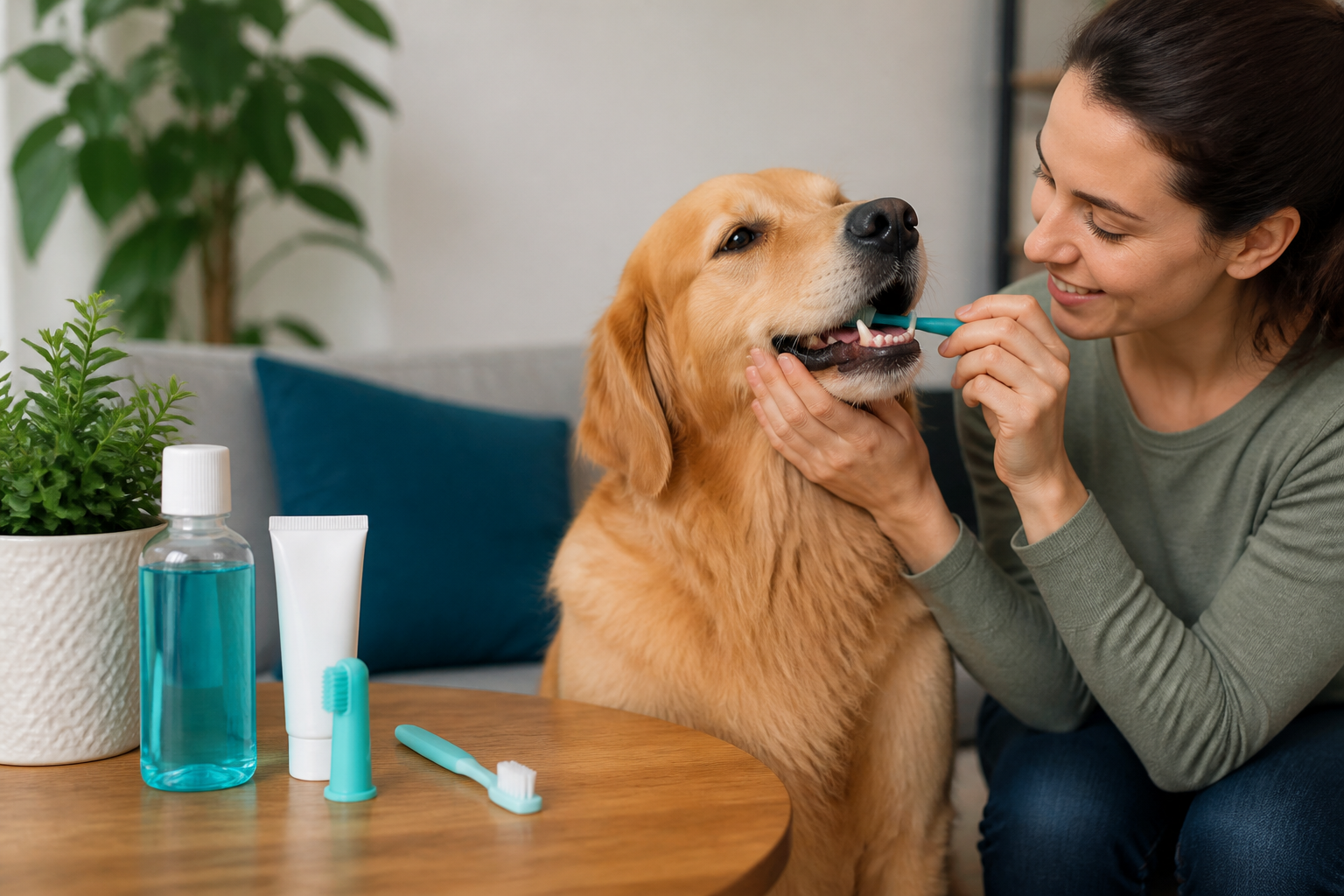
You lean in for a friendly lick or a snuggle, only to be met with a scent that could knock you over. Bad breath is often the first sign that a dog needs better oral care, but the problem goes much deeper than a smell. Plaque and tartar can lead to painful gum disease and even affect your dog's internal organs if left unchecked. At BaxterBoo, we see thousands of pet owners looking for the best ways to keep those pearly whites clean without the stress of a professional procedure every few months. This guide explains exactly what tools, treats, and treatments actually work to maintain a healthy mouth. You will learn about everything from enzymatic toothpaste to prescription diets that can make a real difference.
Quick Answer: The most effective way to clean a dog's teeth is a combination of daily brushing with enzymatic toothpaste and dental-specific chews. For dogs that resist brushing, water additives and dental wipes provide a helpful secondary layer of protection against plaque buildup.
Choosing the Right Dog Toothbrush
The most important tool in your kit is the toothbrush itself. You cannot use a human toothbrush for most dogs because the bristles are often too stiff and the head is the wrong shape for a canine mouth. Dog toothbrushes come in several varieties designed to handle different temperaments and mouth sizes.
Finger Brushes
A finger brush is a small silicone or rubber cap that fits over your index finger. It has soft bristles on one side. These are excellent for puppies or dogs that are nervous about having objects in their mouth. Since you are using your own finger, you have a better sense of how much pressure you are applying.
Long Handled Brushes
These look similar to human brushes but usually have an angled neck. The angle helps you reach the back molars where tartar likes to hide. Many models feature a double ended design with a large brush head on one side and a tiny one on the other. This allows you to clean a Great Dane or a Chihuahua with the same tool.
Three Sided Toothbrushes
If your dog is impatient, a three sided brush can be a lifesaver. These brushes wrap around the tooth to clean the top, front, and back all at once. It significantly cuts down on the time you need to spend brushing. Explore our dog dental care collection for toothbrushes and other oral-care supplies.
Vet Tip: Always check your dog's mouth for redness, bleeding, or loose teeth before you start a brushing routine. If the gums are already inflamed, even a soft brush can cause pain. Consult your veterinarian if you notice any signs of advanced dental disease before starting home care.
Why Dog Toothpaste is Essential
You should never use human toothpaste to clean your dog's teeth. Most human pastes contain fluoride or Xylitol. While fluoride is fine for humans who spit it out, it is toxic to dogs who swallow everything. Xylitol is an artificial sweetener that is deadly to dogs even in small amounts.
Enzymatic Formulas
Most high quality pet toothpastes are enzymatic. This means they contain enzymes that help break down food particles and protein on the surface of the teeth. The best part is that these enzymes keep working even after you stop brushing. You can also review these pet dental care tips for additional brushing guidance.
Flavor Profiles
Unlike our minty fresh preferences, dogs want something that tastes like a snack. Most pastes come in flavors like poultry, beef, peanut butter, or seafood. This makes the experience much more pleasant for the dog. At BaxterBoo, we stock a wide variety of these flavors to help make the training process easier for picky pets.
Effective Dental Chews and Toys
If your dog hates the toothbrush, dental chews are your next best line of defense. These are not just ordinary treats. They are designed with specific textures that act like a squeegee against the tooth surface as the dog bites down. Browse our dental chews and treats for options suited to regular chewing routines.
Mechanical Cleaning Action
When a dog bites into a dense dental treat, the edges of the treat scrape away plaque. Brands like Greenies or RedBarn create shapes that encourage the dog to use their back teeth. This mechanical action is what does the heavy lifting.
Rubber Dental Toys
Toys like the classic Kong or textured rubber bones can also help. Some toys have nubs or grooves specifically designed to massage the gums and clean the teeth. You can even smear a little dog safe toothpaste into the grooves of a toy to get them to "self brush" while they play. For more ideas, see our guide to dental chews for dogs.
Key Takeaway: Dental chews are most effective when they are the right size for your dog. A treat that is too small will be swallowed in one gulp, providing no cleaning benefit. Always choose the size recommended on the packaging.
Water Additives and Oral Rinses
For dogs that are truly difficult to handle, water additives are a low effort solution. These are liquid formulas that you pour directly into your dog's water bowl. They are usually tasteless and odorless to the dog. Our dental supplement selection includes water additives and other products for supporting an oral-care routine.
These additives contain ingredients that help kill the bacteria that cause plaque. They are especially helpful for freshening breath and keeping the bacterial load low in the mouth. While they cannot remove thick tartar that is already there, they are great at preventing new buildup.
Dental Wipes for Quick Cleaning
Sometimes a full brushing session is not possible. Dental wipes are pre moistened pads that you wrap around your finger. You simply swipe them across the outer surfaces of the teeth and gums.
Wipes are great for senior dogs or pets with sensitive mouths. They remove the daily film of bacteria before it can harden into tartar. They are also very portable, making them a good option for travel or busy schedules. If your dog has noticeable symptoms, read what to know about warning signs of bad teeth before relying on home care alone.
Prescription Diets and Specialized Food
The food your dog eats every day plays a massive role in their oral health. While dry kibble is generally better than wet food for dental health, some specialized diets go a step further. We carry several premium brands that focus on this specific need.
How Dental Kibble Works
Standard kibble usually shatters as soon as a dog bites it. Dental specific kibble is often larger and has a fiber structure that does not crumble immediately. This forces the tooth to sink into the kibble, which wipes the surface of the tooth clean.
Our Pharmacy and Prescription Diets
In cases of severe dental issues, your vet might recommend a prescription diet. Through our pet pharmacy, BaxterBoo offers FDA approved medications and prescription pet foods. Brands like Royal Canin and Farmina Vet Life offer specialized dental formulas that are only available with a vet's authorization. These diets often contain minerals that bind to calcium in the saliva, preventing it from turning into hard tartar.
Bottom line: Combining a specialized dental diet with daily chew treats can significantly reduce the amount of plaque that stays on your dog's teeth.
Signs Your Dog Needs a Vet Visit
Home cleaning is preventive, not a cure for existing disease. If your dog already has thick brown buildup or red, swollen gums, a toothbrush will not fix the problem. You should look for these warning signs:
- Excessive drooling
- Dropping food while eating
- Pawing at the face or mouth
- Blood on chew toys or in the water bowl
- Loose or missing teeth
- Lumps or bumps on the gums
If you see these symptoms, schedule an appointment with your veterinarian immediately. They may need to perform a professional cleaning under anesthesia to address the underlying issues. Our pharmacy can then provide any follow up antibiotics or pain medications your vet prescribes.
Step-by-Step Guide to Brushing
If you are new to cleaning your dog's teeth, do not expect a perfect session on day one. It takes time and patience to get them comfortable with the process.
Step 1: Introduce the taste.
Let your dog lick the toothpaste off your finger. Do this for a few days without trying to touch their mouth. This builds a positive association.
Step 2: Touch the teeth.
Once they like the paste, rub your finger along their gums and teeth. Keep it brief and follow up with a reward.
Step 3: Introduce the brush.
Put some paste on the brush and let them lick it. Gently lift the lip and brush just the front teeth in a circular motion.
Step 4: Reach the back.
Gradually move toward the back molars. Focus on the outside of the teeth, as this is where most plaque accumulates. The tongue usually does a good job of keeping the inside surfaces clean.
Step 5: Reward and repeat.
Always end the session with praise or a dental treat. Aim for daily brushing, but even three times a week is much better than nothing.
Supporting Overall Wellness
Dental health is a piece of the larger wellness puzzle. A dog with a clean mouth is less likely to suffer from systemic inflammation. We recommend enrolling in the MVP Rewards programme to earn points on your dental supplies and healthy food. Using our Autoship programme is another great way to ensure you never run out of toothpaste or dental chews, keeping your routine consistent.
Proper oral hygiene requires the right products and a bit of discipline. Whether you choose a high tech toothbrush or a simple water additive, your dog will benefit from the effort. Trust BaxterBoo to help you find the tools you need for a lifetime of healthy smiles.
FAQ
Can I use baking soda to clean my dog's teeth?
While baking soda is not strictly toxic, it is not recommended for dogs. It has a high alkaline content that can upset a dog's stomach if they swallow too much of it. It also lacks the beneficial enzymes found in pet specific toothpaste that help break down plaque more effectively.
How often do I really need to brush my dog's teeth?
Ideally, you should brush your dog's teeth every day to prevent plaque from hardening into tartar. Tartar can begin to form within 24 to 48 hours of eating. If daily brushing is not possible, aim for at least three times a week and supplement with dental chews on the off days.
Are natural bones safe for cleaning teeth?
This is a controversial topic among pet owners and vets. While raw meaty bones can scrape teeth clean, they also carry risks of tooth fractures, choking, or intestinal blockages. Always consult your veterinarian before offering bones, and never give your dog cooked bones as they can splinter and cause internal damage.
Does dry food really keep teeth cleaner than wet food?
Dry food provides a small amount of mechanical cleaning as the dog crunches, whereas wet food can easily stick to the teeth and gums. However, standard dry kibble is not a substitute for brushing. Only specifically formulated dental diets have the proven ability to significantly reduce plaque and tartar buildup.






