
 Save 15% on your 1st Autoship learn more

 Email us
 Live Chat
 FAQs
FAQs





Introduction
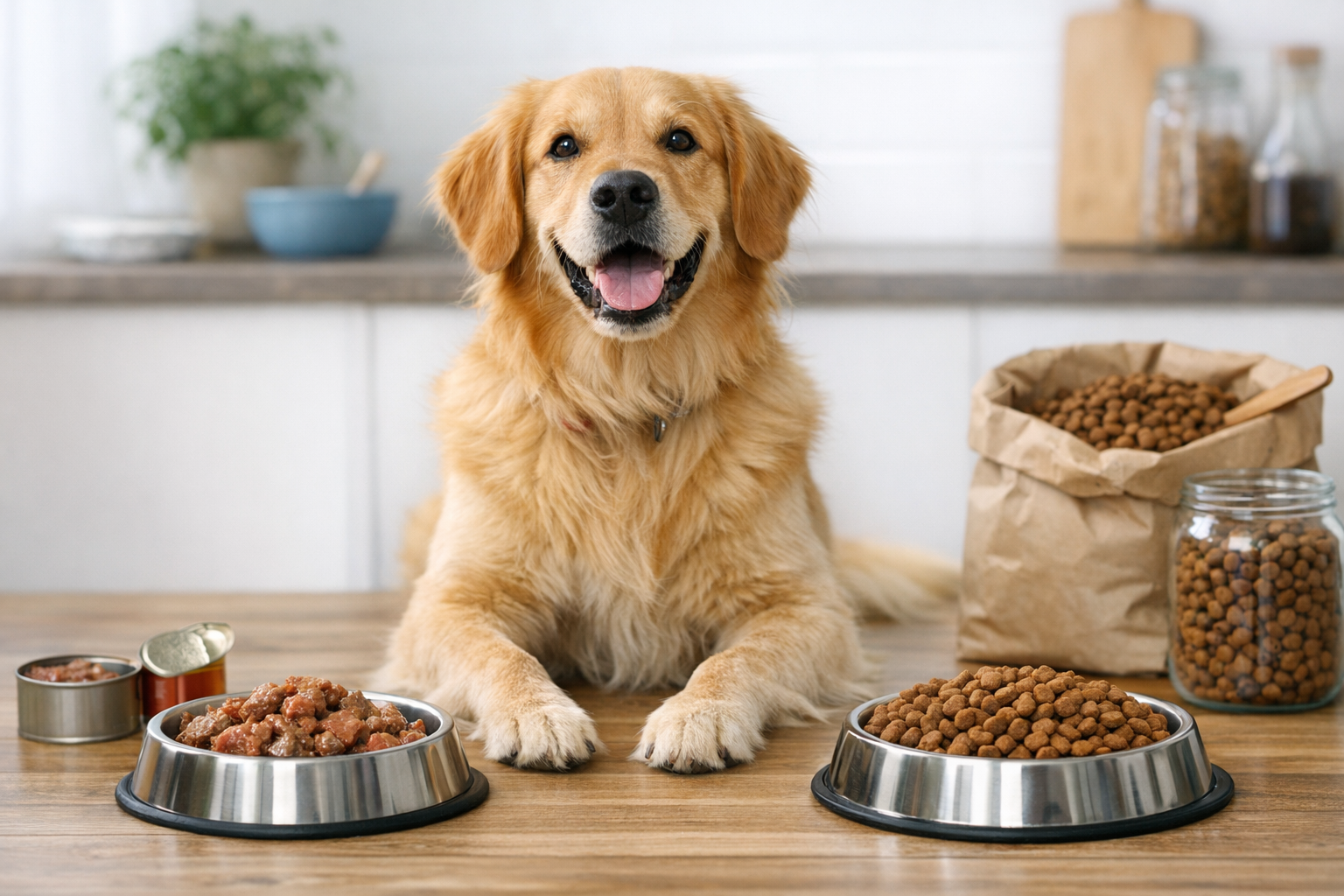
Standing in a pet food aisle or scrolling through endless pages of options can feel like a major challenge. You want the best for your dog, but the choice between a heavy bag of kibble and a stack of colorful cans is not always clear. At BaxterBoo, we talk to pet owners every day who are trying to balance nutrition, cost, and what their dog actually wants to eat. This guide looks at the specific pros and cons of both wet and dry dog food to help you decide which fits your lifestyle and your pet's health requirements. While both options provide complete nutrition, they serve very different purposes for different types of dogs. Choosing the right one depends on your dog's age, dental health, and daily activity levels.
The Core Differences Between Wet and Dry Food
The most obvious difference between these two types of food is the texture. However, the differences go much deeper than just how they feel in the bowl. The way these foods are made changes how they deliver nutrients and how your dog’s body processes them.
Dry dog food, commonly called kibble, is made through a process called extrusion. Ingredients like meat, grains, and vegetables are mixed into a dough and then cooked under high pressure. This dough is pushed through a machine that cuts it into specific shapes. After the kibble is dried, it is often sprayed with fats and vitamins to ensure it is both tasty and nutritionally complete. This process results in a product that is roughly 10 percent moisture.
Wet dog food is processed very differently. The ingredients are ground up and mixed with a gravy or gel that contains essential vitamins and minerals. This mixture is then sealed in cans, pouches, or trays and sterilized using heat. This process preserves the food without needing the same types of binders used in dry food. Wet food typically contains between 75 and 80 percent moisture, which is a massive jump from the dry version. If you want to browse options, start with our dog food category or narrow it down to our wet dog food collection.
Quick Answer: Neither food is universally better. Dry food is often more convenient and supports dental health, while wet food provides superior hydration and is usually more appealing to picky eaters.
Why Pet Owners Choose Wet Dog Food
Wet food is a favorite for dogs that are a bit more selective about their meals. The high moisture content allows the natural aromas of the meat and fats to be much stronger. If you have a senior dog whose sense of smell is fading, the rich scent of canned food can be the difference between them eating or skipping a meal.
Superior Hydration
For dogs that do not drink enough water from their bowls, wet food is an excellent way to boost hydration. This is particularly helpful for dogs with a history of urinary tract issues or kidney concerns. When a dog eats a diet high in moisture, their kidneys do not have to work quite as hard to process waste.
Ease of Chewing
As dogs age, they often develop dental sensitivities or lose teeth. Crunching down on hard kibble can be painful for these pets. Wet food has a soft, uniform texture that requires very little effort to swallow. It is also an ideal choice for puppies that are still developing their adult teeth and may find hard kibble too difficult to manage. For younger dogs, our Puppy Shop is a helpful place to start.
Helping with Weight Management
This might seem counterintuitive because wet food smells so rich, but it can actually help with weight loss. Because it is so high in water, wet food is less calorie-dense by volume than dry food. A dog can eat a larger portion of wet food and feel physically full while consuming fewer calories than they would from a smaller scoop of kibble. This is a great strategy for dogs that always seem hungry.
Key Takeaway: Wet food is a functional tool for hydration and palatability, making it a top choice for seniors, puppies, and dogs with specific health struggles.
The Advantages of Dry Dog Food
Dry food remains the most popular choice for most households in the United States. It offers a level of convenience and cost-effectiveness that wet food simply cannot match. For busy families and dogs that like to graze, kibble is often the most practical solution.
Dental Health Benefits
One of the most cited benefits of dry food is its ability to help keep teeth clean. The mechanical action of chewing hard kibble can help scrape away plaque before it hardens into tartar. Some brands, like our selection of Royal Canin products or our selection of Orijen products, even design specific kibble shapes to maximize this scraping effect. While it does not replace regular veterinary dental cleanings, it provides a daily boost to oral hygiene.
Convenience and Storage
Dry food is much easier to manage than canned food. You can buy it in large bags that last for weeks, and it does not require refrigeration after the bag is opened. This makes it ideal for owners who use automatic feeders or for dogs that prefer to eat small amounts throughout the day. It is also much easier to travel with, as you do not have to worry about messy cans or keeping leftovers cold.
Cognitive and Physical Enrichment
Because kibble is small and dry, it works perfectly with enrichment toys. You can put dry food into a Kong, a snuffle mat, or a puzzle feeder to make your dog work for their meal. This provides mental stimulation that helps prevent boredom and anxiety. Wet food is much harder to use in these types of devices without making a significant mess.
Value for Money
On a per-calorie basis, dry food is almost always more affordable than wet food. Since you are not paying for the weight of the water, a single bag of high-quality kibble provides more meals for your dollar. For owners of large breeds, feeding a 100 percent wet food diet can become very expensive very quickly. If value is a big factor, our dry dog food collection is worth exploring.
Vet Tip: If you choose dry food specifically for dental health, look for the VOHC (Veterinary Oral Health Council) seal on the packaging to ensure the product has been tested for its plaque-fighting abilities.
When Health Needs Dictate the Choice
Sometimes the choice between wet and dry food is not about preference or price. It is about medical necessity. If your dog has a chronic health condition, your veterinarian might recommend a specific type of diet to manage their symptoms.
For example, dogs with kidney disease often require a diet that is low in phosphorus and high in moisture. In these cases, a prescription wet food is often the standard. Conversely, a dog with severe obesity might benefit from a high-fiber dry food that helps them feel full without adding excess fat.
Our pharmacy for dogs offers prescription medication and related support for a range of health concerns, and it can be a helpful next stop if your veterinarian has specific recommendations. Prescription foods are formulated to treat specific medical issues and should only be used under the guidance of a professional.
Vet Tip: Never switch your dog to a prescription diet or a radically different food type without consulting your vet, especially if your dog has underlying issues like diabetes or heart disease.
The Best of Both Worlds: Mixing Wet and Dry
You do not actually have to choose just one. Many pet owners find that a combination of both provides the most benefits. This approach is often called "mixed feeding" or "topping."
Benefits of Mixing
- Added Variety: Mixing a little wet food into kibble adds new textures and flavors, which keeps your dog interested in their meals.
- Improved Hydration: You get the dental benefits of the dry food while still sneaking extra moisture into your dog's system.
- Cost Control: Using wet food as a "topper" rather than a full meal allows you to stretch your budget while still giving your dog a treat.
How to Mix Correctly
The biggest risk with mixing is overfeeding. Wet food and dry food have different calorie counts. If you simply add a half-can of wet food to your dog's regular scoop of kibble, they will likely gain weight. You must reduce the amount of dry food to account for the calories in the wet food.
- Check the calorie counts on both labels.
- Determine how many calories your dog needs daily.
- Calculate the ratio (for example, 75 percent calories from dry and 25 percent from wet).
- Use a consistent measuring cup for the kibble.
If mixed feeding becomes part of your routine, our Autoship programme can make repeat orders easier to manage.
Key Takeaway: Mixing food is an excellent way to increase palatability and hydration without the high cost of a 100 percent wet food diet.
Considering Your Dog's Life Stage
Your dog's nutritional needs will shift as they grow. What worked for them as a puppy might not be the right choice when they reach their senior years.
Puppies
Puppies have small stomachs and high energy needs. They need calorie-dense food to support their rapid growth. While they can eat either wet or dry food, many owners start with a mix. The soft wet food is easy on their developing teeth, while the kibble helps them get used to different textures.
Adults
Most healthy adult dogs do well on high-quality dry food. Brands like NutriSource, Acana, and Orijen provide excellent balance for dogs with normal activity levels. If your adult dog is highly active or participates in sports, they may need the higher fat content often found in premium kibbles.
Seniors
Senior dogs often face a decline in appetite and dental health. This is the stage where wet food really shines. The strong aroma can stimulate a fading appetite, and the soft texture is easier on aging gums. Additionally, older dogs are more prone to dehydration, making the moisture in wet food very valuable. If you want to compare formulas, our selection of NutriSource products is a practical place to begin.
Comparing the Ingredients
When you look at a label, you might notice that the protein percentage on a bag of dry food is much higher than the percentage on a can of wet food. This can be misleading. Dry food percentages are calculated based on the total weight, which includes very little water. Wet food percentages look lower because the water takes up so much of the weight.
To truly compare the two, you have to look at them on a "dry matter basis." This means calculating the nutrients after all the water is removed. When you do this math, you will often find that wet food actually has more protein and fewer carbohydrates than dry food. Dry food requires starches and grains to hold the kibble shape, whereas wet food can be mostly meat and fat.
What to Look for on the Label
- Identified Meat Sources: Look for "chicken" or "beef" rather than "meat by-products."
- AAFCO Statement: Ensure the food is "complete and balanced" for your dog's life stage.
- Limited Fillers: Avoid foods that list corn, wheat, or soy as the primary ingredients if your dog has sensitivities.
How to Transition Your Dog’s Diet
If you decide to switch from dry to wet (or vice-versa), you must do it slowly. A sudden change in food is the fastest way to give your dog an upset stomach or diarrhea. Their digestive system needs time to adjust to the new levels of moisture, protein, and fiber.
We recommend a transition period of at least seven to ten days. This gradual shift allows the beneficial bacteria in your dog's gut to adapt.
Step 1: Start the mix. / Fill the bowl with 75 percent of the old food and 25 percent of the new food for the first three days. Step 2: Move to a half-and-half split. / If your dog's stool remains firm, move to a 50/50 mix for the next three days. Step 3: Increase the new food. / Shift to 75 percent of the new food and 25 percent of the old food for days seven through nine. Step 4: Complete the switch. / By day ten, you can serve 100 percent of the new food.
Watch your dog closely during this time. If you notice any vomiting or very soft stools, slow the transition down and stay at the current ratio for a few more days. For another take on the same topic, see how to mix dry dog food with wet.
Storage and Safety Tips
Proper storage is vital for maintaining the nutritional value of your dog's food and preventing illness.
For dry food, keep the kibble in its original bag. These bags are designed to keep out moisture and air. You can place the entire bag inside an airtight plastic container for extra protection. Store it in a cool, dry place. Avoid keeping it in the garage where temperature fluctuations can cause the fats in the food to go rancid.
For wet food, unopened cans should be stored in a pantry. Once you open a can, any leftovers must be covered and refrigerated immediately. Use a silicone can cover to keep the food from drying out or smelling up your fridge. Most canned food stays fresh for only three days after opening. If your dog does not finish their wet food in the bowl within 30 to 60 minutes, you should throw it away to prevent bacterial growth.
Environmental Impact
While it may not be the primary factor in your decision, the environmental impact of your dog's food is worth considering. Dry food generally has a lower carbon footprint because it is lighter to ship and uses less packaging per meal. Cans are highly recyclable, but the weight of the water inside makes transportation more energy-intensive. Some modern wet food brands are moving toward BPA-free pouches or tetra-paks to reduce waste and weight.
Conclusion
There is no single "winner" in the debate between wet and dry dog food. Dry food offers unmatched convenience, dental benefits, and value, making it a staple for most homes. Wet food provides the essential hydration and high palatability that can be life-changing for seniors or picky eaters. Many owners find that the best approach is a thoughtful combination of both.
At BaxterBoo, we carry over 500 trusted brands to ensure you can find the perfect fit for your dog's unique needs. Whether you choose the crunch of premium kibble or the rich aroma of gourmet cans, the goal is always a healthy, happy pet. If you want to keep earning perks while you stock up, take a look at the MVP Rewards programme and our pet insurance option with Figo.
- Evaluate your dog's specific health needs and dental status.
- Consider your budget and the convenience of storage.
- Use wet food as a topper if you want the benefits of both.
- Always transition to a new food slowly over 10 days.
Bottom line: Focus on the quality of ingredients first, then choose the format that best fits your dog's lifestyle and health goals.
FAQ
Can I leave wet dog food out all day like I do with kibble? No, wet food should never be left out for more than an hour. Because of its high moisture content, it becomes a breeding ground for bacteria very quickly at room temperature. If your dog is a "grazer" who likes to eat small amounts throughout the day, dry kibble is a much safer and more practical option.
Is it true that wet food causes more dental problems? Wet food does not actively cause dental disease, but it lacks the abrasive texture that helps scrape plaque off teeth. Dogs on an all-wet diet may accumulate tartar faster than those on a dry diet. If you feed only wet food, it is even more important to maintain a regular tooth-brushing routine and provide dental chews to keep their gums healthy.
Why is my dog suddenly refusing their dry food but eating wet food? This change often signals a health issue, such as dental pain or a declining sense of smell. It could also mean your dog has simply become a "picky eater" after being bored with the same kibble. You should consult your veterinarian to rule out tooth decay, gum disease, or other internal health problems before assuming it is just a preference.
Is dry food more processed than wet food? Both types of food are processed to ensure they are safe and shelf-stable, but they use different methods. Dry food undergoes high-heat extrusion to create kibble, while wet food is sterilized inside the can. While "processing" sounds negative, these methods are what allow the food to be nutritionally complete and free from harmful pathogens like Salmonella or E. coli.






