
 Save 15% on your 1st Autoship learn more

 Email us
 Live Chat
 FAQs
FAQs





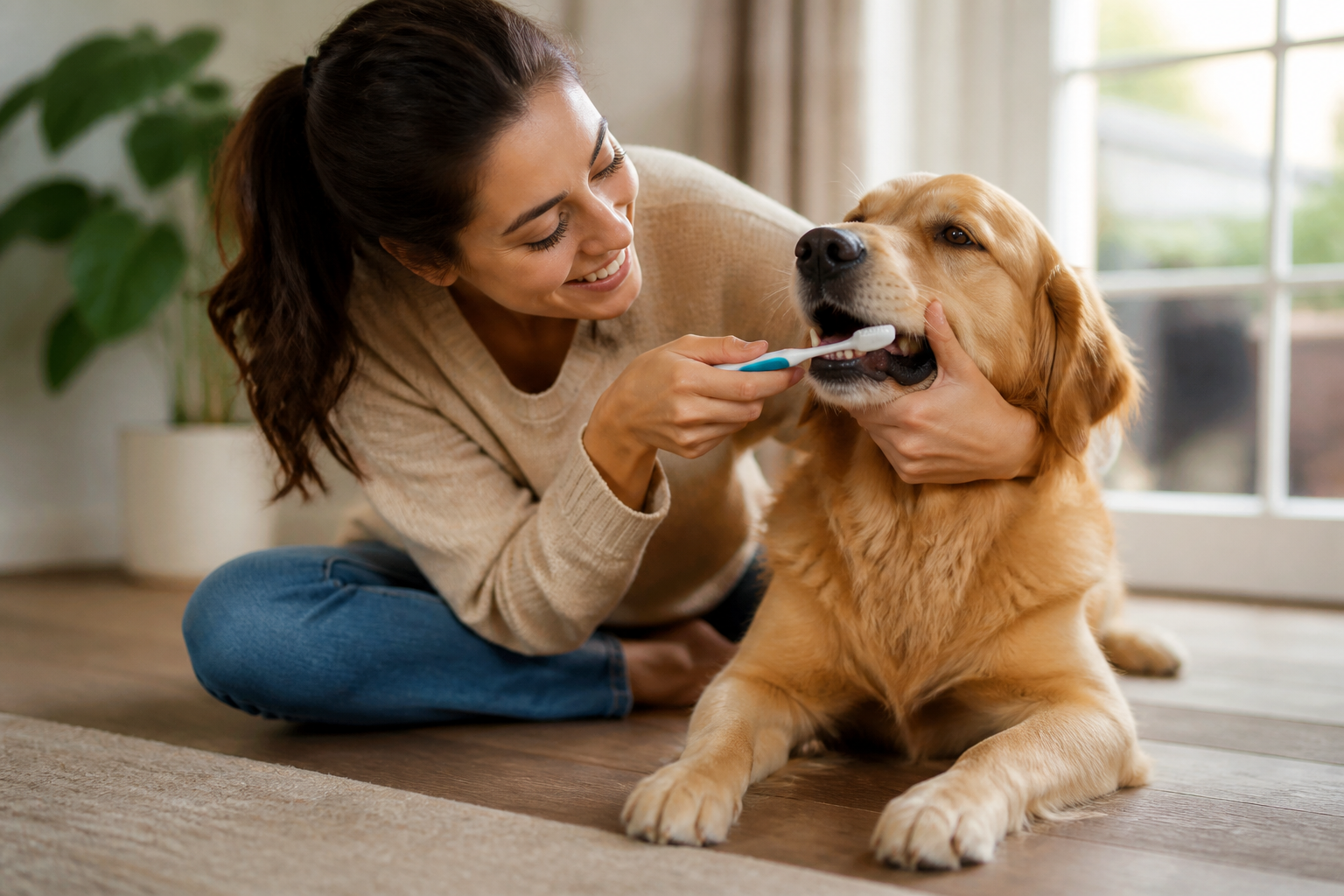
Introduction
You are sitting on the couch when your dog leans in for a greeting, but the smell of their breath stops you in your tracks. While "dog breath" is a common joke among owners, a foul odor is often the first sign of a health problem. Dental hygiene is a cornerstone of overall wellness for your pet. At BaxterBoo, we know that many owners feel overwhelmed by the variety of dental products available today. This article explains the most effective ways to maintain oral health, from the best brushing techniques to supplemental treats. We will cover how to build a routine that prevents plaque and when it is time to call your veterinarian. A clean mouth helps your dog live a longer, more comfortable life.
The Gold Standard: Brushing Your Dog’s Teeth
Brushing is the most effective way to remove plaque before it hardens into tartar. Plaque is a sticky film of bacteria that forms on the teeth after eating. If it stays on the tooth for more than 48 hours, it begins to mineralize into tartar. Once tartar forms, you cannot brush it away at home. Only a professional veterinary cleaning can remove it.
You must use a toothpaste specifically formulated for dogs. Human toothpaste often contains xylitol, which is highly toxic to pets. It also contains foaming agents meant to be spit out, which can upset a dog's stomach. Dog toothpaste comes in flavors like poultry, beef, or peanut butter to make the experience more enjoyable. A product such as Nutri-Vet Dog Toothpaste is formulated specifically for dogs and can be used as part of a regular brushing routine.
Choosing the Right Tools
The type of brush you use depends on your dog's comfort level and the size of their mouth. A standard dog toothbrush has a long handle and angled bristles to reach the back molars. If your dog is small or nervous, a finger brush might be better. These are soft silicone caps that fit over your pointer finger, allowing you to feel exactly where you are cleaning. You can compare brushes, pastes, wipes, and other options in our dog dental and breath care category.
A Step-by-Step Brushing Routine
Step 1: Introduce the flavor. / Let your dog lick a small amount of toothpaste off your finger. This builds a positive association with the paste before you ever touch their teeth.
Step 2: Touch the mouth. / Gently lift your dog's lips and rub your finger along their gums. Reward them with praise or a small treat.
Step 3: Introduce the brush. / Put a dab of paste on the bristles and let the dog lick it. Slowly move the brush in a circular motion on the front teeth.
Step 4: Focus on the outside. / Most plaque accumulates on the cheek side of the teeth. You do not need to worry as much about the tongue side, as a dog's saliva and tongue movement help keep those surfaces cleaner.
Step 5: Increase duration. / Aim for 30 to 60 seconds of brushing. If your dog gets restless, stop and try again tomorrow. Consistency is more important than perfection in the beginning.
Quick Answer: Brushing is the single best way to prevent dental disease. You should use dog-specific toothpaste and aim to brush at least three times per week, though daily is best for preventing tartar buildup.
For additional guidance, read these pet dental care tips.
Dental Chews and Treats
Not every dog will sit still for a toothbrush. Dental chews are a popular alternative that work through mechanical action. As your dog chews, the texture of the treat scrapes against the surface of the tooth. This action helps wipe away soft plaque. Our dog dental chews offer options for dogs who need a supplemental approach.
When shopping for chews, look for the Veterinary Oral Health Council (VOHC) seal of approval. This seal means the product has been tested and proven to reduce plaque or tartar by a specific percentage. We carry several VOHC-approved brands like Greenies that provide this targeted cleaning.
How Dental Chews Work
Most dental treats are designed with ridges and nubs that reach into the gaps between teeth. They are also formulated to be highly digestible. Some chews contain active ingredients like hexametaphosphate, which helps prevent minerals in saliva from bonding to plaque.
It is important to match the size of the chew to your dog. A treat that is too small can be swallowed whole, which poses a choking hazard and provides no dental benefit. A treat that is too large might add too many calories to their daily diet. For a specific option, Greenies Dental Dog Chew - Fresh is available in multiple sizes.
The Limitation of Chews
While chews are helpful, they are not a complete replacement for brushing. They mostly focus on the premolars and molars used for chewing. The incisors at the front of the mouth often get missed. Use chews as a supplement to your dog's routine rather than the only solution.
Key Takeaway: Dental chews help reduce plaque through mechanical scraping, but they should be used alongside other cleaning methods for a full-mouth clean.
You can also review warning signs of bad teeth in dogs to better understand when home care may not be enough.
Natural Options and Dietary Choices
Some owners prefer to use fresh foods or specific diets to help with dental hygiene. While diet alone rarely solves dental problems, certain choices can support a healthy mouth.
Raw Vegetables
Carrots and apple slices are often cited as natural toothbrushes. The firm, crunchy texture of a raw carrot requires significant chewing. This can help scrape off some surface debris. Apples work similarly, but you must remove all seeds and the core first.
While these are healthy, low-calorie snacks, they lack the specialized textures and enzymes found in dedicated dental products. They should be viewed as treats rather than primary cleaning tools.
Dry Food vs. Wet Food
There is a common belief that dry kibble cleans teeth better than wet food. The idea is that the crunching action scrapes the teeth. However, most kibble is small and brittle. It tends to shatter upon contact with the tooth, providing very little abrasive action.
Some prescription dental diets are different. These larger kibble pieces have a specific fiber matrix that does not shatter. Instead, the tooth sinks into the kibble, allowing the fibers to scrub the tooth surface all the way to the gum line.
The Role of Raw Bones
Raw, meaty bones can be effective at cleaning teeth. The act of gnawing on a bone provides excellent mechanical scaling. However, bones come with risks. Cooked bones are strictly forbidden because they splinter and can cause internal damage. Even raw bones can be problematic if they are too hard.
Vet Tip: Never give your dog weight-bearing bones from large animals like cows, as these can fracture your dog's teeth. If you choose to use bones for dental health, always supervise your dog and consult your vet about the safest options for your specific breed.
Water Additives and Dental Wipes
If your dog is completely resistant to brushing and picky about treats, you might consider water additives or dental wipes. These are low-effort options that still provide some benefit to the oral environment.
Water Additives
These are liquid solutions you pour directly into your dog's water bowl. They usually contain enzymes or anti-bacterial agents that help kill the bacteria responsible for plaque and bad breath. They are tasteless and odorless for most dogs. A product such as Zymox Oratene Brushless Enzyme Dog and Cat Oral Care Water Additive can be added to your dog's routine.
Water additives are excellent for maintaining the health of the gums and reducing the overall bacterial load in the mouth. They are especially useful for senior dogs or pets with underlying health conditions that make frequent handling difficult.
Dental Wipes
Dental wipes are textured pads that you rub over the surface of the teeth and gums. They are easier to use than a toothbrush for many owners. While they cannot reach into the deep grooves of the molars, they are very effective at cleaning the flat surfaces of the front teeth and canines.
Wipes are a great middle ground for dogs that do not like the sensation of bristles. They allow you to remove daily film without the struggle of a brush.
| Method | Effectiveness | Ease of Use |
|---|---|---|
| Brushing | High | Moderate/Difficult |
| Dental Chews | Moderate | Very Easy |
| Water Additives | Low/Moderate | Very Easy |
| Dental Wipes | Moderate | Easy |
| Professional Cleaning | Very High | Requires Vet Visit |
Recognizing the Signs of Dental Disease
Even with a good home routine, you should regularly inspect your dog's mouth. Dogs are experts at hiding pain. Often, they will continue to eat normally even if they have a painful tooth or infected gums.
What to Look For
- Persistent Bad Breath: While breath is not usually minty, it should not be offensive. A rotting smell often indicates infection.
- Discolored Teeth: Healthy teeth are white. Yellow or brown buildup near the gum line is tartar.
- Red or Swollen Gums: This is a sign of gingivitis. Gums should be a healthy pink color.
- Bleeding: You might notice blood on a chew toy or in the water bowl.
- Changes in Eating Habits: Dropping food, chewing on only one side of the mouth, or avoiding hard treats can indicate oral pain.
- Excessive Drooling: A sudden increase in saliva can be a response to mouth irritation.
If you notice these signs, a vet visit is necessary. Left untreated, dental infections can lead to tooth loss. More seriously, bacteria from the mouth can enter the bloodstream and cause damage to the heart, liver, and kidneys.
Vet Tip: If your dog has significant tartar buildup or red, receding gums, home brushing may actually be painful for them. See your veterinarian for a professional assessment before starting a new brushing routine if you suspect dental disease.
Professional Care and the BaxterBoo Pharmacy
Home care is designed to prevent disease, but it cannot treat existing conditions. Most dogs will eventually need a professional dental cleaning. This procedure is performed under general anesthesia to allow the vet to clean below the gum line and take X-rays.
X-rays are critical because most dental disease happens where you cannot see it. A tooth may look healthy on the surface but have a painful abscess at the root.
Prescription Dental Support
For dogs with chronic dental issues or advanced periodontal disease, your vet may prescribe specific medications or diets. Our pet pharmacy offers a streamlined way to get these items delivered to your door. Through our partnership with Pet's Choice, we provide FDA-approved medications and prescription diets like Farmina Vet Life that support oral health.
If your vet recommends a prescription dental food, you can easily manage those orders through us. This ensures your dog never misses a meal of the food they need to stay healthy.
The Role of Anesthesia
Many owners worry about anesthesia, especially for senior dogs. However, modern veterinary medicine uses advanced monitoring and tailored protocols to make the process very safe. Anesthesia is necessary for a thorough cleaning because it allows the vet to use ultrasonic scalers and hand instruments safely. It also ensures the dog is not stressed or in pain during the procedure.
Key Takeaway: Professional cleanings are a necessary part of a long-term health plan. They address the issues that home care cannot reach, specifically below the gum line and at the tooth roots.
Building a Sustainable Routine
The best way to clean your dog's teeth is to use a combination of methods. No single product is a silver bullet. A multi-layered approach ensures that you are attacking plaque from every angle.
A Weekly Schedule Example
- Daily: Add a dental solution to the water bowl. Give one VOHC-approved dental chew.
- Monday, Wednesday, Friday: Brush the teeth for one minute using enzymatic toothpaste.
- Sunday: Do a quick mouth check. Look for any new redness or broken teeth.
For repeat-purchase dental supplies, our Autoship programme can help you keep regularly used items on schedule.
Staying Consistent
It is easy to start a routine and let it slide after a week. To stay on track, link dental care to another habit. Brush your dog's teeth right after you brush your own, or give them their dental chew at the same time every day.
If your dog is resistant, don't force it. Take a step back and spend more time on the positive reinforcement stages. The goal is for the dog to see dental care as a rewarding part of their day.
Bottom line: A combination of frequent brushing, dental treats, and annual veterinary checkups is the most effective way to manage your dog's oral hygiene.
Conclusion
Cleaning your dog's teeth does not have to be a chore. By understanding the tools available, you can choose a path that fits your lifestyle and your dog's personality. Start with brushing as your primary defense. Supplement that effort with high-quality dental chews and water additives from BaxterBoo. Always pay attention to changes in your dog's breath or behavior, and keep up with your regular veterinary exams. Our pharmacy and Pet's Choice partnership are here to support you if your dog ever needs prescription-level care. Investing a few minutes a day in your dog's dental health can prevent pain and expensive procedures in the future.
- Brush with dog-safe toothpaste several times a week.
- Use VOHC-approved dental chews for mechanical cleaning.
- Monitor for signs of gum disease like redness or bad breath.
- Schedule annual professional dental exams with your vet.
Key Takeaway: Consistent home care combined with professional veterinary oversight is the only way to ensure your dog stays free from dental pain and related systemic health issues.
For all your dental care needs, from toothbrushes and enzymatic pastes to VOHC-approved treats, explore our full collection of dog dental supplies. You can also set up an Autoship order for your favorite chews to ensure you never run out and earn MVP Rewards on every purchase.
FAQ
Can I use baking soda to clean my dog’s teeth?
While baking soda is not toxic in very small amounts, it has a high alkaline content that can upset a dog's stomach if swallowed. It also has a salty taste that most dogs dislike, making them more resistant to brushing. It is always better to use a flavored, enzymatic toothpaste designed specifically for dogs to ensure safety and cooperation.
How often do dogs really need their teeth cleaned?
At home, you should aim to brush your dog's teeth daily, or at least three times per week. Professionally, most dogs benefit from a veterinary cleaning once every year. Some small breeds or dogs prone to dental issues may need a professional cleaning every six months to prevent tooth loss and infection.
My dog hates the toothbrush. What else can I do?
If brushing is a struggle, try using dental wipes or a silicone finger brush, which are often less intimidating. You can also rely more heavily on VOHC-approved dental chews and water additives. While these are not as effective as brushing, they are much better than doing nothing at all and will help slow down plaque accumulation.
Why is my dog's breath still bad after brushing?
If your dog's breath remains foul despite regular brushing, they likely have tartar buildup or an infection below the gum line. Brushing only cleans the surface and cannot fix existing dental disease. You should consult your veterinarian for a professional exam to check for abscesses, gum disease, or other underlying health issues that can cause chronic bad breath.






