
 Save 15% on your 1st Autoship learn more

 Email us
 Live Chat
 FAQs
FAQs





Introduction
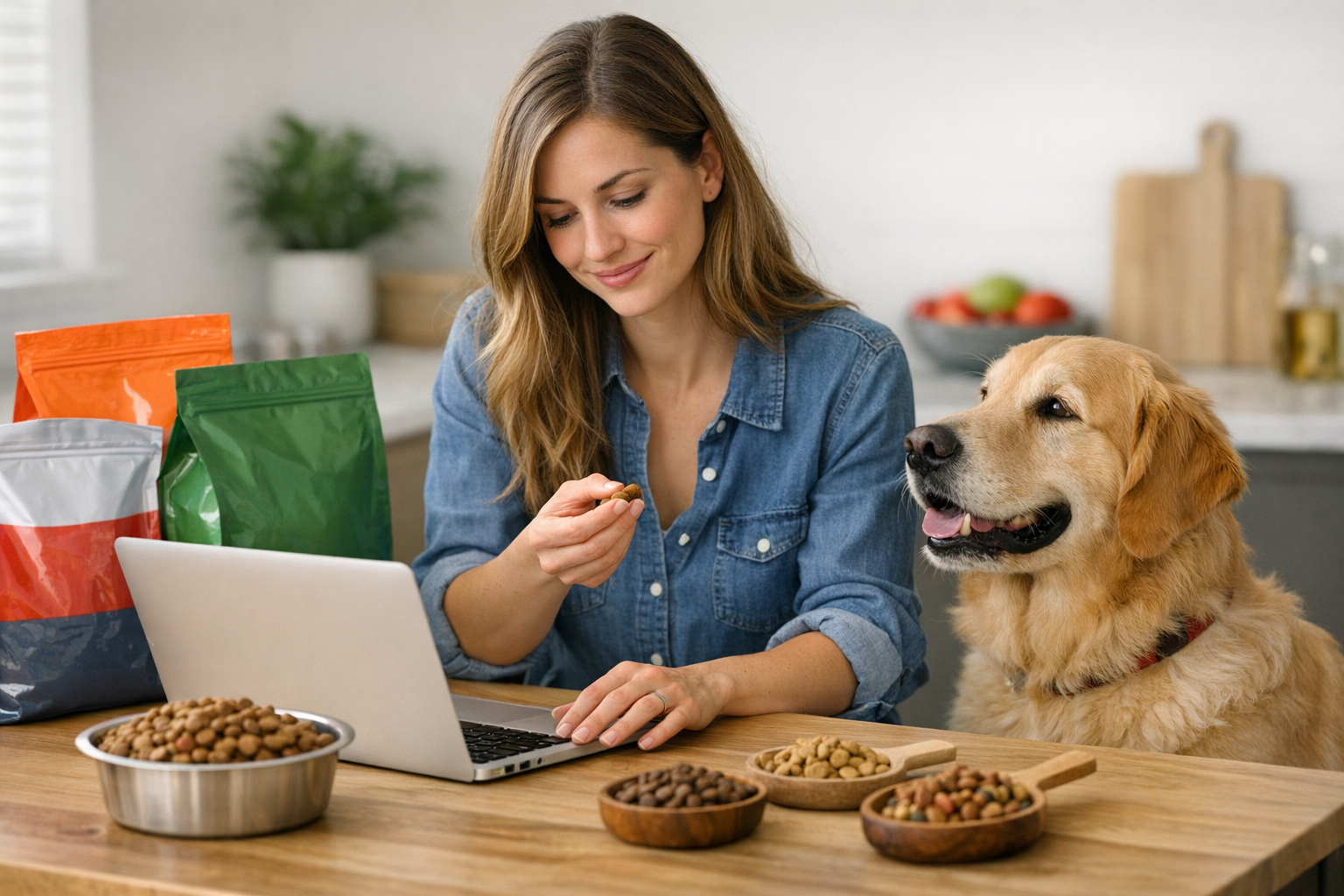
You are likely standing in a pet store aisle or scrolling through dozens of browser tabs, feeling a bit defeated by the wall of colorful bags. Every brand claims to be the healthiest. Every label uses buzzwords like natural, premium, or superfood. At BaxterBoo, we have helped thousands of pet owners navigate these choices since 2006. We know that the best food is not necessarily the most expensive one on the shelf. It is the one that meets your dog’s specific life stage, activity level, and health requirements while staying within your budget. This guide will help you cut through the marketing noise to identify high quality ingredients and nutritional standards. Our goal is to help you find a dry food that keeps your dog’s coat shiny, their energy high, and their digestion smooth.
Understanding Nutritional Standards and AAFCO
Before you look at the fancy pictures of steak and sweet potatoes on a bag, look for the fine print. The most important piece of information on any dog food label is the AAFCO nutritional adequacy statement. The Association of American Feed Control Officials (AAFCO) sets the nutritional standards for pet foods in the United States. They do not approve food, but they provide the benchmarks that companies must meet to call their food complete and balanced.
A complete and balanced food contains every single nutrient your dog needs in the correct ratios. If a bag does not have this statement, it is intended for supplemental feeding only. This means it should be a treat or a topper, not the main meal. Most dry kibble will state if it is for adult maintenance, growth, or all life stages. Choosing the right one ensures your dog is not getting too much or too little of essential minerals like calcium and phosphorus.
Key Takeaway: Always verify that your dog's dry food has an AAFCO statement confirming it is a complete and balanced diet for their specific life stage.
Choosing Based on Life Stage
A puppy has vastly different needs than a senior dog. Feeding the wrong formula can lead to developmental issues or unwanted weight gain. Most reputable brands that we carry, like our selection of NutriSource products or our selection of Open Farm products, offer specific recipes tailored to these life chapters.
Puppies and Growth Formulas
Puppies are building bone, muscle, and brain tissue at a rapid rate. They require more protein and fat than adult dogs. They also need specific levels of DHA, an omega-3 fatty acid found in fish oil, to support eye and brain development. If you have a large breed puppy, such as a Great Dane or a Labrador, you must look for a puppy food specifically labeled for large breeds. These formulas carefully control calcium levels to prevent them from growing too fast, which can lead to serious joint problems later in life.
Adult Maintenance
Once your dog reaches physical maturity, their calorie needs usually level off. Adult maintenance formulas focus on keeping a healthy weight and supporting the immune system. These foods generally have moderate protein and fat levels. If your dog is a couch potato, look for a formula with a lower calorie count per cup. If they are an athlete or a working dog, they may thrive on a high-protein formula like those from our selection of Orijen products or our selection of Stella & Chewy's products.
Senior Support
As dogs age, their metabolism slows down and their joints may begin to stiffen. Senior dry foods often include higher fiber to help with digestion and fewer calories to prevent obesity. Many also include functional ingredients like glucosamine and chondroitin. Brands like Open Farm offer senior recipes that use easily digestible proteins and ancient grains to keep older dogs feeling their best.
Vet Tip: If your senior dog is slowing down or struggling with stairs, consult your veterinarian about a joint support plan. They may recommend a prescription diet or specific supplements which you can find through our pet pharmacy.
Decoding the Ingredient List
The ingredient list is organized by weight before cooking. This can be a bit tricky because fresh meats contain a lot of water. Once that water is removed during the kibble-making process, the actual meat content might be lower than it appears. To get a true sense of quality, look at the first five ingredients.
- Named Animal Proteins: Look for specific names like deboned chicken, beef, or lamb. Avoid generic terms like animal fat or poultry meal.
- Meat Meals: Ingredients like chicken meal or salmon meal are actually highly concentrated protein sources. They have had the moisture removed already, making them a very efficient way to provide protein in dry food.
- Whole Grains or Complex Carbs: If you choose a grain-inclusive food, look for oats, barley, or brown rice. In grain-free options, sweet potatoes and lentils are common.
- Healthy Fats: Look for named sources like chicken fat or salmon oil rather than generic vegetable oil.
Ingredients to Avoid
While some dogs can tolerate a wide range of ingredients, many owners prefer to stay away from certain fillers. Avoid foods that rely heavily on corn gluten meal or wheat gluten as their primary protein sources. You should also watch out for artificial colors like Red 40 or Blue 2. Dogs do not care what color their food is, and these additives provide no nutritional value.
Size Matters in Kibble Selection
Small breed dogs and large breed dogs have physical and metabolic differences that affect which kibble is best. Small dogs have a higher metabolic rate per pound than big dogs. They need a more energy-dense food. They also have tiny mouths. A large, hard kibble can be a choking hazard or simply too difficult for a Yorkie or a Chihuahua to chew.
Large breeds need the opposite. They benefit from larger kibble sizes that encourage them to chew rather than bolt their food. Since large dogs are prone to hip and elbow dysplasia, their food often contains extra omega-3 fatty acids to manage inflammation. Orijen and Royal Canin are excellent examples of brands that offer size-specific formulas to address these unique needs.
Specialized Diets and Health Concerns
Sometimes, standard kibble is not enough. If your dog has a specific health condition, their diet becomes a tool for management. We often talk to customers at BaxterBoo who are frustrated by their dog's itchy skin or sensitive stomach.
Sensitive Stomachs and Food Allergies
If your dog has frequent gas or soft stools, a limited ingredient diet might be the answer. Brands like Merrick offer recipes with a single protein source and a single carbohydrate source. This makes it easier to figure out what might be bothering your dog's system. For true food allergies, which usually manifest as itchy skin or ear infections, your vet might recommend a hydrolyzed protein diet.
Weight Management
Obesity is a major health crisis for dogs in the US. It puts massive strain on the heart and joints. Weight management dry foods are designed to be high in fiber so your dog feels full, but lower in fat and calories. Farmina Vet Life offers excellent weight management options that help dogs shed pounds without losing muscle mass.
The Role of Our Pharmacy
For dogs with chronic conditions like kidney disease, urinary crystals, or severe inflammatory bowel disease, a retail food might not be sufficient. Our pharmacy carries FDA-approved prescription pet foods through our partnership with Pet's Choice. These diets are formulated to treat specific medical conditions and require a prescription from your veterinarian. If your vet suggests a medical diet, you can easily manage those orders through our site to ensure your dog never misses a meal.
Quick Answer: The best dry dog food is a complete and balanced formula that matches your dog's life stage, size, and activity level. Look for named animal proteins as the first ingredients and an AAFCO statement on the bag.
Comparing Dry Dog Food Types
| Feature | Standard Kibble | Raw-Coated Kibble | Limited Ingredient |
|---|---|---|---|
| Primary Benefit | Affordable and convenient | High palatability and nutrition | Easier to digest for allergies |
| Processing | High heat extrusion | Extruded then coated in raw | Minimal ingredients |
| Best For | Healthy, active adult dogs | Picky eaters and athletes | Dogs with sensitivities |
| Top Brands | NutriSource, Purina Pro Plan | Stella & Chewy's, Nulo | Merrick, Open Farm |
How to Transition to a New Food
Once you find the best food for your dog, do not swap it out all at once. A sudden change can cause an upset stomach, vomiting, or diarrhea. Even the highest quality food needs a slow introduction to allow your dog's digestive enzymes to adjust.
For more help with food changes, see our guide to transitioning a dog to a new food.
Step 1: Mix 25% new food with 75% old food. / Do this for the first two to three days. Observe your dog for any changes in stool consistency.
Step 2: Move to a 50/50 mix. / If your dog is doing well, maintain this ratio for another two days.
Step 3: Mix 75% new food with 25% old food. / Use this ratio for days five and six.
Step 4: Serve 100% new food. / By day seven, your dog should be fully transitioned.
Bottom line: A slow, seven-day transition is the best way to prevent digestive upset when switching dry dog food brands.
The Importance of Freshness and Storage
Even the best dry food can go bad if it is not stored correctly. Dry food contains fats that can go rancid when exposed to air, light, and heat. Many pet owners pour the kibble directly into a plastic bin. This is actually not the best practice. The plastic can leach odors into the food, and old fats can build up in the corners of the bin.
The best way to store kibble is to keep it inside its original bag and then place that bag inside an airtight container. The original bags are designed to keep moisture and air out. Keeping the bag also ensures you have the lot code and expiration date in case there is ever a product recall. Store the container in a cool, dry place. A hot garage is a recipe for spoiled food.
If you need a place to start, browse our dog food storage collection.
Value and Rewards Programs
We know that high-quality food is an investment. At BaxterBoo, we want to make it easier for you to provide the best nutrition without overextending your budget. Our MVP Rewards programme allows you to earn up to 5% back on your purchases, which adds up quickly when you are buying large bags of food. We also offer a Frequent Buyer Program on many of the brands we carry. This means you can earn free bags of food over time just by sticking with a brand your dog loves.
If you want to make sure you never run out of food, our Autoship programme is a great tool. You can set your delivery schedule and save on your first order. It also includes a free MVP Gold membership. This convenience ensures that your dog's favorite NutriSource or Stella & Chewy’s recipe arrives at your door right when you need it.
Recognizing Quality in the Bowl
How do you know if the food you chose is actually working? You should see the results in your dog within four to six weeks.
- The Coat: It should be shiny and soft, not dull or brittle.
- The Skin: Look for a lack of redness, flaking, or excessive itching.
- The Energy: Your dog should be alert and ready for their usual activities.
- The Stools: They should be firm, consistent, and relatively small. Large, frequent, stinky stools are often a sign that your dog is not absorbing the nutrients in their food and is instead passing a lot of filler.
If you do not see these positive signs, it might be time to try a different protein source or a formula with different fiber levels. Every dog is an individual. What works for a neighbor's dog might not be the right fit for yours.
For more storage and freshness guidance, read Does Dry Dog Food Go Bad? Expert Storage Tips for Freshness.
Conclusion
Finding the best dry dog food requires a balance of checking for AAFCO standards, choosing the right life stage formula, and keeping an eye on ingredient quality. Whether you are looking for an ethically sourced option like Open Farm or a high-protein diet like Orijen, the right choice is the one that makes your dog thrive. Remember to transition slowly and store your food properly to maintain its nutritional value.
Key Takeaways:
- Always look for the AAFCO statement to ensure the food is complete and balanced.
- Match the formula to your dog's specific life stage and breed size.
- The first five ingredients should primarily be named animal proteins.
- Use a slow transition period to avoid digestive upset.
If your dog has specific health needs or requires a prescription diet, our pharmacy is here to help through our partnership with Pet's Choice. You can browse our full selection of premium dry dog food and join our MVP Rewards programme to start earning back on every bag.
FAQ
How can I tell if a dry dog food is high quality?
Check the first five ingredients for specific named animal proteins like beef or salmon rather than generic terms like meat by-products. Look for an AAFCO statement on the back of the bag confirming it is complete and balanced for your dog's life stage. High quality foods also avoid artificial colors and chemical preservatives like BHA.
Is grain-free dry dog food better for my dog?
Grain-free is not necessarily better for every dog unless they have a diagnosed grain allergy, which is actually quite rare. Many dogs thrive on high quality grains like oats, barley, and brown rice. If you are considering a grain-free diet, it is a good idea to discuss it with your veterinarian to ensure it is the right choice for your dog's heart health.
How long does a bag of dry dog food stay fresh?
Once a bag is opened, dry dog food is typically best if consumed within six weeks. To keep it fresh, keep the food in its original bag, seal it tightly, and store it inside an airtight container in a cool place. If the food smells sour or your dog suddenly refuses to eat it, the fats in the food may have gone rancid.
Should I add water or broth to my dog's dry kibble?
Adding a bit of warm water or low-sodium pet-safe broth can enhance the aroma and make the food more appealing to picky eaters. It also provides extra hydration, which is beneficial for kidney health. Just be sure to wash the bowl thoroughly after every meal, as moistened kibble can grow bacteria much faster than dry kibble.






