
 Save 15% on your 1st Autoship learn more

 Email us
 Live Chat
 FAQs
FAQs





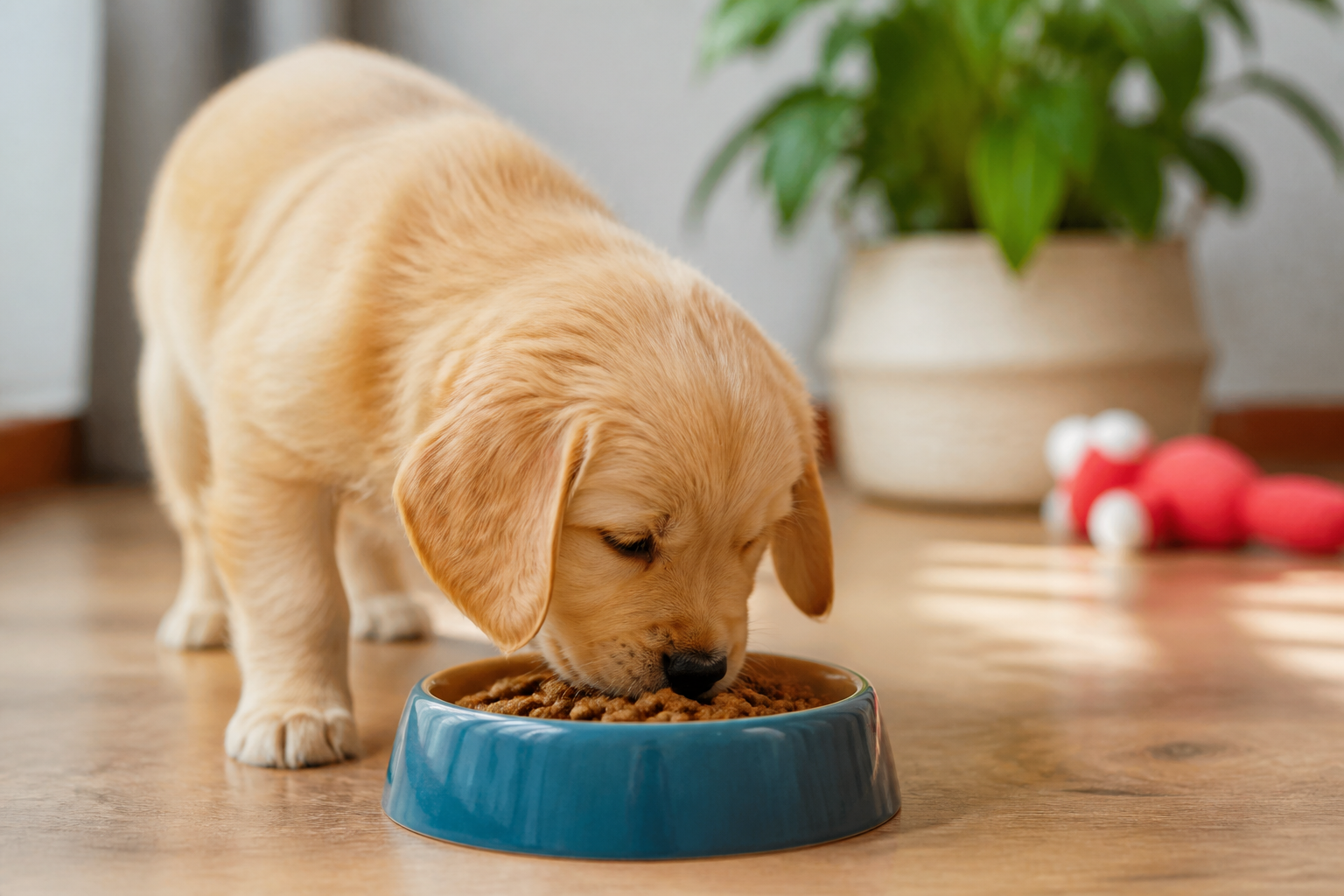
Introduction
Watching a litter of puppies begin to explore their world is an exciting time for any pet owner. You might notice them sniffing at their mother’s food bowl or playfully gnawing on a stray piece of kibble. This curiosity marks the beginning of a major developmental milestone. At BaxterBoo, we know that the transition from milk to solid food is one of the most important phases in a young dog's life. It sets the foundation for their future health, bone density, and energy levels. This article covers the specific timeline for weaning, how to prepare their first meals, and what nutrients to look for in a starter kibble. Understanding the "when" and "how" of this process ensures your puppy grows up strong and healthy.
Quick Answer: Puppies generally start the transition to solid food between 3 and 4 weeks of age. Most are fully capable of eating dry dog food without added liquids by 8 weeks old.
The Weaning Timeline
Weaning is not an overnight event. It is a slow process that allows a puppy’s digestive system to adapt to complex proteins and carbohydrates. In the beginning, their stomachs are only used to processing mother's milk or a liquid milk replacer.
Most puppies follow a predictable schedule as they move toward independence. Between 3 and 4 weeks, they develop their first set of tiny, sharp teeth. This is often the signal to the mother dog that nursing is becoming uncomfortable. It is also the signal to you that it is time to introduce a slurry or gruel.
By 5 to 6 weeks, puppies should be eating more solid meals and nursing less frequently. This is the "mushy" stage where the food is still soft but has more substance. By 7 to 8 weeks, the mother typically stops producing milk entirely. At this point, the puppies should be getting 100 percent of their nutrition from a high quality puppy food.
Key Takeaway: The transition from milk to dry kibble takes about four weeks of gradual changes to prevent stomach upset.
How to Prepare the First Solid Meals
You cannot simply put a bowl of hard kibble on the floor for a 4 week old puppy. Their jaws are not strong enough to crunch it. Their digestive tracts are also not ready for the lack of moisture. You must create a transition food often called a puppy gruel or slurry.
To make this, you will need a high quality puppy kibble and a liquid. You can use warm water or a puppy milk replacer. Avoid using cow's milk from the grocery store. Most dogs are lactose intolerant and cow's milk can cause severe diarrhea in young puppies.
The Soaking Process
Step 1: Place a portion of dry puppy kibble in a shallow bowl.
Step 2: Add warm liquid using a ratio of about one part food to three parts liquid.
Step 3: Let the mixture sit for at least 15 to 20 minutes until the kibble is soft.
Step 4: Mash the mixture with a fork until it looks like oatmeal or thick soup.
As the weeks progress, you will gradually reduce the amount of liquid. By week six, the food should have the consistency of wet canned food. By week seven, the kibble should only be slightly moistened. By week eight, most puppies are ready for the full crunch of dry food.
Vet Tip: Always provide a separate bowl of fresh, clean water as soon as you start the weaning process. Puppies need extra hydration once they stop relying on milk.
Why Puppy Specific Food Matters
It is tempting to feed a new puppy the same food the adult dogs in the house eat. However, puppies have very different nutritional requirements. They are growing rapidly and burning through energy at a high rate. Adult maintenance food does not have the calorie density or the specific mineral balance they need.
Puppy formulas, like those from brands like NutriSource or Royal Canin, are crafted to support this growth spurt. They typically contain higher levels of protein to build muscle and higher fat content for energy.
Essential Nutrients for Growth
- DHA: This is an omega-3 fatty acid found in mother's milk. It is vital for brain and vision development.
- Calcium and Phosphorus: These minerals must be in a specific ratio to ensure bones grow at the right speed.
- High Quality Protein: Look for real meat as the first ingredient to support tissue repair and growth.
- Antioxidants: These help build the puppy's immune system as the protection from their mother’s milk fades away.
If your veterinarian recommends a specific prescription diet for a health condition, our pet pharmacy can help. We carry a wide range of FDA-approved prescription foods through our partnership with Pet's Choice. These diets are often necessary for puppies with sensitive stomachs or specific developmental needs.
Signs Your Puppy is Ready for Kibble
Every dog develops at a different pace. Some puppies are eager eaters who dive into the bowl on day one. Others are more cautious. You should look for specific physical and behavioral signs that they are ready to move away from milk.
The most obvious sign is the eruption of deciduous teeth. If you feel those little "needle teeth," the puppy is physically capable of lapping up soft food. You should also watch for curiosity. If the puppy follows the mother to her food bowl and tries to sniff or lick her food, they are mentally ready to explore new flavors.
Another sign is the puppy’s ability to lap liquid. Before weaning, puppies suckle. To eat from a bowl, they must learn to lap with their tongues. You can test this by offering a little bit of warm water or milk replacer on a flat saucer.
Managing the Feeding Schedule
Puppies have tiny stomachs but massive energy needs. This means they cannot eat all their daily calories in one or two sittings. If you overfill their stomach, they will likely get sick or have loose stools.
From 6 to 12 weeks of age, most puppies do best with four meals a day. Spacing these meals out every four to six hours keeps their blood sugar stable. This is especially important for toy breeds like Chihuahuas or Yorkies. These small dogs can suffer from hypoglycemia if they go too long without eating.
As your puppy reaches 4 to 6 months of age, you can usually transition to three meals a day. By the time they are six months old, two meals a day is standard for most breeds. Always refer to the feeding chart on the back of your food bag for portion sizes. These charts are based on the puppy’s current weight and expected adult weight.
Key Takeaway: Frequent, small meals are better for a puppy’s digestion and energy levels than one large meal.
Common Challenges During the Transition
The move to dry food is not always a straight line. You might encounter a few bumps in the road. One common issue is the "messy eater" phase. Puppies often walk through their food or get it all over their faces. This is a normal part of the learning process. Use a shallow, heavy bowl that is hard to tip over.
Digestive upset is another common hurdle. If a puppy develops diarrhea, it might be because the transition is moving too fast. Go back to a slightly more liquid mixture for a day or two. If the diarrhea persists for more than 24 hours, or if the puppy becomes lethargic, contact your veterinarian immediately. Young puppies can dehydrate very quickly.
Some puppies are simply picky. If they refuse the gruel, try warming the liquid a bit more to release the aroma. You can also mix in a small amount of high quality wet food to make the meal more enticing. Brands like Tiki Cat or Farmina offer highly palatable options that can jumpstart a stubborn appetite.
Large Breed vs. Small Breed Needs
The "when" of eating dry food is similar for most dogs, but the "what" is very different for large breeds. A Great Dane puppy and a Pomeranian puppy have different growth trajectories.
Large and giant breed puppies need to grow slowly. If they gain weight too fast, it puts immense strain on their developing joints and bones. This can lead to lifelong mobility issues. Large breed puppy foods have controlled levels of calcium and phosphorus to prevent this rapid, skeletal overgrowth.
Small breed puppies reach their adult size much faster. They need energy-dense kibble to fuel their high metabolisms. Their kibble size also needs to be much smaller so they can safely chew and swallow it without choking. We carry several brands at BaxterBoo that offer breed size specific formulas to address these unique requirements. You can compare options in our puppy food category.
Using Treats During Weaning
Once your puppy is successfully eating moistened kibble, you might want to start basic training. This involves introducing treats. It is important to remember the 10 percent rule. Treats should never make up more than 10 percent of a puppy’s daily caloric intake.
For a weaning puppy, choose very soft treats that can be broken into tiny pieces. This prevents choking and ensures they do not fill up on treats before their nutritious meal. You can even use pieces of their regular dry kibble as training rewards. This keeps their diet consistent and prevents tummy troubles.
If you find yourself buying treats and food frequently, consider our Autoship programme. It is a convenient way to ensure you never run out of your puppy’s favorite food. You can set the delivery schedule to match your puppy's eating habits and save on every order.
Switching Brands or Formulas
Sometimes the food the breeder was using is not the one you want to stick with long term. However, the first few weeks in a new home are stressful for a puppy. It is best to keep them on the food they are used to for at least the first week or two.
When you are ready to switch, do it gradually over 7 to 10 days.
- Days 1-3: 25% new food, 75% old food.
- Days 4-6: 50% new food, 50% old food.
- Days 7-9: 75% new food, 25% old food.
- Day 10: 100% new food.
This slow change gives the bacteria in the gut time to adjust to the new ingredients. If you notice any vomiting or severe gas, slow the transition down even further. For another gradual feeding transition, read how to switch from dry to wet dog food.
Dental Health and Dry Food
One benefit of transitioning to dry dog food is the mechanical cleaning action. While it is a myth that kibble replaces the need for tooth brushing, the crunching action does help scrape away some plaque. As puppies lose their baby teeth and their adult teeth come in, chewing on hard kibble can also provide some relief for sore gums.
By the time your puppy is 4 to 6 months old, they will be in the height of teething. Providing a mix of dry kibble and safe chew toys will help them navigate this stage without destroying your furniture. If you notice their gums are extremely red or bleeding more than a tiny amount, a vet visit is a good idea to check for retained baby teeth.
Long Term Success
Consistency is the most important part of puppy nutrition. Feed at the same times every day and use the same measuring cup to ensure portions are accurate. Avoid feeding table scraps, as these can lead to obesity and picky eating habits early on.
If your puppy is struggling with allergies or chronic skin issues as they grow, our pharmacy offers a variety of medicated shampoos and prescription treatments. Working with your vet and using our Pet's Choice partnership allows you to get the specific care your puppy needs delivered right to your door. You can also explore our guide to holistic puppy food when comparing formulas.
Bottom line: A patient, four-week weaning process leads to a puppy that is confident and healthy on a dry food diet.
Conclusion
Transitioning your puppy to dry dog food is a rewarding process that marks their growth into a young dog. By starting with a soft slurry at 4 weeks and gradually increasing the solid content, you protect their sensitive digestion. Remember to choose a food specifically formulated for puppies to ensure they get the DHA, protein, and minerals necessary for their development. At BaxterBoo, we have been helping pet owners find the right nutrition since 2006. Whether you choose to visit our warehouse or order online, we are here to support your puppy's journey. Joining our MVP Rewards programme is a great way to earn points on every bag of puppy food as your new best friend grows.
FAQ
Can I give my 6 week old puppy dry food without soaking it?
At 6 weeks, most puppies still have very small teeth and sensitive gums, so it is best to continue soaking the kibble. While they might be able to crunch a few pieces, a fully dry diet this early can lead to dehydration or difficulty swallowing. Gradually reduce the liquid over the next two weeks until they are ready for 100 percent dry food at 8 weeks.
What should I do if my puppy refuses to eat the softened kibble?
If a puppy refuses food, try mixing in a small amount of a high quality wet puppy food or a low-sodium goat's milk topper to increase the aroma. Ensure the food is warm but not hot, as warmth releases scents that stimulate a puppy's appetite. If the puppy misses more than two meals or seems weak, you should contact your veterinarian immediately to rule out underlying health issues.
Is it okay to mix wet and dry food for a weaning puppy?
Yes, mixing wet and dry food is an excellent way to transition puppies to solids. Wet food provides high moisture content and a strong scent, while dry kibble provides the necessary nutrients for growth. Just ensure both the wet and dry options are specifically formulated for puppies and that you are not exceeding their daily calorie needs.
How do I know if I am feeding my puppy too much?
The best way to tell is by looking at your puppy's body condition and their stool quality. A puppy should have a visible waist when viewed from above, but you should not see their ribs protruding. If their stools are consistently soft or runny, it may be a sign that they are being overfed, as the digestive system cannot process the excess volume.






