
 Save 15% on your 1st Autoship learn more

 Email us
 Live Chat
 FAQs
FAQs





Introduction
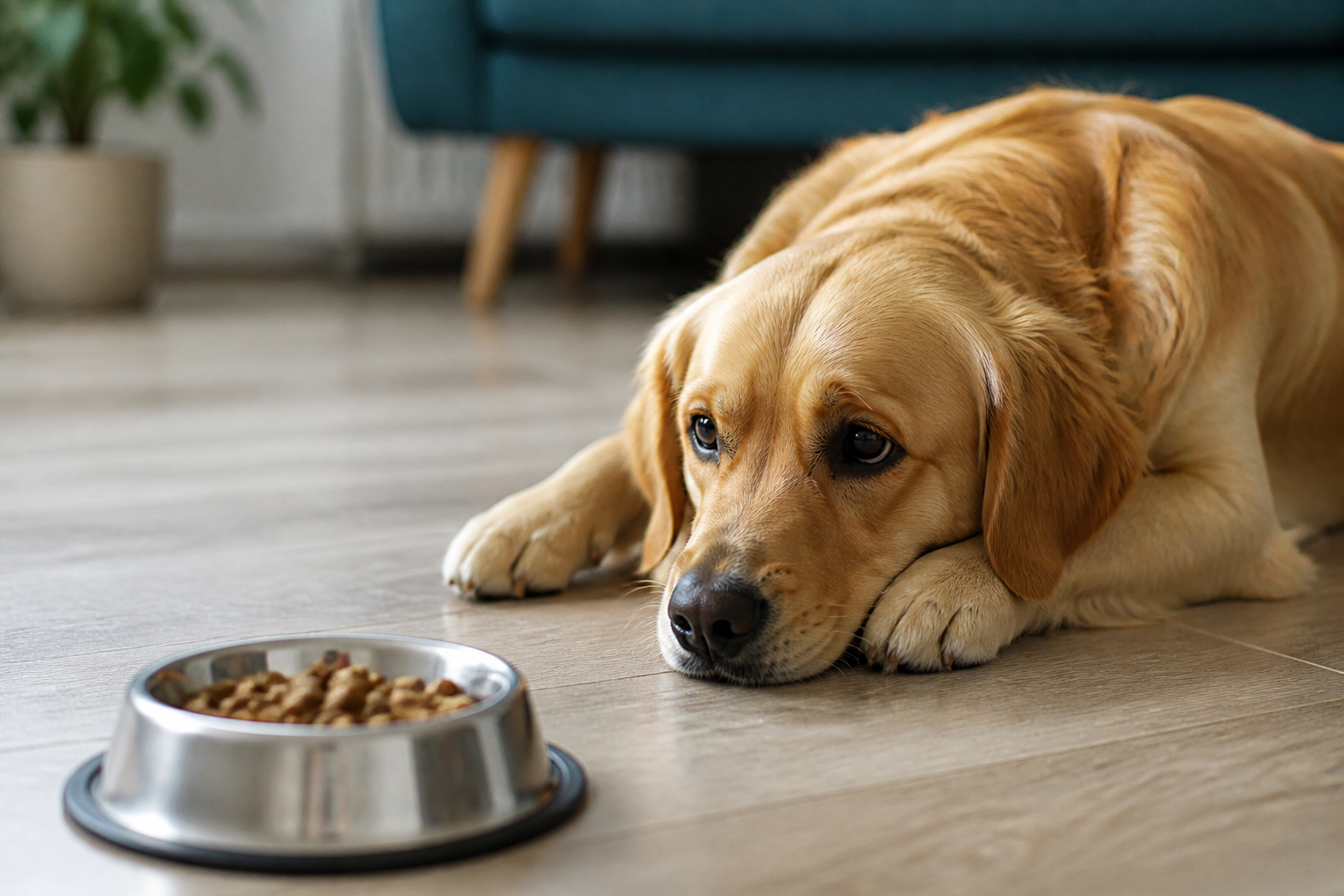
You fill the bowl with the same high-quality kibble your dog has enjoyed for months. You hear the familiar clatter of dry food hitting the ceramic. Usually, this sound triggers a stampede. Today, your dog walks over, sniffs the bowl, and turns away with a sigh. It is a stressful moment for any pet owner. You wonder if they are sick, bored, or simply holding out for the leftovers on your dinner plate.
At BaxterBoo, we talk to pet parents every day who are navigating these exact mealtime mysteries. This post covers the physical, environmental, and behavioral reasons why a dog might suddenly reject their dry food. We will look at how to identify the cause and provide practical steps to get them back to a healthy appetite. Finding the solution starts with understanding the subtle cues your dog is giving you at the bowl, and our dog food category is a helpful place to start.
The Physical Factors: When Health Impacts Hunger
When a dog stops eating dry food, the first priority is ruling out physical discomfort. Dry kibble is hard. It requires significant jaw strength and healthy teeth to process. If your dog is eager to eat soft treats or wet food but ignores the crunch, the issue might be in their mouth.
Dental Pain and Oral Health
Dental issues are among the most common reasons for a sudden distaste for dry food. Broken teeth, inflamed gums, or abscesses make the act of crunching painful. You might notice your dog dropping pieces of kibble or chewing only on one side of their mouth. In some cases, they may approach the bowl with interest but back away after the first bite.
Chronic oral health problems can lead to more serious systemic issues. If you notice bad breath, red gums, or pawing at the face, a veterinary dental exam is necessary, and our dog health category is a natural next stop for supportive care products. Once oral pain is managed, many dogs return to their dry food without any further coaxing.
Gastrointestinal Distress and Nausea
Nausea can make even the best dog food seem unappealing. Just like humans, dogs do not want to eat when their stomach is upset. This might be caused by a minor bug, a sudden change in diet, or a more chronic condition like pancreatitis.
If your dog is skipping meals and also showing signs of lethargy, vomiting, or diarrhea, it is time for a professional opinion. Sometimes a dog will stop eating dry food specifically because they associate the smell or texture with a previous episode of feeling sick. This is known as a taste aversion.
Vet Tip: If your dog refuses all food for more than 24 hours, or shows signs of pain and lethargy, consult your veterinarian immediately. They can rule out underlying conditions like kidney issues or infections that require professional diagnosis.
Identifying Food Quality and Freshness Issues
Sometimes the problem is not with the dog. It is with the food itself. Dogs have a sense of smell that is significantly more powerful than ours. They can often detect spoilage or rancidity long before we see or smell a difference in the bag.
The Problem with Oxidation
Once a bag of kibble is opened, it begins to oxidize. The fats in the food react with oxygen in the air. Over time, these fats go rancid. This changes the flavor profile and the nutritional value of the meal. Most bags of dry food should be consumed within three to four weeks of opening to ensure peak freshness. For more storage guidance, see our post on dry dog food freshness.
If you buy the largest bag available to save money, it may be going stale before your dog can finish it. We recommend checking the "best by" date on the packaging and ensuring the bag is sealed tightly after every use.
Proper Storage Techniques
Many owners pour the kibble into a large plastic bin. While this looks neat, it can actually speed up spoilage. Plastic bins can develop microscopic scratches that harbor bacteria and old oils. It is much better to keep the food in its original bag and place the entire bag inside a sealed container. The original packaging is designed to provide a barrier against moisture and air.
Note: If your dog suddenly refuses a brand new bag of food, check for a recall or a formula change. Manufacturers occasionally update their recipes, and your dog might be sensitive to a new ingredient or a different processing method.
Behavioral Reasons: The Picky Eater Phenomenon
If your dog is healthy and the food is fresh, the issue might be behavioral. Dogs are highly intelligent and observant. They quickly learn how to manipulate their environment to get what they want.
The Waiting Game
Many dogs stop eating dry food because they have learned that something better is coming. If you frequently offer table scraps, high-value treats, or "people food" when they ignore their bowl, you are accidentally training them to be picky. They are not necessarily "disliking" their food. They are simply holding out for a better offer.
To break this habit, you must be consistent. Offer the food for twenty minutes. If they do not eat it, pick the bowl up and do not offer treats until the next scheduled mealtime. Most healthy dogs will not starve themselves. They will eventually learn that the kibble in the bowl is the only option on the menu.
Stress and Environmental Changes
Dogs thrive on routine. Any change in the household can disrupt their appetite. This might include:
- Moving to a new home.
- The addition of a new pet or a new baby.
- Construction noise or loud storms.
- Changes in your work schedule.
When a dog feels anxious, their digestive system often slows down. This makes them less hungry. In these cases, focus on creating a calm, predictable feeding environment. Feed them in the same spot at the same time every day to help them feel secure.
Quick Answer: Why do dogs stop eating dry food but still eat treats? Treats are usually higher in fat and protein, making them more aromatic and enticing. If a dog is feeling slightly unwell or just being picky, they may still find the high reward of a treat worth the effort.
Senior Dogs and Changing Sensory Needs
As dogs age, their bodies and their needs change. A senior dog who has eaten dry food for a decade may suddenly stop. This is often related to the natural decline of their senses.
Loss of Smell and Taste
A dog's appetite is driven largely by their sense of smell. As dogs reach their senior years, their ability to smell and taste can diminish. If the dry food does not smell strong enough, it may not register as "food" to them anymore.
You can help senior dogs by choosing kibble with stronger aromas. Some brands, like Farmina or Orijen, use high concentrations of fresh meat that provide a more intense scent. You can also use "smelly" toppers like freeze-dried tripe or salmon oil to pique their interest.
Digestive Efficiency in Older Pets
Senior dogs may find dry food harder to digest than they used to. Kibble expands in the stomach. This can cause bloating or discomfort in older pets with slower metabolisms. If your senior dog is struggling, it may be time to look into age-specific formulas.
Our pet pharmacy provides access to prescription diets through our partnership with Pet's Choice. These specialized foods are often formulated for easier digestion or specific senior health needs like kidney or joint support. If your vet recommends a prescription diet, we can help you manage those recurring orders.
How to Make Dry Food More Appealing
You do not always have to switch to a completely new diet to get your dog eating again. Often, a few small adjustments to the dry food can make it much more enticing.
Step-by-Step: Enhancing the Kibble
Step 1: Add moisture. / Pour a small amount of warm water or low-sodium bone broth over the kibble. This softens the texture and releases the natural aromas of the food.
Step 2: Warm it up. / If you add water, let it sit for a few minutes. The warmth mimics the temperature of fresh prey and makes the fats in the food more flavorful.
Step 3: Use a healthy topper. / Add a spoonful of plain canned pumpkin or a sprinkle of freeze-dried raw food like Stella & Chewy's. These additions provide a boost of flavor without completely replacing the balanced nutrition of the dry food.
Step 4: Incorporate puzzles. / Sometimes the problem is boredom. Using a food-dispensing toy can turn mealtime into a rewarding game. This can reignite the drive to eat for dogs who are bored with a standard bowl, and our dog toys category is full of options that can help.
Transitioning to a New Food
If you decide that your dog truly dislikes their current brand, do not switch all at once. A sudden change in diet can cause severe stomach upset.
- Days 1-3: 75% old food, 25% new food.
- Days 4-6: 50% old food, 50% new food.
- Days 7-9: 25% old food, 75% new food.
- Day 10: 100% new food.
This slow transition allows the beneficial bacteria in your dog's gut to adjust to the new ingredients. We carry over 500 trusted brands, so you have plenty of options if you need to find a new flavor profile for a picky eater.
Key Takeaway: Improving the appeal of dry food is often about texture and temperature. Small additions like warm water or a high-quality topper can make a significant difference for a dog that has lost interest in plain kibble.
The Role of Overfeeding and Treat Ratios
It is easy to underestimate how many calories our dogs get from extras. If your dog is not finishing their dinner, they might just be full.
Calculating Daily Caloric Intake
Treats and table scraps should never account for more than 10% of a dog's total daily calories. If you are training a new puppy or rewarding a senior dog, those treats add up fast. For a small breed dog, even two or three extra biscuits can represent a large portion of their daily needs.
If your dog is maintaining a healthy weight but leaving half their kibble behind, you are likely feeding them too much. Consult the feeding guide on your bag of food, but remember those are only estimates. Every dog's activity level and metabolism are different. For extra variety, our dog treats category can help you compare reward options more thoughtfully.
The Impact of "Free Feeding"
Leaving a bowl of dry food out all day is known as free feeding. While convenient, it can lead to a lack of interest in food. When food is always available, it loses its value. It can also make it harder for you to notice exactly when your dog's appetite changes.
By moving to scheduled mealtimes, you create a sense of anticipation. It also allows you to monitor how much and how quickly your dog eats. This information is vital if you ever need to describe a health change to your veterinarian.
Exploring Alternative Textures and Varieties
If your dog has a persistent distaste for standard dry kibble, you might consider different types of dry food. Not all "dry" food is the same.
Air-Dried and Dehydrated Options
Brands like Ziwi Peak or The Honest Kitchen offer alternatives to traditional high-heat kibble. Air-dried food has a texture more like jerky. It is very dense in nutrients and has a much stronger smell than standard dry food. Dehydrated food is often rehydrated with water to create a mash. These options provide the convenience of dry food with the palatability of wet food.
Grain-Free vs. Grain-Inclusive
Some dogs have sensitivities to specific grains that can cause low-grade inflammation or digestive discomfort. While most dogs do well with grains, switching to a grain-free option like Acana or Orijen might help if your dog seems to have a sensitive stomach. Conversely, some dogs prefer the texture and taste of grain-inclusive recipes that use wholesome oats or barley.
Small Breed vs. Large Breed Kibble
Size matters when it comes to the "mouthfeel" of dry food. A Chihuahua might struggle with large, hard chunks of kibble designed for a Lab. A Great Dane might find tiny pellets unappealing or even a choking hazard. Ensure you are buying the correct size for your dog's life stage and breed size to ensure they can eat comfortably.
Using Supplements to Boost Interest
In some cases, adding a supplement can serve a dual purpose. It makes the food taste better while supporting a specific health need.
Omega Fatty Acids and Salmon Oil
Salmon oil is a favorite for many picky eaters. It has a strong, fishy scent that most dogs find irresistible. Beyond the flavor, it supports a healthy coat and skin. A few pumps of high-quality salmon oil over dry food can transform a boring meal into a gourmet experience.
Probiotics for Digestive Support
If your dog is skipping meals because of a sensitive stomach, a probiotic supplement might help. Brands like Zesty Paws or Purina Pro Plan FortiFlora offer powder supplements that can be sprinkled on top of dry food. These supplements help balance the gut microbiome and can make the food more enticing to a dog with a grumbling tummy.
Vet Tip: Before adding supplements to your dog's diet to fix an appetite issue, talk to your vet. They can ensure the supplement is appropriate for your dog's age and health status. This is especially important for dogs with underlying conditions like kidney or liver disease.
Maintaining the Routine for Long-Term Success
Once you have identified the reason your dog stopped eating dry food, the goal is to maintain a healthy routine. Consistency is the enemy of picky eating.
The Power of Exercise
A tired dog is usually a hungry dog. If your dog is being picky, try increasing their physical activity. A long walk or a game of fetch about thirty minutes before mealtime can stimulate their appetite. The natural increase in metabolic demand makes the food in the bowl look much more appealing.
Social Facilitation
Some dogs are "social eaters." They want to eat when the rest of the pack is eating. If your dog is ignoring their food, try feeding them while you are in the kitchen preparing your own meal. Being near the family can make them feel more comfortable and ready to eat.
Monitoring Weight and Body Condition
Keep a close eye on your dog's body condition. You should be able to feel their ribs but not see them prominently. There should be a visible waist when viewed from above. If your dog is refusing food but still maintaining a healthy weight and high energy, they are likely just getting too many calories elsewhere. If they are losing weight, it is a medical priority.
When the BaxterBoo Pharmacy Can Help
Sometimes, a change in appetite is the first sign of a chronic condition that requires medication. Whether it is managing pain from arthritis or treating a digestive disorder, our pharmacy is here to help.
Through our partnership with Pet's Choice, we offer a wide range of FDA-approved medications and prescription diets. We understand that managing a pet's health can be complicated. Our pharmacy services are designed to make it easier to get exactly what your vet prescribes, delivered right to your door. From allergy medications that stop skin irritation to prescription kibble for kidney support, we carry the brands your vet trusts.
Bottom line: If a health condition is the reason your dog won't eat, professional medical intervention is the most effective solution. Our pharmacy provides the necessary tools to manage those conditions under your vet's guidance.
Summary of Next Steps
If you are staring at a full bowl of food and a dog that refuses to eat, take a deep breath. Start by ruling out the simple things. Check the food for freshness and the bowl for cleanliness. If those are fine, look for signs of dental pain or illness.
Once health is ruled out, address the behavioral side. Stop the table scraps and focus on a strict feeding schedule. Use toppers or warm water to increase the aroma of the kibble. With patience and a consistent approach, most dogs will return to their dry food.
- Check the bag for a "best by" date and signs of spoilage.
- Inspect your dog's mouth for red gums or broken teeth.
- Eliminate extra treats and table scraps for one week.
- Try adding warm bone broth or a high-quality topper to the bowl.
- Schedule a vet visit if the refusal lasts more than 24 hours.
We have been helping pet owners since 2006, and we know that every pet is an individual. Whether you need a new brand of premium kibble, a puzzle toy to make mealtime fun, or a prescription diet from our pharmacy, we are here to support you. You can also take advantage of our Autoship blog post to ensure your dog's food is always fresh and arrives exactly when you need it.
FAQ
Why would a dog suddenly stop eating dry food but still act normal?
This is often a sign of picky eating or boredom. If the dog is still energetic and eager for treats, they are likely holding out for something more flavorful than their kibble. It can also happen if the food has gone stale or the manufacturer has changed the recipe.
Can stress cause a dog to stop eating their kibble?
Yes, stress is a major factor in a dog's appetite. Changes like a move, a new family member, or loud noises can make a dog feel too anxious to eat. Creating a calm, consistent feeding environment and sticking to a routine can help them feel secure enough to start eating again.
Is it okay to mix wet food with dry food to get them to eat?
Mixing wet and dry food is a great way to increase the aroma and improve the texture of the meal. It is a common strategy for picky eaters or senior dogs with a reduced sense of smell. Just be sure to adjust the total amount of food so you are not overfeeding your dog.
When should I be worried about my dog not eating?
You should consult a veterinarian if your dog refuses food for more than 24 hours. If the lack of appetite is accompanied by vomiting, diarrhea, lethargy, or signs of pain, seek medical attention sooner. A sudden change in eating habits is often the first symptom of an underlying health issue.






