Save 15% on your 1st Autoship learn more

 Email us
 Live Chat
 FAQs
FAQs





Introduction
You are relaxing on the sofa with your cat when you notice a dusting of white specks along their lower back. At first, you might think it is just dust from a recent exploration under the bed, but as you brush it away, more flakes appear. Seeing these flakes often leads owners to ask why does a cat have dandruff and whether it is a sign of a deeper health problem. While a few flakes are common, a sudden increase can indicate that your cat is struggling with their grooming routine, their diet, or an underlying medical condition.
At BaxterBoo, we see these concerns often from pet parents who want to keep their cats comfortable and their coats shining. This guide covers the common causes of feline dandruff, from environmental dry air to mobility issues in senior cats. We will explain the difference between normal shedding and problematic flaking, and provide practical steps to restore your cat's skin health. Understanding the root cause is the first step toward helping your feline friend feel their best.
Quick Answer: Cat dandruff is the visible accumulation of dead skin cells on the fur, often caused by dry air, poor nutrition, or limited grooming. While mild flaking is sometimes normal, excessive dandruff may signal parasites, allergies, or internal health issues that require a veterinary consultation.
Understanding Feline Dandruff vs. Dander
It is important to distinguish between dandruff and dander because they represent different processes. Every healthy cat produces dander. These are microscopic skin cells that shed naturally as the skin renews itself. Dander is generally invisible to the naked eye, though it is the primary culprit for human allergies.
Dandruff, on the other hand, consists of larger, visible flakes. When skin cells die and clump together prematurely, they become trapped in the fur. This is usually a sign that the skin's natural cycle is off balance. You might notice these flakes more easily on cats with dark coats, such as black or tuxedo cats, where the white scales contrast sharply with the fur.
Dandruff is not a disease itself but a clinical sign. It tells you that the skin barrier is either too dry, too oily, or irritated. In a healthy cat with a functional grooming habit, these dead cells are typically licked away during daily cleaning. When you start seeing them pile up, it means the rate of shedding has surpassed the cat's ability to remove them.
Common Environmental Causes
One of the most frequent reasons for a sudden appearance of flakes is the environment. Just like humans, cat skin reacts to changes in humidity and temperature. If your home is particularly dry, the skin can lose its elastic quality and begin to crack and flake.
Seasonal Dryness and Heating
During the winter months, indoor heating systems strip moisture from the air. This dry environment can sap the natural oils from your cat’s coat. If your cat spends a lot of time lounging near heat vents or radiators, you may notice dandruff concentrated in those areas.
Over-Bathing or Improper Products
While cats rarely need a full bath, some owners choose to wash their pets to reduce allergens or remove dirt. Using a shampoo formulated for humans or even a low-quality pet soap can disrupt the pH balance of a cat's skin. This leads to irritation and a "rebound" effect where the skin produces excess flakes. We always recommend using soap-free, moisturizing formulas if a bath is absolutely necessary.
Key Takeaway: Environmental dandruff is usually a temporary reaction to low humidity or topical irritants. Increasing moisture in the home or using a feline-specific grooming spritz can often resolve these mild cases.
The Role of Grooming and Mobility
If you are wondering why does a cat have dandruff specifically along the lower back and base of the tail, the answer often lies in their grooming habits. Cats are famously clean animals, but several factors can prevent them from reaching certain spots.
Obesity and Flexibility
An overweight cat physically cannot reach every part of its body. The area near the base of the tail is the hardest to reach, making it the most common site for dandruff and matted fur in heavy cats. When a cat cannot lick an area, dead skin and loose hair build up quickly.
Senior Cats and Arthritis
As cats age, they often develop osteoarthritis. This makes the twisting and contorting required for grooming painful. If a senior cat suddenly develops dandruff, it is frequently a sign of decreased mobility. They may want to groom, but the stiffness in their joints prevents them from doing a thorough job.
For more guidance about mobility changes and grooming challenges, read this guide to arthritis medicine and care for cats.
Dental Issues
A cat with a sore mouth, gingivitis, or a broken tooth may stop grooming because the process of licking becomes painful. If your cat has flaky skin along with bad breath or a change in eating habits, a dental checkup should be the first priority.
Nutritional Influences on Skin Health
The skin is the largest organ of the body, and it requires a significant amount of a cat's daily protein intake to stay healthy. If a cat is not getting the right nutrients, the skin is often the first place to show signs of neglect.
Essential Fatty Acids
Omega-3 and Omega-6 fatty acids are vital for maintaining the skin's moisture barrier. These healthy fats help "glue" skin cells together and keep moisture locked in. If a cat's diet is low in these fats, the skin becomes brittle and prone to flaking. Many high-quality brands we carry, such as Farmina and Stella and Chewy's, prioritize these essential fats to support coat luster.
You can compare formulas in our cat food category when reviewing your cat’s regular diet.
Protein Quality
Cats are obligate carnivores, meaning they must get their nutrients from animal tissues. Low-quality foods with heavy fillers can lead to a dull, flaky coat because the cat is not absorbing enough usable protein to support skin cell turnover. Switching to a premium diet often clears up mild dandruff within four to six weeks.
Dehydration
Cats have a low thirst drive and historically get much of their hydration from their prey. A cat eating strictly dry kibble may live in a state of mild chronic dehydration. This shows up as dry, inelastic skin. Adding wet food toppers from brands like Tiki Cat or Weruva can increase moisture intake and improve skin hydration from the inside out.
Parasites and "Walking Dandruff"
Sometimes, those white flakes are not actually skin at all. There is a specific type of mite called Cheyletiella that looks remarkably like dandruff. This condition is often called walking dandruff because if you look closely at the flakes, you may see them moving.
Identifying Mites and Fleas
Mites are highly contagious and cause significant itching and irritation. Fleas can also cause dandruff as a secondary symptom. When a cat has a flea allergy, their skin becomes inflamed, leading to crusting and flaking.
Parasite Prevention
Keeping your cat on a year-round preventive is the best way to rule out parasites as the cause of dandruff. Our cat pharmacy carries prescription medications and preventive options for feline health needs.
Vet Tip: If your cat is scratching, losing hair, or has red skin alongside dandruff, it is time for a veterinary visit. These signs often point to parasites or infections that require prescription treatment rather than just a change in grooming habits.
Medical Conditions and Internal Health
In some instances, the answer to why does a cat have dandruff is more complex and involves the cat's internal systems. Skin health is a window into the body's overall wellness.
Hormonal and Metabolic Disorders
Conditions like hyperthyroidism or diabetes can change the way a cat's body processes nutrients and maintains its skin. Hyperthyroidism, in particular, often leads to an unkempt, greasy, and flaky coat. If you notice your cat is eating or drinking more than usual while losing weight and developing dandruff, see your veterinarian for blood work.
Allergies
Cats can have environmental or food allergies. When a cat reacts to an allergen, their immune system triggers skin inflammation. This can result in miliary dermatitis, which appears as small, scab-like bumps and heavy flaking. Identifying the allergen often requires a supervised elimination diet or specialized testing from your vet.
Fungal and Bacterial Infections
Ringworm is a common fungal infection in cats that causes circular patches of hair loss and heavy scaling. It is important to note that ringworm is zoonotic, meaning it can spread to humans. Bacterial infections can also cause "collarettes," which are circular patterns of flakes that remain after a small pustule has healed.
Managing and Reducing Dandruff at Home
Once a veterinarian has ruled out serious illness, you can take several practical steps to manage your cat's skin health. Consistency is the key to seeing improvement.
Daily Brushing Routine
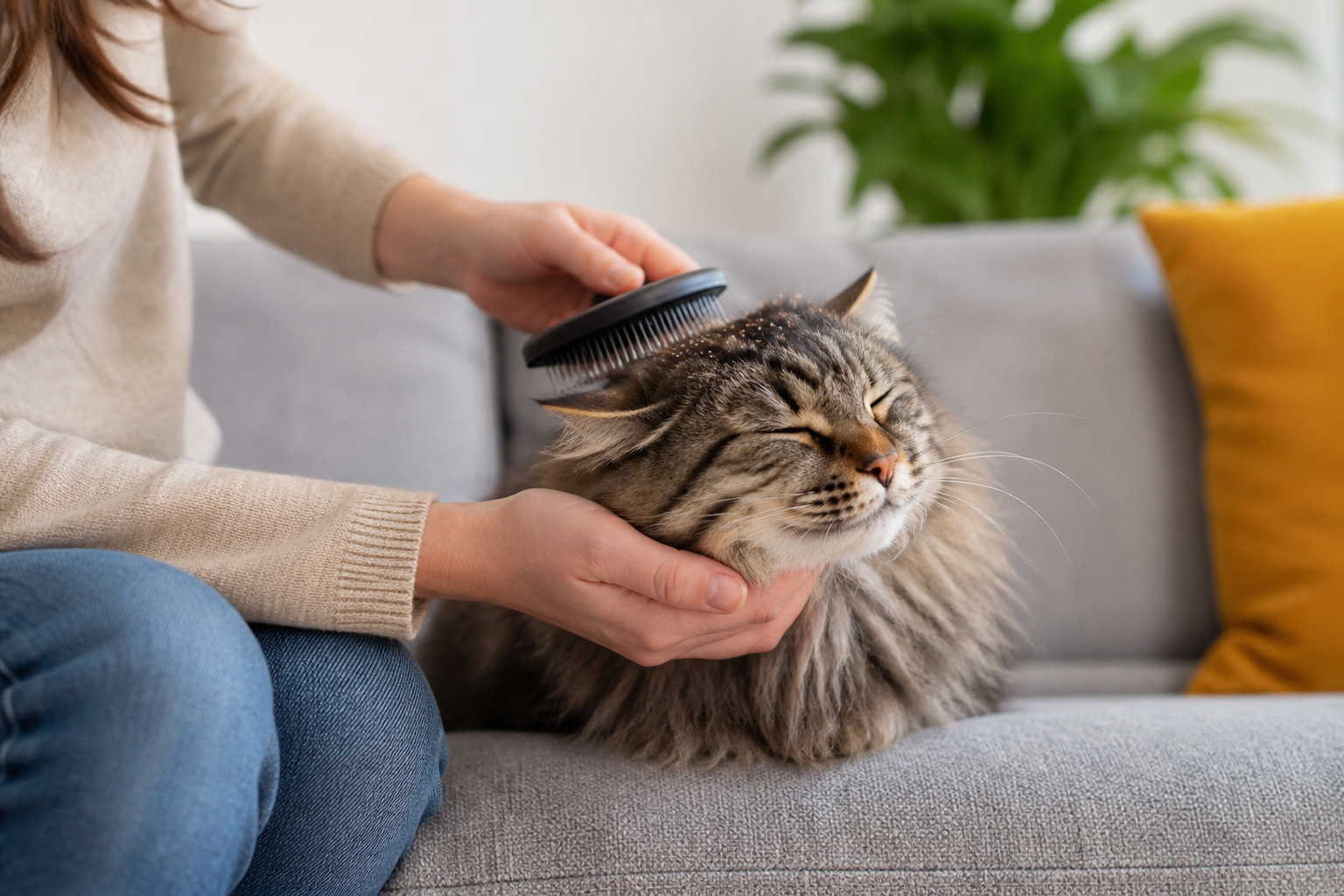
Brushing is the most effective way to manage dandruff caused by poor grooming or mobility issues. It manually removes the dead skin cells and loose undercoat that the cat cannot reach.
- Use a soft-bristled brush or a rubber grooming tool like the Kong ZoomGroom.
- Focus on the hard-to-reach areas along the spine and the base of the tail.
- Keep sessions short and positive, using treats to create a good association.
- For long-haired cats, brushing twice daily may be necessary during shedding seasons.
Explore our cat grooming supplies for brushes, combs, shampoos, and other coat-care tools.
Supplementing the Diet
If your cat's food is already high-quality but the skin remains dry, a supplement can help. Fish oil or krill oil supplements are rich in EPA and DHA. These fatty acids reduce inflammation and strengthen the skin barrier. We carry several trusted supplement brands, including Zesty Paws and Honest Paws, which offer easy-to-administer oils or soft chews.
Improving the Environment
Adding a humidifier to the rooms where your cat spends the most time can make a significant difference during the winter. This prevents the skin from losing moisture to the dry indoor air. Additionally, ensure your cat always has access to fresh, filtered water. Using a pet fountain can encourage more frequent drinking, which supports skin elasticity.
When to Seek Professional Help
While a few flakes are rarely an emergency, you should not ignore them if they are accompanied by other symptoms. Monitoring your cat's behavior is just as important as looking at their fur.
Bottom line: Persistent dandruff combined with behavioral changes always warrants a professional medical opinion.
Schedule a vet visit if you notice:
- Bald patches or thinning fur.
- Constant scratching, biting, or licking at the skin.
- Foul odor coming from the coat.
- Red, inflamed, or weeping skin.
- Changes in thirst, appetite, or litter box habits.
If your veterinarian determines your cat has a chronic condition like allergies or a metabolic disorder, they may prescribe a therapeutic diet. Our pharmacy carries many of these specialized foods, including the Farmina Vet Life range, to help manage these long-term health needs through our Pet's Choice partnership.
Specific Product Support for Skin Health
At BaxterBoo, we curate our selection to ensure pet owners have access to tools that actually work. When dealing with dandruff, the right gear makes the process easier for both you and your cat.
| Product Type | Recommended Use | Key Benefit |
|---|---|---|
| Rubber Brushes | Short-haired cats | Massages skin and stimulates oil production |
| Slicker Brushes | Long-haired cats | Removes deep undercoat and prevents mats |
| Omega Supplements | All cats with dry skin | Strengthens the skin barrier from within |
| Water Fountains | Cats who drink little water | Increases hydration and skin elasticity |
| Waterless Shampoos | Cats who dislike baths | Cleans fur and moisturizes skin without stress |
Using a waterless shampoo or a grooming foam can be a great middle ground. These products allow you to moisturize the skin and lift away flakes without the trauma of a traditional bath. Simply massage the foam into the coat and towel it off. This is particularly helpful for senior cats who may find a regular bath too physically demanding.
For gentler cleanup between baths, browse waterless grooming options for cats.
Senior Cat Care and Dandruff
Senior cats require a different approach to skin care. Because their dandruff is so often tied to mobility, the solution is usually a combination of physical support and pain management.
If your older cat is struggling to reach their back, it is likely because of spinal stiffness. Providing orthopedic beds can help them rest more comfortably, which may improve their overall mobility. Supplements like Cosequin or other joint supports are also excellent additions to a senior cat's routine. When they feel better, they are more likely to attempt grooming.
However, you should expect to take over most of the grooming duties for a senior cat. Think of it as a bonding time. Gentle brushing helps maintain their circulation and keeps their skin healthy when they can no longer do it themselves.
For additional ideas, explore this guide to joint health and mobility for pets.
Why a Clean Coat Matters
A cat's coat is often a reflection of their internal vitality. When the coat is sleek and flake-free, it usually means the cat is well-hydrated, properly nourished, and physically capable of self-care. Dandruff is a signal that one of those pillars has shifted.
By addressing the question of why does a cat have dandruff early, you can prevent minor dryness from turning into painful mats or skin infections. Whether the fix is as simple as a new brush or as involved as managing a thyroid condition, your attention to their skin health is a vital part of their overall care.
We are here to support that journey with the best supplies and expert-backed advice. From our warehouse in Vernon Hills to your front door, we provide the essentials that help your cat live a comfortable, flake-free life.
Conclusion
Managing cat dandruff is about more than just aesthetics. It is about ensuring your cat is comfortable in their own skin. By identifying whether the flakes are caused by dry air, a lack of certain nutrients, or a physical inability to groom, you can take targeted action. Remember to start with a thorough brushing routine and a high-quality diet rich in fatty acids. If the problem persists or your cat seems itchy and uncomfortable, always consult your veterinarian to rule out underlying medical issues or parasites.
- Check for environmental triggers like low humidity or new cleaning products.
- Increase grooming frequency, especially for senior or overweight cats.
- Boost hydration with wet food or a pet fountain.
- Rule out parasites with regular preventives from our pharmacy.
Key Takeaway: Most feline dandruff can be resolved with improved nutrition, consistent grooming, and environmental adjustments, but persistent flaking should always be evaluated by a vet.
If you are ready to upgrade your cat’s skin and coat routine, browse our skin and coat care collection. For prescription needs, our pharmacy partnership with Pet's Choice is here to help you manage your cat's health with ease and expert care.
FAQ
Is cat dandruff the same as human dandruff?
While they look similar, the causes can be quite different. Human dandruff is often caused by a yeast-like fungus, whereas cat dandruff is more frequently linked to grooming habits, obesity, or nutritional gaps. You should never use human dandruff shampoos on a cat, as the pH and ingredients can be toxic or highly irritating to feline skin.
Can I get rid of cat dandruff by giving my cat a bath?
Bathing a cat too frequently can actually make dandruff worse by stripping away natural protective oils. Unless your cat is physically dirty or has a fungal infection like ringworm, it is usually better to use a daily brushing routine and a moisturizing grooming foam. If you must bathe them, always use a soap-free shampoo specifically designed for cats.
Why does my cat only have dandruff on their lower back?
The lower back and the base of the tail are the most common areas for dandruff because they are the hardest spots for a cat to reach. If a cat is overweight or has arthritis, they may stop grooming these areas entirely. This allows dead skin cells and loose hair to accumulate, leading to visible white flakes and occasionally matting.
Can a change in food cause my cat to have dandruff?
Yes, a diet that lacks high-quality protein or essential fatty acids like Omega-3 and Omega-6 can lead to dry, flaky skin. If you have recently switched to a lower-quality food or if your cat has a food allergy, their skin health may decline. Transitioning to a premium diet or adding a fish oil supplement often improves the coat within a few weeks.