Save 15% on your 1st Autoship learn more

 Email us
 Live Chat
 FAQs
FAQs





Introduction
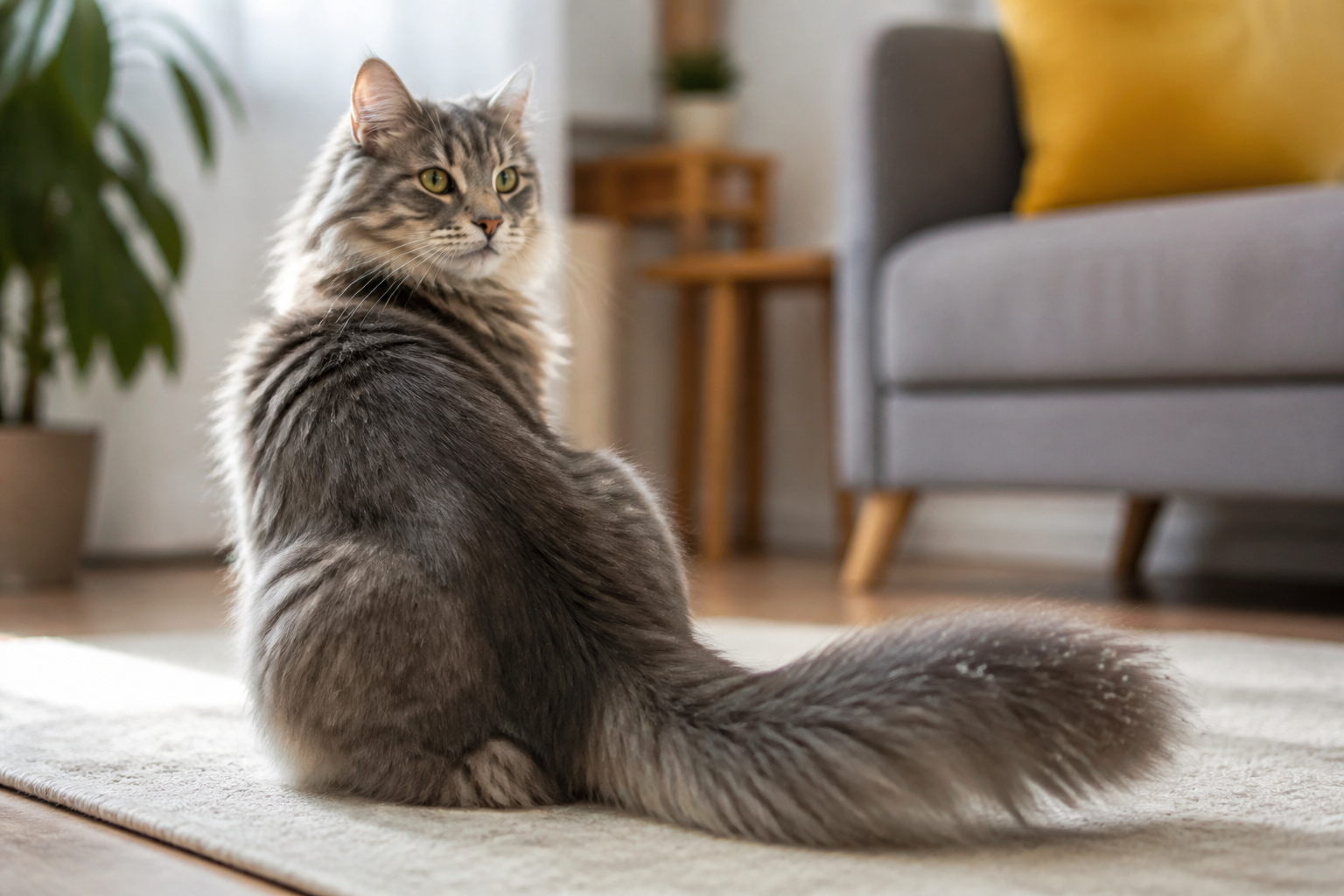
You are sitting on the couch with your cat when you notice something unusual. As you run your hand down their back toward the base of the tail, a flurry of white flakes appears on their dark fur. It looks like a miniature snowstorm has settled right on their lower back. This is a common sight for many cat owners. While it might look like a simple grooming oversight, dandruff on a cat's tail usually tells a deeper story about their skin health or physical comfort.
At BaxterBoo, we see this often when helping customers find the right grooming tools or supplements. This article will explain why these flakes tend to cluster near the tail. We will cover environmental triggers, physical limitations that stop grooming, and when those flakes signal a need for a vet visit. By the end, you will have a clear plan to help your cat regain a glossy, flake-free coat.
Understanding Feline Dandruff Near the Tail
Dandruff consists of dead skin cells that have clumped together and become visible. All cats shed skin cells naturally as their skin regenerates. In a healthy cat, these microscopic cells are removed during daily grooming. You usually never see them. When those cells become large, visible white flakes, it means the natural shedding process has been disrupted.
The tail and the lower back are the most common areas for dandruff to accumulate. This is because the base of the tail is often the hardest place for a cat to reach. If their skin is too dry or if they are producing too much oil, those cells pile up. This buildup can feel slightly greasy or very dry to the touch.
Quick Answer: Cat dandruff on the tail is usually caused by a lack of grooming, dry air, or nutritional gaps. It often happens when a cat cannot physically reach their lower back to clean themselves properly.
Dandruff Versus Dander
Many people use the terms dander and dandruff interchangeably. However, they are quite different in the world of pet care. Dander is a normal, healthy part of owning a cat. It consists of microscopic skin cells and proteins from saliva that shed naturally. You cannot see dander with the naked eye, though it is the primary cause of cat allergies in humans.
Dandruff is a sign of an imbalance. It is visible, flaky, and sometimes accompanied by redness or itching. If you can see it on the fur, it is dandruff. This distinction is important because while you cannot "cure" dander, you can often resolve dandruff by addressing the root cause.
Why the Tail Base Is a Dandruff Magnet
The area where the spine meets the tail is a unique spot on a cat's body. It contains a high concentration of sebaceous glands. These glands produce sebum, which is the natural oil that keeps the skin supple and the fur shiny. If these glands overproduce oil, the skin becomes greasy and traps dead cells. This creates thick, yellowish flakes.
If the glands underproduce oil, the skin becomes brittle and dry. This leads to the classic white, "snowy" dandruff. Because this area is so active biologically, it is often the first place to show signs of trouble. It is also the area most affected by a cat's range of motion.
Common Causes of Tail Dandruff
There is rarely just one reason for a flaky tail. Usually, it is a combination of the cat's environment and their physical health. Identifying the cause is the first step toward a solution.
Physical Limitations and Grooming
The most frequent reason for dandruff at the base of the tail is a simple lack of grooming. Cats are normally meticulous about their hygiene. If they stop cleaning a specific area, skin cells and oils will build up quickly.
Obesity is a major factor here. If a cat is carrying extra weight, they may physically struggle to turn around and reach their lower back. This creates a "grooming gap" where the tail and lower spine are neglected. Arthritis is another common culprit. Senior cats often experience stiffness in their hips and spine. Reaching back to clean the tail area can be painful, so they simply stop doing it.
Environmental Dryness
Low humidity is a common trigger for skin issues. During the winter months, indoor heating systems strip moisture from the air. This dries out your cat's skin. Without enough ambient moisture, the skin loses its elasticity and begins to flake. This is especially noticeable in cats that enjoy lounging near heat vents or radiators.
Nutritional Gaps
The skin is the largest organ of the body. It requires a significant amount of protein and healthy fats to stay healthy. If a cat's diet is low in Omega-3 and Omega-6 fatty acids, their skin barrier may weaken. This leads to moisture loss and flaking. Poor hydration also plays a role. Cats that only eat dry kibble and do not drink much water may suffer from chronic low-level dehydration, which shows up as dry skin.
For nutrition and supplement options that support everyday feline wellness, explore our cat healthcare category.
When Dandruff Signals a Medical Issue
While many cases of dandruff are related to grooming or air quality, some indicate a medical concern. It is important to look at the skin beneath the flakes. If the skin is red, bumpy, or oozing, it requires professional attention.
Parasites and Walking Dandruff
Certain parasites can look exactly like dandruff. Cheyletiella mites are often called "walking dandruff" because they are white and move across the skin. These mites are highly contagious and cause significant itching and irritation. Fleas can also cause skin scaling. Some cats have an allergy to flea saliva, which causes a severe reaction known as flea allergy dermatitis. This often results in scabs and heavy flaking right at the base of the tail.
If you suspect fleas or other external pests, review the flea and tick collection for cat-safe care options.
Internal Health Conditions
Systemic diseases can change the way a cat's skin functions. Conditions like hyperthyroidism or diabetes often cause changes in coat quality. A cat with hyperthyroidism may have a greasy, unkempt coat with significant dandruff. Kidney disease can lead to dehydration, which dries out the skin. In these cases, the dandruff is just one symptom of a larger internal issue.
Vet Tip: If your cat's dandruff is accompanied by weight loss, increased thirst, or patches of hair loss, schedule a veterinary exam. These can be signs of metabolic conditions like diabetes or hyperthyroidism that require a professional diagnosis.
How to Help Your Cat at Home
If your vet has ruled out serious illness, you can take several steps to clear up the flakes. Most of these focus on assisting your cat with their daily maintenance and improving their environment.
Regular Brushing Sessions
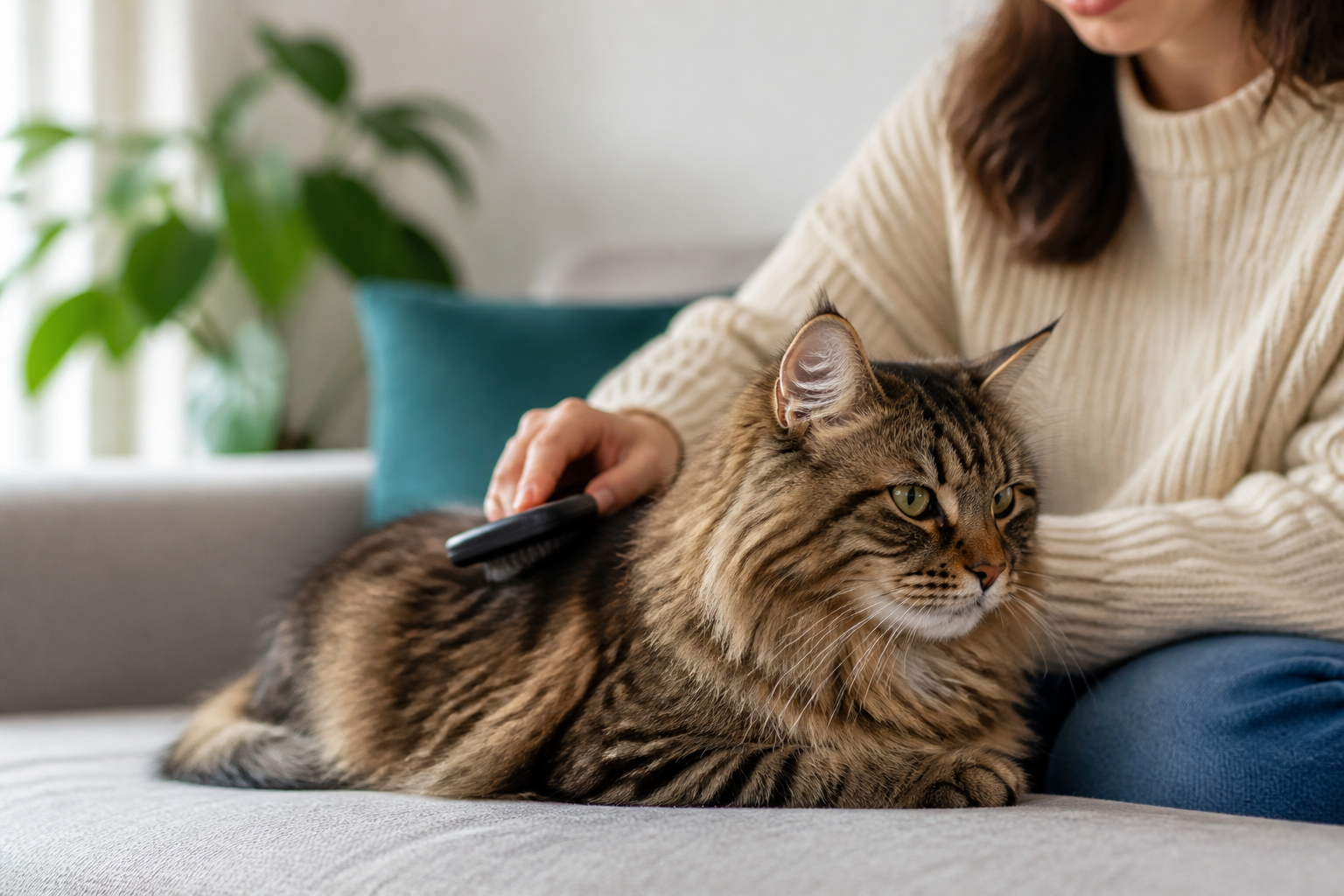
If your cat cannot reach their tail, you must do it for them. Daily brushing is the most effective way to manage dandruff. Brushing does two things. It physically removes the dead flakes and loose hair. It also stimulates the skin and distributes natural oils along the hair shaft.
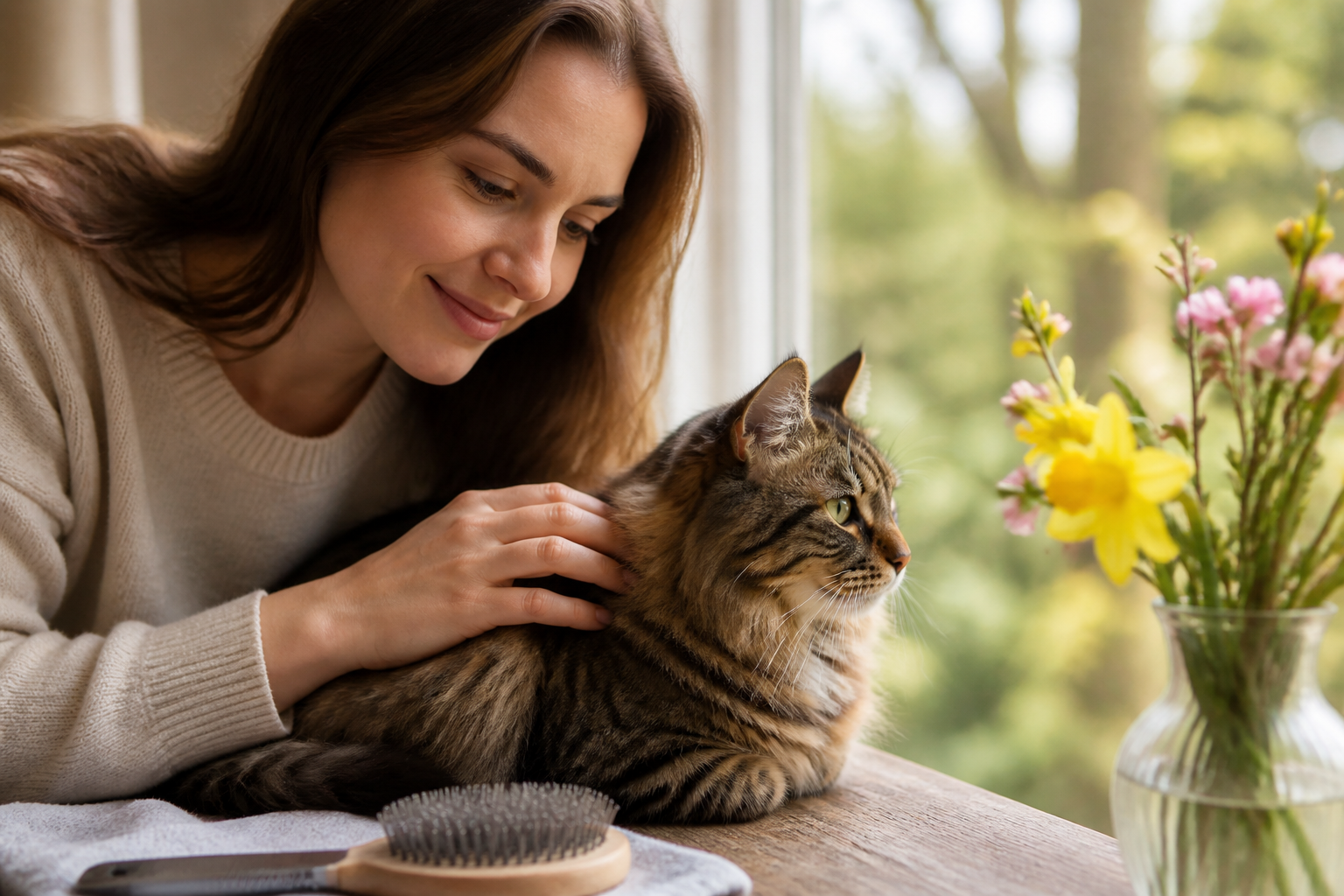
For the tail area, use a soft slicker brush or a rubber grooming tool. These are gentle on the skin but effective at pulling up debris. Be gentle, as the skin in this area can be sensitive if it is already irritated.
You can find brushes, combs, and other tools in our cat grooming collection.
Improving Hydration and Diet
Encouraging your cat to drink more water can improve their skin from the inside out. Consider adding a pet water fountain, as many cats prefer running water to a still bowl. Switching some or all of their meals to wet food can also significantly boost their daily moisture intake.
Look for high-quality foods that list a clear protein source as the first ingredient. Supplements can also be helpful. Fish oil or flaxseed oil provides the essential fatty acids necessary for a strong skin barrier. We carry several skin and coat supplements that are easy to mix into your cat's favorite food.
For food options that can help support a consistent feeding routine, browse our cat food selection.
Managing the Environment
If your home is dry, a humidifier can make a world of difference. Place one in the room where your cat spends the most time. Keeping the humidity between 40% and 50% helps prevent the skin from drying out. You should also try to discourage your cat from sleeping directly on or against heat sources.
Steps for a Flake-Free Tail
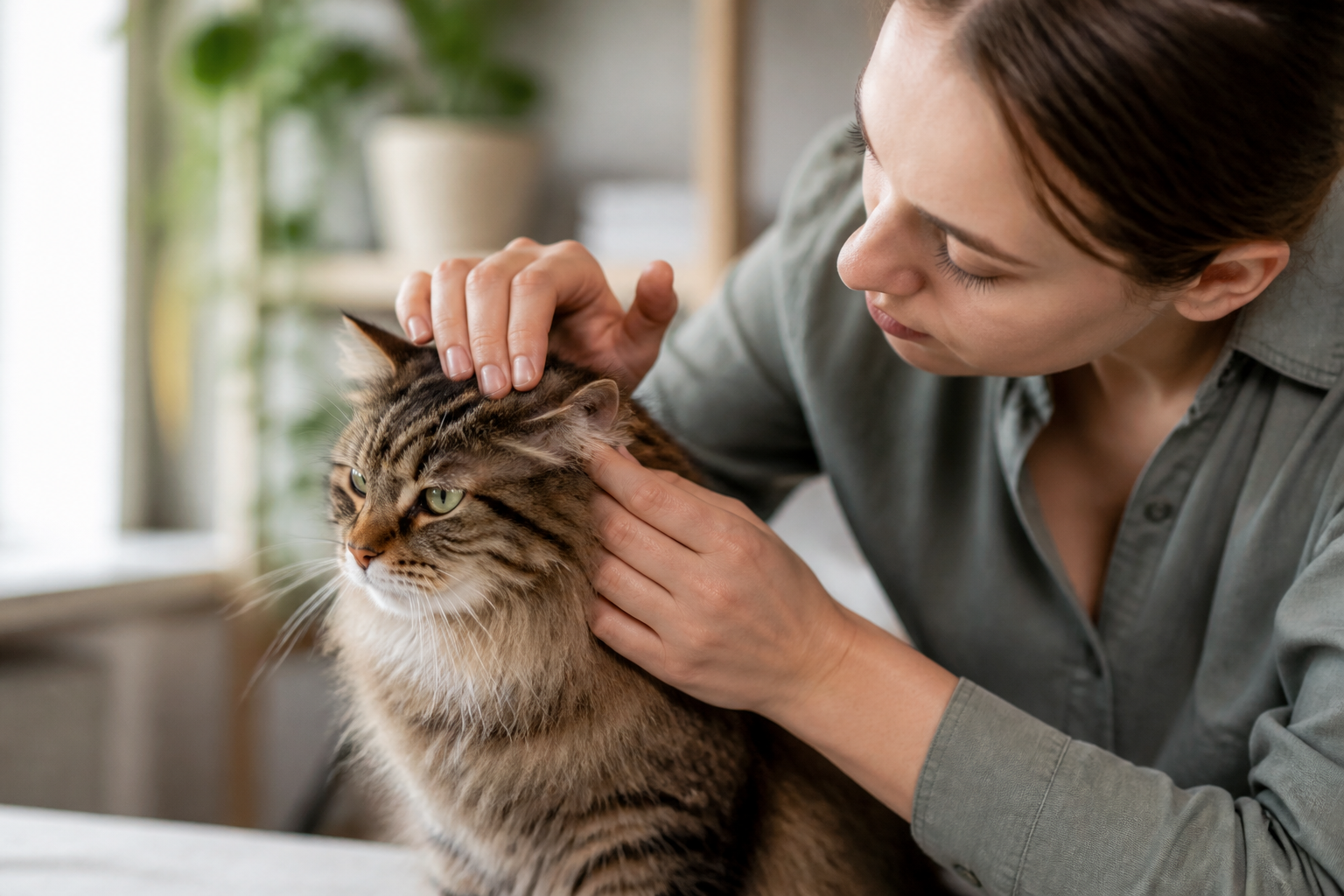
- Step 1: Inspect the skin. Check for redness, scabs, or moving mites.
- Step 2: Start a brushing routine. Use a soft brush daily to remove flakes and distribute oils.
- Step 3: Increase moisture. Incorporate wet food and ensure fresh water is always available.
- Step 4: Add supplements. Introduce Omega fatty acids to support skin health.
- Step 5: Monitor progress. If flakes do not improve in two weeks, consult your vet.
Key Takeaway: Consistent brushing and improved hydration are the most effective home remedies for cat dandruff. Most cases of tail dandruff resolve when the cat receives a little extra help with their grooming routine.
Utilizing the BaxterBoo Pharmacy
When dandruff is caused by an underlying medical condition, a lifestyle change might not be enough. If your veterinarian diagnoses a skin infection, a parasitic infestation, or a chronic illness, they may prescribe specific treatments. This is where our pet pharmacy can help.
Through our partnership with Pet's Choice, we offer access to a full range of FDA-approved medications. This includes prescription flea and tick preventives that can eliminate "walking dandruff" mites. We also carry prescription diets formulated for cats with sensitive skin or those managing conditions like diabetes.
By using our pharmacy, you can have these essential health supplies delivered right to your door. This is a practical way to manage your cat's long-term health while saving time. If your vet provides a prescription for a medicated shampoo or a specific diet, we are ready to help you fulfill that order quickly and reliably.
The Role of Weight Management
Since obesity is a primary cause of tail dandruff, helping your cat reach a healthy weight is a long-term solution. When a cat loses weight, they regain the flexibility needed to groom their entire body. This naturally prevents the buildup of flakes.
Talk to your vet about a calorie-controlled diet. You can also increase your cat's activity levels with interactive toys. Even five to ten minutes of play twice a day can help a cat burn extra calories. As they get closer to their ideal weight, you will likely notice that the dandruff on their tail begins to disappear on its own.
For additional guidance related to healthy feline weight management, read how to help an indoor cat lose weight.
Seasonal Shifts and Skin Care
It is common to see a spike in dandruff during the transition between seasons. In the spring and fall, cats undergo heavy shedding cycles. During these times, the sheer volume of loose hair can trap skin flakes and make the dandruff look much worse than it actually is.
During these peak shedding months, you may need to increase your grooming frequency. Brushing your cat twice a day during the spring and fall can prevent those flakes from settling at the base of the tail. This also helps reduce the number of hairballs your cat might develop from trying to groom the excess fur themselves.
Grooming Tools for Different Coats
The type of brush you use matters. A cat with a thick, plush coat will need a different tool than a sleek, short-haired cat.
- Short-haired cats: Use a rubber curry brush or a soft bristle brush. These are excellent for massaging the skin and removing surface flakes without being abrasive.
- Long-haired cats: You will need a stainless steel comb or a slicker brush. These tools can reach through the long topcoat to the undercoat where dandruff often hides.
- Senior cats: Choose extra-soft brushes. Senior cats often have thinner skin and more prominent joints, so they require a very gentle touch.
Bottom line: Tail dandruff is often a physical problem caused by a cat's inability to reach their lower back, but it can be managed with the right tools and nutritional support.
Final Thoughts on Feline Skin Health
Seeing dandruff on your cat's tail can be frustrating, but it is a manageable condition. Usually, it is a signal that your cat needs a little extra help from you. Whether it is adding a supplement to their bowl or spending a few minutes each day brushing their fur, these small changes can make a big difference.
If home care does not seem to help, remember that our pharmacy is a great resource for prescription diets and medications. We have been serving pet owners since 2006, and we are committed to providing the products you need for every stage of your cat's life.
Consider signing up for our Autoship programme for your cat's food and supplements. Not only do you save on your first order, but you also receive a free MVP Gold membership. This ensures you never run out of the supplies that keep your cat's coat shiny and flake-free. Our team is always here to help you find exactly what you need to keep your feline friend comfortable and healthy.
FAQ
Is cat dandruff the same as fleas?
No, dandruff and fleas are different, but they can occur at the same time. Dandruff consists of white or grey skin flakes, while flea dirt looks like small black specks of pepper on the skin. If the flakes are moving, it might be "walking dandruff" mites, which require a veterinary visit for treatment.
Can I use human dandruff shampoo on my cat?
You should never use human dandruff shampoo on a cat. Human products are formulated for a different pH level and often contain ingredients that are toxic to cats if swallowed during grooming. Always use a shampoo specifically labeled for feline use, or consult your vet for a prescription topical treatment.
Why is my cat's dandruff only at the base of the tail?
The base of the tail is a high-oil area with many sebaceous glands, making it prone to buildup. It is also the most difficult spot for a cat to reach if they are overweight, have arthritis, or are simply feeling stiff. When a cat cannot groom an area, dead skin cells and oils accumulate quickly.
Will brushing my cat every day get rid of dandruff?
Daily brushing is one of the most effective ways to reduce dandruff. It manually removes the dead skin flakes and helps distribute the natural oils that keep skin healthy. While brushing manages the symptoms, you should still look for underlying causes like dry air or a lack of fatty acids in their diet.