Save 15% on your 1st Autoship learn more

 Email us
 Live Chat
 FAQs
FAQs





Introduction
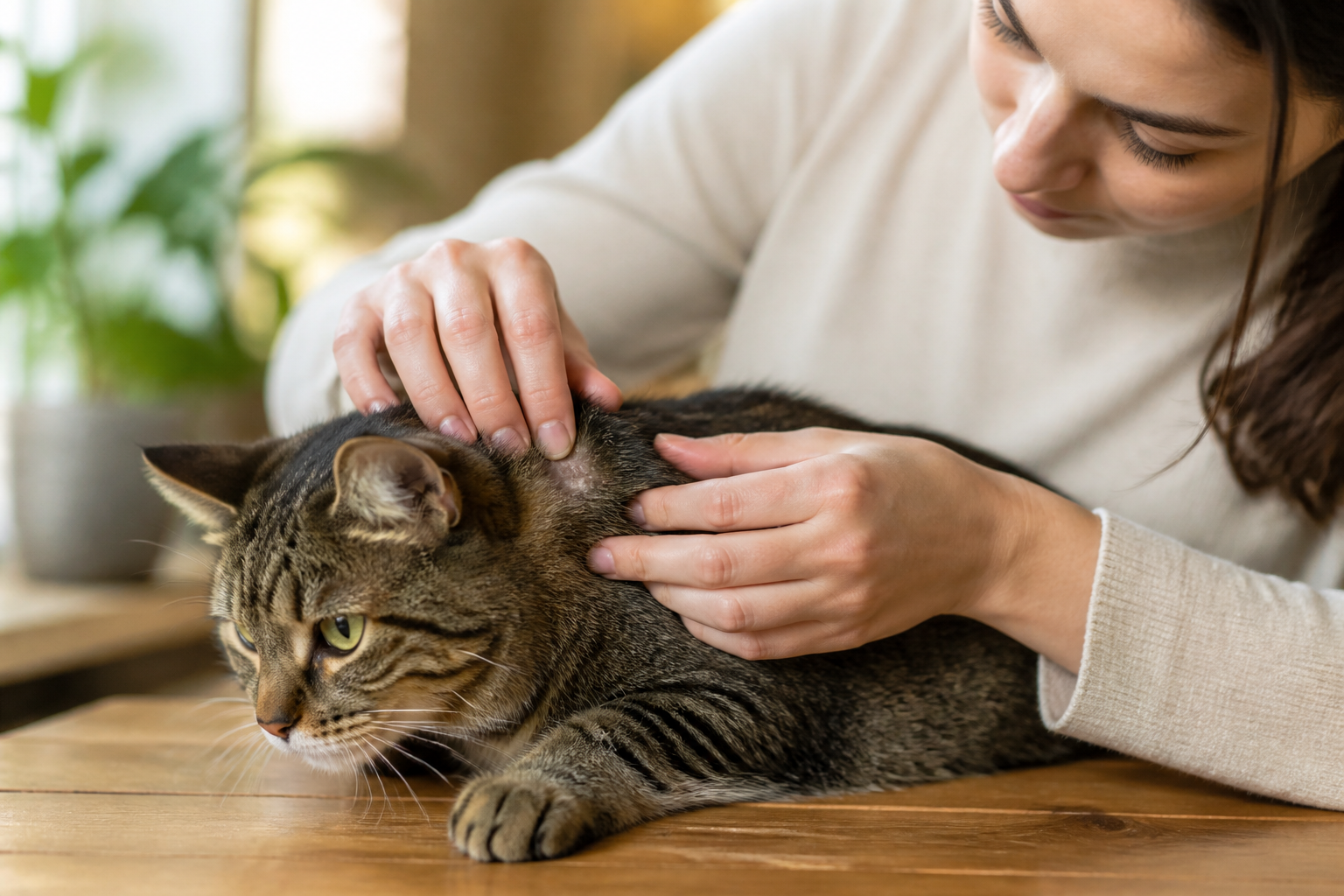
You are sitting on the sofa petting your cat when you notice something unusual. Small white flakes are scattered across their dark fur, particularly near the base of the tail. It looks like a light dusting of snow, but it does not brush away easily. At BaxterBoo, we frequently hear from pet owners who are surprised to find that cats can get dandruff just like humans do. While a few flakes might seem like a simple cosmetic issue, they often point to something deeper regarding your cat’s skin health or internal wellness. This article explores why these flakes appear, how to distinguish them from other skin issues, and what steps you can take to restore your cat's sleek, glossy coat. Our goal is to help you understand when to manage this at home and when it is time to call the veterinarian.
Quick Answer: Dandruff on a cat is a visible buildup of dead skin cells caused by factors like dry air, poor grooming, or underlying health issues. While mild cases may improve with better nutrition and grooming, persistent flaking often requires a veterinary exam to rule out parasites or medical conditions.
Defining Dandruff on a Cat
Dandruff is technically known as seborrhea. It occurs when the sebaceous glands in the skin produce too much oil or when the skin cell turnover process happens too quickly. These dead cells clump together and become visible to the naked eye. In a healthy cat, skin cells shed individually and are usually microscopic. You typically only see them when they accumulate into the larger flakes we call dandruff.
It is helpful to understand the difference between dandruff and dander. Dander consists of the microscopic skin cells that all cats shed naturally. It is a normal part of feline physiology and is often what triggers allergies in humans. Dandruff, however, is a sign that the skin barrier is struggling. You might see it as dry, white flakes, or it can sometimes appear oily and yellowish.
You should also be able to tell the difference between dandruff and flea dirt. Flea dirt looks like small specks of black pepper on the skin. If you place those black specks on a damp white paper towel and they turn red, that is flea dirt, which is actually flea waste containing digested blood. Dandruff will remain white or gray and will not change color when wet.
Bottom line: Dandruff is the visible accumulation of dead skin cells that indicates an imbalance in your cat’s skin health.
Common Environmental and Lifestyle Causes
The environment inside your home plays a major role in your cat's skin condition. During the winter months, many households use forced air heating which strips moisture from the air. This dry environment can cause a cat’s skin to lose its natural hydration, leading to irritation and flaking. If you notice the dandruff only appears when the heater is running, low humidity is a likely culprit.
Hydration also comes from within. Cats have a naturally low thirst drive because their ancestors obtained most of their moisture from prey. If a cat eats a diet consisting strictly of dry kibble and does not drink enough water, they can become mildly dehydrated. This lack of moisture often shows up first in the quality of their coat and the suppleness of their skin.
Stress is another lifestyle factor that can manifest physically. When a cat is stressed by a move, a new pet, or changes in the household, their body may react by producing more skin oils or shedding more excessively. This can lead to a sudden "flare up" of flakes. Monitoring your cat's environment for stressors can sometimes provide the answer to why their skin has suddenly become flaky. For more ways to support overall feline wellness, explore this guide to building a healthy feline immune system.
Mobility Issues and Senior Cat Care
One of the most frequent reasons we see dandruff on a cat is a decline in grooming. Cats are normally meticulous about their hygiene. However, as they age, many develop osteoarthritis. This makes it painful to twist and reach certain areas of their body, specifically the lower back and the base of the tail. When a cat stops grooming these areas, dead skin cells and loose hair build up, resulting in heavy dandruff.
Obesity causes similar problems. If a cat is carrying extra weight, they simply cannot reach their hindquarters to groom effectively. This leads to a cycle where the skin becomes oily and flaky, and the fur may start to mat. In these cases, the dandruff is not a primary skin disease but a secondary symptom of a physical limitation. If weight may be affecting your cat’s grooming routine, read this guide to helping an indoor cat lose weight.
If you have a senior cat or a cat struggling with weight, they rely on you to bridge the gap in their grooming routine. Helping them reach those difficult spots can significantly reduce the amount of visible dandruff. It also gives you a chance to check for lumps, bumps, or signs of discomfort that might otherwise go unnoticed.
Vet Tip: If your older cat has dandruff concentrated on their lower back, it is often a sign of feline arthritis. Consult your veterinarian about mobility support and pain management to help your cat feel comfortable enough to groom again.
Nutritional Needs for Skin Health
The skin is the largest organ of the body, and it requires a significant amount of protein and specific fats to remain healthy. If a cat’s diet is lacking in essential fatty acids, the skin barrier becomes weak. This allows moisture to escape and irritants to enter, causing dryness and flaking. Omega-3 and Omega-6 fatty acids are crucial for maintaining that "waterproof" seal on the skin. You can browse skin and coat health products for cats for food, supplements, and other supportive care options.
Many premium cat foods, such as those from Open Farm or Stella and Chewy's, include these essential fats. However, some cats may need an extra boost through supplements. Fish oil is a common choice, but it is important to use products specifically formulated for cats. Human supplements can sometimes contain concentrations or additional ingredients that are not ideal for feline metabolism.
Protein quality also matters. Since hair and skin cells are made largely of protein, a diet that is low in high-quality animal protein can lead to a dull, brittle coat and flaky skin. We often recommend looking for foods where a named animal protein is the first ingredient. This ensures your cat has the building blocks necessary for a healthy coat. For additional nutrition considerations, see our cat food collection.
Parasites and "Walking Dandruff"
Not all dandruff is just dry skin. There is a specific type of mite called Cheyletiella that causes a condition nicknamed "walking dandruff." These mites are large enough to be seen with the naked eye, and as they move underneath the scales of the skin, it looks like the dandruff is actually moving. This is a highly contagious parasite that can spread between cats, dogs, and even humans.
If your cat has Cheyletiella, they will usually be quite itchy. You might notice them scratching more than usual or developing small red bumps on their skin. This condition requires medical treatment to eliminate the mites. It is not something that can be resolved with simple brushing or better food.
Fleas can also contribute to dandruff. Some cats have an allergy to flea saliva, known as flea allergy dermatitis. Even a single flea bite can cause a massive inflammatory reaction. This leads to redness, scabs, and significant flaking. Keeping your cat on a consistent flea preventive is the best way to prevent this type of skin irritation. This overview of flea and tick prevention products covers several prevention approaches.
Key Takeaway: If the flakes on your cat appear to be moving or are accompanied by intense itching, you may be dealing with a parasitic infection like Cheyletiella mites.
Medical Conditions Linked to Flaky Skin
Sometimes dandruff on a cat is a sign of an internal health struggle. Conditions like hyperthyroidism or diabetes mellitus can change the way a cat’s body processes nutrients and maintains its skin. In cats with hyperthyroidism, the metabolism is revved up, which can lead to a greasy or unkempt coat and flaky skin.
Diabetes can cause dehydration and changes in skin elasticity. Cats with these conditions often show other signs, such as increased thirst, frequent urination, or changes in appetite. If the dandruff is accompanied by these systemic symptoms, it is vital to get a full blood panel from your veterinarian.
Allergies are another major player. Just like humans, cats can be allergic to things in their environment like dust, pollen, or mold. They can also have food sensitivities. These allergies often manifest as skin inflammation. When the skin is inflamed, it does not shed cells properly, leading to the accumulation of flakes. Identifying and removing the allergen is the only way to truly stop the dandruff in these cases. For related nutrition concerns, read about sensitive stomach food choices for cats.
Managing Dandruff Through Grooming
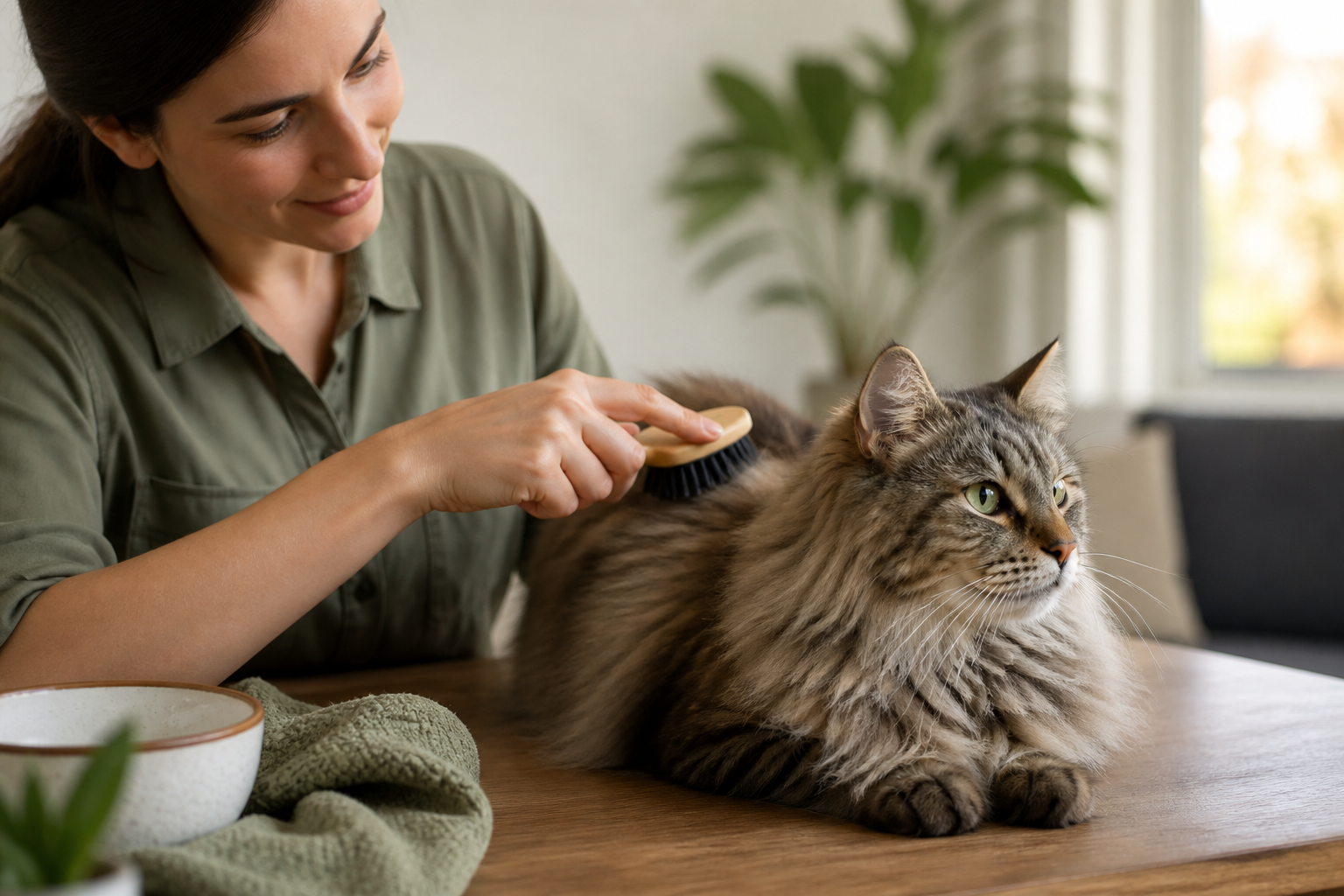
As a specialty pet superstore in Vernon Hills, BaxterBoo carries a wide range of tools designed to help you manage your cat’s coat. Regular brushing is the most effective way to remove dead skin cells before they clump into dandruff. For short-haired cats, a rubber grooming tool like the Kong ZoomGroom can gently massage the skin and stimulate the production of natural oils while pulling away loose fur. Browse our cat grooming collection for brushes, combs, wipes, and other coat-care supplies.
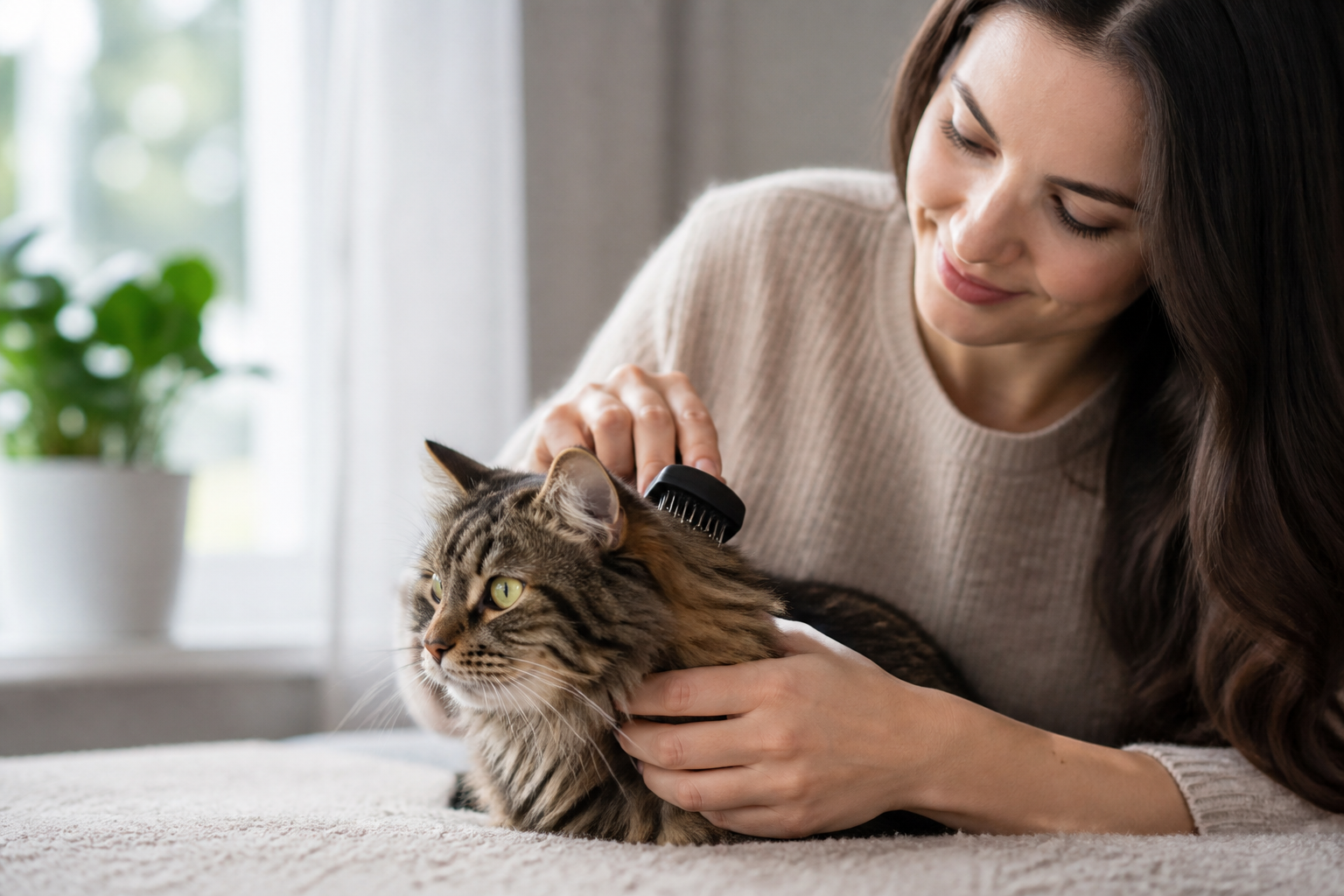
Long-haired cats require more intensive care. Using a fine-tooth comb or a slicker brush helps prevent mats and moves oils from the base of the hair down to the tips. If your cat has mobility issues, you should aim to brush them daily. Focus on the areas they cannot reach, such as the base of the tail and the middle of the back. You can also compare different options in our brushes and combs collection.
Grooming wipes can also be a helpful tool. These are pre-moistened cloths designed to clean the fur and moisturize the skin without the stress of a full bath. Most cats dislike water, so wipes are a much kinder way to manage a flaky coat. Look for wipes that contain soothing ingredients like aloe or vitamin E, and avoid any products with heavy perfumes or alcohols that could further dry out the skin.
Bottom line: A consistent grooming routine using the right tools can significantly reduce dandruff by manually removing dead cells and distributing natural skin oils.
The Role of the BaxterBoo Pharmacy
When dandruff is caused by a medical condition or a parasitic infection, over-the-counter shampoos and brushes are often not enough. This is where our pet pharmacy for cats becomes a vital resource for your pet’s health. Through our partnership with Pet's Choice, we provide access to FDA-approved medications that can address the root cause of your cat's skin issues.
Our pharmacy carries a variety of prescription products, including:
- Prescription flea and tick preventives for cats with severe allergies or infestations.
- Medicated shampoos that treat fungal infections like ringworm or bacterial dermatitis.
- Prescription diets, such as Farmina Vet Life, formulated specifically for skin sensitivities or weight management.
- Medications for underlying conditions like hyperthyroidism or diabetes that may be affecting coat health.
Having access to a pharmacy means you can get the exact treatment your veterinarian recommends delivered right to your door. Whether your cat needs a specialized diet to manage allergies or a specific medication to kill mites, we are here to support that medical journey. This partnership ensures that you are getting genuine, safe medications for your cat’s ongoing wellness needs.
Transitioning to a Dandruff-Free Routine
If you are ready to tackle the flakes, it is best to start with a gradual approach. Sudden changes can stress a cat, which may worsen the skin condition. Begin by adding a few minutes of gentle brushing to your daily routine. Observe your cat's reaction and make sure it is a positive experience for them.
Step 1: Assess the environment. / If your home is very dry, consider adding a humidifier to the room where your cat spends the most time. This is often the easiest first step in treating mild winter dandruff.
Step 2: Evaluate the diet. / Ensure you are feeding a high-quality food with adequate moisture. If you only feed dry kibble, try introducing a small amount of wet food each day to increase hydration.
Step 3: Begin a grooming schedule. / Use a soft brush or rubber curry brush to remove existing flakes. Do this once or twice a week for short-haired cats and daily for long-haired or senior cats.
Step 4: Consult a professional. / If you see no improvement after two weeks, or if you notice redness and itching, schedule a vet visit. They can provide the necessary diagnosis and work with our pharmacy to get you the right treatment.
When to Seek Veterinary Care
While a few flakes can often be handled at home, you should never ignore persistent or severe dandruff. Your cat’s skin is a window into their overall health, and changes there can be early warning signs of internal issues. A professional diagnosis is especially important if the dandruff is localized to specific patches or if you see any broken skin.
You should call your vet if you notice:
- Intense itching, biting, or over-grooming of the skin.
- Redness, sores, or scabbing underneath the flakes.
- Hair loss or thinning patches of fur.
- A foul odor coming from the skin or coat.
- Systemic signs like weight loss, increased thirst, or lethargy.
Veterinarians can perform simple tests like a skin scrape to look for mites under a microscope or a fungal culture to rule out ringworm. These tests are the only way to be sure about what is causing the dandruff. Once you have a diagnosis, you can move forward with confidence, knowing you are treating the actual problem rather than just the symptoms.
Vet Tip: Never use human dandruff shampoos on your cat. Many of these contain zinc, coal tar, or salicylic acid, which can be toxic to cats if they lick their fur after a bath. Always use products specifically labeled for feline use.
Conclusion
Managing dandruff on a cat requires a combination of good nutrition, environmental awareness, and consistent grooming. Whether the flakes are caused by the dry winter air or a senior cat's struggle with arthritis, identifying the source is the first step toward relief. We are committed to providing the products and expertise you need to keep your cat’s coat in peak condition. From high-quality brushes to specialized supplements and our pharmacy partnership with Pet's Choice, we offer a comprehensive approach to feline skin care. By staying observant and proactive, you can help your cat feel comfortable and look their best. To get started with the right supplies for your cat’s coat, visit our Cat Grooming section or explore our Pharmacy for prescription needs.
FAQ
Is it normal for cats to have a little bit of dandruff?
A very small amount of white flaking can be normal, especially during seasonal changes or in older cats who may miss a spot while grooming. However, if the flakes are numerous, persistent, or accompanied by itching and redness, it usually indicates an underlying issue that needs attention. Healthy cat skin should generally be supple and the coat should remain glossy without visible debris.
Can I get rid of my cat's dandruff by bathing them?
Bathing a cat can actually make dandruff worse if the water is too hot or if you use a harsh soap that strips away natural oils. Most cats do not require regular baths because they are self-grooming animals. If a bath is necessary, use a moisturizing, soap-free shampoo specifically formulated for cats and ensure you rinse the coat thoroughly to avoid leaving irritating residue behind.
Why is the dandruff mostly at the base of my cat's tail?
The base of the tail and the lower back are the hardest areas for a cat to reach, especially if they are senior, overweight, or suffer from arthritis. When a cat cannot groom these areas effectively, dead skin cells and shed hair accumulate, making dandruff much more visible there. Daily brushing of these specific spots can help significantly reduce the flaking.
Does my cat's diet really affect their skin flakes?
Yes, nutrition is one of the most significant factors in skin health. Cats require specific levels of animal protein and essential fatty acids like Omega-3 and Omega-6 to maintain a strong skin barrier. If their diet is low in these nutrients, the skin can become dry, brittle, and prone to flaking. Adding a fish oil supplement or switching to a higher-quality food often improves the coat within a few weeks.