Save 15% on your 1st Autoship learn more

 Email us
 Live Chat
 FAQs
FAQs





Introduction
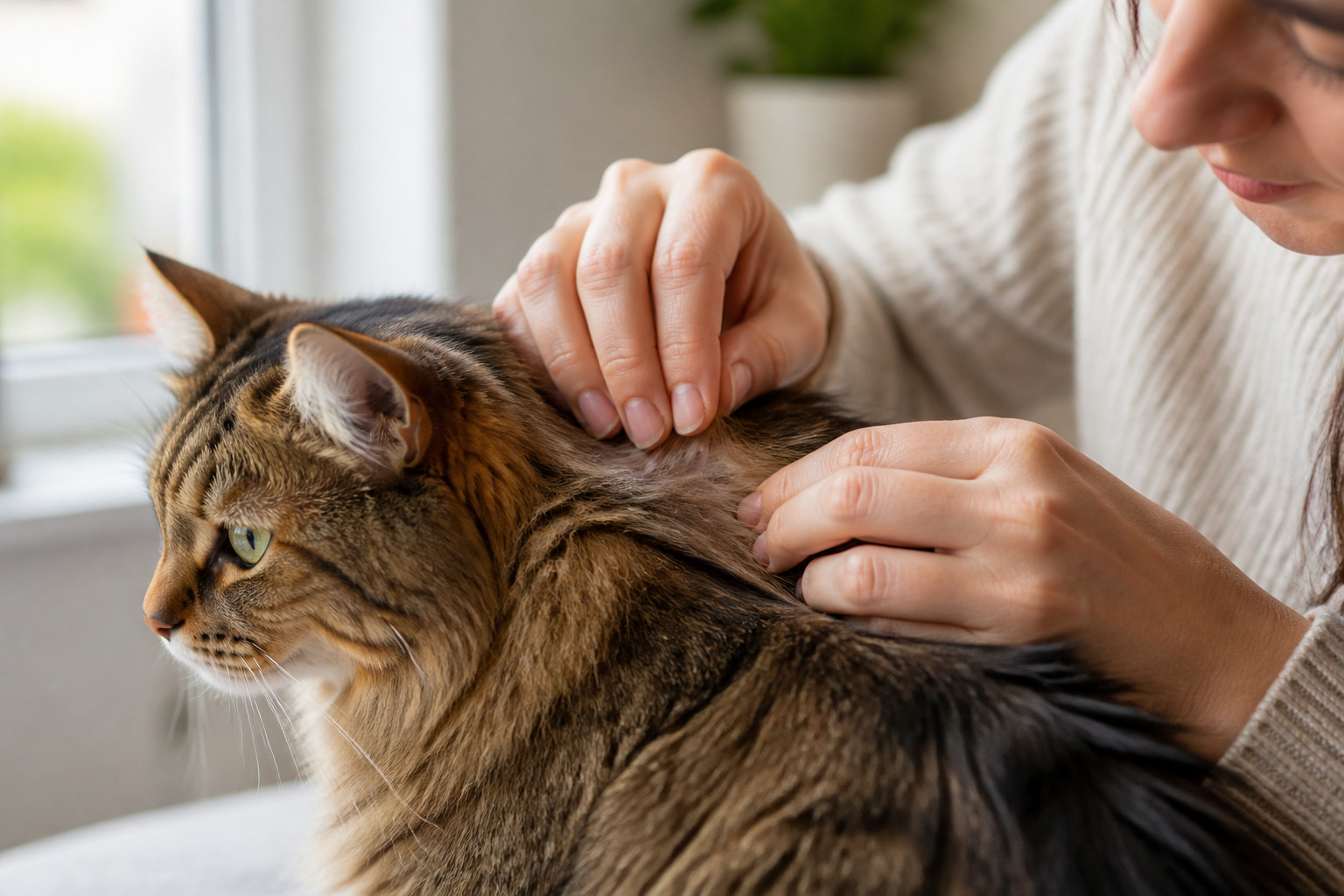
You are watching your dog scratch at their ears again or noticing their tummy seems gassy after every meal. These small signs of discomfort often lead pet parents to look closer at the food bowl. Many are now choosing grain free dog food with probiotics to address food sensitivities and support better digestive wellness. At BaxterBoo, we understand that finding the right balance of nutrition can be overwhelming with so many options available. This post explains why combining a grain-free recipe with beneficial bacteria might be the best move for your pup. We will cover how these ingredients work together, what to look for on a label, and how a healthy microbiome supports the rest of the body. Helping your dog feel better starts with understanding what goes into their stomach.
What Exactly is Grain Free Dog Food with Probiotics?
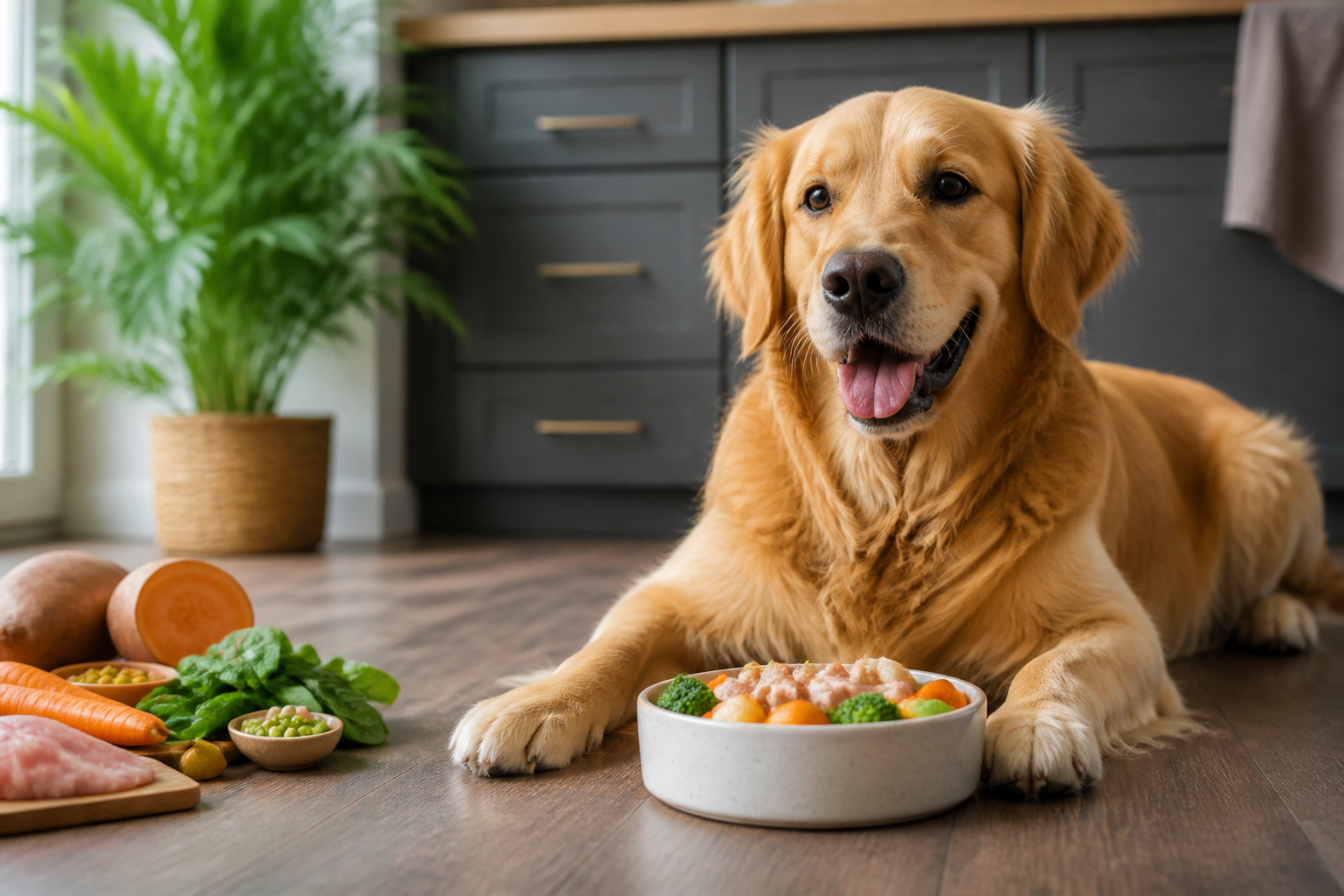
Grain free dog food is a formula that skips traditional grains like wheat, corn, rice, barley, and oats. Instead, these recipes use alternative carbohydrate sources like sweet potatoes, peas, or lentils to provide energy. This approach is often used for dogs that have specific sensitivities to grain or for owners who prefer a high protein diet for their pets. You can compare options in our grain-free dog food collection.
Probiotics are live, beneficial bacteria that live in your dog’s digestive tract. When added to dog food, they help maintain a healthy balance of "good" versus "bad" bacteria in the gut. When you combine these two elements, you get a meal designed to be easy on the stomach while actively supporting the immune system.
Understanding the Grain-Free Choice
Many people choose grain-free options because they want to mimic a more ancestral diet for their dogs. While grains are not inherently bad for most dogs, some individuals struggle to digest them efficiently. This can lead to bloating or soft stools. By removing these ingredients, the food often becomes more nutrient-dense with a higher focus on animal-based proteins.
The Science of Probiotics
The gut is home to trillions of microorganisms. This community is called the microbiome. Probiotics help replenish this community, especially after a dog has been on antibiotics or has experienced a stressful event. These beneficial bacteria assist in breaking down food and absorbing essential vitamins. For more ideas, read about easy and affordable diets for dogs with sensitive stomachs.
Quick Answer: Grain free dog food with probiotics is a diet formulated without wheat, corn, or rice that includes added beneficial bacteria. It is designed to support dogs with sensitive stomachs and strengthen their overall immune health.
Why Gut Health Matters for Every Dog
It is easy to think of the gut as just a place for digestion. However, the digestive system actually houses about 70 percent of a dog’s immune system. If the gut is out of balance, the rest of the body can suffer. A healthy microbiome acts as a barrier against pathogens and harmful toxins.
When the gut is healthy, your dog can absorb more nutrients from their high-quality food. This leads to better energy levels, a shinier coat, and stronger muscles. Without proper gut support, even the most expensive food might not be doing its full job because the body cannot process the nutrients correctly.
The Immune System Connection
Probiotics communicate with the immune cells in the intestinal lining. This helps the body distinguish between harmless food particles and dangerous invaders. For dogs with allergies, a healthy gut can sometimes help dampen the overactive immune response that leads to itchy skin or hot spots. If skin sensitivity is a concern, see our guide to sensitive skin dog food.
Nutrient Absorption and Vitality
A balanced gut helps produce short-chain fatty acids. These compounds provide energy to the cells lining the colon and help reduce inflammation. When these cells are healthy, the intestinal barrier remains strong. This prevents "leaky gut," where undigested food particles enter the bloodstream and cause systemic issues.
Key Takeaway: A healthy gut is the foundation of a strong immune system and efficient nutrient absorption, making probiotics a vital part of daily wellness.
Common Signs Your Dog May Benefit from This Diet
Not every dog needs a grain-free diet, but many show clear signs that their current food is not working. If you notice any of the following issues, it might be time to discuss a change with your veterinarian.
- Frequent gas or a gurgling stomach after eating.
- Intermittent loose stools or chronic diarrhea.
- Excessive licking of paws or itchy skin.
- Chronic ear infections that keep returning.
- Dull coat and dry, flaky skin.
- Lower than usual energy or "fussy" eating habits.
Vet Tip: If your dog has sudden or severe digestive changes, always consult your veterinarian first. They can rule out underlying medical conditions or parasites before you make a major dietary switch.
Evaluating Ingredients in Probiotic Dog Food
When you are browsing our warehouse or website, the ingredient list is your best tool. Not all probiotic foods are created equal. You want to see specific details about what is inside the bag.
High-Quality Proteins
The first ingredient should always be a named animal protein. Look for chicken, lamb, salmon, or beef. Avoid generic terms like "meat meal" or "animal by-products." High-quality protein provides the amino acids your dog needs for muscle maintenance. Brands like Nulo and Health Extension are excellent examples of recipes that prioritize real meat.
Functional Carbohydrates
Since the food is grain-free, look for slow-burning carbs. Sweet potatoes and chickpeas are great options. They provide fiber, which helps the probiotics do their job. Fiber acts as a "prebiotic," which is basically the food that the good bacteria eat to thrive.
Guaranteed Probiotic Counts
Check the "Guaranteed Analysis" section on the back of the bag. Reputable brands will list the number of Colony Forming Units (CFUs) per pound. If the bag does not list the amount of probiotics, they might not be present in a high enough volume to be effective. For example, Professional+ formulas often guarantee 80 million CFU per pound.
- Lactobacillus acidophilus: Supports digestion and immune function.
- Enterococcus faecium: Helps maintain a healthy balance of bacteria.
- Bacillus coagulans: A hardy strain that survives the cooking process well.
How Probiotics Survive the Kibble Making Process
One of the biggest challenges with adding probiotics to dry dog food is heat. Most kibble is made using an extrusion process that involves high temperatures. This heat can kill delicate bacteria before the food even reaches the bag.
To solve this, many premium brands use a few different methods. Some apply the probiotics as a coating after the kibble has cooled down. Others use "spore-forming" bacteria like Bacillus coagulans. These strains have a naturally protective shell that allows them to survive the heat of cooking and the acidic environment of the stomach. You can also explore our selection of Stella & Chewy's products for grain-free and probiotic-focused options.
Key Takeaway: Look for brands that use heat-stable probiotic strains or apply them after the cooking process to ensure your dog actually receives live, beneficial bacteria.
Selecting the Right Brand for Your Dog
We carry several trusted brands that specialize in grain-free nutrition and gut health. Every dog is different, so you may need to try a few options to find the perfect fit.
Nulo FreeStyle
Nulo is a favorite for active dogs. Their FreeStyle line is entirely grain-free and includes a patented probiotic called BC30. This strain is specifically designed to survive the manufacturing process and the journey through the digestive tract. It helps support both immune health and metabolic balance.
Health Extension
Health Extension offers grain-free recipes that include a "superfood" blend. They use real meat and easy-to-digest carbs like sweet potatoes. Their recipes are boosted with probiotics and prebiotics, making them a great choice for dogs with sensitive tummies. They also offer "Little Bites" for smaller breeds who need a smaller kibble size.
Stella and Chewy's
If you want to add a boost to your dog's meal, Stella and Chewy’s offers freeze-dried raw options and raw-coated kibble. Many of their recipes include probiotics to mirror a natural, ancestral diet. Their focus on high protein and minimal processing is excellent for dogs with significant food sensitivities.
Managing Chronic Digestive and Skin Conditions
Sometimes, a standard over-the-counter food is not enough for a dog with severe health issues. If your dog suffers from chronic inflammatory bowel disease or severe environmental allergies, they may need a specialized diet.
Our pharmacy offers access to FDA-approved medications and prescription pet foods through our partnership with Pet's Choice. We carry lines like Farmina Vet Life, which are specifically formulated for managing health conditions under veterinary supervision. This includes diets for weight management, urinary health, and gastrointestinal support. For prescription medication needs, visit our pet pharmacy.
If your vet has written a prescription for a specific diet or a medication to help with gut inflammation, we can help you fulfill it. This combination of specialty retail and pharmacy services ensures you have everything you need to manage your dog's health in one place.
How to Transition Your Dog to New Food Safely
Even the best food can cause an upset stomach if you switch too quickly. This is especially true when moving to a probiotic-rich diet, as the microbiome needs time to adjust to the new bacteria.
Step 1: Mix 25 percent of the new food with 75 percent of the old food for the first three days.
Step 2: Increase to a 50/50 mix for the next three days.
Step 3: Move to 75 percent new food and 25 percent old food for days seven through nine.
Step 4: Serve 100 percent of the new food on day ten.
During this time, monitor your dog's energy and stool consistency. A small amount of gas is normal during a transition, but severe diarrhea means you should slow the process down. For additional guidance, read how dry food changes can affect diarrhea and digestion.
Bottom line: A slow, ten-day transition helps the digestive system adapt to new proteins and beneficial bacteria without causing unnecessary stress.
Conclusion
Choosing a grain free dog food with probiotics is a proactive way to support your dog’s long-term health. By removing common fillers and adding beneficial bacteria, you are giving their immune system and digestive tract the tools they need to thrive. Whether your dog has a sensitive stomach or you simply want to provide the best possible nutrition, these formulas offer high-quality protein and functional support.
- Look for named animal proteins as the first ingredient.
- Verify the probiotic count on the guaranteed analysis.
- Transition slowly to avoid digestive upset.
- Consult your vet for chronic issues or prescription needs.
Note: You can earn up to 5 percent back on every bag of food through our MVP Rewards program. For even more convenience, sign up for our Autoship programme to save on your first order and ensure you never run out of your dog’s favorite recipe.
FAQ
Can puppies eat grain free dog food with probiotics?
Yes, many grain-free probiotic recipes are formulated for "all life stages," which includes puppies. However, it is important to check the AAFCO statement on the bag to ensure it meets the specific nutritional levels for growth. Puppies have different calcium and phosphorus needs than adults, so always double-check the label or ask your vet.
How long does it take to see results after switching to probiotic food?
You might notice improvements in stool quality within the first week or two. For skin and coat changes, it usually takes about six to eight weeks to see a significant difference. This is because it takes time for the skin cells to regenerate and for the inflammatory response to calm down.
Is grain-free food the cause of heart issues in dogs?
The FDA investigated a potential link between grain-free diets and a heart condition called DCM. However, by 2022, the FDA stated that no causal link had been identified. Many factors, including genetics and overall nutritional balance, play a role in heart health. It is always best to choose a well-researched brand and stay in touch with your veterinarian.
What is the difference between prebiotics and probiotics?
Probiotics are the live, beneficial bacteria themselves. Prebiotics are types of fiber, like chicory root or inulin, that act as food for those bacteria. For the best results, look for a dog food that contains both, as the prebiotics help the probiotics grow and stay active in the gut.