
 Save 15% on your 1st Autoship learn more

 Email us
 Live Chat
 FAQs
FAQs





Introduction
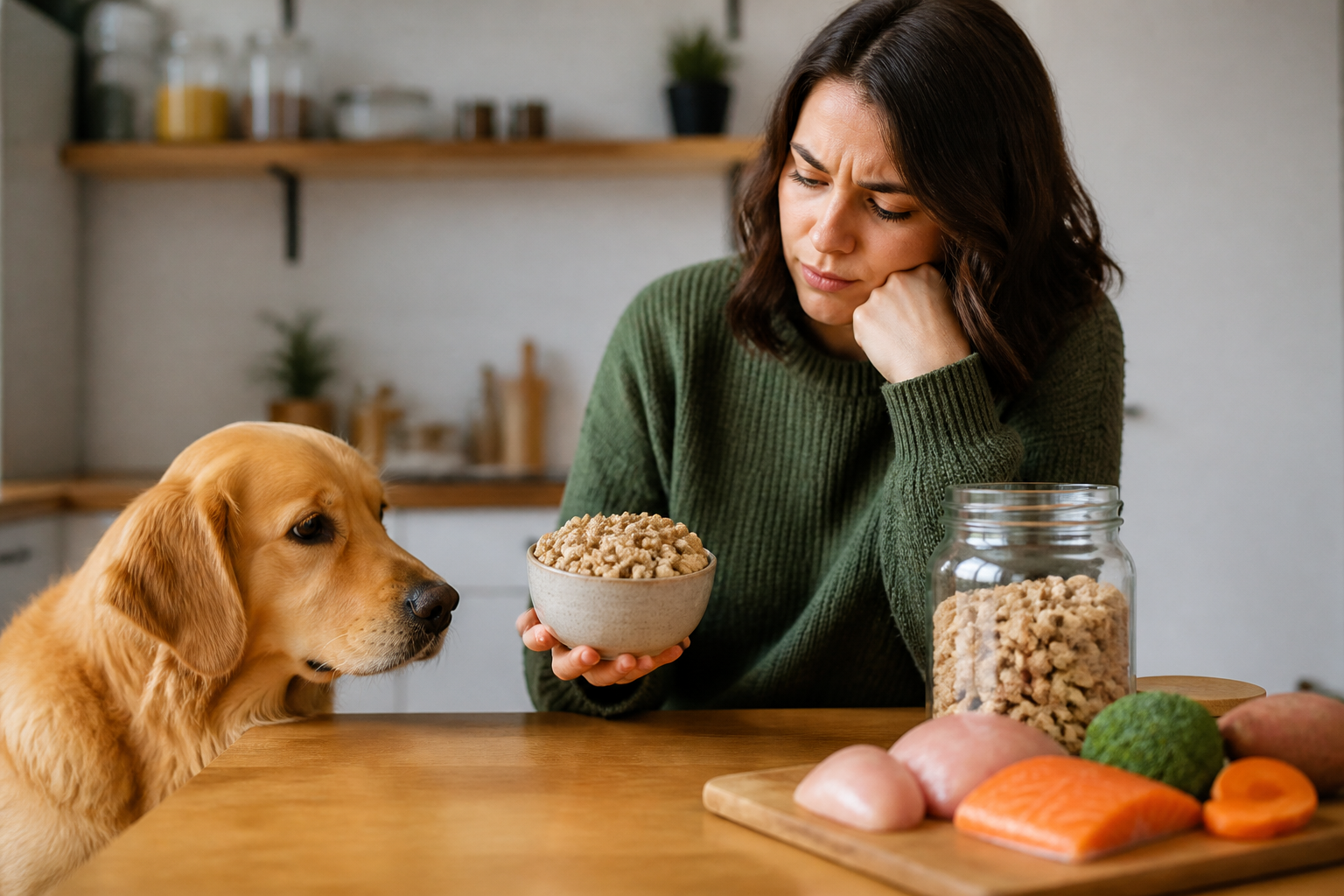
You are standing in the pet food aisle, comparing a small bag of freeze dried nuggets to a massive bag of traditional kibble. The price tag on the smaller bag is significantly higher. It is a common moment of sticker shock for many dog owners. You want the best for your pet, but the math does not seem to add up at first glance. At BaxterBoo, we hear this question frequently from customers who want to upgrade their dog's nutrition without breaking the bank. This article explains the high-tech process, the ingredient quality, and the weight economics that drive the cost of these premium diets. Understanding these factors helps you decide if the nutritional payoff is worth the investment for your dog's long term health.
Quick Answer: Freeze dried dog food is expensive because the sublimation process requires sophisticated machinery and massive amounts of energy. You are also paying for high-quality raw ingredients that have lost 70 percent of their water weight, making the food extremely nutrient-dense.
The High Cost of Sublimation Technology
The primary reason for the price gap is the technology used to make the food. Traditional kibble is made through extrusion. This involves mixing ingredients and cooking them at high temperatures and pressure. It is a fast and efficient way to mass-produce food. Freeze-drying is the opposite. It is a slow, multi-stage process called sublimation.
First, the raw ingredients are flash-frozen at extremely low temperatures. Next, the food is placed in a vacuum chamber. A tiny amount of heat is applied. Because of the vacuum, the ice in the food turns directly into water vapor without ever becoming liquid. This preserves the cellular structure of the meat, vegetables, and fruits.
Energy and Equipment Requirements
The machinery required for sublimation is industrial-grade and very expensive to maintain. These machines must run for 24 to 48 hours just to process a single batch. This uses a significant amount of electricity compared to the minutes it takes to bake a batch of kibble.
Skilled Labor
This is not a "set it and forget it" process. Technicians must monitor vacuum pressure and temperature curves constantly. If the pressure drops or the temperature rises too quickly, the batch can be ruined. You are paying for the precision required to keep the food raw and safe.
Key Takeaway: The freeze-drying process is a delicate scientific operation that takes days rather than minutes, which significantly increases production costs.
Ingredient Quality and Sourcing
When you look at the labels of the brands we carry, such as Stella and Chewy's or Vital Essentials, you will notice a trend. The first several ingredients are usually specific animal proteins like beef, lamb, or poultry. You rarely see "meat by-products" or "animal meal" in high-end freeze dried foods. You can compare options in our freeze dried dog food collection.
Real Meat vs. Rendered Meals
Most budget-friendly kibbles use rendered meals. These are powdered proteins made from leftover animal parts. Freeze-drying requires high-quality, whole-tissue meats to maintain the structure of the nugget or patty. Using fresh, human-grade muscle meat and organ meat naturally drives up the cost of the raw materials.
Lack of Fillers
Kibble requires starches like corn, wheat, or peas to hold the shape of the biscuit. Freeze dried food does not need these binders. When you buy a bag of freeze dried food, you are paying for almost 100 percent functional nutrition. You are not paying for "filler" calories that your dog might have trouble digesting.
The Moisture Math: Paying for Meat, Not Water
One of the biggest misconceptions about the price of freeze dried food involves the weight of the bag. A 14-ounce bag of freeze dried food might cost as much as a 15-pound bag of kibble. This seems impossible until you consider moisture content.
Raw meat is roughly 70 percent water. Traditional kibble contains about 10 percent moisture. Freeze dried food contains only 3 to 5 percent moisture. When the water is removed, the food becomes incredibly light.
The Rehydration Factor
When you prepare a freeze dried meal, you typically add water back into it. A small bag of dry nuggets might expand to three or four times its original volume.
- A 1-pound bag of freeze dried food often equals about 4 pounds of raw food once rehydrated.
- You are buying the "dry matter" nutrients only.
- In kibble or canned food, you are paying for the weight of the water or the heavy starch binders.
Density of Nutrients
Because the water is gone, the nutrients are concentrated. Your dog needs a much smaller portion of freeze dried food than they would of kibble to get the same amount of protein and vitamins. If you feed the same volume as kibble, you will likely overfeed your pet.
Bottom line: You must calculate the cost per serving rather than the cost per pound to understand the true value of freeze dried dog food.
Nutritional Retention and Digestibility
High-heat processing used in kibble can damage sensitive vitamins, minerals, and enzymes. To make up for this, manufacturers add synthetic vitamin packs back into the food after cooking. Freeze-drying preserves the natural vitamins and enzymes found in the raw ingredients. For additional perspective, read how to feed freeze dried dog food.
Bioavailability
The proteins in freeze dried food are often more bioavailable. This means your dog's body can actually use more of what they eat. This often results in smaller, firmer stools because less of the food is passing through as waste.
Healthy Enzymes
Because the food is never cooked, the natural enzymes that aid in digestion remain active. This is particularly helpful for dogs with sensitive stomachs or those who struggle with traditional processed diets.
Vet Tip: If your dog has chronic digestive issues or severe food allergies, a minimally processed diet can be a helpful tool. Always consult your veterinarian before switching diets, especially if your pet has underlying health conditions like kidney disease.
Comparing Food Types
It helps to see how freeze dried food stacks up against other options on the market. We carry many of these varieties to give pet owners choices that fit their lifestyle. Browse our dog food collection to compare different formats.
| Feature | Freeze Dried | Dehydrated | Kibble |
|---|---|---|---|
| Processing | Sublimation (No Heat) | Low Heat Air Flow | High Heat Extrusion |
| Nutrient Loss | Minimal | Low to Moderate | High (Synthetics added) |
| Shelf Life | Very Long (Years) | Long (Months) | Moderate (Weeks after opening) |
| Price | Highest | Moderate | Lowest |
| Texture | Light, Airy, Soft | Shriveled, Chewy | Hard, Crunchy |
Safety and Storage Advantages
While the price is high, freeze dried food offers safety benefits that raw frozen food cannot match. Raw frozen food requires a constant cold chain. If the freezer fails or the food thaws during shipping, it can become dangerous.
Pathogen Control
Many reputable brands use High-Pressure Pasteurization (HPP) before freeze-drying. This process uses extreme pressure to kill harmful bacteria like Salmonella and E. coli without using heat. This keeps the food "raw" nutritionally while making it safe for you to handle in your kitchen.
Convenience for Travel
Freeze dried food is shelf-stable. It does not require refrigeration. This makes it a favorite for hikers, campers, or anyone traveling with their dog. You get the benefits of a raw diet without the mess of thawing meat or the need for a cooler. You can also explore our selection of Vital Essentials products for freeze dried food and treats.
How to Make Freeze Dried Food More Affordable
You do not have to feed a 100 percent freeze dried diet to see the benefits. Many of our customers use strategies to incorporate these nutrients while staying within a budget.
Use it as a Topper
You can mix a small amount of freeze dried food into your dog's regular kibble. This boosts the protein content and adds natural enzymes without the cost of a full meal. It also makes the meal much more enticing for picky eaters.
Treat Replacement
Freeze dried nuggets make excellent high-value training treats. Because they are pure meat, dogs find them highly motivating. It is a healthier alternative to many processed treats that are full of sugar and glycerine.
Join Reward Programs
At BaxterBoo, we offer ways to save on these premium brands. Our MVP Rewards program lets you earn rewards on eligible purchases. We also have a Frequent Buyer Program for participating brands, where you can earn free bags over time. Using our Autoship programme can also provide savings on your recurring orders.
Key Takeaway: Using freeze dried food as a nutritional "booster" or topper is an effective way to improve your dog's diet without a massive increase in your monthly pet budget.
When Health Dictates the Diet
Sometimes, a more expensive food is a medical necessity rather than a luxury. For dogs with severe inflammatory issues, skin allergies, or chronic GI distress, a clean, limited-ingredient diet can reduce vet visits over time.
Our pharmacy provides access to FDA-approved medications and prescription diets through our partnership with Pet's Choice. If your veterinarian recommends a specific therapeutic diet, check our pharmacy section for availability. For many owners, spending more on high-quality food now can mean spending less on allergy medications or digestive treatments later.
Step 1: Consult your vet. / Discuss if a raw or freeze dried diet is appropriate for your dog's specific health profile.
Step 2: Start slow. / Mix a small amount of the new food with their current kibble over 7 to 10 days.
Step 3: Watch for changes. / Monitor your dog's energy levels, coat quality, and stool consistency.
Bottom line: The upfront cost of freeze dried food is high, but the potential for better long-term health outcomes can make it a cost-effective choice for many families.
Summary of Costs
To summarize, when you pay for freeze dried food, you are paying for:
- The expensive sublimation machinery and the energy to run it for days.
- High-grade muscle and organ meats instead of rendered meals.
- The removal of water weight, which results in a highly concentrated product.
- The preservation of natural enzymes and vitamins that heat would normally destroy.
- The convenience of a shelf-stable raw diet that is safe to handle.
Conclusion
Freeze dried dog food represents the intersection of modern food science and ancestral nutrition. While the initial price is higher than kibble, the density of nutrients and the quality of ingredients offer a unique value. We suggest looking at your dog's specific needs, whether they are a senior needing easy digestion or a puppy requiring high-quality protein. You can start by trying a small bag as a topper to see how your dog reacts. To explore our selection of Stella and Chewy's products and other premium options, visit our dog food section and look for brands that fit your dog's health goals.
FAQ
Is freeze dried dog food better than kibble?
Freeze dried food is generally considered more nutrient-dense and less processed than kibble. It retains natural enzymes and vitamins that are often destroyed by the high heat of the kibble extrusion process. However, kibble is more affordable and provides mechanical dental cleaning that soft, rehydrated food does not.
Do I have to add water to freeze dried dog food?
While you can feed it dry as a treat, it is best to rehydrate freeze dried food for full meals. Adding water helps with your dog's hydration and ensures the food is easy to digest. Most brands recommend a specific ratio of warm water to food on the packaging.
How long does a bag of freeze dried food last?
Unopened bags can last for several years due to the lack of moisture, which prevents bacterial growth. Once opened, most manufacturers recommend using the bag within 30 days to ensure freshness. Always store the food in a cool, dry place and keep the bag sealed tightly.
Why is freeze dried food lighter than other dog food?
Freeze-drying removes about 95 to 98 percent of the moisture content from the ingredients. Since water is heavy, removing it makes the food incredibly light and airy. This is why a small bag by weight actually contains a significant amount of actual food servings once rehydrated.






