
 Save 15% on your 1st Autoship learn more

 Email us
 Live Chat
 FAQs
FAQs





Introduction
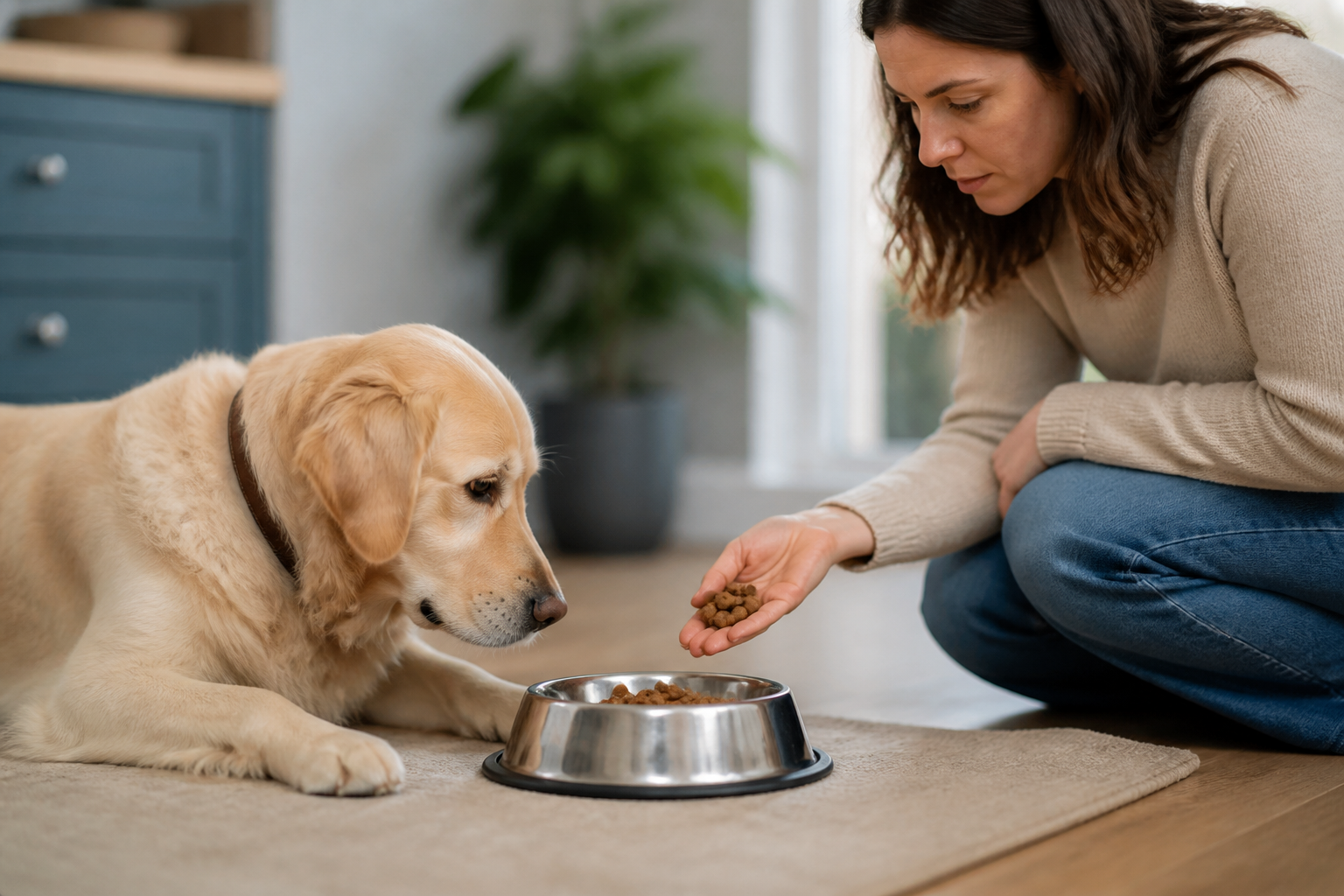
It is a common scene for many pet owners. You scoop a fresh serving of premium kibble into the bowl, but your dog barely gives it a sniff before walking away. You might worry that they are sick, or perhaps they are just waiting for a piece of your sandwich. At BaxterBoo, we see this often and know how stressful it feels when your furry friend loses interest in their meals. This post covers the common medical, behavioral, and environmental reasons for a sudden strike against dry food. We will provide practical strategies to get them back to the bowl and explain when a vet visit is necessary. Understanding why your dog is avoiding their food is the first step toward a healthy, happy appetite.
Identifying Medical Reasons for Appetite Loss
When a dog stops eating their regular dry food, the first priority is ruling out a health issue. A sudden change in eating habits is often the first sign that something is wrong internally. If your dog is usually excited for mealtime but now seems indifferent, pay close attention to their body language.
Dental Pain and Oral Health
Dental issues are one of the most frequent reasons a dog avoids dry food. Kibble is hard and requires significant pressure to crunch. If a dog has a broken tooth, an abscess, or inflamed gums, that crunching becomes painful. You might notice your dog picking up a piece of kibble, dropping it, and then walking away. They might still eat soft treats or wet food because these do not hurt their mouth.
Gastrointestinal Distress and Nausea
An upset stomach can make any food unappealing. This might be caused by something as simple as eating something they found on a walk. However, it can also indicate more serious conditions like pancreatitis or inflammatory bowel disease. If your dog is also vomiting, has diarrhea, or seems lethargic, the refusal to eat is a symptom that requires professional attention.
Systemic Illness and Chronic Conditions
Sometimes the refusal to eat is tied to how a dog feels overall rather than a direct issue with the food. Kidney disease, liver issues, and even certain types of cancer can cause a significant drop in appetite. These conditions often cause a buildup of toxins in the body that makes the dog feel nauseous or generally unwell.
Vet Tip: If your dog stops eating dry food but still shows interest in soft treats, check their mouth. Look for red gums, broken teeth, or a strong foul odor. Dental pain often makes hard kibble impossible to eat even when the dog is hungry.
Our pet pharmacy provides access to FDA-approved medications and prescription pet foods through our partnership with Pet's Choice. If your veterinarian diagnoses a chronic condition or a specific allergy, we can help you manage those ongoing health needs with the right prescription diet.
Assessing Behavioral and Environmental Factors
If your veterinarian gives your dog a clean bill of health, the issue might be behavioral. Dogs are highly observant and can quickly learn how to manipulate their environment to get what they want.
The Picky Eater Pattern
Many dogs are smart enough to realize that if they refuse their dry food, their owner might offer something better. This often starts when owners begin adding toppers or human food to the bowl to "help" the dog eat. The dog then decides to hold out for the premium additions. If you regularly feed table scraps, your dog may view their kibble as boring by comparison.
Stress and Anxiety
Dogs are creatures of habit. Any change to their routine can cause enough stress to suppress their appetite. Common stressors include:
- Moving to a new home
- A new pet or baby in the household
- Loud noises like construction or thunderstorms
- The absence of a family member
Some dogs also experience separation anxiety. They may refuse to eat while you are away from the home but will eat the moment you walk through the door.
Boring Food and Flavor Fatigue
While many dogs can eat the same formula for years, some simply get bored. Dry food does not have a strong aroma compared to wet food or fresh meat. If the kibble has been sitting in a bowl for hours, the scent fades, making it even less enticing.
Key Takeaway: Behavioral refusal is often a waiting game. If your dog is healthy and at a good weight, they are likely holding out for higher-value treats or human food.
Evaluating the Quality and Freshness of the Kibble
Sometimes the problem is not the dog or their health, but the food itself. Dogs have a sense of smell that is significantly more powerful than ours. They can detect changes in food that we might miss.
Stale or Spoiled Food
Dry dog food contains fats and oils that can go rancid over time. Once a bag is opened, the clock starts ticking. Oxygen and light begin to break down the nutrients and the flavor. Most bags of kibble should be used within three to four weeks of opening. If you buy a massive bag for a small dog, the food at the bottom may be stale by the time you reach it.
For more guidance, read our article on how long dry dog food stays fresh once opened.
Storage Mistakes
Proper storage is vital for maintaining the appeal of dry food. Many owners pour the food out of the bag and into a plastic bin. This can actually cause the food to spoil faster. The plastic can leach odors into the food, and leftover oils from previous bags can go rancid in the corners of the bin. It is best to keep the food inside its original bag and place the entire bag inside an airtight container.
Formula Changes
Manufacturers occasionally update their recipes. Even a small change in a "new and improved" formula can be enough for a sensitive dog to reject it. If you just started a new bag and your dog is suddenly refusing to eat, check the packaging for any mention of a recipe change.
Practical Steps to Get Your Dog Eating Again
If your dog is healthy but still refusing dry food, you can try several strategies to make the meal more appealing. These steps focus on improving the texture, aroma, and the overall feeding experience.
Add Moisture and Aroma
Adding a small amount of warm water or low-sodium bone broth to kibble can work wonders. The warmth releases the fats and aromas in the food, making it smell much stronger. It also softens the texture, which is helpful for dogs who might have minor dental sensitivity or older dogs with less jaw strength.
For additional ideas, see our guide to what can be added to dry dog food.
Use Healthy Toppers
You do not have to give in to table scraps to make food exciting. High-quality toppers like freeze-dried raw bits or a spoonful of canned food can entice a picky eater. Brands like Stella and Chewy’s or Open Farm offer mixers designed specifically for this purpose. Our dog food selection includes dry, wet, and topper options for different feeding preferences.
Step 1: Measure the standard amount of dry food.
Step 2: Add a small amount of the topper or wet food.
Step 3: Mix it thoroughly so the dog cannot simply pick out the "good parts" and leave the kibble behind.
Implement the 15-Minute Rule
If your dog is a "grazer" who leaves food out all day, they may never feel a true sense of hunger. Switching to a scheduled feeding routine can help.
- Put the bowl down and leave it for 15 minutes.
- If the dog does not eat, pick the bowl up and put it away.
- Offer no treats or food until the next scheduled mealtime.
- Repeat the process.
Most healthy dogs will eventually realize that they need to eat when the food is available. This approach helps break the cycle of holding out for something better.
Quick Answer: To get a dog to eat dry food, try adding warm water or a high-quality topper to enhance the smell. If they are healthy, use a strict 15-minute feeding schedule to discourage picky behavior.
Choosing the Right Bowl and Feeding Environment
The physical environment where your dog eats can impact their appetite more than you might think. A few simple changes to the setup can make a big difference.
Bowl Material and Cleanliness
Some dogs are sensitive to the material of their bowl. Stainless steel bowls can be noisy or reflective, which might startle a nervous dog. Ceramic or heavy plastic bowls are often quieter. Regardless of the material, you must wash the bowl daily. Leftover saliva and food particles can breed bacteria and create smells that discourage a dog from eating.
Elevated Feeders for Senior Dogs
If you have a senior dog, bending down to a floor-level bowl can be uncomfortable. If they have arthritis in their neck or front legs, the physical act of reaching the food might be painful. An elevated feeder allows them to eat in a more neutral position. We carry a variety of mobility aids and gear designed to make daily life easier for aging pets.
For more feeding guidance, read Should Senior Dogs Eat Wet or Dry Food?.
Distraction-Free Zones
A busy kitchen with kids running around or other pets nearby can be too distracting for some dogs. Try moving the food bowl to a quiet corner or a separate room where the dog can focus on their meal without feeling the need to guard their food or watch their surroundings.
When to Consider a Food Transition
If you have tried the tips above and your dog still turns their nose up at the bag, it might be time for a change. Not all kibble is created equal, and your dog might simply prefer a different protein source or a different kibble size.
Switching Protein Sources
If your dog has been eating a chicken-based diet for years, they may have developed a sensitivity or just a lack of interest. Switching to a fish-based food like those from Acana or Orijen can provide a completely different flavor profile and a stronger aroma that might spark their interest.
Considering Kibble Size
Small dogs often struggle with large kibble sizes, while large dogs might find tiny kibble unsatisfying. Many premium brands offer breed-size-specific formulas. These are tailored not just for nutrition, but for the physical ease of chewing.
Transitioning Slowly
Never swap foods overnight. This can cause significant digestive upset, which will only make your dog associate the new food with feeling sick.
- Days 1-2: 75% old food, 25% new food.
- Days 3-4: 50% old food, 50% new food.
- Days 5-6: 25% old food, 75% new food.
- Day 7: 100% new food.
Our MVP Rewards program is a great way to save while finding the perfect match for your dog. You can earn up to 5% back on every purchase, including premium brands like Farmina and Royal Canin. This helps you provide the best nutrition without overextending your budget.
Supporting the Needs of Senior Dogs
As dogs age, their nutritional needs and their appetites change. It is very common for senior dogs to drift away from dry food.
Declining Senses
A senior dog’s sense of taste and smell is not as sharp as it once was. Since dry food relies on a light coating of fats for its aroma, a senior dog might find it completely bland. In these cases, switching to a high-quality wet food or a gently cooked food like The Honest Kitchen can make a world of difference.
Digestive Changes
Senior dogs may have a harder time processing the high fiber or specific carbohydrates found in some dry foods. If their stomach feels heavy or bloated after eating kibble, they will quickly learn to avoid it. Formulas like Farmina Vet Life offer specialized support for senior metabolic needs.
Key Takeaway: Senior dogs often require more aromatic and softer foods. If your older dog is losing weight because they refuse kibble, consult your vet to discuss a transition to a more digestible, moisture-rich diet.
Monitoring Progress and Maintaining Health
Keeping a close eye on your dog's weight and energy levels is the best way to tell if their lack of appetite is a problem. A dog who skips a single meal but is still playing and drinking water is usually fine. A dog who skips multiple days and seems lethargic needs professional help.
Tracking Weight and Body Condition
You should be able to feel your dog's ribs without a thick layer of fat over them, but the ribs should not be poking out prominently. If you notice your dog's spine or hip bones becoming more visible, their refusal to eat dry food has reached a critical point.
The Role of Treats and Supplements
While treats are great for training, they should never exceed 10% of your dog's daily calories. If your dog is filling up on treats, they have no reason to eat their balanced meal. If you are using supplements for joint health or skin issues, try to find ones that are highly palatable, like Zesty Paws or Cosequin soft chews, so they do not feel like another "chore" for the dog to eat.
Bottom line: A healthy dog will not starve themselves, but a sick dog might; always rule out medical issues before assuming your dog is just being stubborn.
Summary of Solutions
Getting a dog back on a dry food diet requires a mix of patience, observation, and sometimes a little bit of culinary creativity. Start by ensuring the food is fresh and stored correctly. Use moisture and heat to make the kibble more fragrant. If the behavior persists, look at the feeding environment and your own habits regarding treats and table scraps.
At BaxterBoo, we have been helping pet owners find the right solutions for their dogs and cats since 2006. Whether you need a more aromatic premium food, a specialized prescription diet from our pet pharmacy, or just a new set of bowls to change the routine, we are here to help. Our curated selection of over 500 brands ensures you have access to the best products for your pet's specific needs. Consider signing up for our Autoship programme to ensure a fresh bag of food always arrives before your current one goes stale, and take advantage of our MVP Rewards to get the most value out of every order.
FAQ
Why will my dog eat treats but not their dry food?
Treats are usually much higher in fat, salt, and aroma than standard dry kibble, making them more like "junk food" for dogs. If a dog knows they can get a tasty treat by refusing their boring meal, they will often hold out for the better option. Additionally, if your dog has dental pain, soft treats are much easier to chew than hard, crunchy kibble.
Is it okay if I mix wet food with dry food every day?
Yes, mixing wet and dry food is an excellent way to increase hydration and make meals more appealing. Just be sure to adjust the total calories so you are not overfeeding your dog. To prevent your dog from picking out only the wet food, stir the two together thoroughly until every piece of kibble is coated.
For more guidance, read Should I Feed My Dog Wet Food or Dry?.
How long should I wait if my dog won't eat their dry food?
If your dog is healthy and adult, they can safely skip a meal or two, but you should contact your vet if they haven't eaten for more than 24 hours. For puppies, senior dogs, or dogs with existing health conditions like diabetes, you should call your vet much sooner. Always ensure they are still drinking plenty of water during this time.
Can I add human food like chicken broth to my dog's kibble?
You can add chicken or beef broth to kibble, but it must be dog-safe, meaning it contains no onions, garlic, or excessive salt. Many store-bought broths for humans are high in sodium and contain ingredients that are toxic to dogs. It is safer to use a broth specifically formulated for pets or to make your own at home without any seasonings.






