
 Save 15% on your 1st Autoship learn more

 Email us
 Live Chat
 FAQs
FAQs





Introduction
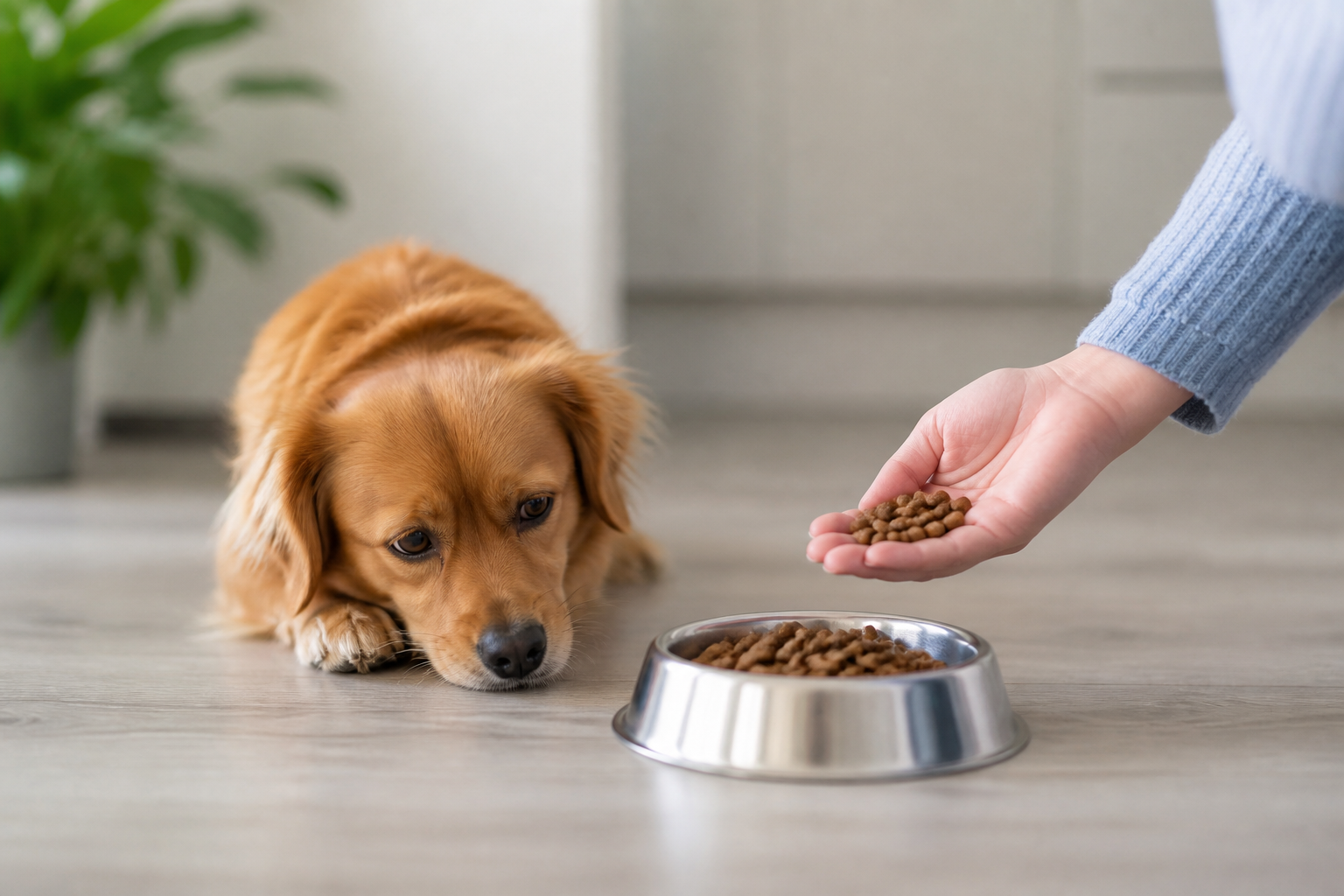
It is a familiar and frustrating scene for many pet owners. You scoop out a bowl of high quality kibble, set it down with a smile, and your dog takes one sniff before walking away. You know they are hungry because they will happily beg for a piece of your sandwich or a stray treat. This selective appetite leaves you wondering if your dog is simply stubborn or if something is actually wrong. At BaxterBoo, we have helped thousands of pet parents navigate these mealtime standoffs since 2006. This post explores why dogs reject dry food, ranging from dental pain and age related changes to behavioral habits and food spoilage. We will also provide practical strategies to make the bowl exciting again. Understanding the root cause is the first step to ensuring your dog gets the daily nutrition they need.
Quick Answer: Dogs usually refuse dry food due to dental pain, boredom, or food that has gone stale. If the refusal is sudden or accompanied by lethargy, it may signal an underlying medical issue that requires a veterinary checkup.
Medical Reasons for Kibble Refusal
The first thing to consider when a dog stops eating dry food is their physical health. If a dog has always eaten kibble and suddenly stops, it is rarely just a case of "getting picky" overnight. It is often a sign that eating has become uncomfortable or that they simply do not feel well.
Dental Pain and Oral Health
Dry food is hard. It requires significant pressure to crunch through each nugget. If your dog has a cracked tooth, an abscess, or inflamed gums, that pressure causes sharp pain. You might notice your dog sniffing the food or even taking a piece into their mouth before dropping it. This is a classic sign of dental discomfort. They want to eat, but the mechanical action of chewing hurts too much.
Gastrointestinal Distress
If your dog is dealing with nausea or an upset stomach, the concentrated nature of dry food can be unappealing. Dry food often has a higher density of calories and fats than wet food. A dog with a sensitive stomach or a condition like pancreatitis might instinctively avoid heavy, crunchy meals. In these cases, they may still accept a "high value" treat or a piece of plain chicken because it is softer and more enticing.
Sensory Decline in Senior Dogs
As dogs age, their senses of taste and smell often diminish. Since a dog’s appetite is heavily driven by scent, kibble that smelled great two years ago might now seem bland. Senior dogs may also produce less saliva, making it harder for them to break down dry pieces of food. This can lead to a preference for wet food or toppers that have a stronger aroma and a softer texture.
Vet Tip: If your dog refuses dry kibble but eagerly eats wet food or soft treats, schedule a dental exam. Periodontal disease is often hidden below the gum line and can make chewing hard surfaces extremely painful.
Behavioral and Environmental Factors
If your vet has ruled out health issues, the problem might be behavioral. Dogs are incredibly observant and can learn how to "work the system" to get better food.
The Picky Eater Trap
Many dogs develop picky habits because we accidentally train them to be choosy. If your dog refuses their kibble and you immediately offer a bowl of wet food or a handful of treats, you have taught them a lesson. They now know that by waiting and refusing the "boring" food, they will receive something much tastier. This is especially common in small breeds like Yorkies or Chihuahuas that may have smaller appetites to begin with.
Stress and Routine Changes
Dogs thrive on predictability. A move to a new house, the arrival of a new baby, or even a change in your work schedule can cause enough anxiety to suppress their appetite. Some dogs experience separation anxiety and will refuse to eat until their owner is home. If the environment feels chaotic, the dog may not feel safe enough to relax and enjoy a meal.
Too Many Treats
It is easy to lose track of how many treats a dog gets throughout the day. If your dog is receiving table scraps, training rewards, and "just because" biscuits, they may simply not be hungry at dinner time. Treats are often higher in fat and salt, which makes regular kibble seem unappealing by comparison.
Key Takeaway: Ensure that treats make up no more than 10% of your dog's daily calories. If your dog is maintaining weight despite skipping meals, they are likely getting enough calories elsewhere.
Food Quality and Storage Issues
Sometimes the problem is not the dog or the owner, but the food itself. Even the most expensive brands can become unappealing if they are not handled correctly.
Stale or Spoiled Kibble
Dry dog food contains fats and oils that begin to oxidize as soon as the bag is opened. Most bags of kibble are only fresh for about two to three weeks after opening. If you buy a massive bag for a small dog, the food may become stale or rancid before you reach the bottom. Dogs have a sense of smell that is thousands of times more sensitive than ours, so they can smell spoilage long before we can. For more on freshness timelines, see our guide to how long dry dog food stays fresh once opened.
Improper Storage
Many people dump their dog food into a large plastic bin. While this keeps pests out, it can actually make the food spoil faster. Plastic bins can trap moisture and heat, and old oils from previous bags can coat the sides and go rancid. It is always best to keep the food inside its original bag and then place that bag inside a sealed container. The original packaging is designed to provide a barrier against oxygen and light.
Ingredient Changes
Manufacturers occasionally change their formulas without prominent labeling. If your dog suddenly stops eating a brand they have loved for years, check the ingredient list. They may have swapped a protein source or added a new preservative that your dog finds off-putting.
Bottom line: Check the "best by" date on your bag and ensure you are using it within 30 days of opening for maximum freshness.
How to Encourage Your Dog to Eat Kibble Again
Once you have identified the likely cause, you can start implementing solutions. The goal is to make the food more appealing while rebuilding a healthy routine.
Use Warm Water or Broth
Adding a splash of warm water to dry food is the simplest way to boost its appeal. The warmth releases the fat molecules and enhances the aroma of the kibble. It also creates a soft texture that is easier on the teeth and stomach. You can also use a dog-safe bone broth, but ensure it contains no onions, garlic, or excessive salt.
Introduce Toppers Gradually
Toppers are a great way to bridge the gap between dry and wet food. You can use a few spoonfuls of canned food, a dash of salmon oil, or even some plain Greek yogurt. However, do not just put the topper on top. Mix it thoroughly so the dog cannot just lick off the "good stuff" and leave the kibble behind. If you want more ways to make meals more appealing, browse our food topper and broth collection.
Establish a Feeding Schedule
Free feeding, where you leave a bowl of food out all day, often leads to pickiness. It removes the "value" of the meal. Instead, put the bowl down for 15 to 20 minutes. If the dog does not eat, pick the bowl up and do not offer food until the next scheduled mealtime. Do not give treats in between. This helps the dog understand that food is only available at specific times.
Step-by-Step Food Transition
If you decide to switch to a new brand of kibble, do it slowly over the course of 7 to 10 days.
- Days 1-3: 75% old food, 25% new food.
- Days 4-6: 50% old food, 50% new food.
- Days 7-9: 25% old food, 75% new food.
- Day 10: 100% new food.
This gradual change prevents stomach upset and allows the dog to get used to the new flavor and texture. If you are shopping for a new formula, start with our dog food category.
When to See a Veterinarian
While many cases of food refusal are behavioral, you should never ignore a total lack of appetite. If your dog goes more than 24 hours without eating anything, it is time for a professional opinion.
Warning Signs
Consult your vet immediately if the lack of appetite is accompanied by:
- Vomiting or diarrhea
- Lethargy or weakness
- Weight loss
- Bloody stools
- Pawing at the mouth or excessive drooling
Prescription Diets and Pharmacy Support
If your vet diagnoses a medical condition like kidney disease, food allergies, or obesity, they may recommend a prescription diet. These formulas are specifically designed to manage health conditions through targeted nutrition. We carry many of these specialized brands, such as Farmina Vet Life and Royal Canin. If your dog needs medication or a prescription diet, our pet pharmacy can help you manage ongoing health needs.
Key Takeaway: A dog that stops eating and drinking simultaneously is a medical emergency. Dehydration can set in quickly and complicate any underlying illness.
Choosing Higher Quality Kibble
Sometimes, a dog refuses dry food because the food itself lacks nutritional density. Low quality kibble often relies heavily on grain fillers and artificial flavorings rather than real meat proteins.
Look for Real Meat
The first three ingredients on the label should be specific meat sources, such as "chicken" or "lamb meal." Avoid products that list "meat by-products" or generic "animal fat." Brands like Open Farm, Orijen, and Acana focus on high protein content and fresh ingredients, which naturally smell and taste better to dogs. You can explore our selection of Open Farm products if you want to compare ingredient-forward recipes.
Consider Kibble Size
Small dogs often struggle with large, hard nuggets. If you have a toy breed, look for "small breed" formulas. These pieces are smaller and easier to chew, which can make a big difference for a dog with a tiny mouth. Conversely, large breeds might find tiny kibble unsatisfying and may prefer a larger crunch.
Texture Variety
Some brands, such as Purina Pro Plan, offer "shredded blend" varieties. These contain standard crunchy kibble mixed with tender, meaty pieces. This variety in texture can be enough to keep a picky dog interested in their bowl without needing extra toppers. For more texture-driven options, take a look at our freeze-dried food collection.
Practical Mealtime Hacks
If your dog is healthy but still bored, try making mealtime more of an activity. This taps into their natural scavenger instincts.
- Puzzle Feeders: Use a Kong toy or a snuffle mat. Working for food can make it more rewarding than eating from a static bowl.
- Training Sessions: Use the kibble as rewards for practicing "sit" or "stay." Many dogs find food more exciting when it is earned during a game.
- Change the Location: Sometimes moving the bowl to a different room or a quieter corner can reduce stress and encourage eating.
- The "Toasted" Method: Briefly warming the kibble in the microwave for 5 to 10 seconds can significantly boost the aroma. Always check the temperature with your hand to ensure there are no hot spots.
Bottom line: Making food a fun, rewarding part of the day can overcome many behavioral hurdles.
Summary and Next Steps
Dealing with a dog that won't eat dry food requires patience and observation. Start by ruling out dental pain or illness with a veterinary visit. Once health is confirmed, look at your routine. Are you giving too many treats? Is the food stored properly? Is the dog stressed? By using warm water, toppers, and a consistent schedule, you can usually get your dog back on track.
At BaxterBoo, we are committed to helping your pet thrive through every life stage. If your dog requires a specific diet or medication to manage an underlying condition, our pharmacy partnership is here to help. You can also join our MVP Rewards programme to earn points on every bag of food and topper you purchase. For repeat deliveries, our Autoship programme can help you stay stocked with your dog’s favorite meals.
FAQ
Why did my dog suddenly stop eating kibble but still eats treats?
This behavior usually points to either pickiness or a minor dental issue. Treats are often softer and much higher in flavor than regular dry food, making them easier to eat and more rewarding. If the dog is otherwise acting normal, they may be holding out for "better" options, but if they seem to struggle with the crunch of the kibble, they should have their teeth checked.
Can I mix wet food with dry food every day?
Yes, mixing wet and dry food is a great way to add moisture and aroma to your dog's diet. Just be sure to calculate the total calories to avoid overfeeding, as wet food is often calorie-dense. Mixing the two thoroughly prevents your dog from picking out the wet pieces and leaving the dry kibble behind.
How long can a dog go without eating dry food?
A healthy dog can typically go 24 to 48 hours without food as long as they are still drinking water. However, you should not wait this long if your dog is a puppy, a senior, or has a pre-existing health condition. If your dog refuses more than two consecutive meals, it is best to contact your veterinarian to rule out any serious issues.
Does dry dog food really go bad?
Dry dog food definitely has a shelf life. Once the bag is opened, the fats are exposed to oxygen and begin to degrade, which can lead to a stale or rancid smell that dogs find repulsive. To keep food fresh, keep it in the original bag, seal it tightly, and store it in a cool, dry place, aiming to use the entire bag within 30 days.






