
 Save 15% on your 1st Autoship learn more

 Email us
 Live Chat
 FAQs
FAQs





Introduction
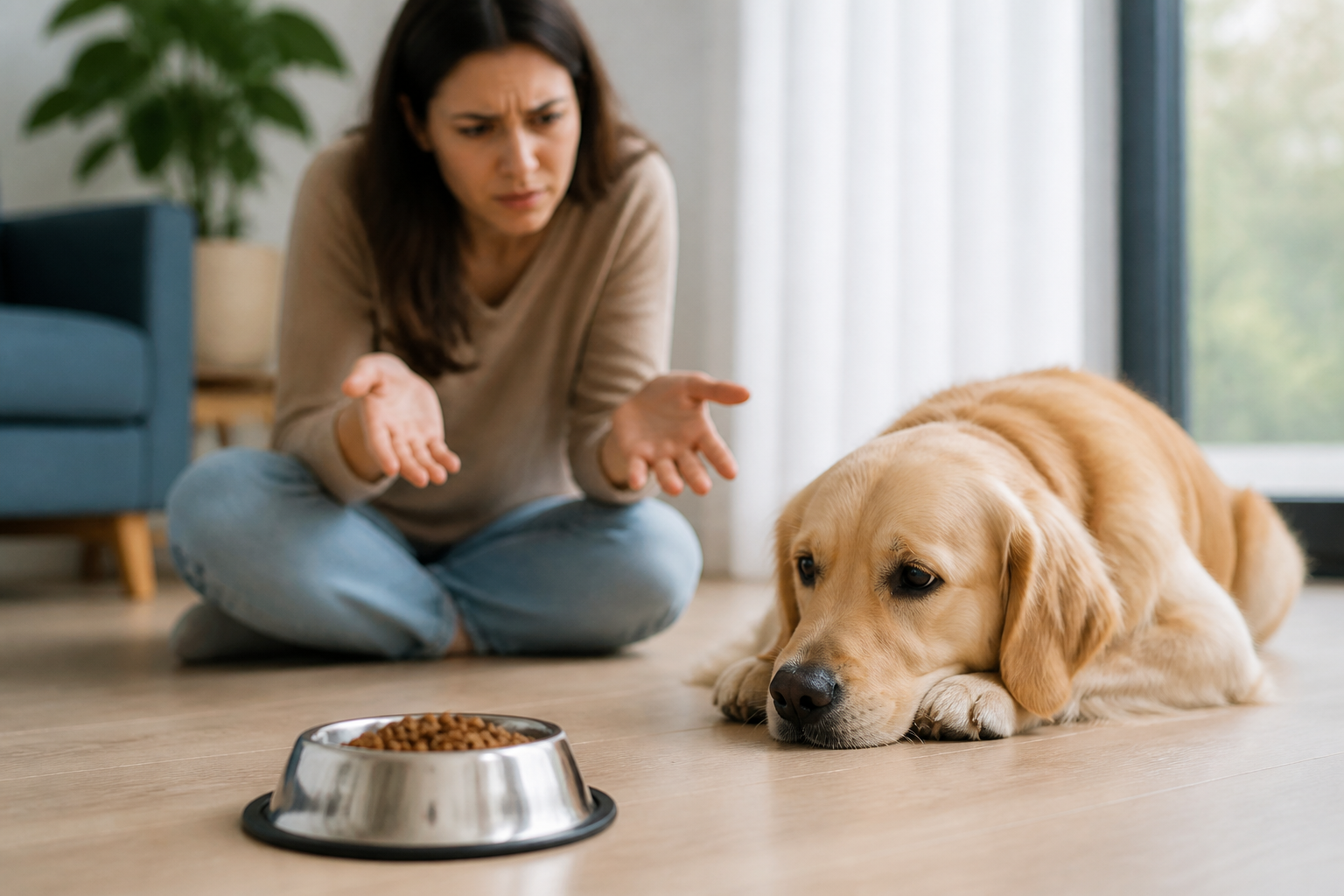
You set the bowl down, expecting the usual enthusiastic crunch. Instead, your dog gives the kibble a skeptical sniff and walks away. It is a stressful moment for any pet parent when a reliable eater suddenly loses interest. At BaxterBoo, we hear from owners every day who are puzzled by this sudden change in behavior. This article explores why your dog might be snubbing their bowl and how you can reignite their appetite. Whether it is a health concern or just a case of picky preferences, we have the practical advice you need to get mealtime back on track. Understanding the root cause is the first step toward a happy, healthy pup.
Quick Answer: A dog may stop eating dry food due to dental pain, underlying illness, or food spoilage. Behavioral factors like boredom, over-treating, or stress can also cause a sudden disinterest in kibble.
Rule Out Medical Concerns First
Before assuming your dog is just being picky, you must consider their physical health. A sudden refusal to eat is often the first sign that something is wrong internally. Dogs are experts at hiding discomfort, but their appetite usually tells the truth. If your dog was a consistent eater and suddenly stops, a medical issue is a likely culprit.
Dental Pain and Oral Health
The most common medical reason for a dog to avoid dry food is dental distress. Dry kibble is hard and requires significant force to crunch. If your dog has a cracked tooth, an abscess, or inflamed gums, that pressure can be agonizing. You might notice your dog approach the bowl as if they are hungry, only to back away after the first bite.
Check for signs like excessive drooling, bad breath, or pawing at the mouth. Some dogs will tilt their head to one side to chew with the less painful part of their mouth. If the pain is severe enough, they will abandon dry food entirely in favor of softer options.
Gastrointestinal Issues and Nausea
Just like humans, dogs do not want to eat when they feel nauseous. Gastrointestinal upset can be caused by anything from a mild stomach bug to more serious conditions like pancreatitis. If your dog is dealing with acid reflux or a sensitive stomach, the smell of their regular dry food might even trigger a gag reflex.
Serious Underlying Conditions
Inappetence can also be a symptom of chronic health issues. Conditions affecting the kidneys, liver, or heart can lead to a decreased interest in food. When the body is fighting an infection or managing a metabolic disorder, hunger signals are often suppressed.
Vet Tip: If your dog has not eaten for more than 24 hours, or if the refusal to eat is accompanied by vomiting, diarrhea, or lethargy, contact your veterinarian immediately. They can perform blood work and a physical exam to rule out serious illness.
The Role of the BaxterBoo Pharmacy
If your veterinarian determines that your dog’s lack of appetite is due to a medical condition, they may prescribe a specific medication or a prescription diet. These diets are formulated to manage conditions like kidney disease, urinary crystals, or severe allergies.
Our pharmacy carries a wide range of FDA-approved medications and prescription pet foods through our partnership with Pet’s Choice. This allows you to get the specialized nutrition your dog needs delivered right to your door. Managing a chronic condition often requires consistent, high-quality care, and we are here to support that process with professional pharmacy services.
Assessing Food Quality and Freshness
Sometimes the problem is not with the dog, but with the food itself. Dry dog food contains fats and oils that can go rancid over time. Even if the expiration date has not passed, improper storage can lead to spoilage. For more guidance, read our article on how long dry dog food stays fresh once opened.
Check for Oxidation and Spoilage
Once a bag of kibble is opened, it is exposed to oxygen, light, and moisture. This begins the process of oxidation. If your dog suddenly refuses a brand-new bag, it might have been stored poorly at the warehouse or during shipping. If they stop eating toward the end of a large bag, the food may have gone stale.
- Smell the food: Rancid fat has a distinct, sour, or metallic odor.
- Check for pests: Look for pantry moths or weevils that might have entered the bag.
- Observe the texture: Stale kibble may feel soft or unusually greasy.
Proper Storage Habits
To keep food appealing, always store kibble in its original bag. These bags are designed with barriers to keep oxygen out. Place the entire bag inside an airtight container rather than pouring the food directly into a plastic bin. This prevents oils from seeping into the plastic and turning rancid over time.
Key Takeaway: Food freshness is a common culprit for appetite loss. Store kibble in a cool, dry place and try to use a bag within 30 to 45 days of opening.
Behavioral and Environmental Factors
If your dog is healthy and the food is fresh, the issue might be behavioral. Dogs are creatures of habit, but they are also very observant. They can quickly learn how to manipulate their environment to get better rewards.
The "Treat Trap"
It is easy to over-treat our pets, especially when they are being cute. However, if your dog is receiving a high volume of treats throughout the day, they may simply be full. High-value treats like freeze-dried liver or jerky are much more exciting than standard kibble. If your dog knows that refusing dinner might result in a handful of treats later, they will hold out for the "good stuff."
Boredom and Pickiness
While many dogs are happy to eat the same meal every day, some breeds or individuals crave variety. This is especially common in small breeds like Yorkies or Chihuahuas. If they have had a taste of wet food or human table scraps, their dry kibble might seem bland by comparison.
Stress and Anxiety
Dogs are sensitive to changes in their environment. A new baby, a move to a new house, or even a change in your work schedule can cause enough stress to suppress their appetite. Some dogs suffer from "bowl anxiety" if their feeding area is in a high-traffic or noisy part of the home.
Bottom line: Rule out "spoiling" your dog with treats before assuming they have lost their appetite for good.
Strategies to Make Dry Food More Appealing
If you have ruled out medical issues, you can use several techniques to encourage your dog to eat their kibble again. The goal is to make the dry food more interesting without creating a permanent dependency on "extras."
Hydration and Texture Changes
Adding moisture is the easiest way to improve the aroma and texture of dry food. Warm water or a low-sodium bone broth can soften the kibble and release the meaty scents that dogs love. You can also compare our dog food toppers and supplements for additional options.
- Add a small amount of warm water to the bowl.
- Let it sit for five minutes until the kibble softens slightly.
- Stir the mixture to create a light gravy.
Using Healthy Toppers
Toppers are a great middle ground for picky eaters. Brands like Stella and Chewy’s or Open Farm offer meal mixers that add protein and flavor. You can also use a small amount of high-quality canned food, like Tiki Cat or Farmina, mixed thoroughly with the kibble. For a specific option, try Brutus Bone Broth Dog Food Topper.
Mealtime Enrichment
Sometimes a dog refuses to eat because the bowl itself is boring. Using a puzzle feeder or a Kong toy can turn mealtime into a game. This engages their brain and can spark a "working" drive that makes the food more rewarding.
Key Takeaway: Enhancing the smell and texture of kibble is often enough to convince a reluctant dog to eat. Focus on healthy additions rather than table scraps.
How to Transition to a New Food
If you decide that your dog truly dislikes their current brand, you may need to switch to a different formula. Perhaps they prefer a different protein source, like salmon instead of chicken, or a smaller kibble size. At BaxterBoo, we carry over 500 trusted brands, making it easy to find a flavor your dog will actually enjoy. Start by browsing our dog food category.
When switching foods, you must do it gradually to avoid upsetting your dog's digestive system.
The 10-Day Transition Plan
- Days 1-3: 75% old food, 25% new food.
- Days 4-6: 50% old food, 50% new food.
- Days 7-9: 25% old food, 75% new food.
- Day 10: 100% new food.
Monitor your dog's stool and energy levels during this time. If they start picking out the new kibble and leaving the old, it is a good sign that the new flavor is a hit.
Managing the Senior Dog's Appetite
As dogs age, their senses often dull. A senior dog may not be able to smell their food as well as they once did. Since smell is a huge component of taste, the food becomes unappealing.
Cognitive and Sensory Support
Senior dogs may also experience cognitive decline, which can lead to changes in eating habits. They may "forget" to eat or become distracted easily. Supplements like Senilife can support brain health in aging dogs. Additionally, heating the food slightly can help a senior dog perceive the aroma more easily. You can find Senilife Cognitive Brain Support for Elderly Dogs for review with your veterinarian.
If your senior dog is struggling with mobility or joint pain, ensure their bowl is at a comfortable height. Sometimes a dog stops eating simply because it is painful to stoop down to a floor-level bowl. Elevating the dish can make a world of difference.
Creating a Consistent Feeding Routine
Consistency is key to managing a dog's appetite. If the bowl stays down all day, the food loses its value. This is called "free feeding," and it often leads to pickiness because the dog knows the food will always be there.
The 15-Minute Rule
Put the bowl down and give your dog 15 minutes to eat. If they have not finished, pick the bowl up and do not offer food or treats until the next scheduled mealtime. This teaches your dog that food is a limited resource and encourages them to eat when it is offered.
- Feed at the same times every day.
- Use a consistent location.
- Ensure a quiet environment without distractions from other pets.
Maintaining Long-Term Success
Once you have identified why your dog stopped eating their dry food, maintaining a healthy routine is essential. High-quality nutrition is the foundation of a long life. We recommend checking out our MVP Rewards program, which allows you to earn up to 5% back on your regular food purchases. This makes it easier to afford the premium brands that your dog finds most palatable.
If you find a brand that your dog loves, consider setting up our Autoship programme. This ensures you never run out of fresh food and provides savings on your orders. It also means you won't be tempted to grab a random, low-quality bag from the grocery store when you're in a pinch, which can trigger pickiness all over again.
Conclusion
A dog refusing their dry food is a puzzle that requires patience to solve. Start by checking for dental pain or illness, then look at the freshness of the food and your own treating habits. Small changes, like adding warm water or using a puzzle toy, can often reignite their interest. Our team at BaxterBoo is committed to helping you find the right solutions, from premium kibble to prescription diets through our pharmacy.
- Rule out medical issues with a vet visit.
- Check food storage and expiration dates.
- Limit treats to 10% of daily calories.
- Try healthy toppers or hydration.
The most important next step is ensuring your dog has access to high-quality, fresh nutrition. Explore our Dog Food category to find a wide variety of flavors and formulas designed for even the pickiest eaters.
FAQ
Can I just leave the dry food out all day until he gets hungry?
Leaving food out all day, or free feeding, often makes dogs pickier because the food loses its novelty and smell. It is better to use a scheduled feeding routine where you remove the bowl after 15 or 20 minutes. This creates a sense of value around mealtime and helps you monitor exactly how much your dog is actually eating.
Is it okay to mix human food with his kibble to make him eat?
While a little plain chicken or carrot can be a healthy topper, you should avoid using seasoned table scraps or "junk" food. This can lead to weight gain and pancreatitis, and it reinforces the behavior of holding out for human food. Stick to dog-safe toppers like unsalted bone broth or commercial meal mixers to keep the diet balanced.
Why does my dog eat wet food but refuse his dry food?
This is a classic sign of either dental pain or a preference for stronger aromas. Wet food is easier to chew and has a much more intense smell than dry kibble. If your dog eagerly eats wet food but won't touch dry, it is worth having their teeth and gums checked by a veterinarian to rule out oral discomfort.
How do I know if my dog's dry food has gone bad?
Spoiled dry food often has a sour, musty, or "off" smell that is different from its usual meaty aroma. You might also notice that the kibble feels excessively oily or that there are small insects inside the bag. To prevent spoilage, always store the food in its original bag inside an airtight container in a cool area.






