
 Save 15% on your 1st Autoship learn more

 Email us
 Live Chat
 FAQs
FAQs





Introduction
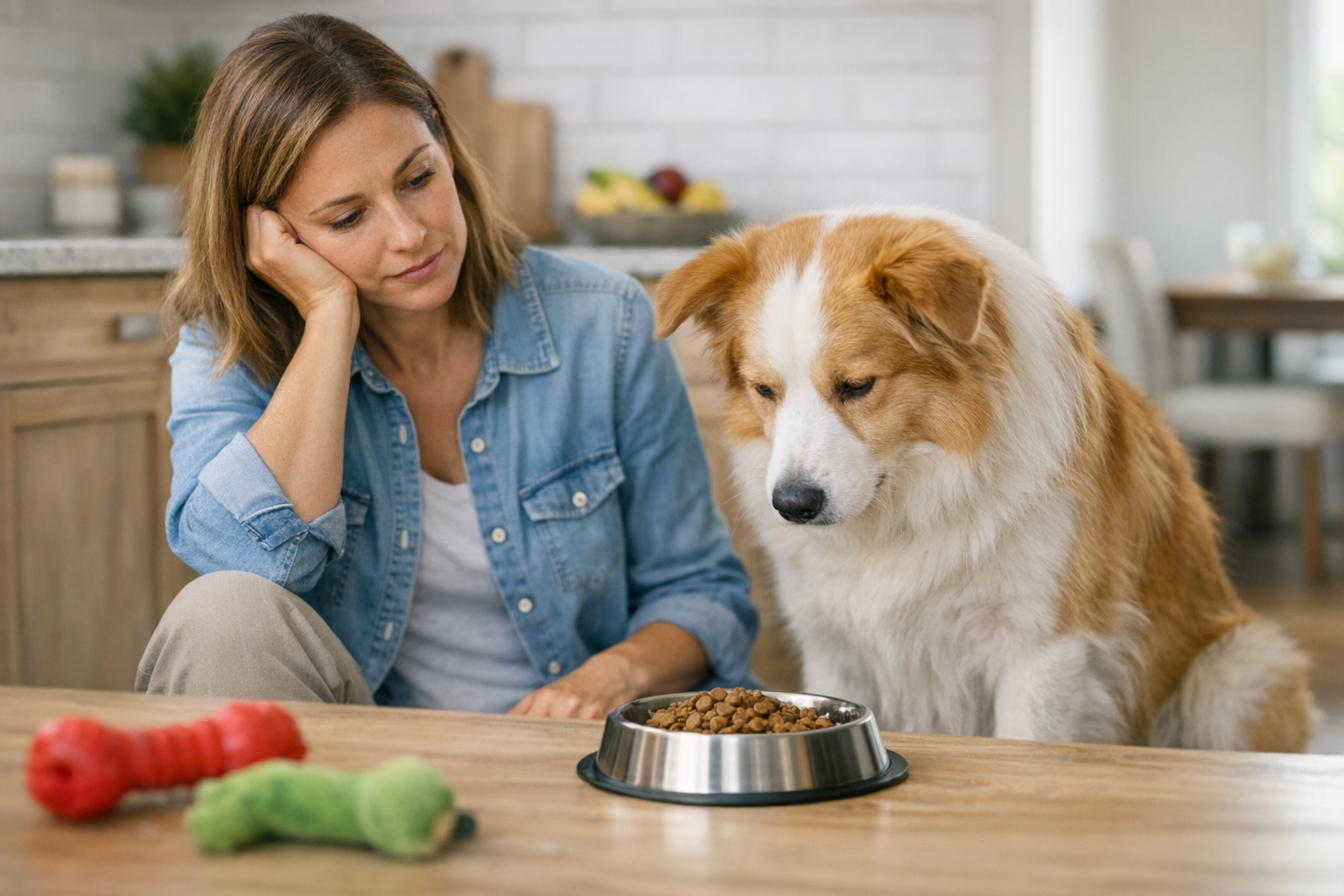
You fill the bowl and hear the familiar rattle of kibble hitting the ceramic. Your dog trots over, takes one sniff, and walks away with a sigh. It is a frustrating moment for any pet owner. You know the food is high quality, but your dog is treating it like a bowl of pebbles. At BaxterBoo, we talk to pet parents every day who are navigating this exact situation. Whether your dog has always been picky or suddenly stopped eating their favorite brand, there is usually a logical reason behind the behavior. This article will help you identify why your dog is snubbing their dry food and provide practical steps to get them back on track. We will explore health issues, behavioral habits, and simple ways to make mealtimes more appealing.
Understanding the Sudden Snub
When a dog refuses dry food, the first thing to consider is the timeline. Did this happen overnight, or has it been a slow decline in interest? A sudden refusal often points toward an immediate issue like dental pain or a spoiled bag of food. A gradual loss of interest might suggest boredom or a behavioral habit that has formed over time.
Dogs have about 1,700 taste buds. While that is far fewer than the 9,000 humans have, their sense of smell is nearly 10,000 times stronger than ours. If the food does not smell right, they likely will not want to eat it. Dry food loses its aroma once the bag has been open for a few weeks. If your dog was eating fine at the start of the month but stops now, the freshness of the kibble is a great place to start your investigation.
Quick Answer: Your dog may refuse dry food due to dental pain, digestive upset, or simple boredom. Environmental stress and overfeeding treats are also common culprits that make standard kibble less appealing.
Common Medical Reasons for Appetite Loss
Before assuming your dog is just being stubborn, you must rule out medical concerns. Many health issues can make the physical act of eating dry food difficult or unpleasant. If you want a deeper look at related concerns, our dog healthcare category is a good place to start.
Dental and Oral Pain
Kibble is hard. If a dog has a cracked tooth, inflamed gums, or an abscess, crunching down on dry food can be incredibly painful. You might notice your dog approaching the bowl with interest but backing away after the first bite. Some dogs may even drop the food out of their mouth or tilt their head to one side while chewing.
Gastrointestinal Distress
Just like humans, dogs do not want to eat when their stomach hurts. Issues like gastritis, inflammatory bowel disease, or even a simple case of dietary indiscretion can lead to a loss of appetite. If your dog is also experiencing vomiting, diarrhea, or a gurgling stomach, a physical illness is likely the cause.
Chronic Health Conditions
Loss of appetite is a common symptom of several serious conditions. Kidney disease, liver issues, and even some cancers can change how a dog perceives food or make them feel too nauseous to eat. If your dog is a senior, these risks increase.
Vet Tip: If your dog refuses all food for more than 24 hours, or if they stop drinking water, contact your veterinarian immediately. A professional exam can rule out underlying issues like dental disease or internal infections that require medication.
Behavioral Reasons Your Dog Refuses Kibble
If your vet gives your dog a clean bill of health, the issue is likely behavioral. Dogs are highly observant and can quickly learn how to manipulate their environment to get what they want.
The Treat Trap
If your dog knows that refusing kibble eventually leads to a piece of chicken or a high value treat, they will hold out. We call this the "Waiting for Something Better" syndrome. When you provide an alternative every time they snub their bowl, you are unintentionally rewarding their pickiness. If this sounds familiar, our dog treats collection can help you compare reward options that still fit into a balanced routine.
Overfeeding and Satiety
Sometimes the answer is as simple as the dog not being hungry. If you provide many treats throughout the day or if another family member is sneaking them table scraps, the dog may simply be full. Their caloric needs might be lower than the amount listed on the bag. This is especially common in less active breeds or older dogs.
Stress and Environmental Changes
Dogs thrive on routine. A move to a new house, a new baby, or even a change in the location of their food bowl can cause enough anxiety to suppress their appetite. Some dogs are social eaters and will only eat when their owner is in the room. Others are the opposite and need a quiet, secluded space to feel safe enough to eat.
Key Takeaway: Behavioral pickiness is often a learned response. By consistently offering "better" options when a dog refuses kibble, you reinforce the idea that the dry food is optional.
Evaluating Food Quality and Storage
Sometimes the problem is not the dog, but the food itself. Dry kibble is a shelf stable product, but it does have limits. If you want a deeper explanation of freshness timelines, our blog post on dry dog food freshness covers the basics.
Stale or Spoiled Kibble
Dry food contains fats and oils that can go rancid when exposed to air and heat. Once a bag is opened, it should ideally be consumed within 30 to 45 days. If the bag has been sitting in a warm garage or a damp pantry, the flavor and smell will change. Most dogs will smell the rancidity long before you do.
Recipe Changes
Manufacturers sometimes change their formulas without a major announcement on the front of the bag. They might swap one protein source for another or change the types of preservatives used. If you just opened a brand new bag and your dog refuses it, check the ingredient list against an old bag if you still have one.
Storage Best Practices
How you store the food matters. We recommend keeping the kibble inside its original bag and placing that bag inside an airtight container. The bags are designed to provide a specialized barrier that plastic bins alone cannot match.
- Keep food in a cool, dry place.
- Wash the storage container between every new bag of food.
- Check the "Best By" date before purchasing.
- Seal the bag tightly after every single feeding.
Strategies to Make Dry Food More Appealing
If your dog is healthy but still refuses their plain kibble, you can use several methods to increase the appeal without completely changing their diet.
Adding Warm Moisture
Adding a splash of warm water to the bowl is the easiest and cheapest trick. The warm water helps release the natural aromas of the fats in the kibble. It also creates a soft texture that is easier to chew. Let the food sit for a few minutes until it is slightly mushy before serving.
Using High Quality Toppers
A topper can bridge the gap between plain kibble and a gourmet meal. You do not need to use much. A spoonful of wet food mixed thoroughly into the dry pieces can make a huge difference. At BaxterBoo, we carry a wide variety of meal mixers and toppers from brands like Stella & Chewy's products that are specifically designed for this purpose.
Bone Broth and Salmon Oil
Bone broth designed for dogs is an excellent way to add flavor and hydration. Avoid human broths as they often contain onions or excessive salt. Salmon oil is another great option. It smells strong, which attracts dogs, and it provides omega fatty acids for skin and coat health.
Step-by-Step: Transitioning a Picky Eater
Step 1: Rule out health issues. / Ensure your dog is not in pain or feeling ill before changing their routine.
Step 2: Set a schedule. / Stop free feeding and offer the bowl at specific times in the morning and evening.
Step 3: The 15 minute rule. / Put the bowl down and walk away. If the food is not eaten in 15 minutes, pick it up and do not offer anything else until the next scheduled meal.
Step 4: Reduce the extras. / Cut out all treats and table scraps for three to five days to ensure the dog is truly hungry for their meal.
Bottom line: Consistency is the most important factor when correcting a picky eater's behavior.
Choosing the Right Kibble for Your Dog
Not all kibble is the same, and your dog might have a genuine preference for certain shapes or textures. If you are comparing formulas and life stages, start with our dry dog food category.
Kibble Size Matters
Small breed dogs, like Chihuahuas or Yorkies, may struggle with large, hard nuggets. They often prefer a "small breed" formula with tiny, crunchy pieces. Conversely, large breeds may find tiny kibble frustrating to pick up. Finding the right size for your dog's mouth can improve their willingness to eat.
Protein Variety
If your dog has been eating chicken based food for years, they might simply be bored. Rotating to a beef, lamb, or fish based protein can spark new interest. Brands like Acana products and Farmina products offer several recipes within the same product line to make these transitions easier on the digestive system.
Exploring Air-Dried or Baked Options
If traditional extruded kibble is not working, you might consider air dried or baked foods. Brands like The Honest Kitchen products or Orijen products have a different texture and a much stronger natural scent than standard dry food. These options are often more palatable for dogs that typically prefer wet food.
Using the BaxterBoo Pharmacy for Health Related Issues
If your dog's refusal to eat is linked to a chronic condition, you may need specialized support. Our pet pharmacy offers prescription medications and prescription pet foods through our pharmacy services. Whether your dog needs a prescription diet for kidney support or medication to manage nausea from a health condition, we can help.
Prescription diets are formulated with specific nutrient profiles to manage illnesses. For example, some are designed to be extra palatable for dogs that have lost their appetite due to medical treatments. Talk to your veterinarian about whether a prescription diet from our pharmacy is the right path for your dog. They can send the prescription directly to us, and we will handle the rest.
Senior Dogs and Changing Appetites
As dogs age, their bodies change in ways that directly impact their hunger. It is common for senior dogs to become more selective about their food.
Decreased Senses
A senior dog's sense of smell and taste will naturally decline. If they cannot smell the food, they probably will not want to eat it. This is why warming the food or adding a smelly topper like salmon oil is particularly effective for older pets.
Digestion Changes
Senior dogs may have more sensitive stomachs. They might associate their dry food with the discomfort of indigestion or gas. Switching to a formula with highly digestible proteins and added probiotics, such as those found in The Honest Kitchen products, can help them feel better after eating.
Cognitive Decline
In some cases, senior dogs with cognitive dysfunction may actually "forget" to eat or become distracted during mealtimes. Providing a quiet, distraction free environment and consistent hand feeding can sometimes help these dogs stay focused on their bowl.
Puppy Feeding Challenges
Puppies usually have high energy and large appetites, so a puppy refusing food is often a cause for concern. If teething may be part of the issue, our blog post on puppy teething is a helpful companion read.
The Teething Phase
Between three and six months of age, puppies go through a significant teething phase. Their gums are sore and their teeth are loose. During this time, hard kibble can be very uncomfortable. Mixing their dry food with warm water or a bit of puppy specific wet food can help them get the calories they need without the pain.
Rapid Growth and Nutrient Needs
Puppies require a lot of protein and fat to support their growing bodies. If they are not getting the right balance, they might seem disinterested. Ensure you are feeding a high quality puppy formula from a trusted brand like Royal Canin or Orijen. If your puppy is lethargic and refusing food, see a vet immediately, as puppies can become dehydrated very quickly.
When to Seek Veterinary Advice
While many cases of food refusal are behavioral, you must know when the situation has become a medical emergency.
- Total Fasting: If a dog refuses all food and treats for 24 hours, they need a checkup.
- Weight Loss: If you can see your dog's ribs or spine more clearly than usual, their lack of eating is a serious problem.
- Lethargy: If your dog is refusing food and seems unusually tired or weak.
- Vomiting or Diarrhea: This indicates a gastrointestinal issue that kibble changes alone cannot fix.
- Dental Signs: Excessive drooling, pawing at the mouth, or bleeding gums.
Your vet may perform blood work or X-rays to find the source of the problem. If a medical issue is diagnosed, you can easily fulfill many of the required prescriptions through our pharmacy. If you are rebuilding a feeding routine, our Autoship programme can also help keep food arriving on schedule.
Summary of Tips for Encouraging Eating
Getting a dog to enjoy their dry food again requires a mix of patience and strategy. Start by ensuring the food is fresh and the dog is healthy. Use simple additions like warm water or a high quality topper to make the meal smell better. Most importantly, stay consistent with your feeding schedule. If you are comparing ways to stretch value over time, the MVP Rewards programme is another option to explore.
- Check for freshness and store food in airtight containers.
- Warm the kibble with water or broth to release aromas.
- Stick to a strict 15 minute feeding window.
- Limit treats to 10 percent or less of their daily calories.
- Consult a vet if the refusal lasts more than a day.
Key Takeaway: A dog refusing dry food is a puzzle to be solved. By ruling out pain and spoilage first, you can then focus on building better habits or finding a more enticing protein source.
Conclusion
It is stressful when your dog walks away from their bowl, but most cases of kibble refusal have a clear solution. Whether your dog needs a more flavorful topper, a smaller kibble size, or a visit to the vet for a dental checkup, taking action quickly will help them stay healthy. We are here to support you with everything from premium food and treats to our specialized pharmacy for prescription needs. If you are ready to try a new flavor or add a nutritious topper, our selection of brands can help spark your dog's appetite again. Consider signing up for our Autoship programme to ensure your dog's food always arrives fresh and on time.
FAQ
How long can a dog go without eating dry food?
A healthy adult dog can typically go 24 to 48 hours without food as long as they are still drinking water. However, you should contact a veterinarian if the refusal lasts longer than 24 hours or is accompanied by other symptoms. Small puppies and senior dogs should be seen much sooner, usually within 12 hours of total food refusal.
Can I mix wet food and dry food together?
Yes, mixing wet and dry food is an excellent way to make kibble more palatable. Be sure to stir the two together thoroughly so your dog cannot simply pick out the wet chunks and leave the dry pieces behind. Remember to adjust the total amount of food to prevent overfeeding when adding wet food to the bowl.
Why does my dog eat treats but refuse their dry food?
This is usually a sign of a picky eater who is holding out for higher value rewards. Treats are often smellier and more flavorful than standard kibble. If your dog is healthy and has plenty of energy, try cutting out all treats for a few days to encourage them to eat their regular, balanced meals.
Does dry dog food go bad after opening?
Dry dog food starts to lose its freshness and nutritional value as soon as the bag is opened. The fats in the food can become rancid over time when exposed to oxygen. For the best results, use the bag within six weeks of opening and store it in a cool, dry place in an airtight container.






