
 Save 15% on your 1st Autoship learn more

 Email us
 Live Chat
 FAQs
FAQs





Introduction
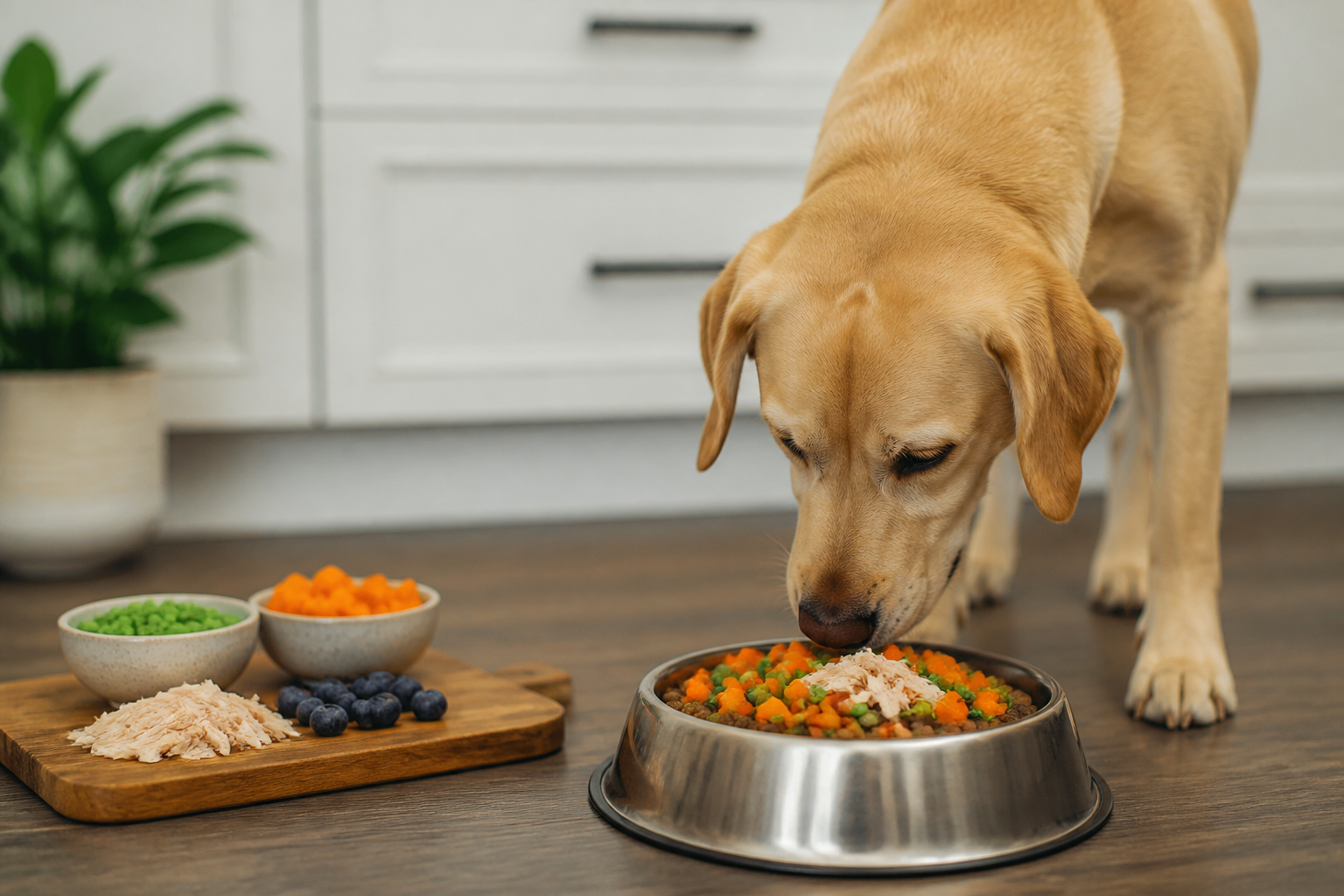
You set the bowl down and your dog barely glances at it. Maybe they take a single disinterested bite before walking away. Or perhaps they eat the kibble but you want to give them something more than just a dry crunch every single day. We see this all the time at BaxterBoo. Many owners want to improve the nutritional profile of a standard diet without completely switching to raw or home-cooked meals. Spicing up dry dog food is a practical way to add moisture, variety, and essential nutrients to your pet's life. This post covers the best toppers, hydration boosters, and fresh food additions that are safe for your dog. Our goal is to help you turn a boring bowl of kibble into a meal your dog genuinely anticipates, starting with our freeze-dried food collection.
Why You Should Add Toppers to Kibble
Dry dog food is convenient and shelf-stable. It is designed to be a complete and balanced meal. However, the high-heat process used to make kibble can reduce the natural enzymes and moisture found in raw ingredients. By adding fresh or minimally processed toppers, you bring back some of those lost benefits.
Adding variety also prevents mealtime boredom. Dogs have a keen sense of smell. A bowl of dry pellets does not offer much in terms of aroma. Adding a small amount of smelly, high-value food can jumpstart a picky eater's appetite. It also allows you to tailor the meal to your dog's specific needs, such as adding extra joint support or skin and coat boosters.
Quick Answer: You can spice up dry dog food by adding warm bone broth, plain yogurt, cooked eggs, or freeze-dried raw toppers. These additions improve hydration and provide a boost of fresh protein and healthy fats.
The 10 Percent Rule for Additions
Before you start raiding your fridge, you must understand nutritional balance. Most commercial dog foods are formulated by scientists to provide a precise ratio of vitamins and minerals. If you add too much "extra" food, you risk unbalancing that nutrition.
A good rule of thumb is that toppers and treats should not exceed 10 percent of your dog's daily calorie intake. For a very active dog, you might go up to 20 percent, but 10 percent is the safest baseline. If you notice your dog gaining weight, you must reduce the amount of kibble to account for the calories in the toppers.
Key Takeaway: Always account for the calories in your toppers by slightly reducing the amount of dry kibble you serve. This prevents accidental weight gain while still providing variety.
1. Boost Hydration with Bone Broth
One of the easiest ways to spice up dry food is to add moisture. Many dogs live in a state of mild dehydration because they do not drink enough water to compensate for a dry diet. Bone broth is a nutritional powerhouse. It is rich in collagen, glucosamine, and chondroitin, which support joint health.
Make sure you use broth specifically made for pets. Human bone broth often contains onions, garlic, and high levels of salt. These ingredients can be toxic or hard on a dog's kidneys. Pouring warm broth over kibble also releases the aroma of the food, making it much more enticing for a picky eater. If you want a ready-made option, try our bone broth topper selection.
2. Incorporate Freeze-Dried Raw Toppers
Freeze-dried raw food offers the benefits of a raw diet with the convenience of a bag. Brands like Stella and Chewy’s or Vital Essentials make "meal mixers" specifically for this purpose. These are small nuggets of meat, organs, and bone that have been freeze-dried to preserve nutrients.
You can crumble these over the top of the kibble or rehydrate them with a little water. Because they are 95 percent meat or more, they provide a massive protein boost. This is often the most effective way to get a dog interested in their bowl. At BaxterBoo, we find that freeze-dried toppers are a favorite for owners who want the quality of raw food without the mess of thawing frozen meat, especially in our food topper category.
3. Add a Cooked or Raw Egg
Eggs are one of the most complete sources of protein available. They contain essential amino acids and fatty acids that support muscle growth and skin health. You can serve them raw, scrambled, or hard-boiled.
If you choose to feed raw eggs, some owners worry about salmonella. While dogs have a shorter digestive tract that handles bacteria better than humans, you can lightly cook the egg to be safe. One egg a few times a week is a great addition for a medium to large dog. For smaller breeds, half an egg is plenty.
Vet Tip: If your dog has a history of pancreatitis or needs a low-fat diet, consult your veterinarian before adding eggs or fatty meats. High-fat additions can trigger digestive flare-ups in sensitive dogs.
4. Use Plain Yogurt or Kefir
Fermented dairy products like plain Greek yogurt or kefir are excellent for gut health. They contain probiotics that help maintain a healthy balance of bacteria in the digestive tract. This is especially helpful for dogs that suffer from occasional gas or irregular stools.
Always ensure the yogurt is plain and unsweetened. Never use "light" or sugar-free versions, as these may contain xylitol. Xylitol is an artificial sweetener that is extremely toxic to dogs. A dollop of yogurt on top of kibble adds a creamy texture that many dogs love, and it pairs well with a quick read like how to feed freeze-dried dog food for better health.
5. Mix in Canned Fish
Canned sardines, mackerel, or pink salmon are fantastic sources of Omega-3 fatty acids. These healthy fats reduce inflammation and help your dog maintain a shiny, soft coat. They are also great for brain health in developing puppies and aging seniors.
When shopping for canned fish, look for options packed in water with no added salt. Avoid fish packed in oil, as the extra calories and fat can cause stomach upset. One or two small sardines per meal can make a huge difference in your dog's skin and coat quality over time. If you want more topper ideas from a single trusted line, browse our selection of Vital Essentials products.
6. Steam Some Fresh Vegetables
Vegetables provide fiber and antioxidants without adding many calories. This makes them a perfect topper for dogs that need to lose a little weight but still feel full. Good options include:
- Green beans (fresh or frozen)
- Carrots (steamed or finely shredded)
- Zucchini
- Broccoli florets
- Spinach or kale
Since dogs have a short digestive tract, they cannot break down the cell walls of raw veggies easily. Steaming them or pulsing them in a food processor makes the nutrients much more bioavailable.
7. Try Goat’s Milk
Often called "universal milk," goat’s milk is much easier for dogs to digest than cow’s milk. It is packed with vitamins, minerals, electrolytes, and enzymes. It acts as a hydration booster and a nutritional supplement in one.
Many specialty pet stores carry frozen or powdered goat’s milk specifically for dogs. You can pour it directly over the dry food like cereal. It is particularly helpful for senior dogs that might have trouble chewing dry kibble, as it softens the pellets.
8. Use Canned Pumpkin
Plain canned pumpkin (not pumpkin pie filling) is a staple for many dog owners. It is high in soluble fiber, which helps with both constipation and diarrhea. It is a gentle way to regulate the digestive system while adding a flavor that most dogs enjoy.
A tablespoon or two mixed into the kibble is usually enough. Because pumpkin is low in calories and high in fiber, it can also help a dog feel full on less food. This is a common strategy for weight management.
9. Add Lean Muscle Meats
If you have leftover chicken, turkey, or lean beef from your own meal prep, your dog would love a share. Ensure the meat is plain, unseasoned, and cooked. Never give your dog cooked bones, as they can splinter and cause internal damage.
Muscle meat provides high-quality protein that supports lean muscle mass. For dogs on a budget-friendly kibble, adding a little fresh chicken can significantly improve the amino acid profile of the meal.
10. Drizzle Healthy Oils
If you do not want to deal with fresh food prep every day, a high-quality oil is a great alternative. Salmon oil, pollock oil, or even a little cold-pressed coconut oil can be drizzled over the food.
These oils provide energy and support the immune system. They are especially helpful for dogs with dry, itchy skin or seasonal allergies. Just be careful with the dosage. Too much oil too fast can cause loose stools. Start with a small amount and gradually increase it to the recommended dose on the bottle.
11. Rehydrate with Warm Water
You do not always need fancy ingredients to spice up a meal. Simply adding warm water to kibble can change the experience. Warm water creates a "gravy" with the coating on the kibble and brings out the natural fats and smells.
Let the food sit for a few minutes until the pellets soften. This is a great trick for puppies who are transitioning to solid food or senior dogs with dental issues. It also ensures your dog is getting extra hydration with every meal. For more background on portioning, our dry dog food feeding guide for puppies is a helpful next step.
12. Use Canned or Wet Food Mixers
Adding a spoonful of high-quality wet food is a classic way to enhance dry kibble. Wet food is typically higher in protein and moisture than dry food. It also comes in a wide variety of flavors, from duck and sweet potato to venison and chickpea.
If your dog has a specific health condition, you might need a prescription wet food. Our pet pharmacy offers a variety of prescription diets through our partnership with Pet's Choice. If your vet has recommended a specific diet for kidney issues, allergies, or weight management, mixing the prescription wet version with the dry version can make the transition much easier for your dog.
| Topper Type | Primary Benefit | Preparation Level |
|---|---|---|
| Bone Broth | Hydration & Joints | Low (Pour on) |
| Freeze-Dried Raw | Protein & Flavor | Low (Crumble) |
| Steamed Veggies | Fiber & Nutrients | Medium (Cook/Chop) |
| Canned Sardines | Omega-3s & Coat | Low (Open can) |
| Plain Yogurt | Gut Health | Low (Spoon on) |
How to Safely Transition to New Toppers
When you start adding new foods to your dog's bowl, go slowly. A sudden change in diet can cause an upset stomach, even if the ingredients are healthy. Follow these steps to ensure a smooth transition:
Step 1: Start with one ingredient. / Do not add five new things at once. Pick one topper and see how your dog reacts over a few days.
Step 2: Use a small amount. / Begin with just a teaspoon of the new addition. Watch for signs of gas, bloating, or loose stools.
Step 3: Monitor for allergies. / If your dog starts itching or develops red skin after a new addition like eggs or dairy, stop immediately. They may have a food sensitivity.
Step 4: Gradually increase. / If your dog does well after three or four days, you can increase the amount up to the 10 percent calorie limit.
Bottom line: Slow introductions are the best way to prevent digestive upset when adding variety to your dog's diet.
Foods to Avoid Adding to Dog Food
While many human foods are safe, some are dangerous. Never spice up your dog's food with the following:
- Onions and garlic: These can damage a dog’s red blood cells.
- Grapes and raisins: These can cause sudden kidney failure.
- Xylitol: Found in many sugar-free peanut butters and yogurts, it is deadly to dogs.
- Cooked bones: These can splinter and puncture the digestive tract.
- Heavy seasonings: Salt, pepper, chili powder, and onion powder should stay off the menu.
If your dog accidentally consumes any of these, contact your veterinarian or an animal poison control center immediately.
Managing Health Conditions with Food
Sometimes, a dog is a picky eater because they do not feel well. If your dog has chronic skin issues, digestive problems, or joint pain, your vet might suggest specific supplements or medications. Many of these can be mixed right into their food to make them easier to take.
For dogs with severe allergies, a standard "topper" might do more harm than good. In these cases, a prescription diet is often the best path. You can find these specialized foods and medications at our dog pharmacy collection, which is a smart stop when your dog needs more than a flavor boost.
Using Toppers for Training and Enrichment
You can also use these "spices" for more than just a bowl topper. If you use a slow feeder or a licking mat, ingredients like pumpkin, yogurt, or wet food are perfect. Spreading these over a textured mat and freezing it creates a long-lasting activity that reduces anxiety and provides mental stimulation.
Crumbling freeze-dried raw treats over a snuffle mat is another way to make your dog "work" for their spiced-up meal. This taps into their natural foraging instincts and can be a lifesaver for high-energy breeds during rainy days when a long walk isn't possible.
Summary of Spicing Up the Bowl
Improving your dog's meal does not have to be expensive or time-consuming. By adding simple items like bone broth, eggs, or fresh vegetables, you provide a wider range of nutrients and much-needed moisture. Remember to keep additions to about 10 percent of their daily calories and avoid toxic seasonings. Whether you choose the convenience of freeze-dried raw or the gut-health benefits of kefir, your dog will appreciate the extra effort.
- Hydration is key for kidney and urinary health.
- Fresh proteins support muscle and immune function.
- Omega-3s from fish oil or sardines improve skin and coat.
- Probiotics from yogurt support a healthy gut.
Key Takeaway: Variety in the bowl is not just about flavor; it is a way to provide a more diverse nutritional profile that supports long-term wellness.
The best way to stay consistent is to set up our Autoship programme for your favorite toppers and mixers. This ensures you never run out and keeps your dog's mealtime exciting every single day. You can also make the most of the MVP Rewards programme when you shop for routine food upgrades.
FAQ
Can I add human food to my dog's kibble every day?
Yes, you can add dog-safe human foods like plain cooked chicken, carrots, or eggs to their kibble daily. The most important factor is ensuring these additions do not exceed 10 percent of their total daily calories. You should also avoid any seasonings, oils, or ingredients that are toxic to dogs, such as onions or excessive salt.
What is the healthiest thing to add to dry dog food?
While "healthiest" depends on your dog's needs, bone broth and freeze-dried raw toppers are among the best choices. Bone broth provides essential hydration and joint support, while freeze-dried raw adds high-quality, minimally processed protein. Both are typically very low in fillers and highly enticing for picky eaters.
How do I get my picky dog to eat dry kibble?
To entice a picky dog, try adding warm moisture like bone broth or water to release the food's aroma. You can also mix in a small amount of smelly wet food or crumble a freeze-dried raw treat over the top. Sometimes, simply changing the texture by mashing in some canned pumpkin or plain yogurt is enough to spark their interest.
Is it okay to mix wet and dry dog food together?
Mixing wet and dry food is a common and safe practice that many veterinarians recommend for added hydration. It provides a variety of textures and can help dogs who are reluctant to eat plain dry kibble. Just make sure to adjust the portions of each so you aren't overfeeding your pet.






