Save 15% on your 1st Autoship learn more

 Email us
 Live Chat
 FAQs
FAQs





Introduction
You place a bowl of food on the floor and it disappears in ten seconds. Your dog looks up, still hungry, or worse, begins to gag from eating too fast. Or perhaps you have a cat that roams the house looking for trouble because they have no outlet for their natural hunting instincts. At BaxterBoo, we see these common challenges every day in our Vernon Hills warehouse. A silicone grass snuffle mat is a modern solution to these age-old problems. It turns a boring meal into a scavenger hunt that engages your pet's brain and body. This guide explains why silicone is replacing fabric as the preferred material for enrichment and how it can improve your pet's daily life. We will explore the hygiene benefits, the variety of foods you can use, and why this tool is essential for fast eaters.
The Evolution of Snuffle Mats
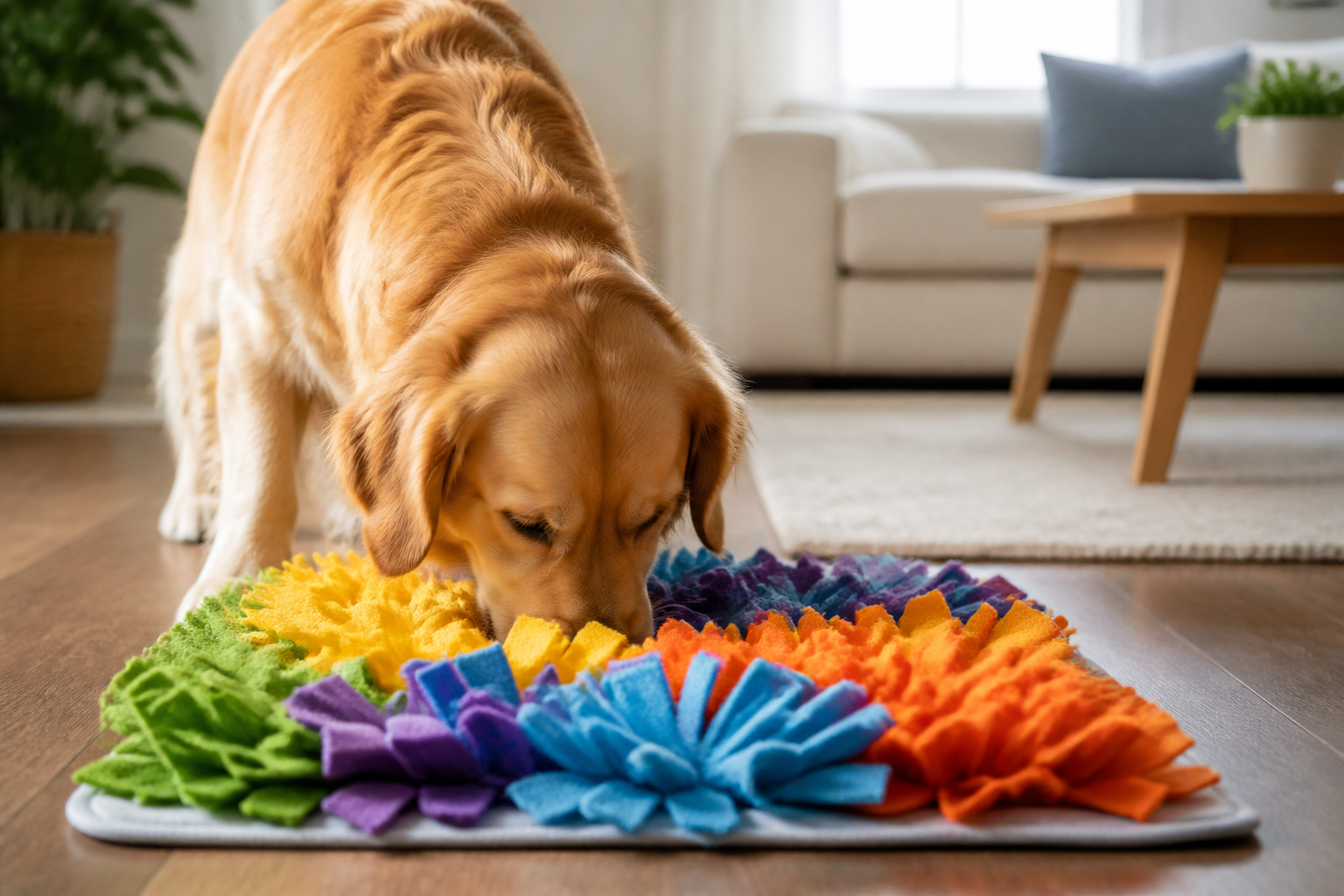
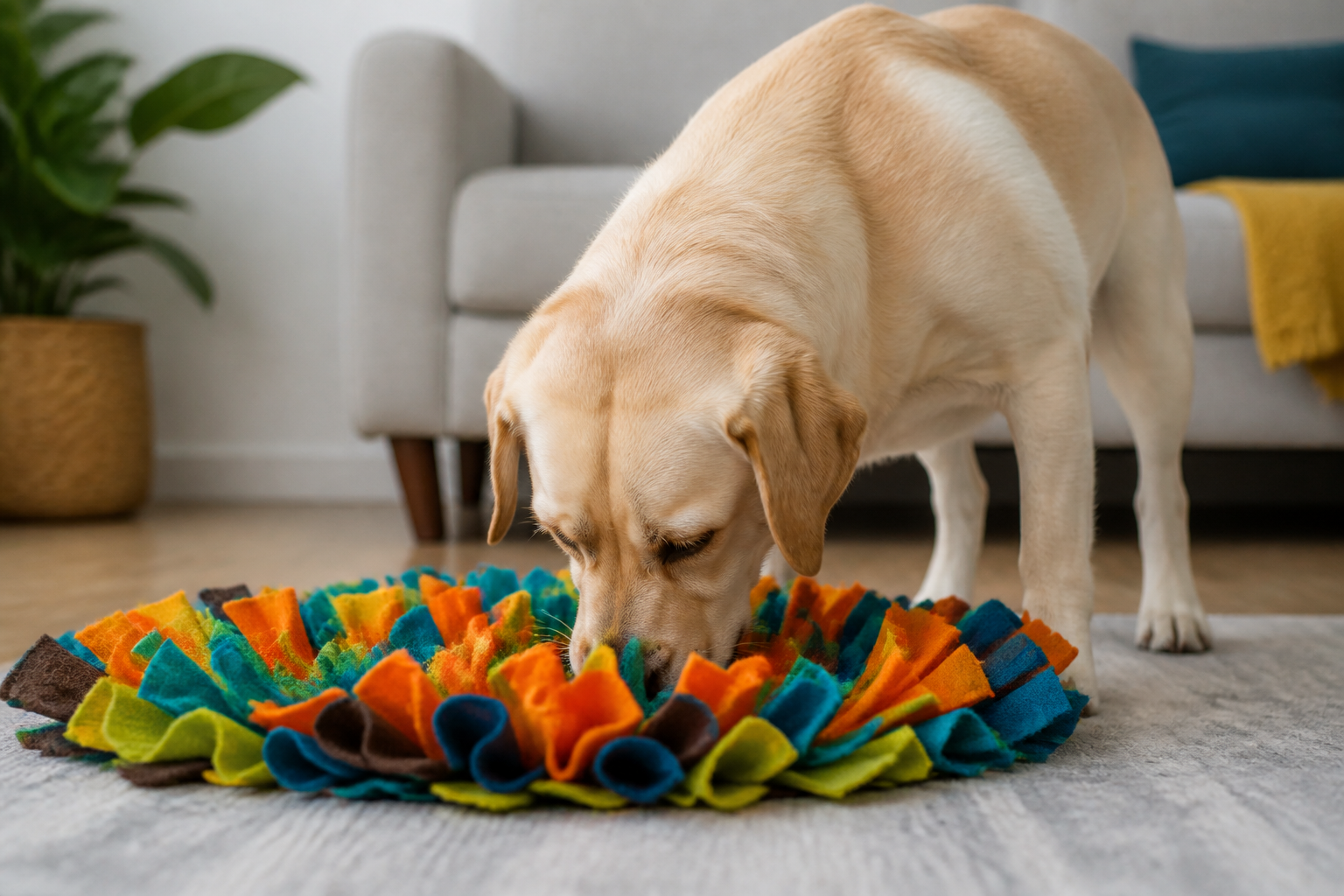
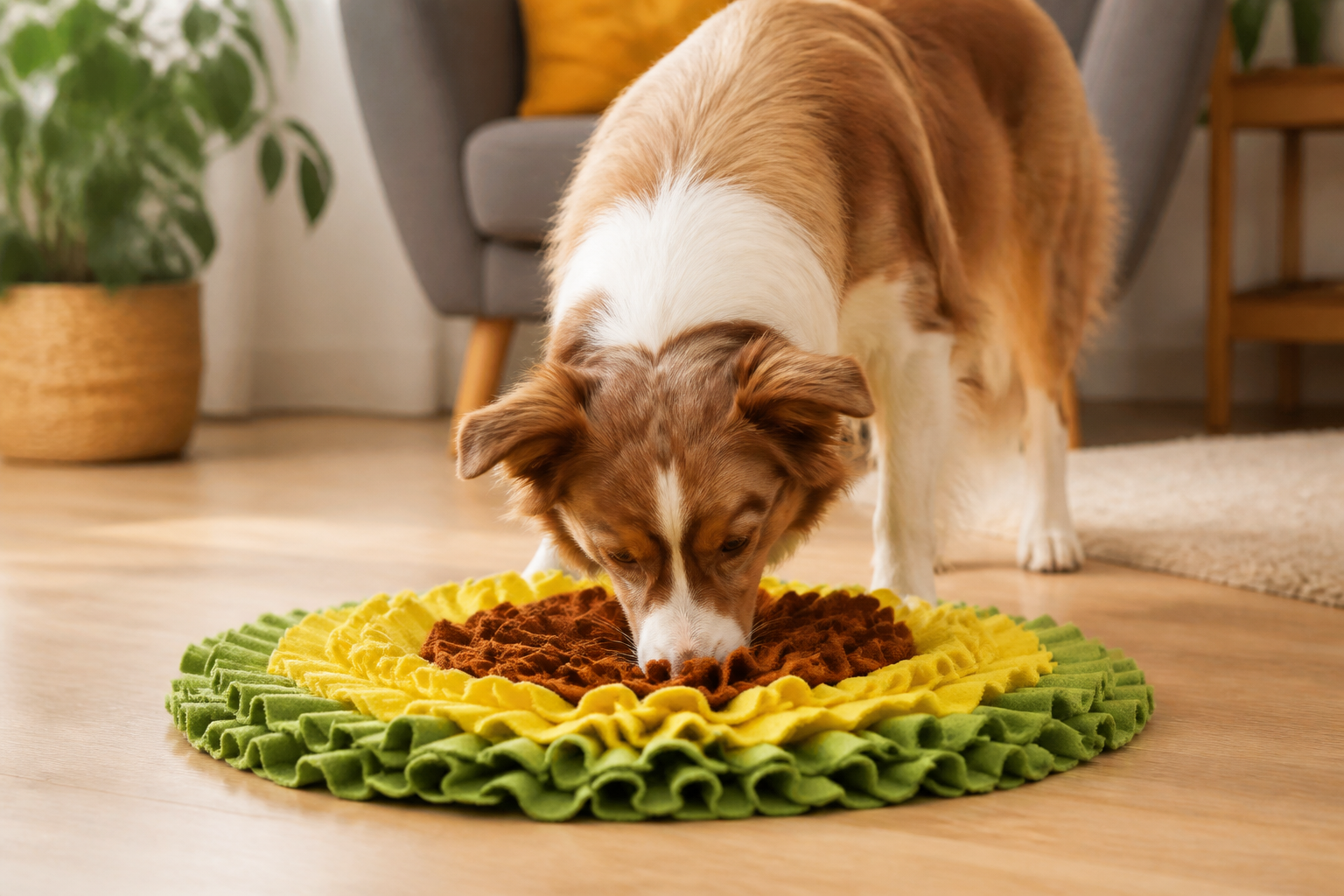
Traditional snuffle mats were almost always made of felt or fleece strips tied to a plastic grid. While these fabric mats served their purpose for years, they came with significant drawbacks. Fabric absorbs saliva, moisture, and food particles. If you use high-value treats or wet food, the fabric becomes a breeding ground for bacteria and mold quite quickly. Washing them often involves a long laundry cycle and an even longer drying time.
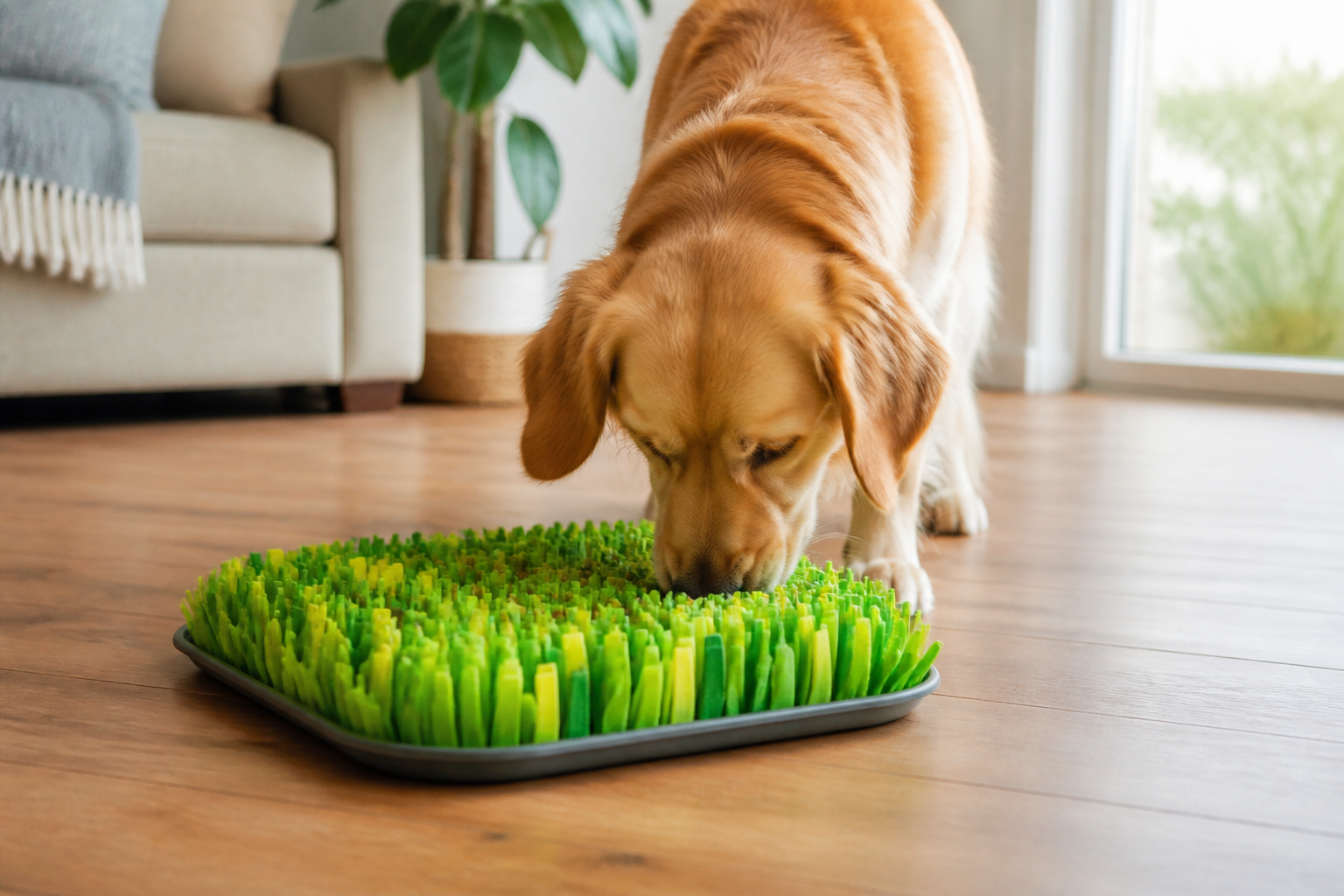
The silicone grass snuffle mat changed the game by offering a nonporous alternative. Instead of fabric strips, these mats use flexible silicone "blades" that mimic the look and feel of a thick lawn. This design allows your pet to use their nose to push through the blades to find hidden kibble or treats. Because it is made of silicone, it does not absorb odors or liquids. This shift in material has made enrichment much more accessible for busy pet owners.
Key Takeaway: Silicone mats provide the same mental stimulation as fabric versions but offer superior hygiene and durability for daily use.
Why Silicone Beats Fabric for Daily Enrichment
The move toward silicone is primarily driven by how easy it is to keep clean. Most pet owners find that fabric mats become "crunchy" or smelly after just a few uses. Silicone stays flexible and fresh. You can simply rinse it under the tap or toss it in the dishwasher. This is a massive advantage for anyone worried about kitchen hygiene or pet health.
Durability is another major factor. While no toy is truly indestructible, food-grade silicone is incredibly resilient. Dogs that might try to chew or pull off fabric strips find it much harder to damage a solid silicone base. The material is also heavy enough to stay in place, especially when paired with suction cups. This prevents your dog from simply flipping the mat over to get the food, which is a common "cheat" with lighter fabric mats.
Better Grip and Stability
Most silicone grass snuffle mats feature a series of suction cups on the bottom. This is helpful if you have hardwood, tile, or laminate flooring. A dog who is excited about foraging will often push a fabric mat across the entire room. Suction cups lock the mat in place. This forces the pet to use their nose and paws to find the food rather than using momentum to shake the food loose.
Food Grade Safety
When you choose a mat from our selection of dog bowls and feeders, you are looking for materials that are safe for constant mouth contact. High-quality silicone mats are BPA-free, PVC-free, and phthalate-free. This ensures that as your dog or cat licks the surface to retrieve every last bit of food, they are not ingesting harmful chemicals.
Versatility with Different Food Types
One of the biggest limitations of fabric mats is that they only work with dry kibble or hard treats. If you tried to put wet food or peanut butter on a fleece mat, it would be a disaster. The silicone grass snuffle mat is much more versatile. You can use it for almost any type of food your pet enjoys.
- Dry kibble for standard mealtimes
- Dehydrated or freeze-dried raw nuggets
- Wet canned food spread between the blades
- Plain Greek yogurt or pumpkin puree
- Peanut butter, ensuring it is xylitol-free
Because the "grass" is made of silicone, you can even freeze the mat after spreading wet food on it. This creates a long-lasting challenge that is perfect for a hot summer day or for keeping a puppy occupied during a Zoom call. The combination of "snuffling" for dry bits and licking for wet bits provides a multisensory experience that fabric simply cannot match.
Quick Answer: A silicone grass snuffle mat is a foraging tool used to slow down eating and provide mental stimulation. It works by hiding food between flexible silicone blades, forcing your pet to use their nose to find their meal.
Managing Fast Eaters and Improving Digestion
Eating too quickly is not just a nuisance. It can be a serious health risk. When a dog "inhales" their food, they also swallow a significant amount of air. This can lead to indigestion, vomiting, and a life-threatening condition called Gastric Dilatation-Volvulus (GDV) or bloat. This is especially common in deep-chested breeds.
A silicone grass snuffle mat acts as a slow feeder. It turns a thirty-second meal into a ten-minute activity. By forcing the pet to pick out individual pieces of kibble, the mat ensures they chew their food and swallow less air. This slower pace gives the stomach time to signal the brain that it is full, which can also help with weight management.
Vet Tip: If your dog regularly vomits after eating or shows signs of extreme gas, a slow feeder or snuffle mat can help. However, always consult your veterinarian to rule out underlying digestive issues or to discuss the risks of bloat in your specific breed. For pets requiring specialized care, our pet pharmacy offers prescription diets and medications through our partnership with Pet's Choice.
Mental Stimulation and Stress Reduction
Dogs and cats are natural foragers. In the wild, they would spend a large portion of their day searching for food. Eating out of a bowl removes this natural behavior, which can lead to boredom and anxiety. A silicone grass snuffle mat reintroduces the "work" of eating.
Sniffing is a calming activity for dogs. It lowers their heart rate and releases endorphins. This makes the mat an excellent tool for high-energy dogs or those who suffer from separation anxiety. If you give your dog a loaded snuffle mat right before you leave the house, it focuses their energy on a rewarding task rather than on your departure.
For more ideas, explore brain games that engage your dog's natural instincts.
Mental Tiring vs. Physical Tiring
Ten minutes of intense sniffing is often as tiring for a dog as a long walk. This is incredibly useful for senior dogs with limited mobility or for pets recovering from surgery who need to stay calm. It provides a way to burn off mental energy without putting stress on their joints. At BaxterBoo, we often recommend these mats for rainy days when long outdoor play sessions are not possible.
Cognitive Support for Seniors
Just like humans, aging pets benefit from "brain games." Navigating the silicone blades to find treats keeps a senior dog's mind sharp. It encourages them to stay active and engaged with their environment. If you are managing a senior pet's health, combining mental enrichment with supplements from our pharmacy can provide a comprehensive approach to their golden years.
Using a Silicone Snuffle Mat for Cats
While many people think of snuffle mats as dog products, cats are exceptional foragers. In the wild, cats hunt multiple small meals a day. A bowl full of kibble is the opposite of their natural rhythm. A silicone grass snuffle mat can significantly reduce "boredom behaviors" in indoor cats, such as excessive grooming or nighttime zoomies.
For cats, you can hide small pieces of freeze-dried minnows or poultry between the silicone blades. The texture of the silicone is often appealing to cats, and the height of the "grass" mimics the experience of hunting through a field. It is a simple way to add environmental enrichment to a cat's life without taking up much space in your home.
For additional ideas, read about creating indoor enrichment for cats and dogs.
Key Takeaway: Cats benefit from the predatory transition of "search, hunt, eat" that a snuffle mat provides, helping to reduce stress and obesity in indoor environments.
How to Introduce the Mat to Your Pet
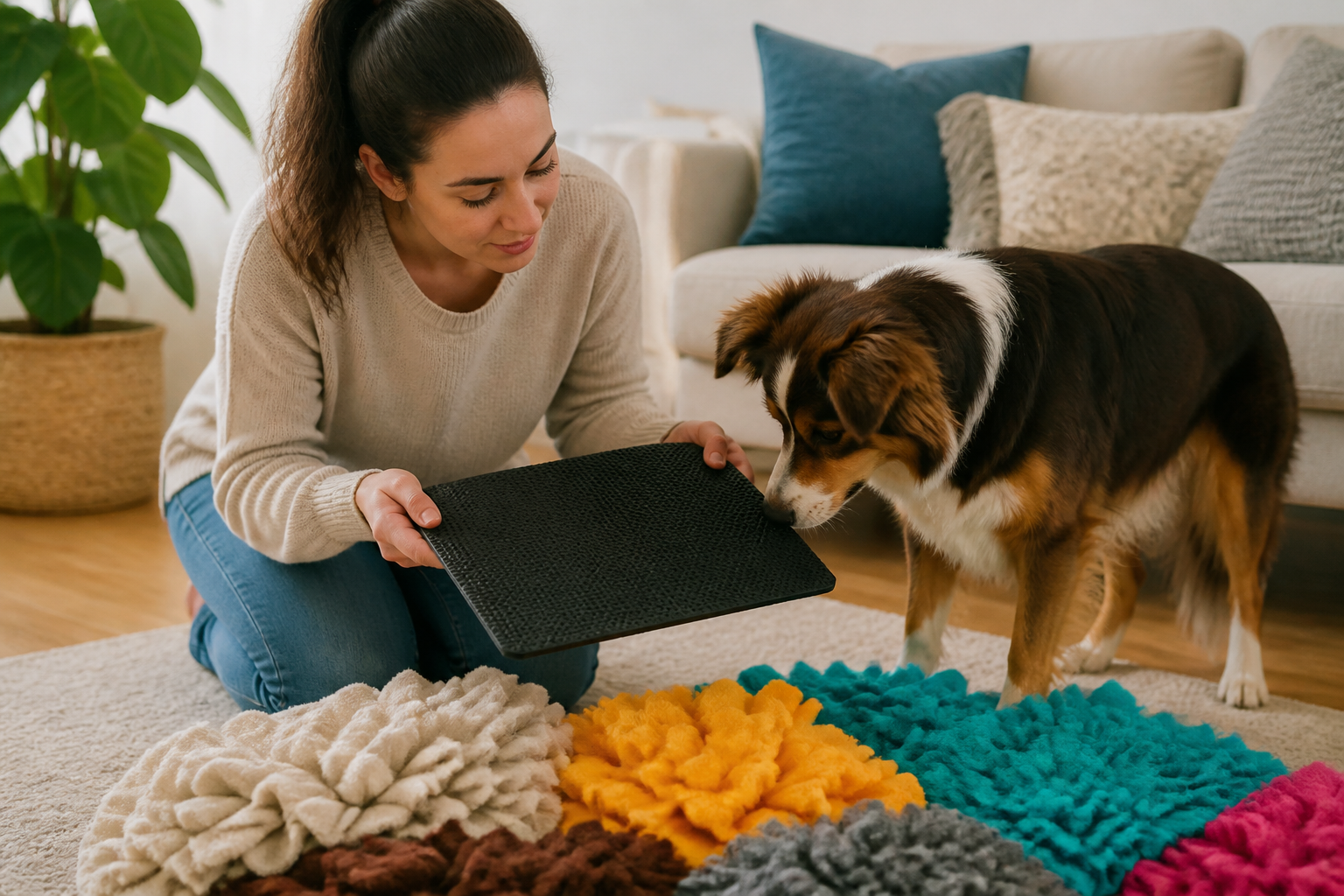
Do not simply dump a pile of food on the mat and walk away the first time. Some pets may become frustrated if they cannot find the food immediately. They might try to chew the mat or pick it up and shake it. Follow these steps to ensure a positive experience.
Step 1: Start easy. / Place a few high-value treats on top of the silicone blades so your pet can see and smell them easily.
Step 2: Increase the difficulty. / Once they understand that the mat contains food, start pushing the treats deeper into the "grass" blades.
Step 3: Move to full meals. / Gradually transition from treats to their regular dry kibble or a mix of kibble and wet food spread throughout the mat.
Step 4: Supervise the session. / Always watch your pet during the first few uses to make sure they are not trying to chew off the silicone blades.
Bottom line: Proper introduction prevents frustration and ensures your pet views the mat as a rewarding puzzle rather than a chew toy.
Cleaning and Maintenance Tips
One of the main reasons pet owners choose silicone is the ease of maintenance. However, you still need a routine to keep the mat hygienic. Residual food, especially wet food or raw diets, can spoil and cause stomach upset if left on the mat.
- Daily Rinse: After every meal, rinse the mat under hot water to remove saliva and crumbs.
- Dishwasher Safe: Most silicone mats can go on the top rack of the dishwasher. Use a mild detergent and avoid high-heat drying cycles if the manufacturer recommends it.
- Deep Cleaning: If you use peanut butter or sticky foods, use a soft-bristle brush to scrub between the blades.
- Drying: Shake off excess water and let the mat air dry upside down. This prevents water from pooling at the base of the blades.
Regular cleaning is especially important if you are using the mat for a pet with a sensitive stomach or allergies. Keeping the feeding surface sterile helps prevent "feline acne" in cats and skin irritations in dogs who may have sensitive muzzles.
Choosing the Right Size and Style
Not all silicone grass snuffle mats are created equal. When shopping at BaxterBoo, you will notice different sizes and blade densities. The right choice depends on your pet's size and their level of experience with puzzles.
For small dogs and cats, a mat with shorter, softer blades is usually best. It allows them to reach the food without feeling overwhelmed by the texture. Larger dogs with big noses need a mat with more space between the clusters of "grass" so they can actually get their snout in there to retrieve the kibble.
You should also consider the "blade height." Taller blades make the puzzle more difficult. If your dog is a "puzzle pro," look for a mat with varying heights and dense clusters. If your pet is easily discouraged, start with a flatter design. Some mats also offer "connecting" features, allowing you to snap multiple mats together to create a large foraging area for big breeds.
For a ready-made option, consider the Tall Tails Foraging Mat Slow Dog Feeder, available in multiple styles.
Safety Considerations
While silicone is durable, it is not a chew toy. Some dogs, particularly power chewers or puppies, may try to bite off the silicone blades. If a pet swallows a large piece of silicone, it could cause an intestinal blockage.
Always inspect the mat before and after use. If you notice any missing blades or cracks in the base, it is time to replace the mat. For dogs who are prone to destroying their gear, only allow access to the mat during supervised mealtimes. Once the food is gone, pick up the mat and put it away. This also helps keep the mat "special" and maintains its value as a high-level enrichment tool.
Vet Tip: If you suspect your pet has swallowed a piece of a toy or mat, watch for signs of lethargy, vomiting, or loss of appetite. Contact your veterinarian immediately if these symptoms occur.
Integrating the Mat into Your Routine
The best part about a silicone grass snuffle mat is how easily it fits into a daily schedule. It does not require you to go outside or have a large backyard. You can use it in a crate, in the kitchen, or even take it with you when you travel.
- During Your Meals: Give your dog their snuffle mat while you eat dinner to prevent begging.
- During Grooming: Use a mat with suction cups on the wall of the bathtub to keep your dog distracted during a bath.
- Post-Walk Wind Down: Use the mat after an exciting walk to help your dog transition back to a calm state indoors.
- Crate Training: A loaded mat makes the crate a positive and rewarding place to be.
By making the mat a regular part of their day, you provide a consistent outlet for their natural instincts. This leads to a calmer, more satisfied pet.
If you want more ways to keep your dog engaged indoors, explore additional dog boredom-busting activities.
Conclusion
A silicone grass snuffle mat is a simple yet powerful tool for any dog or cat owner. It addresses common issues like fast eating, boredom, and anxiety while offering a hygienic alternative to traditional fabric mats. By choosing a high-quality silicone option, you ensure your pet has a safe and durable way to engage their senses every single day. Whether you use it for dry kibble, wet food, or frozen treats, the benefits for digestion and mental health are significant. We invite you to explore our slow feeders and enrichment mats to find the perfect match for your pet's needs. If you are looking to save on your regular pet supplies, consider signing up for our Autoship programme to earn an MVP Gold membership and enjoy recurring savings.
FAQ
Is a silicone snuffle mat better than a fabric one?
Silicone mats are generally considered better for hygiene because they do not absorb moisture or odors and are dishwasher safe. They are also more versatile since they can be used with wet food, yogurt, or peanut butter, whereas fabric mats are limited to dry treats and kibble.
Can I put a silicone grass snuffle mat in the dishwasher?
Yes, most silicone snuffle mats are made from food-grade silicone that is safe for the top rack of the dishwasher. Always check the specific manufacturer's instructions, but the nonporous nature of silicone makes it much easier to sanitize than fabric alternatives.
Will a snuffle mat help my dog stop eating so fast?
A snuffle mat is an excellent tool for slowing down fast eaters because it forces the dog to forage for individual pieces of food. This can turn a meal that usually lasts seconds into a multiminute activity, which helps prevent bloating and improves overall digestion.
Is the silicone grass snuffle mat safe for cats?
Cats often enjoy silicone snuffle mats because the "grass" blades stimulate their natural hunting and foraging instincts. It is a great way to provide mental enrichment for indoor cats and can help prevent obesity by making them work for their dry kibble or treats.