Save 15% on your 1st Autoship learn more

 Email us
 Live Chat
 FAQs
FAQs





Introduction
You watch your dog inhale their dinner in three seconds flat. Before you can even set the bowl down, the kibble is gone. This is a common scene for many pet parents, leading us to look for ways to slow down mealtime and provide mental exercise. A snuffle mat is a popular solution, but buying a high-quality one can be pricey. Many owners turn to DIY options using a rubber sink mat for snuffle mat bases because they are durable and affordable. At BaxterBoo, we know that mental enrichment is just as important as a long walk for a happy pet. This post covers how to choose the right materials, the best way to assemble your mat, and how to use it safely for your dog or cat. Creating a custom enrichment tool helps your pet use their natural scavenging instincts while keeping them occupied.
Quick Answer: A rubber sink mat serves as a sturdy, flexible base for a DIY snuffle mat. You tie strips of fleece through the holes in the mat to create a dense fabric forest where you can hide treats or kibble for your pet to find.
Why Use a Rubber Sink Mat for Snuffle Mat Bases
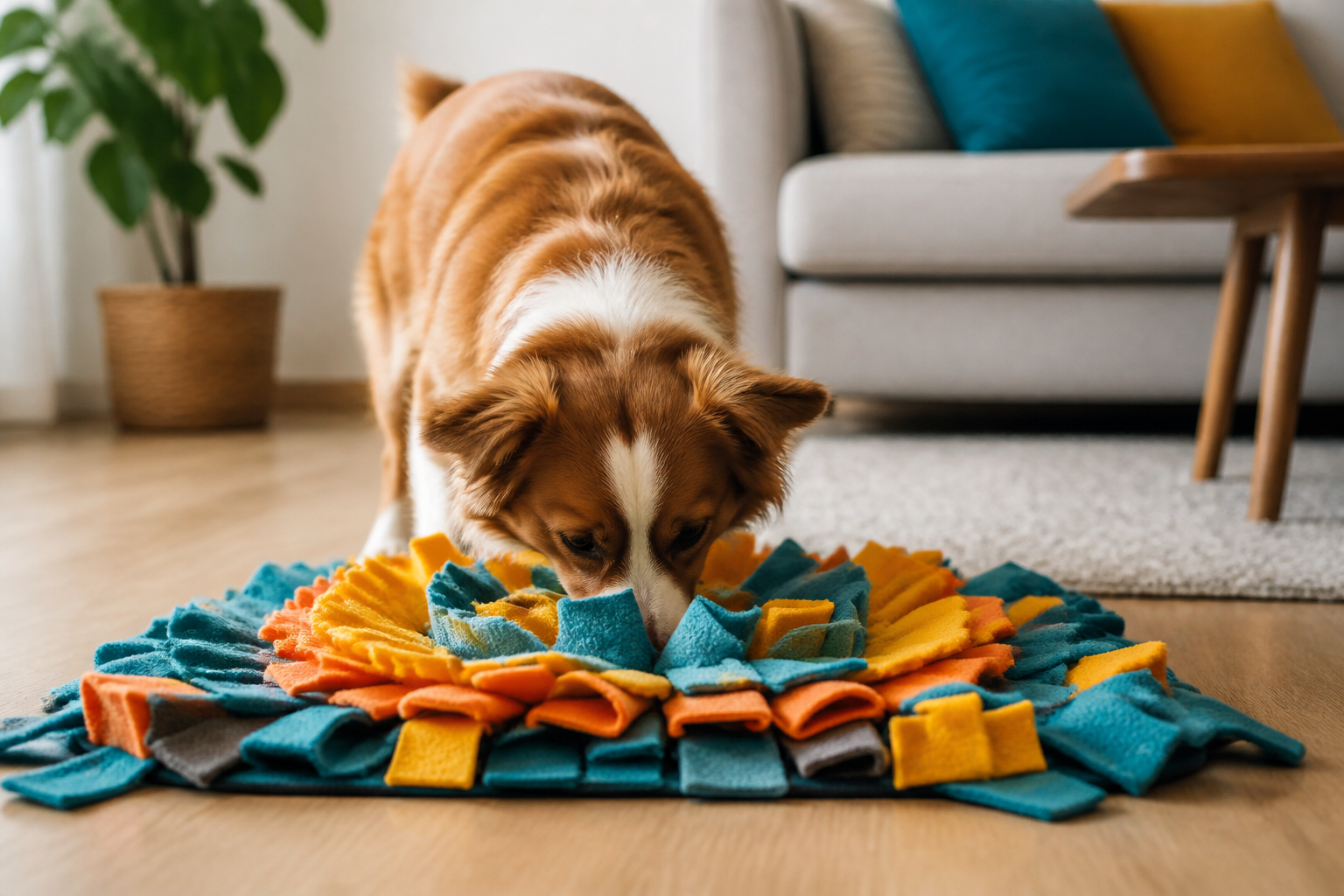
A snuffle mat is an enrichment toy that encourages your dog or cat to use their nose. In the wild, animals spend a large portion of their day foraging for food. Modern pets often have their meals handed to them in a bowl, which removes that natural challenge. A rubber sink mat provides the perfect foundation for a homemade version because of its structure and weight.
Most sink mats are made of heavy-duty rubber or flexible plastic. This weight is helpful because it prevents the mat from sliding across the floor while your dog is rooting around for treats. Some lightweight fabric mats tend to bunch up or flip over, but a rubber base stays put. The holes in a sink mat are also perfectly spaced. They allow you to tie many strips of fabric close together, creating a thick surface that hides food effectively.
Using a sink mat is a great way to upcycle or save money while providing professional-level enrichment. It allows you to customize the size. For a small dog or a cat, a standard 12-inch by 11-inch mat is usually enough. For larger breeds, you can even zip-tie two mats together to create a massive foraging area. For more ideas, explore this guide to DIY indoor enrichment activities.
Choosing the Best Materials for Your Project
Not all sink mats are created equal. When you look for a rubber sink mat for snuffle mat construction, search for one with a consistent grid pattern. Avoid mats with solid sections or very tiny decorative holes. You need enough space to thread fleece through without the rubber tearing.
The Sink Mat Base
Look for a mat that is BPA-free and made of non-toxic materials. Since your pet will be sniffing and potentially licking the surface, safety is the priority. Rubber is generally better than hard plastic. It is softer on the nose and has more "grip" on hard floors.
The Fabric Strips
Fleece is the gold standard for snuffle mats. It does not fray when you cut it, so you do not have to worry about loose threads. It is also stretchy enough to tie easily and soft enough for your pet to root through. We recommend using anti-pill fleece for the longest-lasting results. You can often find fleece blankets or remnants at craft stores for a low price.
Assembly Tools
You do not need many tools to get this done. A sharp pair of fabric scissors is essential. If you want to be very precise, a rotary cutter and a ruler can help you make uniform strips. However, your dog will not care if the strips are perfectly straight.
Key Takeaway: A heavy rubber sink mat base provides stability that fabric-only mats lack. Pair it with non-fraying fleece strips for a safe and durable DIY project.
Step-by-Step Guide to Building Your Snuffle Mat
Creating this toy takes some time, but it is a relaxing task to do while watching a movie. Most people find that a standard-sized mat takes about one to two hours to complete.
Step 1: Prep your materials
/ Cut your fleece into strips. Each strip should be approximately 1 inch wide and 7 inches long. You will need a lot of them, usually between 200 and 300 strips depending on the size of your mat and how dense the holes are.
Step 2: Begin the first row
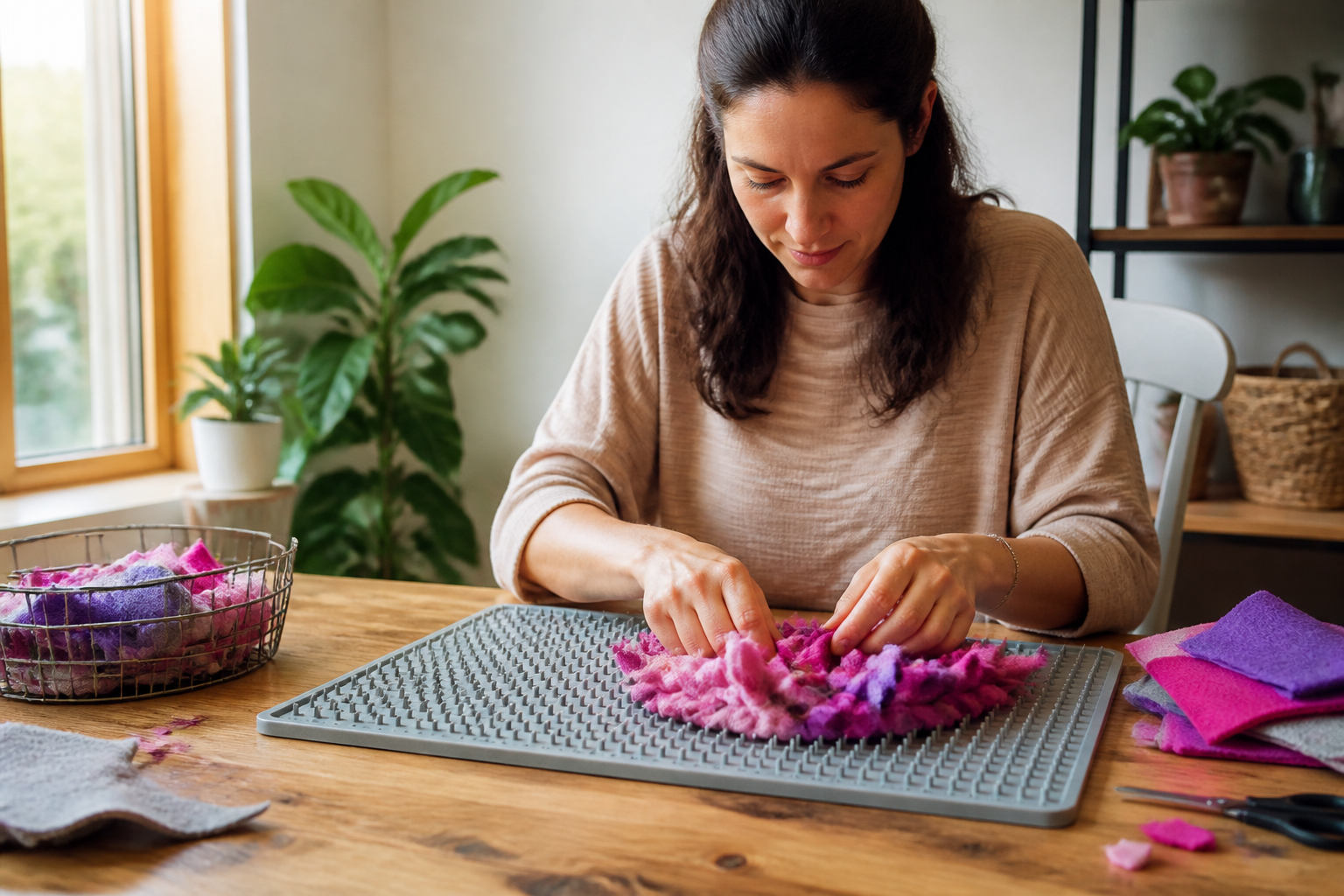
/ Take one strip and thread it through the first hole in the corner. Bring the other end up through the hole directly next to it. Tie a single overhand knot. You do not need a double knot, as the friction of the fleece against the rubber will keep it secure.
Step 3: Fill the grid
/ Continue tying strips across the first row. Once you finish the horizontal row, go back and tie strips vertically between the holes. This "cross-hatch" method ensures there are no gaps where kibble can fall straight through to the floor.
Step 4: Check for density
/ Flip the mat over. If you see large patches of the rubber mat, add more strips. The goal is a dense, shag-carpet look. When you run your hand over the top, you should feel a thick layer of fabric.
- Select a BPA-free rubber mat.
- Cut fleece into 1" x 7" strips.
- Tie strips both horizontally and vertically.
- Use multiple colors to make it visually interesting.
- Check that all knots are tight before use.
How to Introduce the Snuffle Mat to Your Dog
If your pet has never used an enrichment toy, they might be confused at first. Some dogs might try to pick up the mat and shake it to get the food out. Others might try to chew on the rubber base. It is important to guide them through the first few sessions.
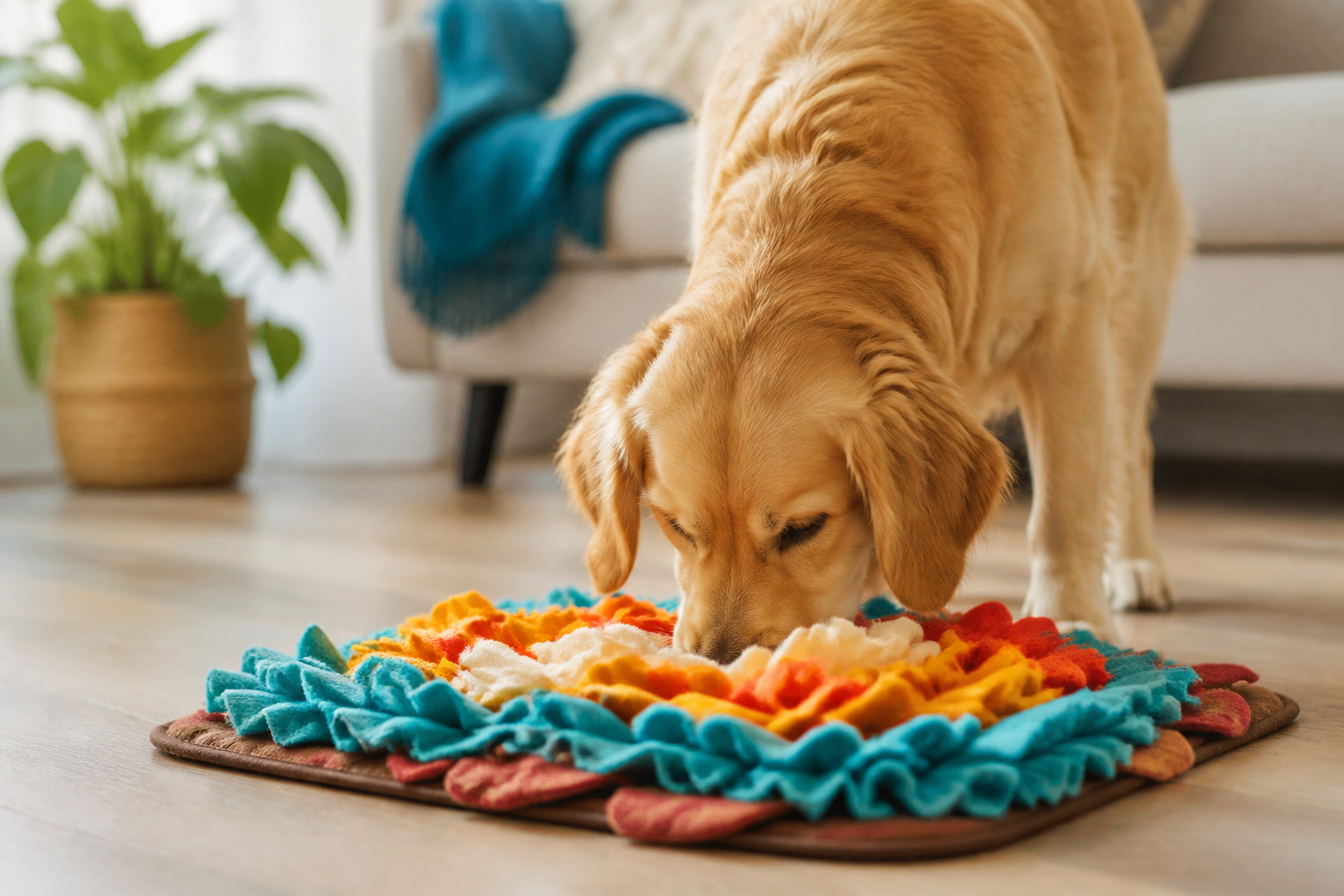
Start by placing a few high-value treats directly on top of the fleece. Let your dog see you put them there. Once they eat those, place the next few slightly deeper into the fabric. Eventually, you can bury the treats all the way at the bottom of the mat. This teaches them that their nose is the tool they need to use, not their teeth.
If your dog starts to chew or pull on the mat itself, gently remove it and wait a few minutes. You want to reward the "snuffling" behavior, not the "chewing" behavior. Most dogs catch on very quickly once they realize the mat is a giant puzzle filled with food. For additional ideas, read about dog brain games and scent-based activities.
Vet Tip: If you are using a snuffle mat for daily meals to help with weight management, make sure to account for the calories. Always consult your veterinarian before starting a new weight loss plan for your pet.
Cleaning and Maintaining Your DIY Mat
Because the base is a rubber sink mat, these toys can get dirty over time. Slobber, crumbs, and dust will accumulate in the bottom of the mat. Proper cleaning keeps the mat hygienic and prevents it from smelling.
We do not recommend putting a DIY snuffle mat in the washing machine or dryer. The high heat of a dryer can melt the rubber or plastic base. The agitation of a washing machine can also cause the knots to come loose or the heavy rubber to damage your machine.
The best way to clean the mat is to soak it in a bathtub or a large sink. Use a pet-safe, non-toxic detergent. Swish the mat around to loosen any debris. Rinse it thoroughly with cool water. To dry it, roll it up in a towel to squeeze out the excess moisture, then lay it flat to air dry. It may take a full day to dry completely because of the density of the fleece.
Bottom line: Hand washing and air drying are the best ways to keep your rubber-based snuffle mat clean without damaging the materials.
The Best Foods and Treats for Sniffing
The success of your snuffle mat depends on what you put inside it. You want something that smells enticing but isn't messy. Avoid wet food, greasy treats, or anything that crumbles into a fine powder.
Dry kibble is the easiest option for daily use. Brands like Acana, Orijen, or Stella and Chewy’s offer high-quality kibble that fits perfectly between fleece strips. If you want to make it extra challenging, use small, smelly treats like freeze-dried liver or salmon. The strong scent will keep your dog's nose working hard even if the treat is buried deep. Browse our dog treats collection for options suited to sniffing games.
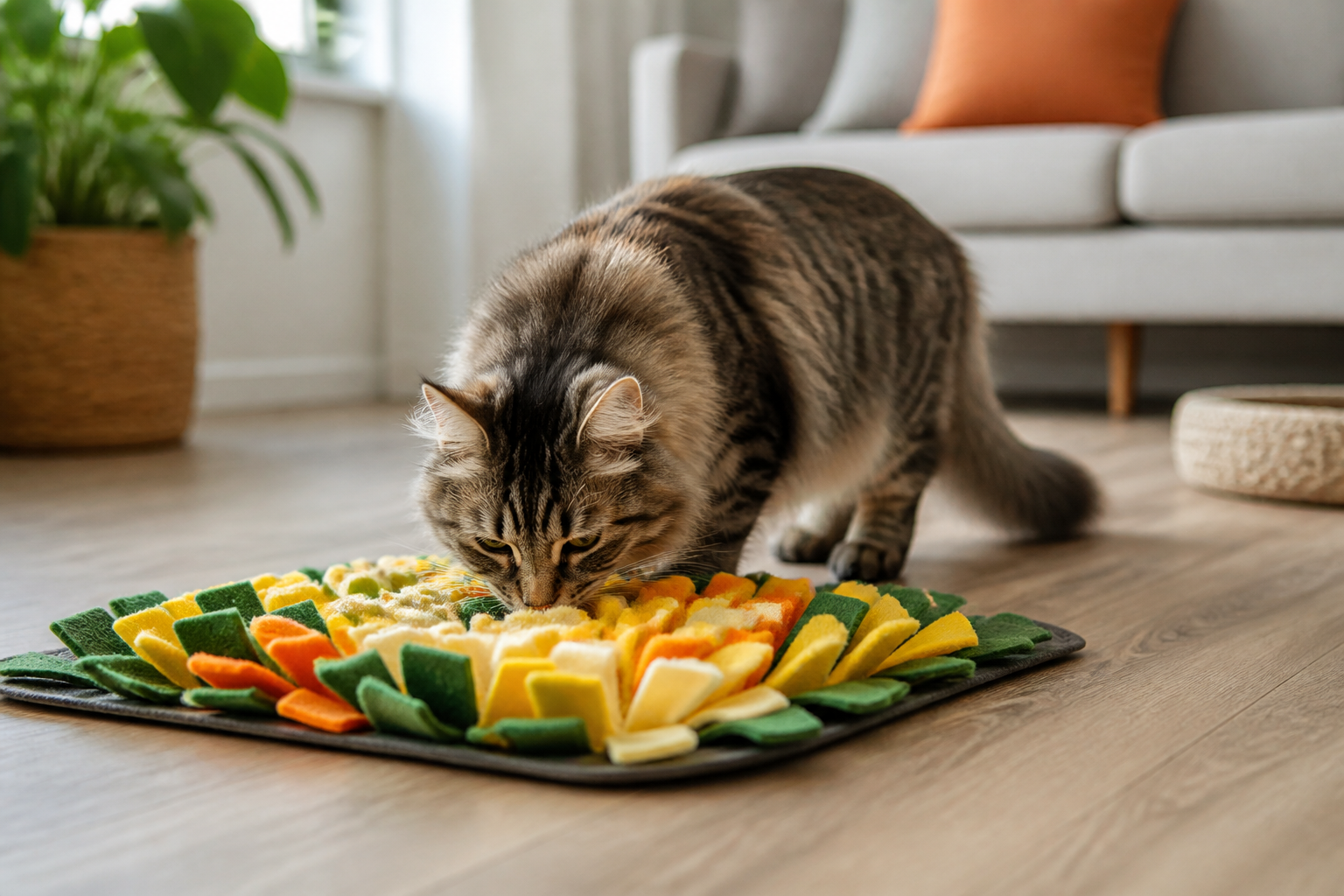
For cats, you can use crunchy dental treats or small pieces of freeze-dried chicken. Cats are natural hunters and often enjoy the "prey drive" aspect of searching through the fleece. It is a great way to keep indoor cats active and mentally sharp.
Safety Considerations for DIY Enrichment
While a rubber sink mat for snuffle mat projects is generally safe, no toy is indestructible. You must supervise your pet while they use it. This is not a toy to leave out all day while you are at work.
The primary risk is a dog deciding to chew on the rubber base or the fleece strips. If a dog swallows a piece of rubber or a long strip of fabric, it can cause an intestinal blockage. This is a serious medical emergency. If you notice your dog is more interested in eating the mat than the treats inside, it might not be the right toy for them.
Check the mat regularly for wear and tear. If the rubber starts to crack or if strips are coming loose, it is time for repairs or a replacement. We carry a wide variety of durable dog toys if you decide a DIY version isn't standing up to your power-chewer.
- Always supervise use.
- Remove the mat once the food is gone.
- Inspect for loose pieces weekly.
- Store it out of reach when not in use.
Benefits for Senior Pets and Limited Mobility
Snuffle mats are not just for high-energy puppies. They are excellent for senior dogs or pets recovering from surgery. When a dog cannot go for long walks due to joint pain or age, they still need a way to burn off mental energy.
Nose work is surprisingly tiring for dogs. Ten minutes of intense sniffing can be as exhausting as a much longer walk. For a dog with limited mobility, this provides a way to stay engaged with the world without putting stress on their joints. At BaxterBoo, we see many owners of senior pets using these mats to improve their dog's quality of life.
If your senior pet is struggling with mobility, you might also look into our dog healthcare category. We offer various supports that can be used alongside mental enrichment to keep your older friend comfortable.
Enhancing the Challenge
Once your pet becomes a pro at the snuffle mat, you might find they finish it too quickly. You can increase the difficulty in several ways. One method is to tie the strips even tighter and closer together. This makes the "forest" of fleece denser and harder to navigate.
Another trick is to place the mat on a slightly elevated surface, like a low stool, so the dog has to work from different angles. You can also hide the mat itself inside a cardboard box. This adds an extra layer of searching before they even get to the snuffle mat.
If you have multiple pets, make sure they each have their own mat. Some dogs can be territorial over high-value food puzzles. Giving them their own space in separate rooms ensures that the enrichment remains a positive, stress-free experience. You can find more ideas in this article about dog boredom busters and puzzle play.
Transitioning to Different Enrichment Toys
A snuffle mat is a fantastic "gateway" into the world of pet enrichment. Once your dog or cat enjoys using their nose, you can explore other puzzles. We carry a large selection of treat-dispensing toys from brands like Kong and West Paw that offer different types of challenges.
Some toys require the pet to lick, which is another calming behavior. Others require them to nudge, flip, or slide parts to get a reward. Rotating between a DIY snuffle mat and store-bought puzzles keeps your pet's brain sharp and prevents boredom.
We recommend keeping a "toy library" and rotating what is available each day. This keeps even old toys feeling new and exciting for your pet.
Customizing the Look of Your Mat
One of the best parts of the DIY route is the ability to make it look exactly how you want. You can choose fleece colors that match your home decor or your pet's personality. Some people like to create patterns, like a rainbow or a camouflage look.
The rubber sink mat base often comes in clear, white, or black. Clear mats are great because they disappear under the fabric. Black mats can provide a nice contrast if you are using bright, neon-colored fleece.
Beyond looks, you can customize the texture. You can mix fleece with strips of old cotton t-shirts or denim for a variety of "nosing" experiences. Just ensure any fabric you use is safe and won't fray into dangerous strings.
Training Benefits of the Snuffle Mat
Beyond just fun and food, the snuffle mat is a great training tool. It can be used to teach a "settle" command. If your dog gets over-excited when guests arrive, giving them a loaded snuffle mat can redirect that energy into a calm, focused activity.
It is also helpful for crate training. Placing a snuffle mat inside the crate helps the dog associate that space with a rewarding, calming activity. This makes the crate a place they want to be, rather than a place they are forced to go.
Many trainers use snuffle mats to help fearful dogs build confidence. Success in finding hidden treats provides a series of "wins" for the dog, which can help them feel more comfortable in new environments or around new smells.
Summary of DIY Snuffle Mat Benefits
Building your own enrichment toy is a rewarding project that directly benefits your pet's health. Using a rubber sink mat ensures that your hard work results in a tool that lasts. It provides the weight needed for safety and the structure needed for a challenging puzzle.
By taking the time to tie those strips and select the best food, you are investing in your pet's mental well-being. Whether you have a fast eater, a bored cat, or a senior dog, this simple DIY project offers a solution that is both practical and fun.
At BaxterBoo, we have been helping pet owners find the best products and advice since 2006. We love seeing the creative ways our customers care for their animals. Whether you are building your own gear or looking for the best premium treats to hide inside, we are here to support you and your furry family members.
Key Takeaway: DIY snuffle mats are a cost-effective way to provide essential mental stimulation, slowing down fast eaters and keeping pets of all ages engaged.
Conclusion
A rubber sink mat for snuffle mat projects is one of the most effective DIY's for any pet owner. It bridges the gap between a simple toy and a functional health tool. By encouraging your dog or cat to work for their food, you reduce stress and promote a calmer household. We encourage you to try this project and see the difference it makes in your pet's daily routine. If you need high-quality treats to fill your new mat, explore our collection of premium dog and cat treats. You can also sign up for the MVP Rewards programme to earn points on every purchase, making it even easier to keep your pet's toy library and pantry fully stocked.
FAQ
Can I wash a snuffle mat made with a rubber sink mat?
Yes, you can wash it, but you should avoid the washing machine and dryer. Hand wash the mat in a sink or tub with mild, pet-safe soap and let it air dry completely. The heat of a dryer can damage the rubber base and cause it to warp or melt.
What is the best size for a DIY snuffle mat?
For most small to medium dogs and cats, a standard sink mat around 12 inches by 11 inches is perfect. If you have a very large dog, you can use a larger anti-fatigue rubber mat or zip-tie two smaller sink mats together to create more surface area for foraging.
Is a rubber sink mat safe for dogs to lick?
As long as you choose a BPA-free, non-toxic rubber mat, it is generally safe for pet use. However, you should always supervise your dog to ensure they are not chewing on or swallowing pieces of the rubber or the fleece strips.
How do I stop my dog from flipping the mat over?
The weight of a rubber sink mat usually helps prevent flipping, but if your dog is very persistent, you can try placing the mat on a non-slip rug. If they continue to flip it, it may mean they need more help understanding how to use their nose to find the treats rather than their paws.