
 Save 15% on your 1st Autoship learn more

 Email us
 Live Chat
 FAQs
FAQs





Introduction
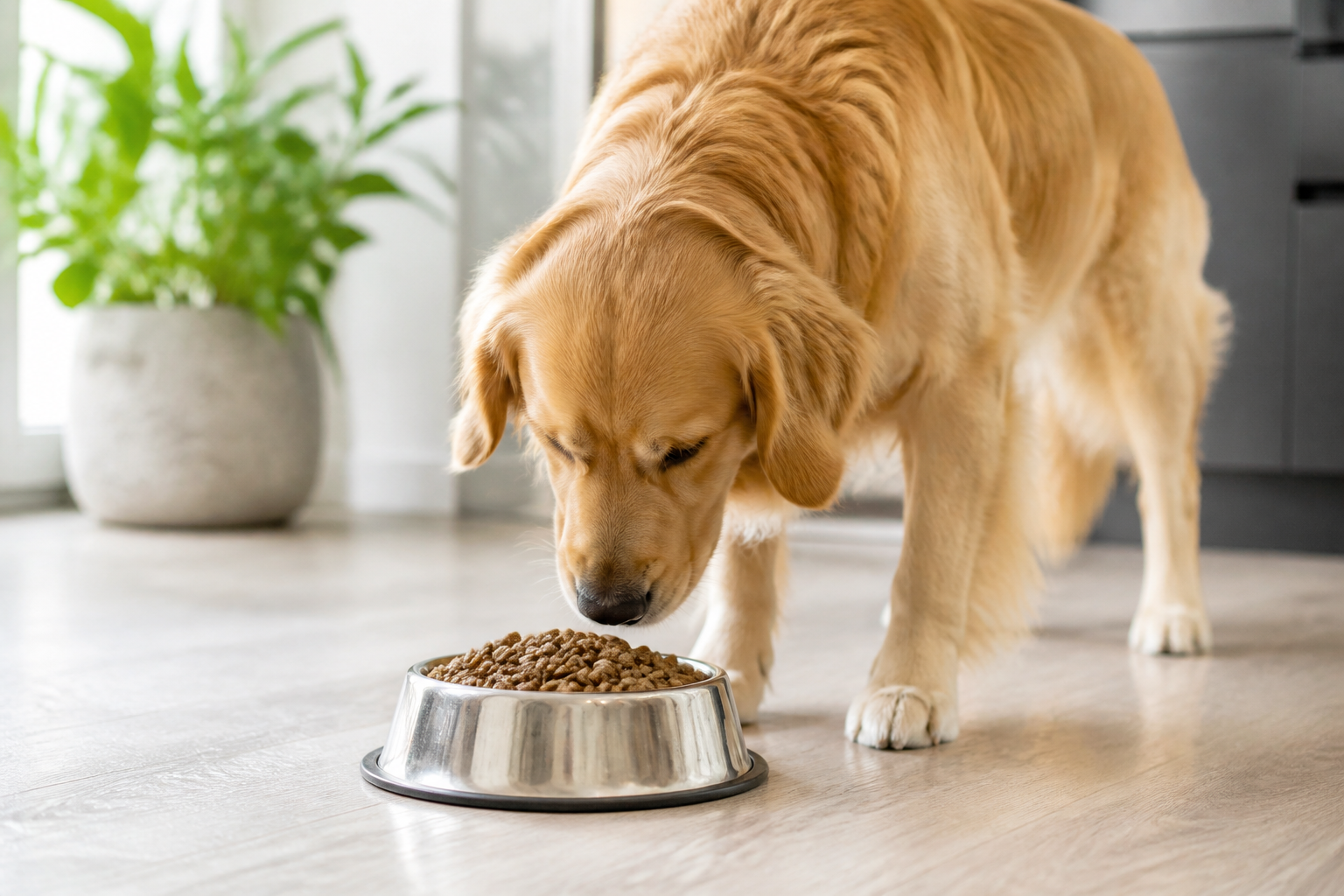
You are standing in the pet food aisle or browsing our website and looking at dozens of different bags. You might wonder if that bag of kibble is truly enough to keep your dog healthy for a lifetime. It is a common question for many pet owners who want the best for their companions but also value the convenience of dry food. We see many families at BaxterBoo who want to simplify their routine without compromising on nutrition. The short answer is that most dogs can thrive on a dry-only diet if the food is high quality and meets their specific life stage needs. This article covers the nutritional balance of kibble, the importance of hydration, and when you might need to consider other options. Choosing the right diet is about understanding what goes into the bowl and how it supports your dog's long term wellness.
Quick Answer: Yes, dogs can live healthy lives on dry food only. High quality kibble is formulated to be a complete and balanced meal that provides all necessary proteins, fats, vitamins, and minerals.
What Makes Dry Food a Complete Meal
Modern pet food is far more advanced than the options available decades ago. Most commercial dry foods are designed to be "complete and balanced." This means they contain every single nutrient a dog needs in the correct proportions. You do not need to add supplements or toppers to these foods for your dog to stay healthy.
The process of making kibble usually involves a method called extrusion. Manufacturers mix ingredients like meat, grains, vegetables, and fats into a dough. This dough is cooked under pressure and pushed through a die to create the shapes we recognize. After cooking, the kibble is dried. This drying process is why it has such a long shelf life.
Manufacturers often spray the outside of the kibble with fats and vitamins. This adds flavor and ensures that nutrients lost during the high heat cooking process are replaced. When you choose brands like Royal Canin or Farmina, you are getting the result of extensive nutritional research. These companies ensure that every bite contains a precise blend of amino acids and minerals.
Understanding AAFCO Standards
When looking at a bag of dry food, check for the AAFCO statement. The Association of American Feed Control Officials sets the nutritional standards for pet foods in the United States. A "complete and balanced" label means the food has either been formulated to meet these standards or has passed a feeding trial.
Feeding trials are the gold standard. They involve real dogs eating the food for a set period to ensure they remain healthy. This gives you peace of mind that the dry food is not just good on paper but works in real life. If a food meets these standards, it is safe to serve as the sole source of nutrition.
The Benefits of a Dry-Only Diet
There are several practical reasons why many owners choose kibble as the primary food source. It is often the most cost-effective way to feed a high-quality diet. Because dry food is concentrated, you are not paying for the high water content found in canned options. This allows you to invest in better ingredients for the same price.
Convenience is another major factor. You can leave dry food out for dogs that prefer to graze throughout the day. It does not spoil quickly like wet food, which must be picked up after a short time. For busy families, this flexibility makes daily routines much easier to manage. You can compare options in our dry dog food collection.
Dental Health Advantages
One of the biggest perks of dry food is its effect on oral hygiene. The crunchy texture of kibble creates a mechanical scrubbing action on the teeth. As your dog chews, the friction helps scrape away plaque before it can harden into tartar.
This does not replace regular veterinary dental cleanings or brushing. However, it can slow down the progression of dental disease. Many senior dogs who have eaten kibble their whole lives have better gum health than those on soft diets. Brands like Greenies also offer dental treats that complement a dry food diet by reaching areas the kibble might miss.
Cognitive and Environmental Enrichment
Dry food is incredibly versatile for training and mental exercise. You can use individual pieces of kibble as low-calorie training rewards. This prevents overfeeding that often happens when using high-calorie treats.
Kibble is also perfect for puzzle toys and slow feeders. Brands like Kong make toys that you can stuff with dry food. Your dog has to work to get the food out, which provides mental stimulation. This can reduce anxiety and boredom, making mealtime a fun activity rather than a quick gulp.
The Importance of Hydration
The biggest difference between dry food and wet food is the moisture content. Wet food is usually about 75 to 80 percent water. Dry food is typically around 10 percent. If your dog only eats kibble, they must get their hydration from their water bowl.
Dogs have a natural thirst drive, but some are more diligent about drinking than others. If your dog is on a dry-only diet, you need to ensure they have access to fresh, clean water at all times. A lack of proper hydration can lead to urinary tract issues or kidney stress over time.
Monitoring Water Intake
Keep an eye on how much your dog drinks. If you notice they rarely visit the water bowl, you might need to encourage them. Some dogs prefer moving water, so a pet fountain can be a great investment.
Vet Tip: If your dog is a "lazy drinker," try adding a splash of warm water or low-sodium broth directly to their kibble. This increases their fluid intake without changing their primary diet. Always consult your vet if you notice a sudden increase or decrease in thirst, as this can signal underlying health issues.
For more ideas, read our guide to adding water to dry dog food.
Choosing the Best Dry Food
Not all kibble is created equal. The quality of ingredients varies significantly between budget brands and premium options. When you shop at BaxterBoo, we curate our selection to ensure you are getting products from trusted manufacturers. We look for brands that prioritize whole food ingredients and transparent sourcing.
Check the ingredient list for specific meat sources. You want to see "chicken," "lamb," or "salmon" as the first ingredient, rather than generic terms like "meat meal" or "animal by-products." High-quality proteins provide the essential amino acids your dog needs for muscle maintenance and immune function.
Ingredients to Look For
- Identifiable animal proteins (e.g., deboned turkey or beef)
- Complex carbohydrates like sweet potatoes or brown rice
- Healthy fats such as fish oil for omega-3 fatty acids
- Natural preservatives like mixed tocopherols (Vitamin E)
- Probiotics for digestive support
Ingredients to Avoid
- Artificial colors and dyes
- BHA, BHT, or ethoxyquin
- Excessive fillers like corn gluten meal or soy
- Unidentified "meat" sources
Key Takeaway: The quality of the kibble matters more than the fact that it is dry. A premium dry food is often superior to a low-quality wet food.
For additional comparisons, see our guide to choosing the right dry food for dogs.
When Dry Food Might Not Be Enough
While most dogs do fine on kibble, some specific situations require a different approach. Health conditions often dictate the best texture and formulation for a dog's food. For example, dogs with advanced dental disease or missing teeth may find hard kibble painful to chew.
Older dogs sometimes lose their sense of smell and taste. Because dry food is less aromatic than wet food, a senior dog might lose interest in their meals. In these cases, mixing in a little wet food or switching to a softer diet can help maintain their weight and energy levels.
Managing Chronic Conditions
Dogs with kidney disease or urinary stones often need significantly more moisture in their diet to flush their systems. Veterinarians frequently recommend prescription wet foods for these pets. Our pharmacy carries many of these specialized diets through our partnership with Pet's Choice.
If your dog has severe allergies, they might need a limited ingredient or hydrolyzed protein diet. These are available in dry formats, but they require a prescription from your veterinarian. Always talk to your vet before making a major change if your dog is managing a chronic illness.
How to Level Up a Dry-Only Diet
You can keep dry food as the base of the diet while adding small touches to improve its nutritional profile. This is often called "kibble boosting." It allows you to provide variety without the expense of a fully fresh or wet diet.
Adding a spoonful of plain canned pumpkin can help with digestion and fiber intake. A topper of freeze-dried raw food, like those from Stella and Chewy's, can add a burst of flavor and high-quality protein. Just remember to account for these extra calories to prevent weight gain.
Safe Add-Ins for Kibble
- Warm water to create a gravy
- Plain, unsweetened yogurt for probiotics
- Fresh blueberries or steamed green beans
- A pump of salmon oil for skin and coat health
Bottom line: Enhancing kibble with small amounts of fresh food or moisture can provide the benefits of a mixed diet while keeping the convenience of dry food.
You can also explore our selection of Stella & Chewy's products when looking for food toppers and meal enhancers.
Transitioning Between Foods
If you decide to switch your dog to a different dry food or move from a wet diet to a dry one, do it slowly. A dog's digestive system needs time to adjust to new ingredients and different fiber levels. A sudden change can cause upset stomachs, vomiting, or diarrhea.
We recommend a transition period of about seven to ten days. Start by mixing a small amount of the new food into the old food. Gradually increase the ratio of new food every few days until the transition is complete.
The Transition Schedule
Step 1: Days 1 to 3 / Mix 25% new food with 75% old food.
Step 2: Days 4 to 6 / Mix 50% new food with 50% old food.
Step 3: Days 7 to 9 / Mix 75% new food with 25% old food.
Step 4: Day 10 / Feed 100% new food.
Watch your dog's stool consistency during this time. If it becomes loose, slow down the process and stay at the current ratio for a few more days. This gradual approach is the best way to keep your dog's gut healthy during a diet change.
For another perspective on combining food types, read our guide to mixing wet and dry dog food.
Managing Your Dog's Weight on Dry Food
One risk of a dry-only diet is overfeeding. Because kibble is calorie-dense, it is easy to give your dog more than they need. A small extra scoop might not look like much, but it can represent a significant percentage of their daily caloric needs.
Use a standard measuring cup rather than a random scoop or bowl. Check the feeding guidelines on the back of the bag, but remember these are just starting points. Every dog has a different metabolism based on their age, breed, and activity level.
Signs of an Ideal Weight
You should be able to feel your dog's ribs easily without a thick layer of fat over them. When looking from above, your dog should have a visible waistline. If they are starting to look round, it might be time to trim back their portions.
For dogs that struggle with weight, we offer weight management formulas like Farmina Vet Life. These are designed to keep your dog feeling full while providing fewer calories. If your dog is significantly overweight, your vet can provide a prescription for a metabolic diet through our pharmacy.
Storing Dry Food Correctly
To keep dry food nutritious, you must store it properly. Once a bag is opened, the fats inside begin to oxidize when exposed to air. This can lead to a loss of flavor and, eventually, rancidity.
Keep the food in its original bag rather than pouring it into a plastic bin. Most pet food bags are designed with liners that help preserve freshness. You can place the entire bag inside an airtight container for extra protection against pests and moisture.
Storage Tips for Freshness
- Keep the food in a cool, dry place.
- Avoid storing food in a garage or basement where temperatures fluctuate.
- Seal the bag tightly after every feeding.
- Use the food within six to eight weeks of opening the bag.
- Check the expiration date before purchasing a new bag.
For more storage guidance, see our article on how long dry dog food lasts.
Life Stage Specific Kibble
A puppy has very different nutritional needs than a senior dog. Puppies require more protein and higher levels of certain minerals like calcium and phosphorus for bone growth. Feeding an adult maintenance food to a puppy can lead to developmental issues.
Conversely, senior dogs often benefit from lower-calorie diets that include joint support supplements like glucosamine and chondroitin. Brands like Cosequin are frequently included in senior-specific kibble to help with mobility. Choosing the right life stage formula ensures your dog gets exactly what they need at their current age.
Breed-Specific Dry Food
Some brands, such as Royal Canin, offer breed-specific kibble. These are shaped to match the jaw structure of specific breeds. For example, a Bulldog might have a harder time picking up flat kibble, so their formula features a wave shape that is easier to grasp. These formulas also target breed-specific health concerns, such as skin sensitivities in Labradors or heart health in Boxers.
You can compare adult and life-stage formulas in our adult dog food collection.
The Role of the BaxterBoo Pharmacy
While standard dry food is great for healthy pets, many dogs eventually face health challenges that require more than just over-the-counter kibble. Chronic conditions like skin allergies, joint degeneration, and digestive sensitivities often need specialized management. We provide a bridge between retail convenience and veterinary expertise through our pharmacy.
Our partnership with Pet's Choice allows us to offer FDA-approved medications and prescription diets. If your vet determines your dog needs a specific therapeutic kibble, you can easily fulfill that need through our site. This ensures your dog gets the clinical nutrition they need with the same home delivery convenience you expect from us.
Key Takeaway: For dogs with medical needs, a dry-only diet may still be possible using prescription kibble designed to manage their specific health condition.
Summary
Dry food is a reliable, nutritionally complete, and practical choice for the vast majority of dogs. It supports dental health, offers convenience for owners, and provides all the essential nutrients needed for a long life. As long as you choose high-quality brands and ensure your dog stays hydrated, they can thrive on kibble alone.
Remember that every dog is an individual. What works for a high-energy puppy might not suit a sedentary senior. Keep a close eye on your dog's coat, weight, and energy levels to ensure their diet is working for them.
- Choose high-quality brands with meat as the first ingredient.
- Maintain a strict feeding schedule to prevent obesity.
- Ensure constant access to fresh water to support kidney health.
- Use kibble for mental enrichment through puzzle toys.
- Consult your veterinarian for any signs of food intolerance or health changes.
If you are looking to start your dog on a new dry food journey, we invite you to browse our curated selection. You can also take advantage of the MVP Rewards programme to earn back on every bag of kibble you buy. For those who want to ensure they never run out, our Autoship programme offers savings on your first order and helps you stay consistent with your pet's nutrition.
FAQ
Can dogs get bored eating only dry food?
While humans enjoy variety, dogs are creatures of habit and can be perfectly content eating the same high-quality kibble every day. Their sense of smell is much stronger than their sense of taste, so if the food smells good to them, they are usually happy. If your dog suddenly stops eating their dry food, it is more likely a health issue or a change in the food's freshness rather than boredom.
Does dry food ever go bad?
Yes, dry food has an expiration date and can go rancid if stored improperly or kept too long after opening. The fats in the food are the first thing to spoil when exposed to heat and oxygen. Always store kibble in its original bag inside an airtight container in a cool, dry place to keep it fresh for as long as possible.
Is kibble better for a dog's teeth than wet food?
In general, kibble is better for dental health because the hard texture helps scrape away plaque. Soft wet food can stick to the teeth and gums, which may lead to faster tartar buildup if the teeth are not brushed regularly. However, dry food is not a substitute for professional dental care and regular brushing at home.
Should I add water to my dog's dry food?
Adding water to dry food can be very beneficial, especially for dogs who do not drink enough from their bowl. It increases hydration and can make the food more aromatic and easier to chew for senior dogs. Just be sure to wash the bowl after each meal, as moistened kibble can grow bacteria much faster than dry kibble left in a bowl.






