
 Save 15% on your 1st Autoship learn more

 Email us
 Live Chat
 FAQs
FAQs





Introduction
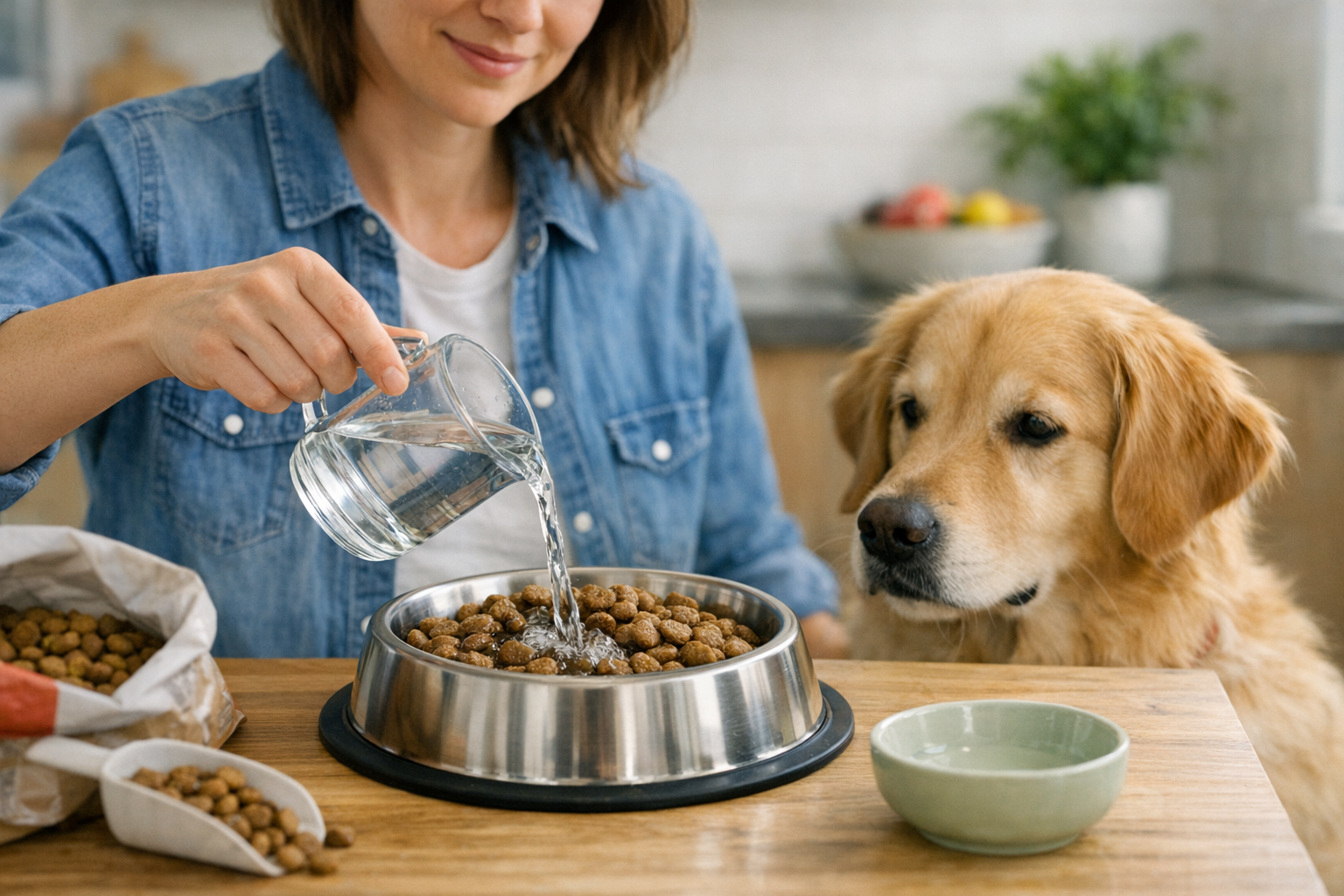
You might find yourself standing over your dog's bowl, measuring out the same dry kibble they eat every day, and wondering if it needs a little something extra. Maybe your dog seems bored with their meal, or perhaps you have noticed they rarely visit their water dish. The question of whether to add water to dry food is common for pet owners who want to improve mealtime. At BaxterBoo, we talk to dog owners every day who are looking for simple ways to boost their pet's nutrition and comfort. If you are exploring more meal options, our dog food collection is a good place to start. Adding water is a cost effective and easy way to change the texture and aroma of a meal. This post covers the specific benefits of hydration, how to safely prepare moistened meals, and the potential risks of leaving wet food out too long. Adding a splash of water can transform a basic meal into a more digestible and enticing experience for your dog.
Quick Answer: Yes, you can add water to your dog's dry food to improve hydration, palatability, and digestion. It is generally safe as long as you serve the food immediately and discard any leftovers within thirty minutes to prevent bacterial growth.
The Hydration Gap in Dry Kibble
Most high quality dry dog foods contain only about 6 to 10 percent moisture. This is a very low number when you compare it to canned wet food, which usually sits between 75 and 80 percent moisture. Dogs are biologically designed to get a portion of their daily water intake through their food. When a dog eats a diet consisting entirely of dry kibble, they have to work much harder to stay hydrated. They must drink significantly more water from their bowl to make up for the lack of moisture in their diet.
Many dogs are not naturally inclined to drink large amounts of water throughout the day. This can lead to a state of mild, chronic dehydration that places unnecessary stress on the kidneys. By adding water directly to the food bowl, you ensure that your dog is consuming fluids at the same time they are eating. This is particularly helpful for dogs that are prone to urinary tract issues or kidney stones. Increased fluid intake helps the kidneys flush out waste products more efficiently and dilutes the urine.
Key Takeaway: Dry kibble is extremely low in moisture. Adding water helps bridge the hydration gap and supports vital organ functions like kidney filtration.
Enhancing Palatability for Picky Eaters
If your dog has started turning their nose up at their dinner, the issue might be the lack of aroma. A dog's sense of smell is their primary way of experiencing the world, including their food. Dry kibble is designed to be shelf stable, which means the fats and flavorings are often locked inside the hard biscuit. When you add warm water to the bowl, it begins to break down these fats and releases a much stronger scent.
This aromatic boost is often enough to convince a picky eater to dive back into their bowl. Warmth plays a big role here. Using lukewarm water rather than cold water helps the scents travel further. This technique is especially useful for dogs that are recovering from an illness or those who have lost some of their sense of smell due to aging. It makes a standard bowl of kibble smell like a fresh, meaty meal.
Benefits for Picky Eaters
- Releases hidden fats and oils that carry flavor.
- Creates a natural gravy that coats every piece of kibble.
- Warms the food to a temperature closer to a fresh kill in the wild.
- Changes the mouthfeel from a hard crunch to a softer, more varied texture.
Managing Digestion and Preventing Bloat
Adding water can significantly impact how your dog processes their food. Some dogs are enthusiastic eaters who tend to inhale their kibble without chewing. This rapid eating can lead to a condition known as "scarf and barf," where the dog vomits shortly after a meal because they swallowed too much air or too many whole pieces of food. Moistening the food naturally slows them down. It is much harder to "inhale" a bowl of food when there is liquid involved.
Furthermore, pre-soaking the kibble allows it to expand before it reaches the stomach. If you have ever put a piece of kibble in a glass of water, you know it can double or triple in size. When a dog eats dry food, that expansion happens inside their stomach. For some dogs, this can lead to discomfort or contribute to a dangerous condition called bloat or Gastric Dilatation-Volvulus (GDV). While adding water is not a guaranteed cure for bloat, it can help prevent the sudden expansion of dry matter in the gut.
Vet Tip: If your dog is a deep-chested breed prone to bloat, consult your veterinarian about the best feeding practices. While water can slow down eating, they may also recommend specific elevated feeders or smaller, more frequent meals.
Dental Health: Myth vs. Reality
A common argument against adding water to dry food is the belief that kibble cleans a dog's teeth. The idea is that the hard crunch scrapes away plaque and tartar as the dog chews. However, most kibble is actually quite starchy. When a dog bites into a dry biscuit, it often shatters or turns into a paste that can actually stick to the teeth and gums. This paste provides sugar for oral bacteria to feed on, which can actually worsen dental health over time.
Adding water softens the food and may actually reduce the amount of starchy residue that sticks to the teeth. While it removes the mechanical "crunching" action, that action is often overstated in its effectiveness for dental hygiene. Very few dogs chew their kibble thoroughly enough for it to act as a toothbrush. For true dental health, our dental and breath care collection offers much more effective options than relying on dry food alone.
Bottom line: Do not rely on dry kibble to clean your dog's teeth. Adding water will not significantly harm their dental health, but regular brushing and professional cleanings are still necessary.
Support for Senior Dogs and Puppies
Life stages play a major role in how a dog experiences food texture. Senior dogs often suffer from dental decay, missing teeth, or sensitive gums. Crunching down on hard kibble can be physically painful for them. If you notice your older dog hesitating before they eat or dropping pieces of food, they might be struggling with the texture. Softening the food with water allows them to eat comfortably without the need for intense chewing.
Puppies also benefit from moistened food, especially during the weaning process or when they are losing their baby teeth. Their mouths are small and their jaws are not yet at full strength. Moistening the kibble ensures they get all the nutrients they need for growth without the frustration of struggling with hard pieces. It also helps them stay hydrated during a stage of life where they are very active and prone to quick dehydration. If you are shopping for a young dog, our Puppy Shop can help you find age appropriate essentials.
Step 1: Determine the amount of food your dog needs for one meal. Step 2: Place the dry food in a clean stainless steel or ceramic bowl. Step 3: Add roughly one quarter to one half cup of warm water for every cup of kibble. Step 4: Let the food sit for two to five minutes to allow for absorption. Step 5: Serve immediately while the food is still fresh and warm.
The Risks: Bacteria and Spoilage
The biggest downside to adding water to dry food is the speed at which it can spoil. Dry kibble is processed to have a low moisture content specifically to prevent the growth of mold and bacteria. The moment you add water, you are creating a prime environment for pathogens like Salmonella or Listeria to thrive. This is especially true in warm weather or if the food is left sitting in a sunny spot.
If your dog is a "grazer" who likes to eat a few bites and then walk away, adding water might not be the best choice. Wet food should never be left out for more than thirty to sixty minutes. After that window, the risk of bacterial contamination increases significantly. You must also be more diligent about cleaning the food bowl. A crust of dried, moistened kibble can quickly become a breeding ground for germs that can make your dog sick.
Key Takeaway: Always wash your dog's bowl with hot, soapy water after every meal involving moisture. Never "top off" a bowl of moistened food that has been sitting out.
Using Toppers and Broths Instead of Plain Water
While plain water is the most accessible option, you can provide even more benefits by using specific toppers. Products like bone broth or goat milk are excellent ways to add moisture while also providing extra nutrients. Bone broth is rich in collagen and amino acids that support joint health and digestion. We carry options from brands like Zesty Paws and The Honest Kitchen that are specifically formulated for dogs without the high sodium or onion content found in grocery store broths meant for humans.
Goat milk is another fantastic option for adding moisture. It is often easier for dogs to digest than cow's milk and contains natural probiotics that support a healthy gut. If you find your dog is still not interested in their food after adding plain water, these flavored liquids can provide the extra incentive they need. Many of these products are available through our Autoship programme, so you can keep them on hand for every meal.
Recommended Liquid Toppers
- Bone Broth: Supports joints and tastes like a rich stew.
- Goat Milk: Provides probiotics for sensitive stomachs.
- Canned Wet Food: Mix a spoonful with water to create a thick gravy.
- Prescription Liquid Diets: For dogs with specific medical needs.
When to Consult the Pharmacy
Sometimes, the need to add water to food stems from an underlying health issue. If your dog is refusing dry food due to chronic kidney disease, severe allergies, or digestive disorders, they may require a specialized diet. Through our pharmacy, the BaxterBoo pharmacy offers a range of prescription pet foods. Brands like Royal Canin and Farmina Vet Life offer veterinary diets designed for specific conditions that often have higher palatability or different moisture requirements.
If your dog has a sudden change in appetite or seems to be having trouble swallowing, it is important to visit your veterinarian. They can rule out dental disease, esophageal issues, or internal health problems. Once a diagnosis is made, our pharmacy can help you fulfill prescriptions for medicated diets or supplements that can be easily mixed with moistened food.
Transitioning Your Dog to Moistened Food
If your dog has always eaten dry kibble, you should introduce moisture gradually. Some dogs are sensitive to changes in texture and might be suspicious of a bowl of mushy food. Start by adding just a tablespoon or two of water to their regular portion. Observe how they react. If they eat it without hesitation, you can slowly increase the amount of water over several days until you reach your desired consistency.
Pay attention to your dog's stools during this transition. While adding water is generally beneficial for digestion, a sudden change in any feeding habit can occasionally cause loose stools. If this happens, back off the amount of water and increase it more slowly. Most dogs adjust quickly and soon prefer the softer texture and enhanced smell of their new meal routine.
Vet Tip: Always use filtered or clean drinking water when moistening food. If the tap water in your area isn't something you would drink, don't give it to your dog, as it could contain minerals or chemicals that affect the flavor and their health.
Conclusion
Adding water to your dog's dry food is a simple, effective way to improve their overall well being. It boosts hydration, makes meals more exciting for picky eaters, and helps senior dogs chew more comfortably. By following basic hygiene rules and ensuring the food is served fresh, you can safely integrate this practice into your daily routine. Whether you use plain warm water or a nutrient dense bone broth, your dog will likely appreciate the extra effort.
- Adding water helps support kidney and urinary health.
- Warmth releases aromas that entice picky eaters.
- Moistened food should never be left out for more than an hour.
- Always clean bowls thoroughly after wet meals.
If you are looking for ways to enhance your dog's diet beyond plain water, explore our collection of bone broths and meal toppers. For dogs with specific health requirements, remember that we can help you manage their needs through our pharmacy and prescription food selection. Joining our MVP Rewards programme is a great way to earn points on every food and topper purchase you make for your pet.
FAQ
Does adding water to dry dog food cause it to spoil faster?
Yes, adding water significantly speeds up the spoilage process because moisture allows bacteria to grow. You should serve the food immediately and pick up the bowl after thirty minutes. Any uneaten portion should be discarded to prevent your dog from consuming harmful bacteria.
How much water should I add to my dog's kibble?
A good rule of thumb is to add about one quarter to one half cup of water for every one cup of dry food. However, this depends on your dog's preference for texture. You can add more if you want to create a soup-like consistency or less if you just want to soften the outer layer.
Can I use hot water to soak the food?
You should use warm or lukewarm water rather than boiling hot water. Hot water can destroy some of the heat-sensitive vitamins and nutrients in the kibble. Additionally, using water that is too hot can burn your dog's mouth if they try to eat before it has cooled down.
Is it okay to add water if my dog has a sensitive stomach?
Adding water can actually help dogs with sensitive stomachs by making the food easier to digest and slowing down their eating speed. However, you should introduce it slowly to make sure the change in texture doesn't cause any temporary digestive upset. If your dog has chronic stomach issues, consult your vet about prescription diet options.






