
 Save 15% on your 1st Autoship learn more

 Email us
 Live Chat
 FAQs
FAQs





Introduction
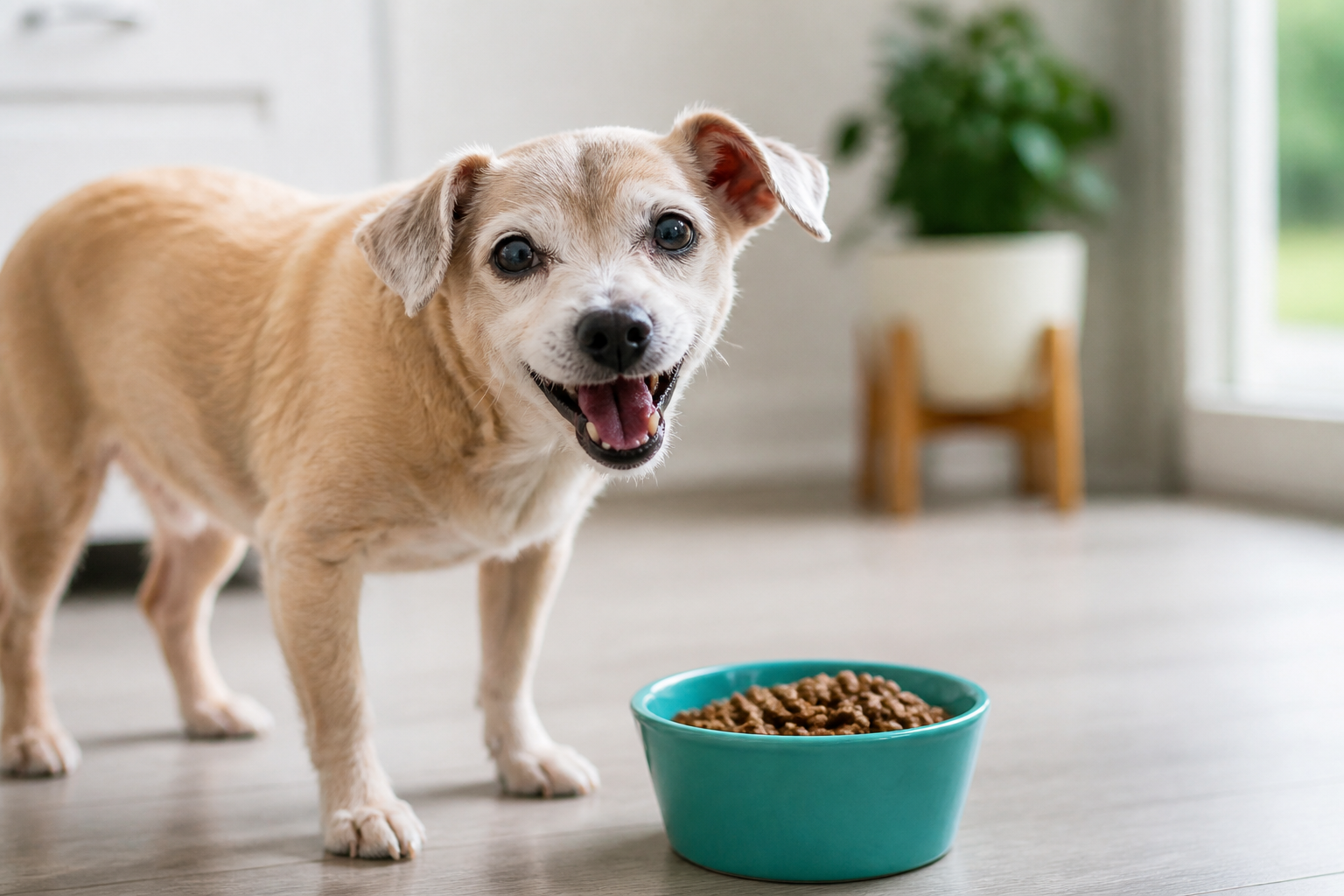
Watching your dog struggle with a bowl of hard kibble can be heartbreaking. Perhaps your senior companion has lost teeth naturally over time. Or maybe they just returned from a major dental surgery with multiple extractions. It is a common moment of worry for many pet parents. You want to ensure they stay nourished without causing them pain or digestive distress. At BaxterBoo, we see this often with the thousands of pets we serve. Many owners wonder if they need to throw away their existing food or switch entirely to wet diets. This article explains how dogs with no teeth can still enjoy dry food. We will cover safe softening techniques and when to consider professional prescription diets. We also look at how to maintain gum health after tooth loss. Our goal is to help your dog transition to a comfortable and happy mealtime routine.
Quick Answer: Yes, dogs with no teeth can eat dry food, but it usually requires modification. You can soften kibble with warm water or broth to create a mushy texture. Many dogs also learn to swallow small kibble whole, though softening is safer for digestion and comfort.
Understanding How Dogs Eat Without Teeth
It helps to understand that dogs do not use their teeth the same way humans do. We have flat molars designed to grind plant matter and grains. Dogs have a shearing dentition. Their teeth are built for grabbing, tearing, and breaking food into smaller chunks to swallow. They do not spend much time chewing. You might have noticed your dog inhaling their food even when they had a full set of teeth.
When a dog loses their teeth, they lose the ability to shear or break down large pieces. However, the urge to swallow remains. If the kibble is small enough, many dogs will simply lap it up and swallow it whole. This is why some dogs seem perfectly fine eating dry food even with a gummy grin.
The real challenge is not always the lack of teeth. It is often the pain that led to the tooth loss. Once a veterinarian removes diseased or broken teeth, most dogs feel a massive wave of relief. A mouth with no teeth is much better than a mouth with painful, infected teeth. Many owners report that their dogs have more energy and a better appetite after their dental surgery. For additional warning signs, read our guide to recognizing bad teeth in dogs.
Safety Concerns with Hard Kibble
While some dogs can swallow dry kibble whole, it is not always the best idea. There are a few risks to consider when feeding hard food to a toothless pet.
- Choking hazards: Without the ability to break down a larger nugget, a dog might try to swallow a piece that is too big for their throat.
- Gum irritation: Hard, jagged edges of dry food can poke and scrape sensitive gum tissue. This is especially true if the gums are still healing from recent extractions.
- Digestive strain: Teeth start the digestive process by breaking food into smaller surface areas. Swallowing large amounts of dry, hard kibble can lead to vomiting or indigestion in some senior dogs.
If your dog insists on dry food, the size of the kibble matters. Small breed formulas often have tiny, pea-sized pieces. These are much easier for a toothless dog to manage than the large "X" shaped chunks found in some adult maintenance brands. You can compare options in our dog food category.
Vet Tip: Always wait until your veterinarian gives the all-clear before offering any hard food after surgery. Most clinics recommend a soft-food-only diet for at least 10 to 14 days post-extraction. This allows the surgical sites to close and prevents stitches from being pulled out by hard edges.
How to Soften Dry Food for Your Dog
You do not have to abandon your dog's favorite dry food just because they lack teeth. You can easily modify the texture at home. This allows you to keep their nutrition consistent while making the meal much easier to eat.
Step 1: Choose Your Liquid
Warm water is the easiest option. It helps release the aroma of the food, which is great for older dogs with a fading sense of smell. You can also use low-sodium chicken or beef broth for extra flavor. Make sure the broth does not contain onions or garlic. Many pet owners also use goat milk or specialized rehydration soups.
Step 2: Measure and Soak
Place the dry kibble in a shallow bowl. Add enough liquid to cover the pieces. A general rule is one part liquid to two parts food. Let the bowl sit for 15 to 20 minutes. The kibble will absorb the moisture and expand. It should feel like soft dough or a thick sponge when it is ready.
Step 3: Mash and Serve
For dogs with very sensitive gums, use a fork to mash the softened kibble into a uniform paste. This eliminates any remaining hard centers. If your dog is particularly picky, you can mix in a spoonful of wet food or a topper to encourage them to eat.
Key Takeaway: Softening kibble with warm liquid is the safest way to feed dry food to a toothless dog. It reduces choking risks and prevents gum irritation while maintaining the nutritional profile your dog is used to.
Alternatives to Traditional Dry Food
If softening kibble feels like too much work every morning, there are other options. Modern pet nutrition has evolved to include textures that sit right between hard kibble and canned wet food.
Dehydrated and Freeze-Dried Foods
Brands like The Honest Kitchen or Stella and Chewy's offer excellent alternatives. Dehydrated food usually looks like a dry powder or small flakes. You add warm water, and it turns into a texture similar to oatmeal or mashed potatoes. This is perfect for toothless dogs. It provides high-quality nutrition without any hard pieces. Freeze-dried patties or morsels can also be crumbled into a soft powder and hydrated. Learn more about feeding freeze-dried dog food.
Air-Dried Food
Air-dried options like Ziwi Peak are often softer than traditional kibble. The texture is more like jerky. While it still requires some gumming, it does not have the sharp, brittle crunch of baked kibble. Many senior dogs find this easier to manage.
Fresh and Gently Cooked Diets
Fresh food diets are becoming very popular for senior dogs. These meals are usually made with ground meats and soft-cooked vegetables. They are naturally soft and easy to swallow. Brands like Open Farm or JustFoodForDogs provide balanced meals that look like "real" food. These are excellent for dogs who have lost interest in dry kibble due to dental issues.
Nutritional Needs of Senior Toothless Dogs
Most dogs lose their teeth in their senior years. This means their nutritional needs are shifting at the same time their mouth is changing. It is important to ensure their diet supports their aging body. Explore senior dog food options when comparing textures and formulas.
- Higher Protein Quality: Senior dogs need high-quality protein to maintain muscle mass. Look for brands that list real meat as the first ingredient.
- Joint Support: Many senior diets include glucosamine and chondroitin. These help with mobility.
- Calorie Management: If your dog becomes less active, they may need fewer calories. However, if they are losing weight because they find eating difficult, they might need a more calorie-dense food.
- Hydration: Toothless dogs often benefit from the extra moisture found in soaked food or wet diets. It helps support kidney function, which is a common concern for older pets.
If your dog has other health issues like kidney disease or heart problems, a standard retail food might not be enough. Our pet pharmacy for dogs offers a wide range of FDA-approved prescription diets through our partnership with Pet's Choice. These specialized foods, like Farmina Vet Life, are formulated for specific medical conditions. Many of these come in both dry and wet versions. You can work with your vet to get a prescription and have it delivered directly to your door.
Maintaining Oral Health Without Teeth
It might seem strange to think about oral hygiene for a dog with no teeth. However, the gums still need care. Bacteria can still live in the mouth and cause inflammation or infections in the gum tissue. Our dog healthcare products include supplies for supporting everyday pet wellness.
You can use a soft finger brush or a piece of gauze to gently wipe your dog's gums. This removes food debris and prevents a film of bacteria from building up. There are also oral rinses and gels that contain chlorhexidine. These are very effective at keeping the mouth clean. You simply apply a small amount to the inside of the cheeks. For more routine ideas, review our pet dental care tips.
Key Takeaway: Gum health is still important after tooth loss. Regular cleaning prevents "gum disease" and keeps your dog's breath fresh.
Treats and Enrichment for Toothless Dogs
Losing teeth does not mean the end of treats or fun. You just need to change the style of treats you offer. Hard biscuits and rawhide are no longer safe. Instead, look for soft dog treats and gentle enrichment options.
- Soft Chews: Brands like Zesty Paws or Honest Paws offer soft, functional chews that provide health benefits like skin or joint support.
- Lick Mats: These are excellent for toothless dogs. You can spread peanut butter, plain yogurt, or mashed banana onto the mat. Your dog gets the mental stimulation of licking without needing to chew.
- Frozen Treats: You can freeze low-sodium broth or blended fruit into ice cubes. These are refreshing and melt easily in the mouth.
- Soft Vegetables: Steamed carrots or green beans are soft enough for a dog to gum and swallow safely.
A licking mat for dogs can provide enrichment without requiring your dog to chew.
When to Consult Your Veterinarian
If you notice your dog is struggling to eat even after you have softened their food, it is time for a vet visit. There could be an underlying issue that needs attention.
Watch for these warning signs:
- Weight loss: If your dog is not getting enough calories, they will lose weight quickly.
- Dropping food: This can be a sign of mouth pain or difficulty swallowing.
- Bleeding or swelling: If the gums look red, swollen, or are bleeding, there may be an infection.
- Bad breath: A very foul odor can indicate trapped food or decaying tissue in the mouth.
- Pawing at the face: This is a classic sign of oral discomfort.
Your vet might suggest a different texture of food or a specific prescription diet. They can also check for any remaining tooth fragments that might be causing pain.
Bottom line: A toothless dog can live a long and healthy life on a modified dry food diet, provided you monitor their weight and oral health closely.
Tips for a Successful Transition
Changing a dog's diet should always be done slowly. This is true even if you are just changing the texture of the same food.
- The 7-Day Rule: Take a week to transition. Start by adding a small amount of water to their kibble. Each day, add a little more until you reach the desired mushy consistency.
- Temperature Matters: Most dogs prefer their food at room temperature or slightly warm. If you refrigerate opened wet food, let it sit out for a few minutes or microwave it for a few seconds before serving.
- Bowl Shape: Use a shallow, flat dish rather than a deep bowl. This makes it easier for a toothless dog to lap up the food using their tongue.
- Small Portions: Sometimes a big pile of mush can be intimidating. Try feeding smaller, more frequent meals throughout the day.
At BaxterBoo, we want to make this transition as easy as possible for you and your pet. Our Autoship programme is a great way to ensure you never run out of the specific food or supplements your senior dog needs. Plus, you get a discount on your first order and a free MVP Gold membership. This gives you peace of mind while managing your dog's new routine.
Conclusion
A dog with no teeth can still lead a very high-quality life. While the crunch of dry kibble might be gone, the enjoyment of mealtime doesn't have to be. By softening food with warm water, choosing smaller kibble sizes, or exploring dehydrated options, you can keep your dog well-fed and comfortable. Always keep an eye on their gum health and consult your vet if you notice any signs of pain. Whether you need a special senior diet or dental health supplies, we are here to support your pet's journey.
- Softened kibble is safer than hard kibble for toothless dogs.
- A shallow bowl helps dogs lap up food more easily.
- Gum health remains a priority even after teeth are gone.
- Prescription diets are available for specific health needs through our pharmacy.
Key Takeaway: Don't fear the "gummy smile." With a little bit of prep work and the right products, your toothless dog will continue to thrive and enjoy every bite.
FAQ
Can a dog with no teeth eat regular kibble if they swallow it whole?
Some dogs can swallow small kibble whole without issues, but it is not ideal for everyone. It increases the risk of choking and can be harder for the stomach to digest. It is generally safer to soften the food with water or broth to aid digestion and prevent gum irritation.
Is wet food better than dry food for a dog with no teeth?
Wet food is naturally easier for a toothless dog to eat because it requires no chewing. However, dry food can be just as good if it is properly softened. Many owners prefer a mix of both to provide a variety of textures and ensure the dog receives adequate hydration.
How do I know if my dog is in pain while eating?
Signs of oral pain include pawing at the mouth, whining while eating, or suddenly stopping a meal. You might also notice them dropping food or only eating on one side of their mouth. If you see any of these signs, you should schedule a check-up with your veterinarian to rule out infections or remaining tooth fragments.
What are the best treats for a dog with no teeth?
The best treats are those that are soft-baked or can be easily broken apart. Soft chews, lick mats with peanut butter, and steamed vegetables like carrots are all great options. Avoid hard biscuits, bones, or tough dental chews that could hurt their gums or cause a choking hazard.
Bottom line: Transitioning to a softer diet is the best way to keep your toothless dog happy and healthy.






