
 Save 15% on your 1st Autoship learn more

 Email us
 Live Chat
 FAQs
FAQs





Introduction
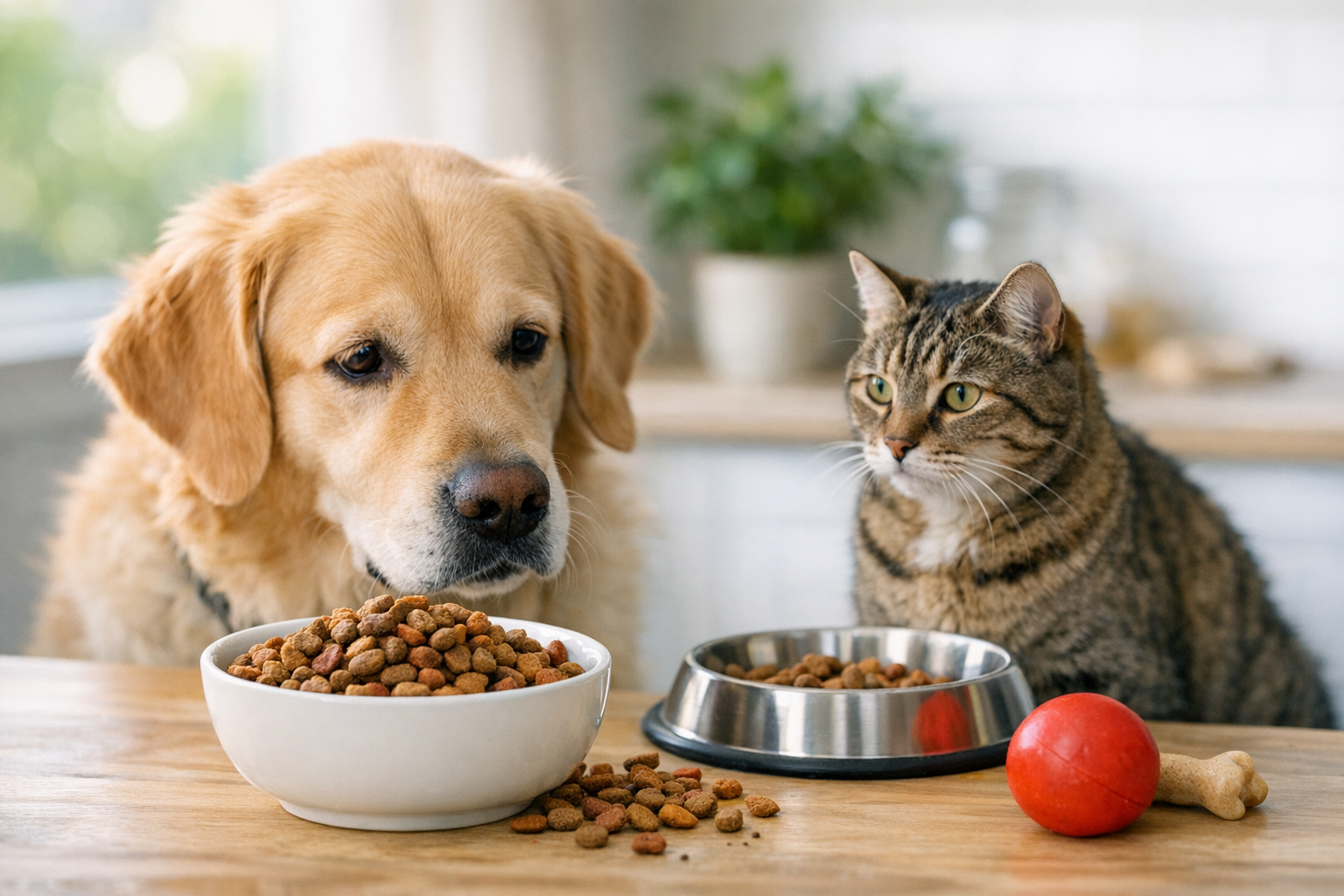
You turn your head for a moment to answer the door or check the oven. When you look back, your dog is elbow-deep in the cat's bowl, licking up every last crumb of kibble. This is a scene played out in multi-pet households across the country every single day. At BaxterBoo, we hear from concerned owners frequently about this exact situation. It is natural to worry when a pet consumes something not formulated for their species. This post covers the immediate risks of a dog eating cat food, the long-term health consequences, and how you can prevent these kitchen heists. While a single bite is rarely an emergency, regular snacking on cat kibble can lead to serious health complications that require professional care.
Why Dogs Are Drawn to Cat Food
It is no secret that most dogs find cat food nearly irresistible. If you put a bowl of premium dog kibble next to a bowl of standard cat food, many dogs will choose the cat food every time. There is a biological reason for this attraction. Cats are obligate carnivores, meaning their bodies require a diet heavily focused on animal tissue. Because of this, cat food is formulated with much higher levels of protein and fat than dog food.
Fat is a flavor enhancer in the world of pet nutrition. The high fat content makes cat food smell richer and taste more like a treat than a standard meal. For a dog, stumbling upon the cat's bowl is like a human finding a plate of bacon on a table full of salad. It is a concentrated burst of energy and aroma that triggers their natural scavenging instincts.
Additionally, many dogs are simply opportunistic. They do not realize the food is not for them. They only see an available resource. In a household with multiple animals, a dog might also feel a sense of competition. Eating the cat's food is a way of claiming that resource before the cat can get to it. Understanding that this behavior is driven by biology and instinct rather than defiance helps you manage the situation with patience.
Quick Answer: A small amount of dry cat food usually only causes mild stomach upset in healthy dogs. However, eating it regularly can lead to obesity, kidney strain, and a dangerous condition called pancreatitis due to the high fat and protein levels.
The Nutritional Gap: Dogs vs. Cats
To understand why cat food can make a dog sick, we have to look at the different ways these two species process nutrients. Dogs are omnivores. Their ancestors evolved to eat a wide variety of foods, including animal proteins, fruits, vegetables, and grains. Their digestive tracts are longer and more adaptable than those of a cat. If you want a broader look at species-appropriate kibble, start with our dog food category.
Cats are obligate carnivores. Their bodies are designed to derive almost everything they need from animal sources. This difference leads to very different requirements for vitamins, minerals, and amino acids. If you browse our selection of Royal Canin products, you will notice distinct differences in the ingredient lists for their dog and cat lines.
Protein and Fat Levels
The most obvious difference is the concentration of protein and fat. Most adult dog foods contain between 18 and 25 percent protein. In contrast, cat foods often start at 26 percent and can go much higher. Fat levels follow a similar pattern. While a dog needs some fat for energy and skin health, the sheer volume found in cat kibble is often more than a canine gallbladder and pancreas can handle easily.
Specific Nutrients
There are also specific nutrients that cats must get through their diet because their bodies cannot manufacture them. Taurine is a primary example. Cats cannot make their own taurine, so cat food is heavily supplemented with it. While taurine is not toxic to dogs, the balance of other vitamins like Vitamin A and Arachidonic Acid is specifically tuned for feline biology. For another example of species-specific formulation, see our Farmina brand page.
Key Takeaway: Dogs and cats have fundamentally different metabolic needs. Dog food is a balanced mix of proteins and plant-based nutrients, while cat food is a high-density protein and fat formula that can overwhelm a dog's system.
Immediate Signs Your Dog is Sick from Cat Food
If your dog has just raided the cat's bowl for the first time, you should monitor them closely for the next 24 to 48 hours. Most healthy dogs will not have a life-threatening reaction to a single occurrence. However, those with sensitive stomachs or pre-existing conditions may show signs of distress quite quickly.
The most common immediate symptom is gastrointestinal upset. This happens because the dog's digestive system is not used to the high fat content. You might notice your dog's stomach making loud gurgling noises. They may also become flatulent, which is a sign that the gut is struggling to process the rich ingredients. If you need a refresher on kibble spoilage and storage, our post on how long dry dog food stays fresh once opened is a useful companion read.
More significant signs of immediate sickness include:
- Vomiting shortly after eating.
- Loose stools or diarrhea.
- A sudden drop in energy or enthusiasm.
- Refusing their actual dog food at the next meal.
If your dog vomits once but continues to act normally and drink water, you can usually manage the situation at home by skipping the next meal to let the gut rest. However, if the vomiting is persistent or if you see blood in the stool, it is time to call your veterinarian.
Vet Tip: Always keep an eye on your dog's hydration if they experience vomiting or diarrhea after eating cat food. Small, frequent sips of water or an unflavored electrolyte solution for pets can help prevent dehydration while the irritant clears their system.
Long-Term Health Risks of a Cat Food Diet
The real danger comes when a dog eats cat food as a regular part of their diet. Some owners might think that since the dog likes it so much, it must be okay to use it as a topper or a meal replacement. This is a mistake that can lead to chronic health issues. For a closer look at feline formulas, our cat food category makes the contrast easy to see.
Pancreatitis
This is the most serious risk associated with high-fat intake. The pancreas is responsible for producing enzymes that digest food. When a dog eats a meal that is excessively high in fat, the pancreas can become inflamed. This is extremely painful and can be fatal if not treated. Symptoms include a hunched back, severe abdominal pain, and repeated vomiting.
Obesity
Because cat food is so calorie-dense, dogs that eat it regularly tend to put on weight very fast. Obesity in dogs leads to a host of other problems, including joint pain, heart disease, and a shortened lifespan. A few extra pieces of cat kibble might seem small to you, but for a small or medium-sized dog, those calories add up to a significant percentage of their daily needs.
Kidney and Liver Strain
Processing high levels of protein puts extra work on the kidneys and liver. For a young, healthy dog, this might not show up immediately. For a senior dog or a dog with early-stage organ issues, the protein levels in cat food can accelerate the progression of disease.
Bottom line: While the occasional stolen bite of cat food is rarely a crisis, making it a habit puts your dog at high risk for painful inflammation and long-term organ damage.
Managing Pancreatitis and Digestive Sensitivity
If your dog has already developed a sensitive stomach or a condition like pancreatitis from dietary indiscretion, their nutritional needs change. This is where professional guidance becomes essential. Managing these conditions often requires a specific, low-fat prescription diet that is highly digestible.
Our pet pharmacy offers access to FDA-approved medications and prescription pet foods through our partnership with Pet's Choice. If your veterinarian determines that your dog needs a therapeutic diet like Farmina Vet Life or Royal Canin Veterinary Diet, you can coordinate that care through our system. These foods are designed to give the pancreas a rest while still providing the essential nutrients a dog needs to recover.
In addition to prescription food, your vet might suggest supplements to support gut health. Probiotics can help restore the natural balance of bacteria in the digestive tract after a bout of diarrhea. Digestive enzymes can also be helpful for dogs who have had a history of pancreatic flare-ups.
Vet Tip: If your dog has a history of pancreatitis, even a tiny amount of cat food can trigger a relapse. In these cases, it is vital to keep all cat food completely out of reach at all times.
Practical Solutions for a Multi-Pet Household
Preventing a dog from eating cat food is often more about management than training. Some dogs are so food-motivated that no amount of "leave it" commands will work when you are out of the room. You have to change the environment to make the food inaccessible. For repeat-buy essentials, our Autoship programme can help keep your pet supplies replenished on schedule.
Use Elevation
Most cats enjoy being in high places, while most dogs stay firmly on the ground. Feeding your cat on a sturdy counter, a dedicated cat tree, or a high shelf is the easiest way to solve the problem. If your dog cannot reach the bowl, they cannot eat the food.
Separate Feeding Rooms
If you have a senior cat who cannot jump well, or if you prefer to keep your counters clear, use a baby gate. You can find gates with small "cat doors" built-in. This allows the cat to pass through to a laundry room or spare bathroom to eat in peace while the dog remains on the other side.
Technology-Based Solutions
Microchip feeders are a modern solution for the persistent food thief. These bowls stay covered by a plastic lid. They only open when they detect the specific microchip or RFID tag of the assigned cat. When the cat walks away, the lid closes, keeping the dog out.
Strict Meal Times
Free-feeding, or leaving food out all day, is the most common way dogs get into cat food. If you switch to scheduled meal times, you can supervise the feeding. Once the cat is finished, pick up the bowl and put any leftovers in a sealed container. We carry a variety of airtight storage bins at BaxterBoo that keep food fresh and prevent dogs from breaking into the supply. If food storage is your bigger concern, our article on how long dry dog food lasts can help you build a safer routine.
Key Takeaway: Success in a multi-pet home depends on physical barriers. Whether it is a baby gate, an elevated shelf, or a microchip feeder, making the cat's bowl physically unreachable is the only 100 percent effective method.
Transitioning a "Cat Food Junkie" Back to Dog Food
Sometimes, a dog gets so used to the high-fat taste of cat food that they begin to refuse their own kibble. They may go on a "hunger strike" in hopes that you will give in and offer the cat's food. It is important not to give in to these demands.
Step 1: Eliminate all access. / Ensure the cat's food is moved to a spot where the dog cannot even see or smell it.
Step 2: Re-establish the value of dog food. / You can make dog kibble more appealing by adding a small amount of warm water or a low-sodium dog-safe broth. This releases the aroma of the dog food without adding the dangerous fat levels found in cat food.
Step 3: Use high-value dog treats. / If your dog is missing the protein hit of cat food, try offering a small piece of freeze-dried meat designed for dogs, such as those from our dog treats category. These provide that "real meat" experience in a way that is balanced for a canine's needs.
Step 4: Stay consistent. / A healthy dog will not starve themselves. If you remain firm and only offer their designated dog food, they will eventually return to their normal eating habits.
Choosing the Right Dog-Specific Nutrition
If your dog is constantly seeking out the cat's bowl, it might be a sign that they are not satisfied with their current diet. They may be craving more protein or a different flavor profile. Instead of letting them eat cat food, look for a high-protein dog food formula that mimics that richness safely. Our Orijen brand page is one place to explore protein-forward formulas made for dogs.
Brands like Orijen, Acana, and Open Farm offer "biologically appropriate" diets for dogs. These formulas have a higher meat content than standard grocery store brands but are still balanced with the fiber, vitamins, and minerals that dogs require. Our Open Farm selection is another place to compare those options.
Always remember that every dog is an individual. What works for a high-energy Husky might be far too rich for a senior Pug. If you are unsure about the best food for your dog's life stage, we are happy to help you navigate our selection of over 500 trusted brands. If you want to keep earning while you shop, you can also check out the MVP Rewards programme.
Bottom line: Redirecting your dog's interest toward a high-quality, high-protein dog food can satisfy their cravings without the health risks of feline-specific formulas.
Conclusion
While it might seem like a harmless habit, allowing your dog to eat dry cat food is a gamble with their health. The immediate risk of an upset stomach is unpleasant, but the long-term dangers of obesity, kidney strain, and pancreatitis are far more concerning. By using physical barriers, scheduled meal times, and species-appropriate nutrition, you can keep both your pets happy and healthy. If your dog has managed to binge on a large amount of cat food and is showing signs of distress, consult your veterinarian immediately. For those managing ongoing health issues or needing specific therapeutic diets, our pharmacy through Pet's Choice is here to support your pet's recovery.
- Monitor for vomiting or diarrhea for 48 hours after a heist.
- Use baby gates or elevated surfaces to keep cat food out of reach.
- Never use cat food as a regular meal replacement or topper for dogs.
- Check our Pharmacy for prescription diets if your dog has a sensitive pancreas.
Key Takeaway: Protecting your dog from the risks of cat food requires a combination of environmental management and a commitment to species-specific nutrition.
FAQ
Can a single serving of cat food kill my dog?
It is very unlikely that a single serving will be fatal to a healthy dog, though it will likely cause a stomach ache or diarrhea. The primary life-threatening risk is pancreatitis, which can be triggered by a single very high-fat meal in dogs that are already sensitive. If your dog shows signs of severe pain or persistent vomiting, contact a vet immediately.
Why is cat food so much more expensive than dog food?
Cat food usually has a higher price point because it contains a much higher concentration of animal protein. Protein is the most expensive ingredient in pet food manufacturing. Since cats require these higher levels to survive, the cost of the raw materials is reflected in the final price of the bag.
Is wet cat food worse for dogs than dry cat food?
Both wet and dry cat food pose the same nutritional risks regarding high fat and protein. However, wet cat food is often even more aromatic and palatable, which can make a dog more obsessed with stealing it. Wet food also lacks the mechanical cleaning action that dry kibble can provide for teeth, though neither should be a dog's primary food source.
Can I use cat treats as training rewards for my dog?
While an occasional cat treat won't harm most dogs, it is not the best choice. Cat treats are often even higher in fat and protein than cat kibble to make them extra enticing. It is much safer to use high-quality dog treats that are formulated to be low-calorie, allowing you to reward your dog frequently during training without risking weight gain or digestive issues.






