
 Save 15% on your 1st Autoship learn more

 Email us
 Live Chat
 FAQs
FAQs





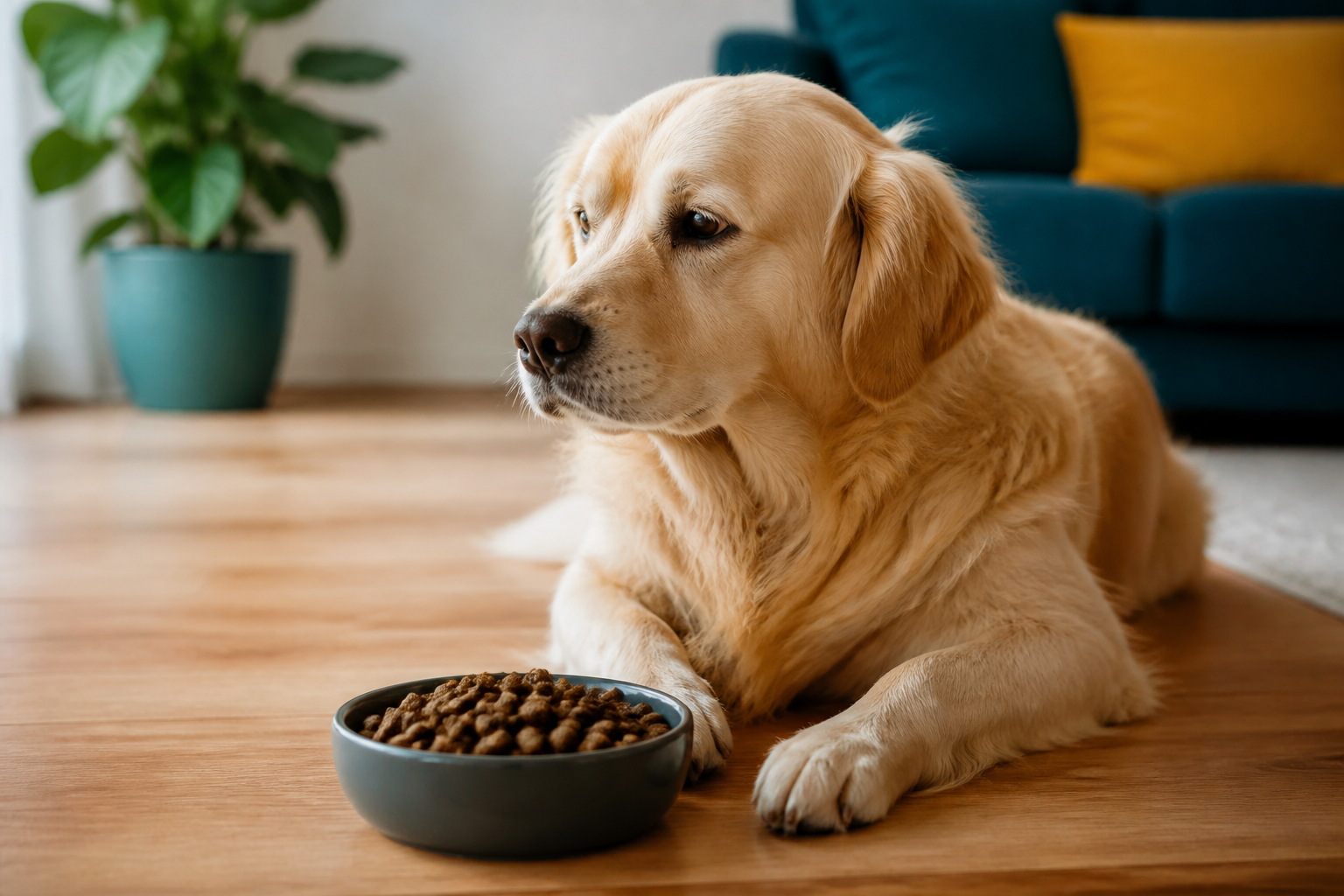
Introduction
You are likely familiar with the sound of a dog pacing on hardwood floors in the middle of the night. It is often followed by a heavy sigh, a gurgling stomach, or the frantic need to go outside. When your dog has digestive trouble, the first thing you probably look at is the food bowl. Dry kibble is the most popular feeding choice for its convenience and shelf life. However, even high quality recipes can lead to issues if they are not handled or chosen correctly. At BaxterBoo, we talk to pet owners every day who are navigating these exact digestive hurdles. This article explores how dry food impacts digestion, why certain ingredients cause trouble, and how storage habits matter. We want to help you identify if the kibble is the culprit and how to fix it.
Quick Answer: Yes, dry dog food can cause an upset stomach if it is switched too quickly, contains low quality fillers, or has gone rancid from poor storage. Proper transition periods and airtight storage are the most effective ways to prevent these digestive issues.
The Impact of Sudden Dietary Changes
The canine digestive system is a creature of habit. It relies on a specific balance of bacteria and enzymes to break down proteins and fibers. One of the most common reasons dry food causes an upset stomach is not the food itself. It is how quickly the food was introduced. Many owners decide to switch brands or flavors overnight. This sudden shift shocks the gut microbiome.
When you move from a chicken-based kibble to a beef or fish-based one, the digestive tract needs time to adjust. Without a transition period, the result is often loose stools or gas. This is why we always recommend a slow introduction. A transition should take place over seven to ten days. For more guidance, read our guide to transitioning a dog to a new food.
The 10-Day Transition Schedule
- Days 1 to 3: Mix 25 percent new food with 75 percent old food.
- Days 4 to 6: Mix 50 percent new food with 50 percent old food.
- Days 7 to 9: Mix 75 percent new food with 25 percent old food.
- Day 10: Feed 100 percent new food.
Monitoring your dog during this week is vital. If you notice any soft stools, stay at the current percentage for an extra day. This allows the stomach to catch up before you increase the amount of new kibble.
Key Takeaway: Consistency is the foundation of a healthy gut. Moving too fast during a diet change is the leading cause of short term digestive distress in dogs.
Ingredient Sensitivities and Low Quality Fillers
Not every bag of dry food is made with the same standards. Some budget-friendly options rely heavily on fillers like corn, wheat, or soy. While many dogs digest these ingredients without a problem, others have sensitivities. These ingredients can ferment in the gut and lead to excessive gas and bloating.
Identifying Food Intolerance
A food intolerance is different from a true allergy. An allergy usually causes itchy skin or ear infections. An intolerance shows up almost exclusively as digestive trouble. If your dog has chronic soft stools or vomits shortly after eating, they may be struggling with a specific ingredient.
Common culprits include artificial colors and chemical preservatives. Some dogs also struggle with high fat content. If a dog that usually goes for a gentle walk eats food designed for a high-performance hunting dog, the richness can be too much. The pancreas may struggle to produce enough enzymes to handle the extra fat.
Vet Tip: If your dog has frequent diarrhea or vomiting, consult your veterinarian to rule out underlying conditions like pancreatitis. Our pharmacy partnership with Pet's Choice offers access to prescription gastrointestinal diets like Farmina Vet Life for dogs requiring specialized medical nutrition.
The Hidden Danger of Spoilage and Rancidity
We often assume that because dry food is shelf-stable, it stays fresh until the bag is empty. This is a common misconception. Once you open a bag of kibble, the fats inside are exposed to oxygen. This process is called oxidation. Over time, it causes the fats to become rancid.
Rancid fats are not just smelly. They can be toxic and lead to significant stomach upset. This is why buying the largest bag possible to save money is not always the best move. If a bag takes more than six weeks to finish, the food at the bottom may be starting to spoil. Our dry dog food selection makes it easier to compare formulas and bag sizes.
Best Practices for Kibble Storage
- Keep the food in the original bag. These bags are designed to provide a barrier against fat wicking and oxidation.
- Place the entire bag inside an airtight container.
- Store the container in a cool, dry place. Avoid the garage or laundry room where heat and humidity fluctuate.
- Check the "best by" date before purchasing.
If your dog suddenly refuses a food they used to love, trust their nose. They can often smell rancid fats or mold before we can see them. Mold can grow on kibble if it is exposed to moisture. This is especially dangerous as it can produce mycotoxins that cause severe illness. For additional freshness guidance, see how long dry dog food is good for after opening.
Bottom line: Freshness matters as much as the ingredient list when it comes to preventing digestive revolt.
How Eating Habits Lead to Digestive Trouble
Sometimes the problem is not the food but how the dog consumes it. If your dog treats every meal like a race, they are likely swallowing a lot of air. This behavior is common in multi-dog households or with dogs that were once strays.
The Scarf and Barf Cycle
Swallowing air leads to gas and discomfort. In some cases, it causes the dog to regurgitate their meal almost immediately. Dry kibble is also very dense. When it hits the stomach and mixes with water, it expands. A dog that eats too fast may feel fine initially but becomes very uncomfortable thirty minutes later as the food swells.
For deep-chested breeds, eating too fast is a major risk factor for bloat. This is a life-threatening condition where the stomach twists. Using a slow feeder bowl or a muffin tin to spread the food out can make a massive difference. You can also explore our bowls and feeders for mealtime options.
Steps to Slow Down Mealtime
Step 1: Use a slow feeder. These bowls have ridges and valleys that force the dog to use their tongue to get the kibble.
Step 2: Add a little water or low-sodium broth. This moistens the food and makes it harder to gulp down.
Step 3: Feed smaller, more frequent meals. Two or three smaller portions are easier to digest than one giant meal.
Managing a Temporary Upset Stomach
If your dog has a mild case of an upset stomach, you can often manage it at home. This is only appropriate if the dog is still bright, alert, and hydrated. If they are lethargic or there is blood in their stool, you must see a vet immediately.
The Bland Diet Method
A traditional approach is to offer a bland diet for a few days. This usually consists of boiled white meat chicken and plain white rice. The goal is to give the digestive system a break.
- Boil chicken breast until cooked through.
- Prepare white rice without any salt or butter.
- Mix one part chicken with two parts rice.
- Feed small portions throughout the day.
Once the stools are firm, you can slowly mix the dry food back in. We also carry dog food supplements that can be added to meals. These can be helpful for dogs that frequently experience mild gas or loose stools.
Key Takeaway: A bland diet serves as a "reset button" for the digestive tract, but it is not a long-term nutritional solution.
When to Seek Veterinary Care
It can be hard to know when a tummy ache is an emergency. Some causes of upset stomach are serious. If your dog has swallowed a foreign object, like a piece of a toy, the dry food may get backed up behind the obstruction.
Warning Signs of a Serious Issue
- Repeated vomiting that does not stop.
- An unproductive retch where the dog tries to vomit but nothing comes up.
- Extreme lethargy or inability to stand.
- A distended or hard abdomen.
- Blood in the vomit or stool.
In these cases, your vet may need to perform X-rays or blood work. They might prescribe medications to stop vomiting or antibiotics if a bacterial infection is present. Our pharmacy for dogs carries prescription medications for these conditions. Since we work with Pet's Choice, we can fulfill prescriptions for everything from anti-nausea meds to specialized dewormers.
Vet Tip: Never give your dog human medications like ibuprofen or certain antacids without a specific directive from your vet. Many human drugs are toxic to pets.
The Role of Quality Control and Safety
Manufacturing errors are rare but do happen. Contamination with salmonella or E. coli can occur in any pet food facility. We carefully curate the brands we carry to ensure they have high safety standards. Trusted names like NutriSource, Stella and Chewy's, and Open Farm have rigorous testing protocols.
If there is a recall on your dog's food, stop feeding it immediately. Even if your dog seems fine, the toxins or bacteria could be building up. Keeping a record of the lot number from your bag of food is a great habit. It allows you to check against recall notices quickly.
Long Term Solutions for Sensitive Stomachs
If your dog consistently has trouble with dry food, you might need to change your approach. Some dogs do better on limited ingredient diets. These formulas reduce the number of components, making it easier to avoid triggers.
Choosing the Right Formula
Look for foods that list a specific meat as the first ingredient. Avoid generic terms like "animal fat" or "meat by-products." Brands like Zesty Paws and Honest Paws offer supplements that can be added to dry food to support the gut lining.
Another option is to try a "novel protein." This is a protein source your dog has never had before, such as venison, duck, or rabbit. Since their body has never encountered it, they are less likely to have an inflammatory response to it.
Bottom line: Finding the right food often requires a bit of detective work and a commitment to high-quality ingredients.
Summary of Best Practices
Caring for a dog with a sensitive stomach involves more than just picking a bag of food. It is about how you store, serve, and transition that food.
- Always transition over 10 days.
- Store food in an airtight container in a cool spot.
- Use slow feeders for fast eaters.
- Clean food and water bowls daily to prevent bacterial buildup.
- Avoid feeding table scraps that are high in fat or spices.
By following these steps, you can help your dog enjoy their meals without the midnight pacing. We are here to help you find the right supplies to make these changes easy.
Conclusion
Dry dog food is a staple of pet care, but it requires mindful handling to keep your dog's stomach settled. Whether it is the speed of a transition, the freshness of the fats, or the quality of the fillers, many factors influence how well your dog digests their kibble. At BaxterBoo, we want to ensure your pet stays healthy and happy from the inside out. If you are managing a chronic condition or a sudden bout of tummy trouble, remember that our pharmacy is a resource for prescription diets and medications through our Pet's Choice partnership.
Bottom line: A proactive approach to food storage and transition can prevent the majority of dry food-related stomach issues.
Check out our premium dog food collection and digestive supplements to find the perfect fit for your pup. If you want to save on every order, consider joining our Autoship programme for consistent delivery and extra rewards.
FAQ
Can a dog suddenly become sensitive to their regular dry food?
Yes, a dog can develop an intolerance to an ingredient they have eaten for years. This often happens as the immune system or digestive tract changes with age. If your dog starts having issues with a familiar food, consult your vet to see if a switch to a limited ingredient diet is necessary.
How do I know if my dog's dry food has gone bad?
The most common sign is a sour or "paint-like" smell, which indicates the fats have turned rancid. You might also see a dusty or fuzzy coating on the kibble, which could be mold or storage mites. If your dog is a normally enthusiastic eater and suddenly refuses their meal, the food might be spoiled.
Is it okay to mix water with dry dog food for an upset stomach?
Adding a small amount of warm water can make the kibble easier to chew and swallow. It also provides extra hydration, which is important if your dog has had loose stools. However, do not leave moistened kibble out for more than thirty minutes, as it can quickly grow bacteria.
Does the size of the kibble affect digestion?
If the kibble is too small, a large dog may swallow it whole without chewing, leading to air gulping. If it is too large, a small dog may struggle to break it down. Matching the kibble size to your dog's breed size can help encourage proper chewing and slow down the eating process.






