
 Save 15% on your 1st Autoship learn more

 Email us
 Live Chat
 FAQs
FAQs





Introduction
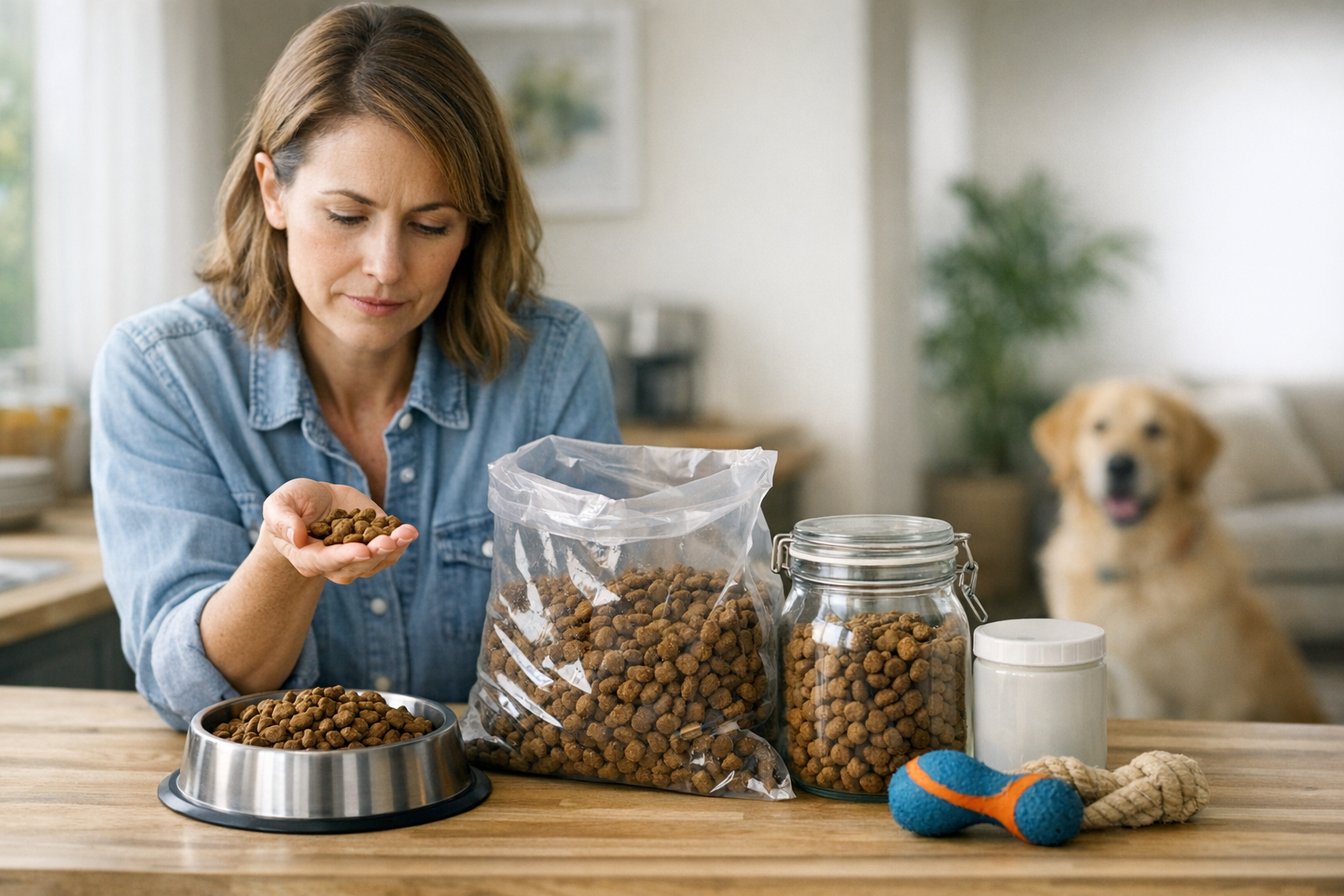
You are standing in the pantry with a half-full bag of kibble that has been tucked away for a few months. You might notice the "Best By" date is approaching, or perhaps the food smells slightly different than it did when you first opened it. If you are comparing options, start with our dry dog food category. At BaxterBoo, we hear these concerns from pet parents every day. It is a common misconception that dry dog food is practically immortal because it is shelf-stable. While it certainly lasts longer than a can of opened wet food, dry kibble is a perishable product. Once the seal is broken, the clock begins to tick on its nutritional value and safety. This guide covers how to identify spoiled food, the science of why kibble goes bad, and the best ways to store it to keep your dog healthy. For a deeper dive into the timeline, see our blog post on how long dry dog food stays good for.
Quick Answer: Yes, dry dog food can go bad. Once a bag is opened, most experts recommend using it within six to eight weeks. Beyond this window, fats can turn rancid and vitamins begin to degrade, even if the food does not look visibly spoiled.
The Reality of Kibble Shelf Life
Dry dog food is processed to be low in moisture, which is the primary reason it stays fresh on a shelf for so long. Unopened bags typically have a shelf life ranging from 12 to 18 months from the date of manufacture. However, this lifespan is entirely dependent on the integrity of the packaging. Manufacturers like our selection of NutriSource products or our selection of Open Farm products use specialized bags designed to keep oxygen and light out. Once you tear that seal, the environment begins to act on the ingredients.
The most vulnerable components of dry food are the fats and oils. These are essential for your dog's energy and coat health, but they are highly susceptible to oxidation. When oxygen hits these fats, they begin to break down. This process, known as rancidity, does more than just make the food smell unpleasant. It can actually change the molecular structure of the nutrients, making them less effective or even harmful over time.
Why Oxygen is the Enemy
Oxygen is the primary driver of food spoilage. In the pet food industry, we focus heavily on antioxidants. These are ingredients like Vitamin E (often listed as mixed tocopherols) that are added to the food to slow down oxidation. However, these antioxidants are used up as they fight off oxygen. Once the supply of antioxidants in the kibble is exhausted, the fats have no protection. This is why a bag that has been sitting open for three months is much riskier than a bag opened last week.
Identifying Spoiled Dry Dog Food
Your dog's nose is significantly more powerful than yours. If your dog suddenly turns their nose up at a food they usually love, pay attention. They can often smell the early stages of rancidity before your human nose picks up on it. There are several sensory checks you can perform to determine if the food is still safe to serve.
The Smell Test
Fresh kibble usually has a mild, grainy, or meaty aroma. If you open the bag and notice a sharp, sour, or "paint-like" smell, the fats have likely gone rancid. Some people describe the smell of spoiled dog food as being similar to old pennies or wet cardboard. If the scent makes you wrinkle your nose, do not feed it to your dog.
Visual Cues and Texture
Mold is not common in dry kibble because the moisture content is low, but it can happen if the food is stored in a humid area. Look for any white, green, or black fuzzy spots. Also, pay attention to the texture of the kibble. Fresh food should be crunchy and dry. If the pieces feel greasy, sticky, or "limp" and crumbly, moisture has likely compromised the batch.
Pest Infestation
Insects like weevils and grain beetles are attracted to the proteins and grains in dog food. Storage mites are another common issue. These tiny pests are almost invisible to the naked eye but can cause intense itching and allergic reactions in some dogs. If you see any movement in the bag or notice a fine "dust" at the bottom that seems to be moving, discard the food immediately.
Key Takeaway: Always trust your dog's instincts. If a normally enthusiastic eater refuses their meal, inspect the food for off-odors, mold, or a greasy texture before assuming they are just being picky.
The Dangers of Feeding Expired Food
Feeding a dog food that has gone bad is not just about a bad taste. There are genuine health risks involved. When fats go rancid, they produce free radicals. These can cause oxidative stress in your dog's body, which may lead to long-term health issues like inflammation or even liver damage if consumed over a long period.
Bacterial Contamination
While dry food is cooked at high temperatures to kill bacteria like Salmonella and E. coli, these pathogens can still find their way into a bag after it has been opened. This is especially true if you use a dirty scoop or store the food in an unwashed container. These bacteria can cause severe gastrointestinal distress, including vomiting and diarrhea.
Mycotoxins and Mold
If kibble gets damp, it can grow molds that produce mycotoxins. Aflatoxin is a particularly dangerous type of mycotoxin that can contaminate corn and other grains. It is heat-stable, meaning it is not always destroyed during the cooking process. If a bag is stored in a hot, humid garage, any existing mold spores can multiply rapidly.
Vet Tip: If your dog accidentally consumes spoiled food and shows signs of lethargy, persistent vomiting, or a loss of appetite, consult your veterinarian immediately. For dogs with sensitive stomachs or chronic health conditions, our pet pharmacy is a helpful place to explore prescription diet options.
Common Storage Mistakes to Avoid
Many pet owners unknowingly accelerate the spoilage process through poor storage habits. One of the most frequent mistakes we see at BaxterBoo is the "plastic bin pour." It seems logical to pour the kibble directly into a large plastic container for convenience. However, this is one of the worst things you can do for food freshness.
The Plastic Bin Trap
Standard plastic containers are often not truly airtight. More importantly, the fats and oils from the kibble seep into the porous walls of the plastic over time. These residual oils go rancid. When you pour a fresh bag of food into that same container, the old, rancid oils contaminate the new batch immediately.
Leaving the Bag Open
Leaving the top of the bag rolled down loosely is an invitation for oxygen and pests. Even a few hours of exposure to open air every day can significantly reduce the lifespan of the vitamins in the food. Exposure to light can also degrade certain nutrients, which is why most high-quality food comes in opaque packaging.
Temperature Fluctuations
Storing food in a garage or a laundry room might save space, but these areas often experience extreme heat and humidity. Heat is a catalyst for chemical reactions. A bag of food stored at 90 degrees Fahrenheit will go bad much faster than one stored at a consistent 65 degrees.
The Right Way to Store Dry Dog Food
To maximize the life of your dog's food, you should aim to recreate the conditions of a sealed bag as closely as possible. Proper storage is a simple way to protect your investment and your pet's health.
Step 1: Keep the original bag. / Do not pour the food out. The bag is a high-tech barrier designed to preserve freshness and contains the lot number and expiration date in case of a recall.
Step 2: Use the bag-in-bin method. / Place the entire bag inside an airtight container. This gives you two layers of protection against oxygen and pests while preventing oils from soaking into the bin.
Step 3: Squeeze out excess air. / Before sealing the bag with a heavy-duty clip, push as much air out as possible. This limits the amount of oxygen sitting in contact with the kibble.
Step 4: Choose a cool, dark location. / A pantry or a kitchen cabinet away from the oven is ideal. Keep the food off the floor to prevent temperature transfers and to deter crawling insects.
- Checklist for Optimal Storage:
- Store in a temperature-controlled environment under 80 degrees.
- Wash your food scoop weekly with hot, soapy water.
- Wipe down the inside of your storage bin between every bag.
- Check the "Best By" date before leaving the store.
Buying Strategy: Size Matters
It is tempting to buy the largest bag available to save money. However, if you have a single small dog, a 40-pound bag of food might sit open for three or four months. By the time you reach the bottom of that bag, the nutritional profile has likely changed for the worse.
We suggest buying a bag size that your dog can finish within six weeks. If you find that you are constantly throwing away the last quarter of a bag because it smells off, it is time to switch to smaller bags. While the price per pound might be slightly higher, the reduction in waste and the improvement in food quality make it worth it. Our Autoship programme is a great tool for this. You can schedule smaller bags to arrive exactly when you need them, ensuring your dog is always eating the freshest possible kibble.
Managing Multiple Food Types
If you rotate between different brands like our selection of Stella & Chewy's products or Orijen, be mindful of how many bags you have open at once. It is better to finish one bag completely before opening the next. If you are transitioning your dog to a new food, only keep the two bags open for the duration of the transition period, which is typically seven to ten days.
Mixing old kibble with new kibble is another habit to avoid. If you have a cup of old food left, do not pour it on top of the fresh bag. This can introduce bacteria or rancid oils to the new supply. Instead, finish the old bag entirely, wash the container, and then start the new one.
The Role of the Manufacturer
It is important to remember that the "Best By" date is a manufacturer's guarantee of quality, not necessarily a hard "expiration" date where the food becomes toxic at midnight. However, that date assumes the bag has never been opened. Once opened, those dates are no longer the primary guideline. High-quality brands carried at BaxterBoo use superior packaging materials and natural preservatives that are effective but have a limited lifespan once exposed to the elements.
If you ever find a bag of food that is already past its "Best By" date on a store shelf, do not buy it. Even if it is unopened, the vitamins have likely begun to lose their potency. This is particularly true for specialized diets, like those for senior dogs or puppies, where specific nutrient levels are critical for health. If you shop frequently for staples, our MVP Rewards programme can help make repeat purchases more rewarding.
Bottom line: Proper storage involves keeping food in its original bag, sealing it tightly, and storing it in a cool, dry place to prevent the fats from turning rancid.
Signs Your Dog Has Eaten Bad Food
If your dog gets into a bag of old food or if you suspect your current bag has spoiled, watch for physical symptoms. Food poisoning in dogs can look very similar to how it looks in humans.
- Vomiting: This is often the first sign that the body is trying to reject something toxic or spoiled.
- Diarrhea: Loose stools or urgency can indicate bacterial overgrowth or irritation from rancid fats.
- Abdominal Pain: Your dog might act hunched up, be reluctant to move, or whine when their belly is touched.
- Lethargy: A significant drop in energy levels after a meal is a major red flag.
If these symptoms persist for more than 24 hours, or if you see blood in the stool, a vet visit is mandatory. For ongoing digestive support, our pharmacy offers prescription diets and supplements that can help get your dog's gut health back on track.
Summary of Freshness Tips
Keeping dry dog food fresh is a matter of managing the environment. By controlling oxygen, moisture, and temperature, you ensure your dog gets the full nutritional benefit of their food.
- Keep kibble in the original bag at all times.
- Seal the bag with a dedicated bag clip.
- Store the bag inside an airtight plastic or metal bin.
- Use the food within 6 to 8 weeks of opening.
- Avoid storing food in garages or sheds.
- Wash scoops and bowls regularly to prevent bacterial buildup.
At BaxterBoo, we take pet nutrition seriously. Whether you are picking up a bag of premium kibble at our Vernon Hills warehouse or having it delivered to your door, we want to make sure that food stays as nutritious as the day it was bagged. Taking these extra steps in your kitchen can make a significant difference in your dog's long-term wellness and mealtime enjoyment. If you are comparing feeding habits, our blog post on how much dry food to feed a dog is a useful next step.
FAQ
How long does dry dog food stay fresh after the bag is opened?
Most dry dog food remains at peak freshness for about six to eight weeks after the seal is broken. While it may stay safe to eat for a bit longer, the vitamins begin to degrade and the fats can start to turn rancid due to oxygen exposure. For the best nutritional value, try to buy a bag size that your dog can finish within this two-month window.
Can I store my dog's food in the garage?
It is generally not recommended to store dog food in a garage because of extreme temperature changes and humidity. Heat accelerates the breakdown of fats and oils, leading to rancidity much faster than in a climate-controlled pantry. Additionally, garages are more prone to pests like rodents and insects that can chew through bags or find their way into containers.
Is it okay to pour new dog food on top of old food in a bin?
You should avoid mixing new and old dog food in the same container. The crumbs and oils from the older food can be rancid or contain bacteria, which will then contaminate the fresh food you pour on top. Always finish the old bag completely and wash the storage container thoroughly with soap and water before adding a new bag.
What should I do if my dog food smells like old paint or chemicals?
If your dog food has a sharp, chemical, or sour smell, it is a strong indication that the fats in the food have gone rancid. This often happens if the food is past its prime or has been stored in a warm place. You should stop feeding that food immediately and discard it, as rancid fats can cause digestive upset and other health issues for your dog.






