
 Save 15% on your 1st Autoship learn more

 Email us
 Live Chat
 FAQs
FAQs





Introduction
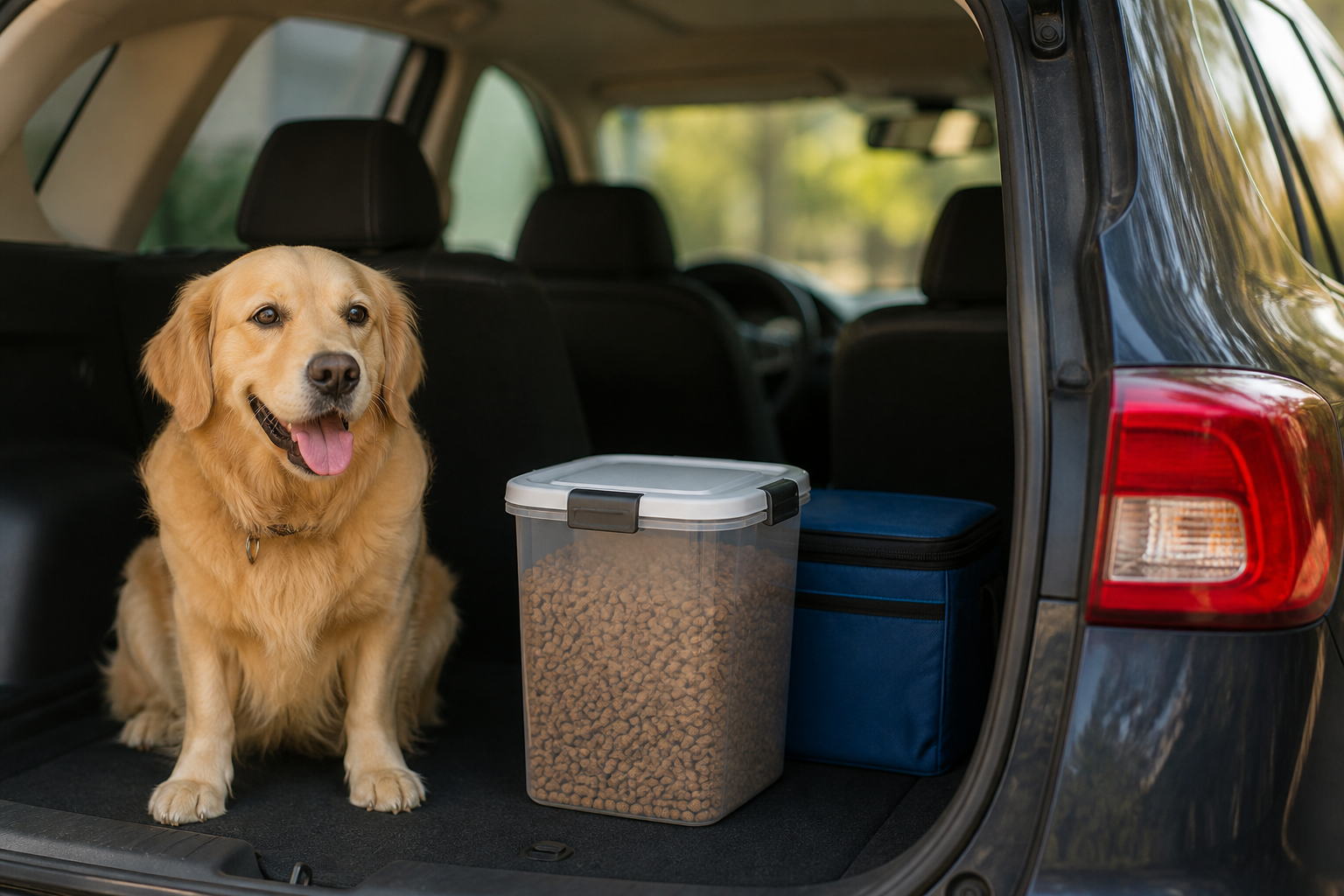
It is a common Saturday morning routine. You stop at the pet store to pick up a fresh bag of high quality kibble. On the way home, you realize you need to grab groceries or run a few more errands. As the sun beats down on your vehicle, that bag of dog food sits in the trunk or the backseat. Many owners wonder if the intense heat inside a parked car can damage the food before it even reaches the pantry.
At BaxterBoo, we know that the quality of what goes into the bowl is the foundation of your dog's health. While dry kibble seems rugged and shelf stable, it is more sensitive to temperature than most people realize. This post covers the risks of heat exposure, how to spot spoiled food, and how to transport your pet's meals safely. Understanding the limits of pet food safety helps prevent digestive upset and ensures your dog gets the nutrition they deserve.
The Greenhouse Effect in Your Vehicle
Most people underestimate how quickly a car becomes an oven. Even on a relatively mild day with temperatures in the 70s, the interior of a car can climb to 100 degrees Fahrenheit in less than half an hour. When the summer heat hits 80 or 90 degrees, the temperature inside a cabin or trunk can soar to 140 degrees or higher.
Heat is energy that moves through packaging with ease. While a foil lined bag provides a better barrier than a paper one, it cannot stop the temperature from rising inside the bag. This creates a high heat environment that triggers chemical changes in the ingredients.
Quick Answer: Dry dog food should not stay in a hot car for more than 30 to 60 minutes. Temperatures above 100 degrees Fahrenheit accelerate the oxidation of fats and the destruction of essential vitamins. If the interior of the car exceeds 120 degrees, the food can begin to degrade in as little as 48 hours, but extreme spikes can cause immediate issues.
The Science of Heat and Kibble Spoilage
Dry dog food is a complex mixture of proteins, carbohydrates, and fats. It is formulated to be stable at room temperature, which is generally considered to be below 75 degrees. When you push the temperature 40 or 50 degrees beyond that limit, the molecular structure of the food starts to change.
For additional guidance on freshness timelines, see our article on how long dry dog food stays fresh after opening.
Fat Oxidation and Rancidity
Fats are the most vulnerable component of any dog food. Premium brands often include healthy animal fats and oils like omega-3 and omega-6 fatty acids. These fats are highly prone to oxidation. Oxidation happens when oxygen reacts with fat molecules. Heat acts as a catalyst, making this reaction happen much faster.
When fats oxidize, they become rancid. Rancid fat does more than just taste bad to your dog. It can produce toxic compounds and free radicals that may lead to long term health issues. In the short term, feeding rancid food often results in diarrhea, vomiting, and general digestive distress.
Vitamin Degradation
Many of the vitamins added to dog food are heat labile. This means they break down and lose their nutritional value when exposed to high temperatures. Vitamin A, Vitamin E, and the B-vitamin complex are particularly sensitive.
If a bag sits in a hot car for several hours, the nutritional profile changes. The label might claim a certain level of Vitamin E, but the actual amount available to your dog could be much lower. Over time, feeding heat damaged food can lead to subtle nutritional deficiencies that affect the immune system and skin health.
Preservative Burnout
Dog food manufacturers use preservatives to keep food fresh. Natural preservatives like tocopherols (Vitamin E) have a limited capacity to fight oxidation. They work like a shield. High heat forces these preservatives to work overtime. Once the preservatives are used up, the food begins to spoil at an exponential rate.
Key Takeaway: Excessive heat changes the chemical composition of fats and destroys vital nutrients. It is not just about the food getting old faster. It is about the food becoming nutritionally incomplete or potentially toxic.
The Hidden Threat of Moisture and Mold
Dry dog food typically contains about 10 percent moisture. In a controlled environment, this moisture stays locked within the kibble. When a bag is trapped in a hot car, that moisture starts to move.
The Condensation Cycle
As the air inside the bag heats up, residual moisture turns into vapor. When you finally bring the bag into your air conditioned home, the bag cools down. That vapor then condenses into liquid water on the inside of the bag or on the surface of the kibble. This creates localized damp spots.
For more storage ideas and organization tips, read our guide to organizing pet food and home supplies.
Mold and Bacterial Growth
Mold thrives in warm, damp environments. Even if the kibble looks dry to your eye, tiny pockets of moisture can lead to mold growth. Some molds produce mycotoxins, which are dangerous to dogs. Symptoms of mycotoxin poisoning include:
- Muscle tremors
- Vomiting
- Loss of coordination
- Lethargy
Bacteria like Salmonella also prefer warm environments. While the cooking process kills bacteria during manufacturing, contamination can happen after the bag is opened or if there is a micro tear in the packaging. A hot car provides the perfect incubation temperature for bacteria to multiply.
How to Identify Spoiled Dog Food
Before you pour a bowl of food that has been in a warm car, you should perform a thorough inspection. Dogs have a much better sense of smell than humans, but some dogs will eat spoiled food regardless of the risk.
For a broader checklist, review our guide to identifying spoiled dry dog food.
The Sniff Test
Open the bag and take a deep breath. Fresh dog food should have a nutty, meaty, or grain-like scent. If you smell anything sour, metallic, or similar to old paint, the fats have likely gone rancid. Some people describe the smell of rancid dog food as being like wet cardboard or "off" oils.
The Texture Check
Kibble should feel dry and slightly oily to the touch. If the kibble feels sticky, damp, or unusually greasy, it is a sign that the heat has compromised the fat and moisture balance. Check for any clumping at the bottom of the bag. Clumps are a primary indicator of moisture infiltration.
The Visual Inspection
Look for any signs of fuzzy growth or discoloration. Check the inside of the bag for beads of water or a "sweaty" appearance. If you see any of these signs, the food is not safe to feed.
Vet Tip: If your dog suddenly refuses a food they normally love, trust their nose. Dogs can often detect the early stages of rancidity or mold long before humans can. If they turn their nose up at a fresh bag that was left in the car, do not force them to eat it. Consult your veterinarian if your dog shows signs of stomach upset after eating.
Best Practices for Transporting Pet Food
To keep your pet's food safe during the summer months, you need a plan. A little bit of foresight can save you the cost of a wasted bag and a trip to the vet.
- Make it the last stop. Never start your errands by picking up dog food. Always make the pet store your final destination before heading straight home.
- Keep it in the cabin. The trunk is often the hottest part of the car because it lacks airflow. Place the bag on the floor of the backseat and turn on the air conditioning.
- Use a thermal barrier. If you have a long drive, consider wrapping the bag in a moving blanket or a reflective sunshade. This provides a buffer against the rising temperature.
- Buy smaller bags in summer. If you know your schedule is hectic, buying smaller bags ensures the food is used up quickly. This reduces the time that oxidation has to damage the supply.
Proper Storage After the Trip
Once you get the food home, how you store it is just as important as how you transported it. Many people make the mistake of pouring the food out of the bag and into a large plastic bin.
You can compare storage solutions alongside our dog food category.
Keep It in the Original Bag
The bags used by premium brands like Royal Canin or NutriSource are designed to be fat barriers. They are engineered to keep oxygen out and fats in. When you pour kibble into a plastic bin, the fats can seep into the porous plastic. Over time, these fats go rancid and can contaminate every new bag of food you put in the container.
Environmental Controls
Store the bag in a cool, dry place. A pantry or a kitchen closet is ideal. Avoid storing dog food in the garage or a laundry room. Garages are subject to the same heat spikes as cars, and laundry rooms often have high humidity levels that can trigger mold growth.
For an additional storage option, consider the Hiddin Clear Storage Dog Food Bin with Lift-Up Lid Scoop.
Bottom line: The best way to store dog food is to keep the original bag inside a sealed metal or glass container in a climate controlled room.
When to Contact the BaxterBoo Pharmacy
If your dog has a sensitive stomach or a chronic health condition, food safety is even more critical. Spoiled food can trigger flare ups of inflammatory bowel disease or other digestive issues. We carry a wide range of specialized foods and supplements to support your pet's health.
Our pharmacy offers FDA approved medications and prescription pet foods. If your veterinarian has prescribed a specific therapeutic diet for a condition like kidney disease or food allergies, these diets are often even more sensitive to storage conditions. You can manage your prescriptions through our pet pharmacy for convenient home delivery. If you suspect your dog has eaten spoiled food and is experiencing ongoing digestive distress, always consult your vet for a professional diagnosis and treatment plan.
The Role of Preservatives in Food Stability
Understanding what is in your dog's food can help you judge its heat tolerance. There are two main types of preservatives used in the industry.
Natural Preservatives
Commonly listed as "mixed tocopherols" or rosemary extract, these are derived from natural sources. They are excellent for your dog's health but are less stable than synthetic options. They break down much faster when exposed to heat and light. If you buy a natural or holistic food, you must be extra careful with temperature control.
Synthetic Preservatives
Ingredients like BHA, BHT, or ethoxyquin are highly effective at preventing oxidation. They can withstand higher temperatures for longer periods. However, many owners prefer to avoid these chemicals due to concerns about long term health effects. If you choose food with synthetic preservatives, you still shouldn't leave it in a hot car, but it may have a slightly higher tolerance than natural formulas.
Recovery Steps if the Food Got Hot
If you accidentally left a bag in the car for an hour or two, you might not have to throw it away immediately. Follow these steps to assess the situation:
Step 1: Bring the bag inside. / Move the food to a cool, dark room immediately to stop the heating process.
Step 2: Let it cool completely. / Do not open the bag until it has returned to room temperature to prevent extra moisture from entering.
Step 3: Perform the three point check. / Conduct a sniff test, a texture check, and a visual inspection for condensation.
Step 4: Monitor the first feeding. / Offer a small amount and watch your dog's reaction and subsequent digestion.
If the bag was in the car for several hours in 90 degree weather, the risk usually outweighs the reward. The cost of a new bag of food is significantly lower than the cost of treating a sick pet.
Maintaining Nutritional Integrity
At BaxterBoo, we have been operating since 2006, and we have seen how much the pet food industry has evolved. Modern diets are more nutritious than ever, but that nutrition is fragile. Whether you are using a standard kibble or a high end brand like Orijen or Acana, protecting the food from heat is a vital part of pet ownership.
Beyond just transport, consider your overall feeding routine. Using our Autoship program can help ensure you always have fresh food arriving at your door, reducing the need for long trips with food in the car. Plus, Autoship members earn savings and enjoy the convenience of never running out of essentials.
Summary of Food Safety Tips
Managing pet food in the heat is all about reducing exposure. Use this checklist for your next shopping trip:
- Check the "Best By" date before purchasing.
- Inspect the bag for tears or holes before leaving the store.
- Place the bag in the air conditioned cabin of the car.
- Head directly home after the pet store.
- Store the food in its original bag in a cool pantry.
- Wash your dog's food bowl daily to prevent bacterial buildup.
FAQ
Can I still use dog food if it was in a hot car for two hours?
If the car was in the shade and the temperature was moderate, the food might be safe, but you must check for sour smells or oily textures. If the car was in direct sun and temperatures exceeded 90 degrees, two hours is enough time for significant fat oxidation and nutrient loss to occur. When in doubt, it is always safer for your dog's health to replace the bag rather than risk digestive upset.
Does an unopened bag of dog food protect it from the heat?
No, an unopened bag does not provide insulation against high temperatures. While it protects the food from outside moisture and pests, heat energy moves through the plastic or paper packaging easily. The air inside the bag will heat up to match the car's interior temperature, which can trigger the breakdown of vitamins and fats regardless of whether the seal is broken.
What are the symptoms of a dog eating spoiled kibble?
The most common signs that a dog has consumed spoiled or rancid food include vomiting, diarrhea, and a loss of appetite. Some dogs may also show signs of lethargy or abdominal pain. If the food was contaminated with mold or bacteria, the symptoms could be more severe, including tremors or high fever, and you should seek veterinary care immediately.
Why is the trunk the worst place to put dog food in the summer?
The trunk is an enclosed space with no ventilation or air conditioning, allowing it to act like an oven that traps heat. Temperatures in a trunk can reach much higher levels than the passenger cabin. Always place pet food on the floor of the backseat where the vehicle's air conditioning can help maintain a more stable and safe temperature during the drive home.






