
 Save 15% on your 1st Autoship learn more

 Email us
 Live Chat
 FAQs
FAQs





Introduction
You stand in the pet food aisle or look at your screen, staring at dozens of bags and cans. Your dog is healthy, but maybe they seem a little bored with their standard kibble. Or perhaps you have a senior dog who is starting to pick at their food rather than eating with their usual enthusiasm. You wonder if adding a bit of canned food to that dry bowl is a good idea or if it will lead to an upset stomach. This is one of the most common questions we hear at BaxterBoo from pet owners who want to provide the best nutrition without overcomplicating mealtime. We will cover why mixing food is beneficial, how to do it safely, and how to balance calories. Feeding your dog a combination of dry and wet food is an excellent way to support their health while making every meal something they look forward to.
The Basics of Mixed Feeding
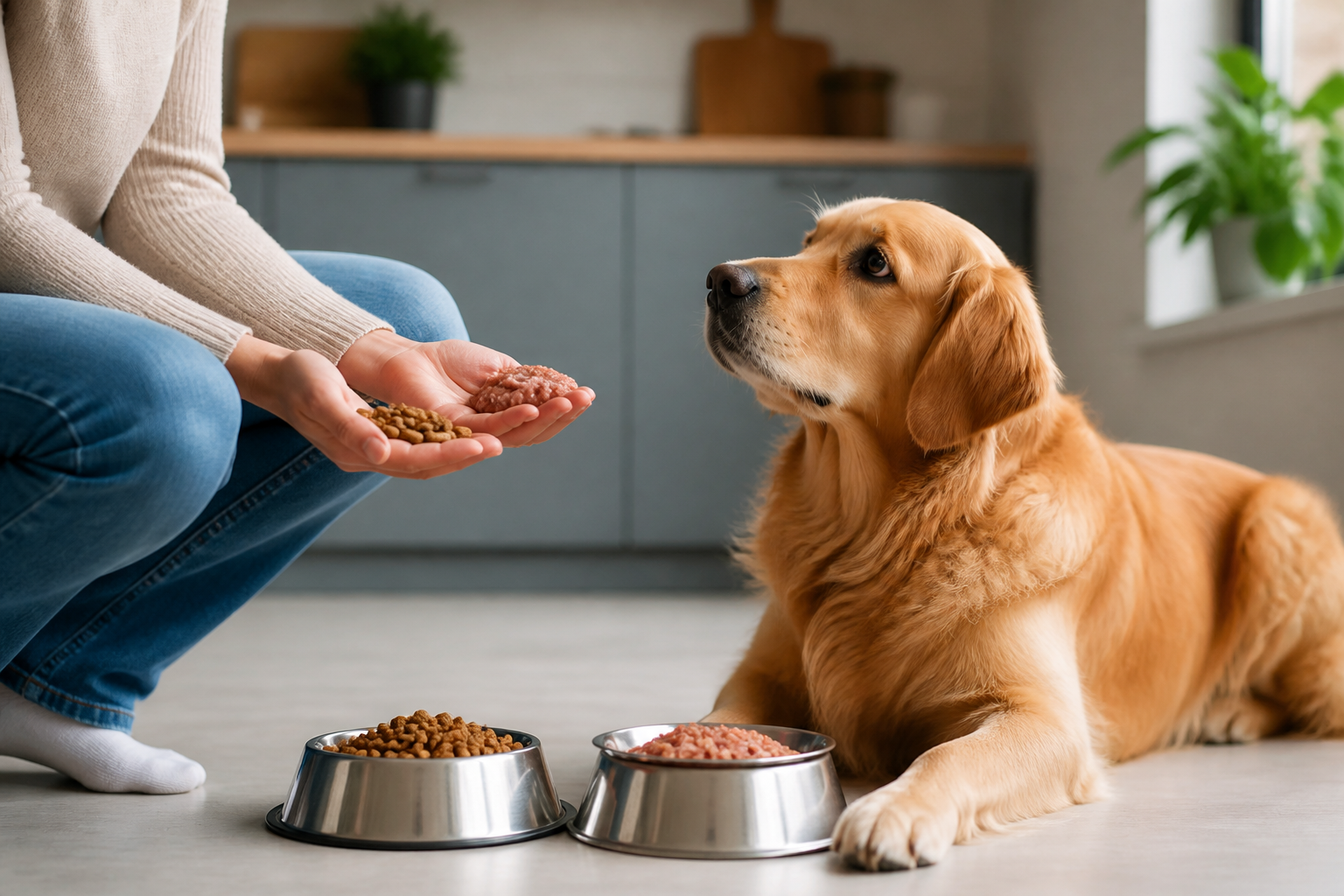
The short answer is a definitive yes. You can absolutely feed your dog both dry and wet food. Many pet owners find that this "mixed feeding" approach offers the best of both worlds. Dry food provides a convenient, cost-effective base with specific dental benefits. Wet food adds essential moisture and a boost of protein and aroma that most dogs find irresistible.
There is a common myth that dry and wet foods should not be mixed because they digest at different rates. For the vast majority of healthy dogs, the digestive system is more than capable of handling a meal that contains different textures and moisture levels. As long as the ingredients in both foods are high quality, mixing them generally causes no issues. It can actually be a great way to ensure your dog stays interested in their bowl throughout their entire life.
Quick Answer: Yes, you can feed your dog a mix of dry and wet food. This approach offers the dental benefits of kibble alongside the hydration and flavor of canned food. Just be sure to balance the total calories to avoid weight gain.
Understanding the Differences Between Wet and Dry Food
To understand why mixing works, it helps to look at how these foods are made. Dry dog food, or kibble, goes through a process called extrusion. The ingredients are mixed into a dough, cooked, and pushed through a machine to create specific shapes. These pieces are then dried and often sprayed with fats or vitamins to keep them fresh and tasty. Kibble typically has a moisture content of about 10 percent.
Wet food is processed differently. The ingredients are ground and mixed with a gravy or gel that contains vitamins and minerals. The mixture is then sealed in a can or pouch and sterilized. This process preserves the food without the need for the same types of preservatives found in some dry foods. Wet food usually contains between 75 and 80 percent moisture. This high water content is the primary difference between the two formats.
The Benefits of Dry Food
Dry food is the most popular choice for many reasons. It is shelf-stable and easy to store in large quantities. This makes it a great value for households with large dogs or multiple pets. Our dog food selection makes it easier to compare dry and wet options.
- Dental Health: The crunchy texture of kibble can help scrape away a small amount of plaque as your dog chews. This mechanical action supports gum health.
- Convenience: You can leave dry food in a bowl for a few hours if your dog is a "grazer" who likes to eat small amounts throughout the day.
- Mental Enrichment: Kibble works perfectly in puzzle toys and slow feeders. These tools keep your dog's brain active and prevent them from eating too fast.
The Benefits of Wet Food
Wet food is often seen as a treat, but it is a nutritionally complete option on its own. Its benefits go far beyond just tasting good.
- Hydration: Many dogs do not drink enough water on their own. Wet food provides a significant amount of hydration, which supports kidney and urinary tract health.
- Palatability: The strong aroma and soft texture of canned food are very appealing. This is perfect for picky eaters or dogs that are feeling under the weather.
- Weight Management: Wet food is less "calorie-dense" than dry food. This means a dog can eat a larger volume of wet food while consuming fewer calories. It helps them feel full without overeating.
Why Mixing Both Might Be the Best Choice
When you combine these two types of food, you create a meal that is nutritionally balanced and highly satisfying. Mixing provides variety in texture and flavor, which can prevent your dog from becoming bored. This is especially helpful if you need to transition your dog to a new food later in life. A dog that is used to different textures is usually more flexible when their diet needs to change.
Mixing can also be a savvy financial move. Feeding a large dog exclusively high-quality wet food can be expensive. By using a premium kibble as the base and adding a smaller amount of wet food as a "topper," you provide the benefits of canned food without the high daily cost. It is a way to upgrade your dog's nutrition while staying within a budget.
Key Takeaway: Mixing food is not just about variety. It is a practical way to manage hydration and appetite while keeping daily feeding costs manageable.
How to Calculate the Right Portions
The biggest risk of mixed feeding is overfeeding. It is easy to scoop out the usual amount of kibble and then "just add a little" wet food on top. Those extra calories add up quickly. Over time, this can lead to weight gain and the health problems that come with it.
You must look at the caloric density of both products. A cup of dry food might contain 400 calories, while a standard 13-ounce can of wet food might contain 350 calories. If you want to replace 25 percent of your dog's dry food with wet food, you cannot simply use a 25 percent volume measurement. You need to match the calories. For additional guidance, review this guide to measuring dry dog food portions.
Step-by-Step Portion Planning
Step 1: Determine total daily calories. / Look at the feeding guide on your dog's food or ask your vet how many calories your dog needs per day.
Step 2: Decide on your ratio. / Common ratios are 75 percent dry and 25 percent wet, or a 50/50 split.
Step 3: Calculate the kibble portion. / If your dog needs 800 calories and you want 75 percent from kibble, that is 600 calories of dry food.
Step 4: Calculate the wet food portion. / The remaining 200 calories will come from the canned food. Check the label to see how many calories are in a full can or a specific weight.
Step 5: Monitor and adjust. / Watch your dog’s body condition. If they start losing or gaining weight, adjust the portions slightly.
Vet Tip: Always consult your veterinarian before making significant changes to your dog’s diet. This is especially important for dogs with chronic conditions like kidney disease or diabetes. They can help you calculate the exact calorie needs for your dog’s specific weight and activity level.
Special Considerations for Life Stages
A dog's nutritional needs change as they grow and age. Mixed feeding can be adapted to support them through every stage. At BaxterBoo, we see how these shifts in feeding styles can make a real difference in a dog's comfort and energy levels.
Puppies
Puppies have small teeth and a lot of growing to do. Mixing wet food with puppy kibble can make it easier for them to chew. The extra hydration and protein support their developing muscles and organs. It also introduces them to different textures early, which helps prevent picky eating habits from forming as they reach adulthood. Our puppy food options can help you find age-appropriate meals.
Senior Dogs
As dogs age, their sense of smell and taste can decline. This often leads to a decreased appetite. The strong scent of wet food can entice an older dog to eat. Seniors also frequently deal with dental issues or missing teeth. A softer, mixed diet is much easier for them to manage than hard kibble alone. If your senior dog has specific health needs like kidney disease or urinary stones, our dog pharmacy carries prescription options. These specialized foods are often available in both wet and dry formats.
Small Breeds
Small breeds can be notoriously finicky. They also have tiny jaws that might struggle with large kibble pieces. Mixing a small-breed-specific dry food with a savory wet topper can help them get the calories they need in a format they can actually chew.
Transitioning Your Dog to a Mixed Diet
If your dog has only ever eaten dry food, do not switch to a mixed diet overnight. A sudden change in protein or fat levels can lead to gas, diarrhea, or a general lack of interest. A gradual transition is the best way to ensure their digestive system stays happy. For another gradual-transition approach, see this guide to switching from dry to wet dog food.
Start by adding just a tablespoon of wet food to their dry bowl. Mix it in well so they do not just lick the wet food off the top and leave the kibble. Over the course of five to seven days, slowly increase the amount of wet food while decreasing the amount of dry food until you reach your desired ratio.
During this week, keep a close eye on their stools. If things get a bit loose, slow down the transition. Some dogs need two weeks to fully adjust to a new feeding routine. Patience during this phase prevents a lot of cleanup later.
Choosing the Right Brands
Not all pet foods are created equal. When you are mixing, it is a good idea to choose high-quality brands that use real meat as the first ingredient. We carry over 500 trusted brands like Royal Canin, Open Farm, and Stella and Chewy's that offer both wet and dry options.
- Check the AAFCO Statement: Look for a label that says the food is "complete and balanced." This ensures the food has all the vitamins and minerals your dog needs.
- Look for Specific Needs: If your dog has a sensitive stomach, look for "limited ingredient" recipes in both formats.
- Match the Brand (Optional): While you can mix different brands, some owners prefer to stay within the same brand. Manufacturers often design their wet and dry lines to complement each other nutritionally.
Bottom line: Mixing wet and dry food is a safe, flexible way to provide a balanced diet that most dogs find very appealing.
Tips for Storage and Safety
When you start using wet food, you have to be more careful with food safety. Dry food is very stable, but wet food is perishable. Once a can is opened, it must be refrigerated. Most canned foods stay fresh for about two to three days in the fridge. We recommend using a silicone can cover to keep the food from drying out and to prevent the smell from spreading to your own food.
If your dog does not finish their mixed meal within 30 to 60 minutes, you should pick up the bowl and discard the leftovers. Wet food left at room temperature can grow bacteria quickly. Also, remember to wash your dog's bowl with warm, soapy water after every meal. The moisture in wet food creates a perfect environment for biofilm and bacteria to grow if the bowl is not cleaned regularly.
For pet owners who want to make this process easier, our Autoship program is a great resource. You can set up recurring deliveries of both your favorite kibble and your preferred canned toppers. This ensures you never run out of either and saves you money on every order.
Conclusion
Feeding your dog a mix of dry and wet food is a practical way to boost their hydration, improve the taste of their meals, and manage their weight. It allows you to take advantage of the dental benefits of kibble while providing the high-quality protein and moisture found in canned options. By calculating calories carefully and transitioning slowly, you can create a meal plan that supports your dog through every stage of their life.
- Start with a high-quality dry food as your base.
- Add a wet topper to increase hydration and aroma.
- Calculate portions based on calories, not just volume.
- Consult your vet for specific health or weight goals.
Whether you are looking to entice a picky eater or want to support a senior dog’s health, mixed feeding is a wonderful tool in your pet care toolkit. For all your feeding supplies, from premium kibble to prescription diets through our pet pharmacy, we are here to help you find exactly what your dog needs.
FAQ
Does mixing wet and dry food cause stomach upset?
In most healthy dogs, mixing these foods does not cause digestive issues. However, because wet food is often richer than dry food, a sudden change can lead to loose stools. To prevent this, always introduce the wet food gradually over a week to let your dog's system adjust.
How much wet food equals one cup of dry food?
There is no universal conversion because every brand has a different calorie count. Generally, wet food is much less calorie-dense than dry food. You must check the specific "kcal/cup" on your dry food bag and the "kcal/can" on your wet food to ensure you are feeding the correct equivalent amount.
Can I feed dry food in the morning and wet food at night?
Yes, this is a very common and effective feeding schedule. Splitting the types of food between meals can make storage easier and provide variety throughout the day. Just ensure that the total calories from both meals do not exceed your dog's daily requirement.
Is wet food better for older dogs than dry food?
Wet food is often better for seniors because it has a stronger scent to stimulate a fading appetite and a softer texture for dogs with dental pain. It also provides essential hydration for aging kidneys. Many owners find that mixing the two helps their senior dogs maintain a healthy weight and stay interested in mealtime.






