
 Save 15% on your 1st Autoship learn more

 Email us
 Live Chat
 FAQs
FAQs





Introduction
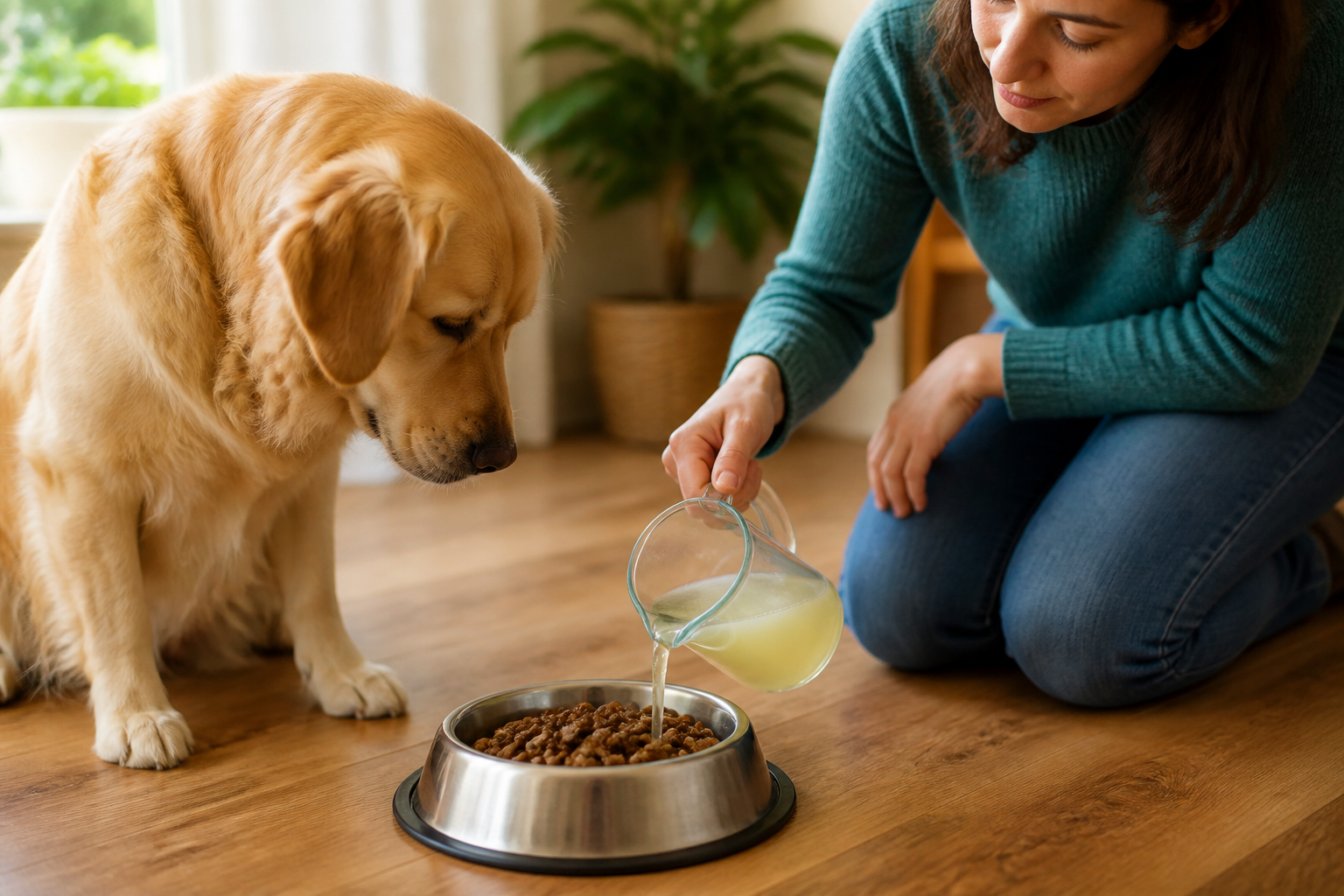
You stand in the kitchen while your dog stares at a full bowl of dry kibble with total indifference. Maybe they are getting older and find the hard nuggets difficult to chew, or perhaps they have simply decided that plain biscuits are no longer exciting. This common "kibble strike" leads many owners to wonder if a simple kitchen staple can help. At BaxterBoo, we talk to pet parents every day who are looking for safe, easy ways to make mealtime more appealing without compromising on nutrition. Mixing chicken broth with dry dog food is a popular solution that can provide hydration and flavor when done correctly. This post covers how to choose the right broth, the safety risks of human-grade soups, and how to serve these mixtures to keep your dog healthy. You can safely enhance your dog’s diet with broth as long as you avoid specific toxic ingredients and manage portions.
Quick Answer: Yes, you can mix chicken broth with dry dog food to improve hydration and palatability. You must use a low-sodium or "no salt added" version that is strictly free from onions, garlic, and leeks, which are toxic to dogs.
The Practical Benefits of Adding Broth to Kibble
Adding liquid to a dry diet offers more than just a flavor boost. Most commercial dry dog foods contain only about 10 percent moisture. While kibble is calorie-dense and convenient, it does very little to contribute to a dog’s daily water intake. By adding a high-quality broth, you effectively turn a dry meal into a hydrating one. This is particularly helpful for dogs that are not frequent drinkers or those prone to urinary tract issues. For more ideas, browse our dog food toppers and broths.
For picky eaters, the benefit is mostly olfactory. A dog’s sense of smell is significantly more powerful than their sense of taste. When you add warm broth to kibble, the heat releases aromatic molecules from the fats and proteins in the food. This scent often triggers a stronger feeding response than dry food alone. It is a useful trick for dogs that have lost their appetite due to age or minor stress. You can also read our guide to wetting dry dog food for better digestion and hydration.
Senior dogs and puppies also benefit from the texture change. Older dogs often struggle with dental disease, missing teeth, or sensitive gums. Hard kibble can be physically painful to crunch. Broth softens the biscuits, making them much easier to swallow. For puppies transitioning from milk or wet food to solid kibble, a bit of broth creates a familiar, mushy texture that makes the change less intimidating for their developing digestive systems. If you are feeding a young dog, explore our puppy supplies for age-appropriate essentials.
Identifying the Hidden Dangers in Store-Bought Broth
The most important rule when mixing broth with dog food is to never assume a human-grade product is safe. Most broths found in the grocery store soup aisle are formulated for human palates, which means they are heavily seasoned.
The Sodium Concern
Sodium is a major issue in commercial broths. While humans can process a fair amount of salt, dogs are much more sensitive. High sodium intake can lead to increased thirst, dehydration, and in severe cases, salt poisoning. Even labels that claim "Reduced Sodium" often contain far more salt than a dog should consume in a single sitting. For dogs with underlying heart or kidney conditions, this extra salt can be dangerous.
Toxic Aromatics: Onions and Garlic
Many standard chicken broth recipes include onions, garlic, or leeks for flavor. These ingredients belong to the Allium family and are highly toxic to dogs. They contain compounds that can cause oxidative damage to red blood cells, leading to a condition called hemolytic anemia. Even small amounts of onion powder or garlic extract found in "natural flavorings" can be harmful if fed consistently over time. Always read the full ingredient list rather than relying on the marketing on the front of the carton.
Additives and Artificial Sweeteners
Some commercial products contain MSG, artificial colors, or preservatives to maintain shelf life. More concerning is the potential for xylitol, a sugar substitute sometimes found in lower-calorie human foods. While rare in broth, xylitol is extremely toxic to dogs and can cause rapid liver failure. Always read the full ingredient list rather than relying on the marketing on the front of the carton.
Key Takeaway: The safest broth for a dog is one specifically formulated for pets or a homemade version where you control every ingredient. Avoid any product containing onion, garlic, or excessive salt.
How to Choose the Right Broth at the Store
If you are shopping for a broth to use as a topper, look for "No Salt Added" varieties. This is different from "Low Sodium." A "No Salt Added" label generally means no extra salt was introduced during the cooking process, though some natural sodium will always be present from the chicken itself.
We carry a variety of pet-specific bone broths and toppers at BaxterBoo from brands like Stella and Chewy's or Open Farm. These are specifically designed to be safe for canine digestion and are often enriched with extra nutrients. You can browse our food topper collection for broth-based add-ins and meal mixers. If you must buy human-grade broth, follow these steps:
- Check for "No Salt Added" on the label.
- Ensure the ingredient list does not mention onions, garlic, leeks, or chives.
- Avoid "Natural Flavors" unless the company specifies they are animal-based and vegetable-free.
- Look for a short ingredient list with recognizable items like water, chicken, and carrots.
Vet Tip: If your dog has a history of kidney disease or heart issues, consult your veterinarian before adding any broth to their diet. The mineral content in broth can interfere with specialized prescription diets.
The Importance of Proper Ratios and Serving Temperatures
Mixing broth into food is not just about pouring it over the bowl. The way you serve it affects how much your dog enjoys the meal and how well they digest it.
A standard ratio is one part broth to four parts dry food. For example, if you feed one cup of kibble, start with a quarter cup of broth. This provides enough moisture to coat the pieces and create a gravy without turning the meal into a soup. If your goal is to soften the food for a senior dog, let the mixture sit for five to ten minutes. This allows the kibble to absorb the liquid and expand, making it soft all the way through.
Temperature also plays a role in palatability. Dogs generally prefer food that is near their body temperature, which is around 101 degrees Fahrenheit. Cold broth straight from the refrigerator might actually discourage a picky eater. You can gently warm the broth on the stove or in a microwave-safe dish. Always stir the broth and test it with your finger to ensure there are no "hot spots" that could burn your dog's mouth.
Bottom line: Aim for a 1:4 ratio of broth to kibble and serve it lukewarm to maximize both safety and appeal.
Step-by-Step: Transitioning to Broth Toppers
- Start small: Add just a tablespoon of broth to the usual meal to ensure your dog does not have a sensitive reaction to the new protein.
- Monitor digestion: Watch for signs of loose stool or gas over the next 24 hours.
- Increase gradually: If the first few meals go well, move toward the 1:4 ratio.
- Maintain consistency: Try to use the same brand or recipe to avoid upsetting the natural balance of your dog's gut bacteria.
Homemade Chicken Broth for Dogs
Making your own broth is the most cost-effective and safest way to enhance your dog's bowl. It allows you to use leftover chicken pieces while ensuring zero toxic additives enter the pot.
To make a basic dog-safe broth, place unseasoned chicken bones or meat in a large pot. Add enough water to cover the chicken by two inches. You can toss in a few chopped carrots or celery stalks for extra vitamins, but avoid all seasonings. Bring the pot to a boil, then reduce the heat to a low simmer. Let it cook for at least two hours for a standard broth, or up to 24 hours if you are making a thick bone broth.
Once the cooking is finished, the most critical step is straining. You must remove every single bone and bone fragment. Cooked bones are brittle and can splinter easily, leading to internal punctures or choking hazards. After straining, let the liquid cool in the refrigerator. A layer of fat will rise to the top and harden. Skim this fat off and discard it. Feeding high-fat liquids to dogs can lead to digestive upset or even pancreatitis in sensitive breeds.
When to Consult the Pharmacy and Your Vet
While chicken broth is a great tool for a healthy dog who is just being picky, a loss of appetite can sometimes signal a deeper medical issue. If your dog suddenly stops eating their regular food and even broth does not entice them, it is time for a veterinary visit.
Ongoing health conditions like chronic kidney disease, food allergies, or inflammatory bowel disease require specific management. Our pet pharmacy provides access to medications and prescription products for dogs with ongoing health needs. Brands like Farmina Vet Life and Royal Canin offer specialized formulas for weight management, renal support, and skin sensitivities. If your vet prescribes a specific diet, always ask before adding broth, as even the extra minerals in homemade stock can throw off the precise balance of a prescription meal.
Storing Your Broth and Managing Cleanup
Once you add liquid to dry dog food, the shelf life of that meal drops significantly. Dry kibble can sit out for several hours without issue, but moistened kibble becomes a breeding ground for bacteria very quickly. If your dog does not finish the meal within 20 to 30 minutes, you should discard the leftovers and wash the bowl thoroughly.
Freshly made or opened broth lasts about four to five days in the refrigerator. If you have a large batch, a great trick is to pour the broth into silicone ice cube trays and freeze them. You can pop out one "broth cube" at a time and melt it over your dog’s dinner. This ensures the broth stays fresh and makes portion control very simple. For another perspective on safe mealtime moisture, read our guide to mixing dry dog food with water.
Note: Never leave moistened kibble out at room temperature for more than half an hour. Bacteria thrive in the damp, protein-rich environment created by the broth.
Summary of Best Practices
Mixing chicken broth with kibble is a fantastic way to support hydration and make meals more enjoyable. To do it safely:
- Always use sodium-free and onion-free broth.
- Remove all fat and bones from homemade recipes.
- Serve the mixture warm, not hot.
- Discard uneaten portions quickly to prevent bacterial growth.
- Account for the extra calories if your dog is on a weight management plan.
We recommend looking into our Autoship programme for your dog's favorite kibble and safe toppers. It ensures you never run out of the basics and provides savings that make it easier to afford premium, safely curated brands. By focusing on quality ingredients and proper preparation, you can turn a boring bowl of dry food into a hydrating, nutritious highlight of your dog's day.
FAQ
Can I use chicken stock instead of chicken broth for my dog?
While the terms are often used interchangeably, stock is usually made from bones and has a thicker consistency, while broth is made more from meat. Both are safe for dogs provided they do not contain salt, onions, or garlic. Stock often contains more collagen, which can be beneficial for joint health, but you must be extra careful to strain out every bone fragment and skim off the excess fat before serving.
How much broth should I add to my dog's dry food?
A general rule of thumb is to add about two tablespoons of broth for every half-cup of dry kibble, or a 1:4 ratio. You want the food to be moistened and fragrant but not swimming in liquid unless your dog specifically prefers a soup-like consistency. Always start with a smaller amount to see how your dog's stomach reacts to the change in their routine.
Is it okay to give my dog chicken broth every day?
Yes, as long as the broth is salt-free and does not contain toxic ingredients, it can be a daily addition to their diet. However, remember that broth does contain some calories and nutrients. If you add a significant amount of broth every day, you may need to slightly reduce the amount of kibble you feed to prevent unwanted weight gain, especially in less active or senior dogs.
Can chicken broth help a dog with an upset stomach?
Plain chicken broth can be very soothing for a dog with a mild stomach ache or someone recovering from a bout of diarrhea. It helps with hydration and provides easy-to-digest nutrients. However, if your dog is vomiting or has persistent digestive issues, you should skip the broth and contact your veterinarian. They may recommend a specific prescription diet or medication from our pet pharmacy to address the underlying cause.






