
 Save 15% on your 1st Autoship learn more

 Email us
 Live Chat
 FAQs
FAQs





Introduction
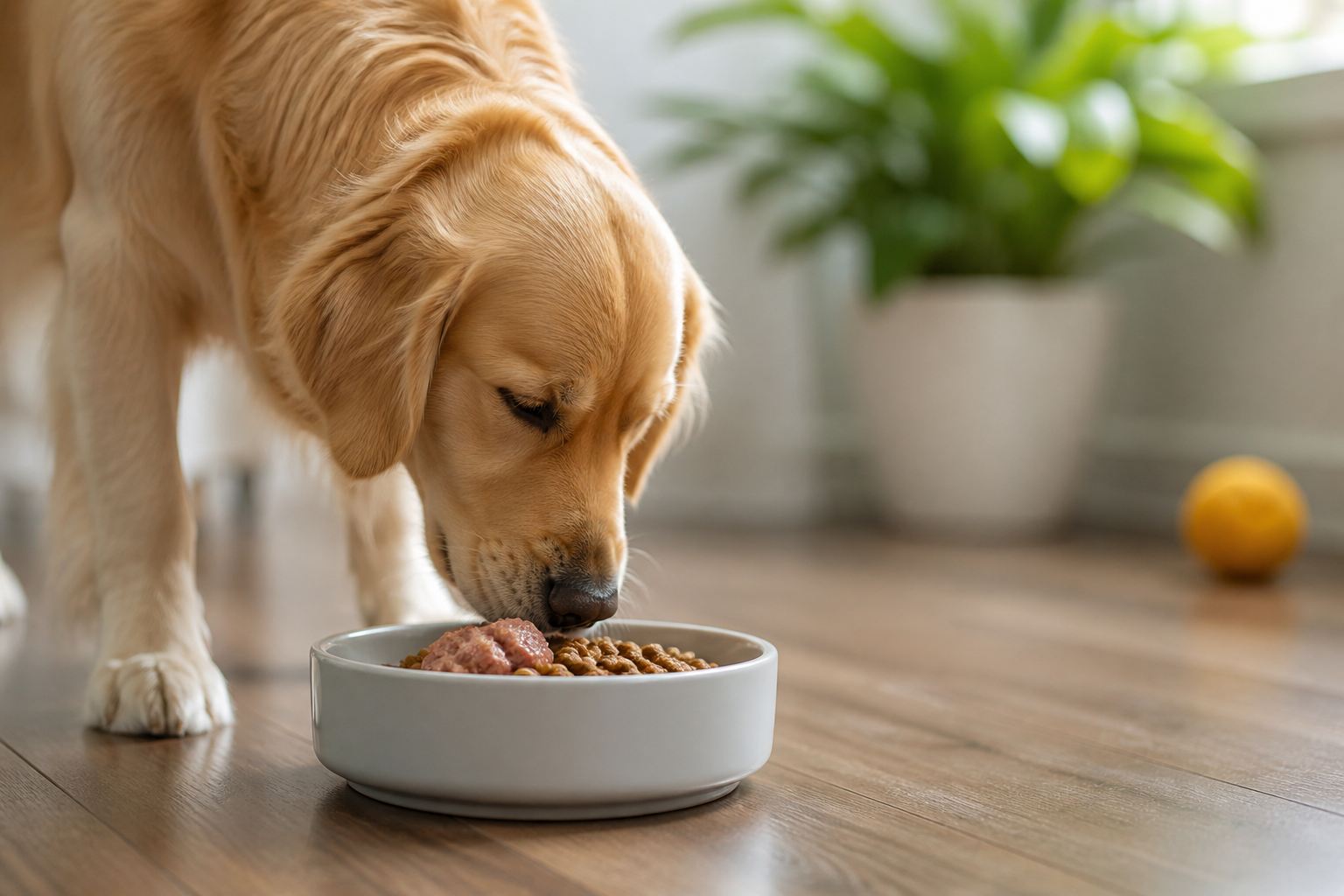
You are standing in the kitchen with a scoop in your hand. Your dog is looking at their bowl of dry kibble with very little interest. Maybe they take a single bite and walk away. Or perhaps you just want to give them something special to celebrate a good day at the park. We have seen this exact scenario many times at BaxterBoo. We know that mealtime is the most important part of your dog's day. Many owners wonder if they can safely stir a bit of canned food into that dry kibble to liven things up. This article explains the benefits of mixed feeding and how to do it without upsetting your dog's stomach. Mixing these two types of food is a practical way to support hydration and variety.
Quick Answer: Yes, you can mix wet and dry dog food as long as both are labeled as complete and balanced. This combination provides the dental benefits of kibble with the hydration and flavor of wet food.
The Benefits of Mixed Feeding
Mixing wet and dry food is often called mixed feeding. This approach offers the best of both worlds for your pet. Dry food is convenient and helps keep teeth clean through mechanical scraping. Wet food provides a rich aroma and a texture that most dogs find irresistible.
Improved Hydration
Many dogs do not drink enough standing water from their bowls. This is especially true for senior dogs or those with certain health concerns. Dry kibble usually contains only about 10 percent moisture. Wet food can contain up to 80 percent water. By adding a topper or mixing in a can of wet food, you naturally increase your dog's daily water intake. This helps support healthy kidney function and urinary tract health. For another way to add moisture to meals, read our guide to mixing dry dog food with water.
Appeal for Picky Eaters
If your dog has a low appetite, the strong scent of wet food can be a big help. The cooking process for canned food locks in meaty aromas that dry kibble simply cannot match. We carry many brands like Stella and Chewy's or The Honest Kitchen that offer highly palatable wet toppers. These can turn a boring meal into a gourmet experience for a fussy eater.
Cost and Convenience
Feeding a large dog exclusively wet food can become very expensive. Mixing allows you to stretch your budget while still providing a premium experience. You get the bulk of the calories from cost-effective dry kibble. You then use the wet food as a nutritional and flavor boost. Our guide to choosing between wet and dry dog food offers another look at the differences between both formats.
Key Takeaway: Mixed feeding is an excellent compromise that balances the cost-effectiveness of dry food with the hydration and taste of wet food.
How to Calculate Portions Correctly
The biggest risk of mixing wet and dry food is overfeeding. You cannot simply add a can of wet food on top of a full serving of kibble. This will lead to unwanted weight gain over time. You must account for the calories in both products.
Using the 25 Percent Rule
A common starting point is the 75/25 split. You feed 75 percent of the recommended daily amount of dry food. You then add 25 percent of the recommended daily amount of wet food. If you are using a topper that is not labeled as a full meal, it should make up no more than 10 percent of the total calories.
Comparing Calories Instead of Volume
Wet food is much less calorie-dense than dry food because it contains so much water. This means a cup of wet food has far fewer calories than a cup of dry kibble. Always check the labels for the kcal per cup or kcal per can. If you need help with the math, we recommend checking the feeding guidelines on our product pages. Our wet and dry dog food guide also explains why calorie density matters.
Step 1: Determine your dog's total daily calorie needs based on their weight and activity level.
Step 2: Calculate how many calories are in one cup of your current dry food.
Step 3: Calculate how many calories are in one can or pouch of your chosen wet food.
Step 4: Reduce the dry food portion by the number of calories you plan to add via wet food.
Vet Tip: If your dog is prone to weight gain, use a measuring cup for every meal. Even a small extra amount of food every day can lead to obesity over time. Consult your veterinarian to determine your dog's specific caloric requirements.
Choosing the Right Combination
Not all dog foods are created equal. When you mix different products, you need to ensure they complement each other.
Stick to the Same Life Stage
It is vital to match the life stage of both foods. If you have a puppy, both the wet and dry food must be formulated for growth. Puppies need higher levels of protein and specific minerals like calcium and phosphorus. Giving a puppy adult wet food mixed with puppy kibble can cause nutritional imbalances. The same applies to senior dogs who may need lower protein or added joint support.
Check for AAFCO Standards
Look for the AAFCO statement on every label. It should say the food is complete and balanced. This means the food contains every nutrient a dog needs to survive on its own. When you mix two complete and balanced foods, the overall meal remains nutritionally sound.
Brands That Mix Well
We carry a wide variety of brands that offer both wet and dry options designed to work together.
- Royal Canin: Known for precise nutrition tailored to specific breeds and sizes.
- Farmina: Offers high-protein options with unique ingredients like pumpkin.
- Open Farm: Focuses on transparent sourcing and human-grade ingredients.
- NutriSource: Provides great value and includes probiotics for gut health.
Specialized Diets and Prescription Needs
If your dog has a chronic health condition, mixing food requires more care. Dogs with allergies, kidney disease, or diabetes often require therapeutic diets. Our dog pharmacy offers a wide selection of specialized foods and medications.
Managing Allergies and Sensitivities
For dogs with food sensitivities, consistency is key. If you are feeding a limited ingredient dry food, you should choose a wet food with the same protein source. For example, if you use a lamb-based kibble, stick to a lamb-based wet food. This prevents the accidental introduction of a trigger ingredient.
Prescription Diets
If your vet has prescribed a specific diet, such as Farmina Vet Life or Royal Canin Veterinary Diet, you should only mix it with the wet version of that same prescription. Mixing a therapeutic dry food with a standard grocery store wet food can dilute the medicine or nutritional balance intended to treat the condition.
Vet Tip: Always consult your veterinarian before mixing foods if your dog is on a prescription diet for health issues like kidney stones, heart disease, or severe allergies. Our pharmacy carries FDA-approved medications and prescription diets that can be delivered to your door.
How to Transition to Mixed Feeding
A sudden change in diet can cause upset stomachs, gas, or diarrhea. Even if you are just adding a topper, you should introduce it slowly. For additional transition guidance, see our tips for switching from dry to wet dog food.
The Five Day Schedule
- Day 1: 90 percent dry food, 10 percent wet food.
- Day 2: 80 percent dry food, 20 percent wet food.
- Day 3: 70 percent dry food, 30 percent wet food.
- Day 4: 60 percent dry food, 40 percent wet food (or your desired final ratio).
- Day 5: Monitor your dog's stool and energy levels for any changes.
Texture Preferences
Some dogs are very particular about the way their food feels. You can experiment with different ways of serving the mixture.
- The Topper Method: Place the wet food in a dollop on top of the kibble.
- The Salad Toss: Stir the wet and dry food together until every piece of kibble is coated.
- The Stew: Add a little warm water to the mixture to create a gravy-like consistency.
Bottom line: Slow transitions are the best way to prevent digestive upset when introducing new textures and ingredients.
Storage and Safety Tips
Mixing food introduces new safety concerns that you do not have with dry kibble alone. Dry food can sit out in a bowl all day without spoiling. Wet food cannot.
Handling Opened Cans
Once a can of wet food is opened, it begins to oxidize and grow bacteria. You must cover any unused portion and put it in the refrigerator immediately. Most wet food stays fresh for three to five days when refrigerated. We recommend using a silicone can cover to keep the food from drying out and to keep your fridge from smelling like dog food.
Cleaning the Bowl
When you feed dry kibble, you might go a few days between washing the bowl. When you mix in wet food, you must wash the bowl after every single meal. The moisture and protein in wet food are a breeding ground for bacteria like Salmonella or Listeria. This is important for your dog's health and the health of everyone in your home.
Feeding Times
Do not leave a mixture of wet and dry food out for more than 30 to 60 minutes. If your dog does not eat it within that window, you should throw it away. Unlike dry food, the wet mixture will quickly attract pests and begin to spoil in the bowl.
- Wash bowls with hot, soapy water after every mixed meal.
- Refrigerate opened cans immediately.
- Discard any uneaten mixed food after one hour.
- Check expiration dates on cans before opening.
Senior Dogs and Dental Health
Mixed feeding is a fantastic solution for aging pets. As dogs get older, they may lose teeth or develop painful gum disease. This makes chewing hard kibble very difficult. However, older dogs still need the nutrition found in high-quality dry food.
Softening the Kibble
By mixing wet food with dry food and letting it sit for five minutes, the kibble will soften. This allows senior dogs to get the calories they need without the pain of crunching. You can also add a splash of warm bone broth from brands like The Honest Kitchen to further soften the meal.
Boosting Appetite in Seniors
Senior dogs often experience a decline in their sense of smell. Since smell is a huge part of how dogs taste, they might lose interest in their regular food. The intense aroma of wet food can help stimulate their appetite and ensure they maintain a healthy weight.
Key Takeaway: For senior dogs with dental issues, mixing wet food with kibble provides a softer texture that is easier to chew while maintaining high caloric intake.
Final Considerations for Dog Owners
Whether you have a growing puppy or a senior dog, mixing wet and dry food can improve their quality of life. It makes mealtime more interesting and helps keep them hydrated. Just remember to keep an eye on the total calories to prevent weight gain. We are proud to offer over 500 trusted brands at BaxterBoo to help you find the perfect match for your pet.
If you are looking for specific nutritional support for a health condition, our pharmacy partnership with Pet's Choice is here to help. You can get prescription diets and medications with the same convenience as your favorite toys and treats. Our MVP Rewards programme also allows you to earn points on every purchase, including food and pharmacy items.
Bottom line: Mixing wet and dry food is a safe, flexible way to provide variety and hydration, provided you monitor portions and choose high-quality, life-stage-appropriate formulas.
FAQ
Can I mix two different brands of wet and dry dog food?
Yes, you can mix different brands for a healthy dog, provided both are labeled as complete and balanced by AAFCO. However, if your dog has a sensitive stomach or a specific medical condition, it is often better to stick to the same brand. This ensures the nutritional profile and ingredient quality remain consistent across the entire meal.
Does mixing wet food with dry food cause diarrhea?
It can cause loose stools if you introduce the new food too quickly. The canine digestive system needs time to adjust to new protein levels and moisture content. Always use a gradual transition over five to seven days to allow their gut bacteria to adapt. If diarrhea persists for more than 24 hours, consult your veterinarian to rule out other issues.
Is it cheaper to mix wet and dry food?
Mixed feeding is generally cheaper than feeding an all-wet diet but more expensive than feeding an all-dry diet. It is a popular choice for budget-conscious owners who want to provide the premium benefits of wet food without the high cost of using it as a sole source of nutrition. Using dry food as the base provides the most affordable calories.
Can I mix wet and dry food for a puppy?
You can mix them for a puppy as long as both the wet and dry formulas are specifically designed for the growth stage. Puppies have very different nutritional needs than adult dogs, particularly regarding calcium and phosphorus. Mixing an adult wet food with puppy kibble can lead to developmental bone issues, so always check the life stage on the label.






