
 Save 15% on your 1st Autoship learn more

 Email us
 Live Chat
 FAQs
FAQs





Introduction
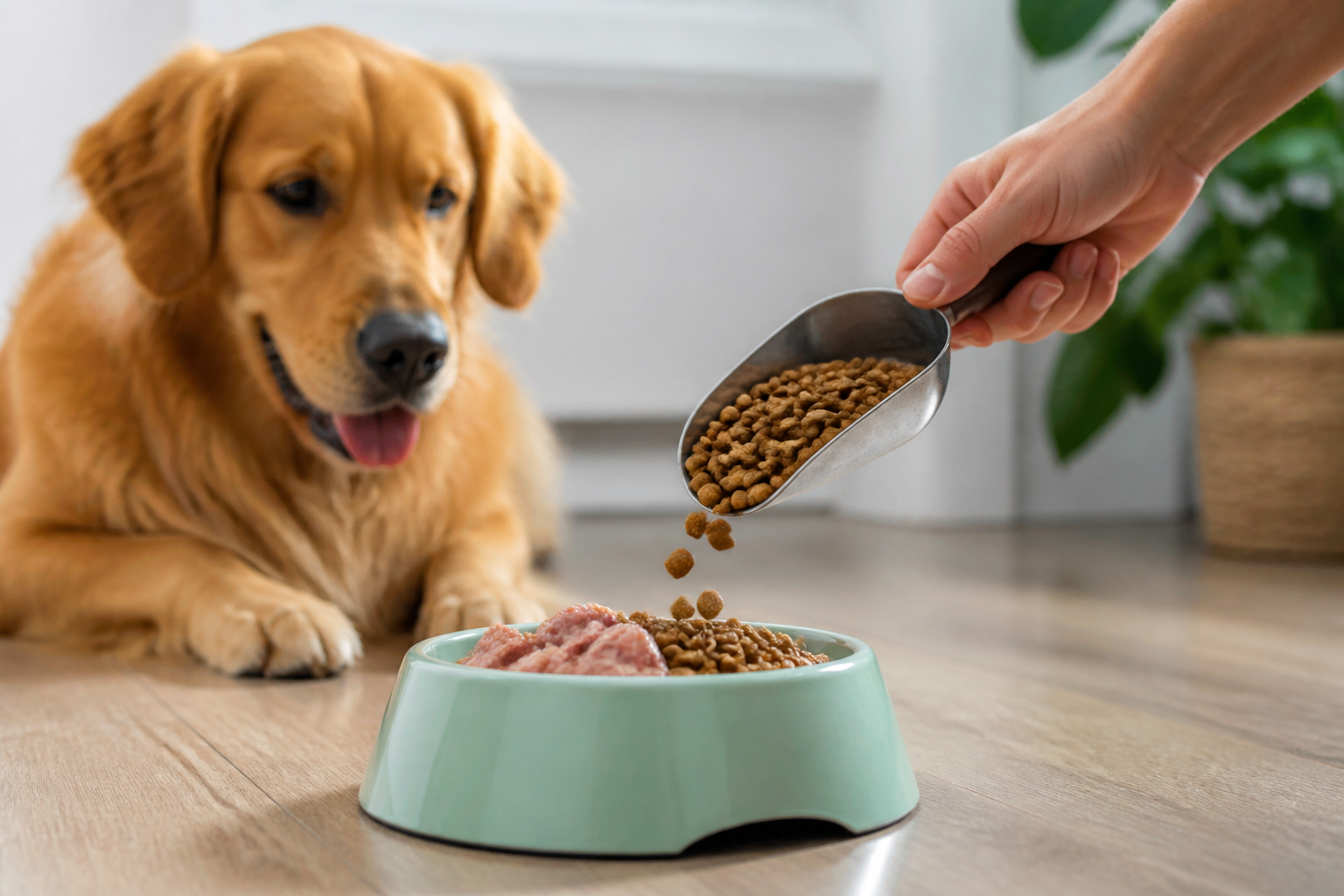
You stand in the kitchen with a bag of crunchy kibble in one hand and a can of savory stew in the other. Your dog sits at your feet with hopeful eyes. You might wonder if combining these two textures is a safe way to improve their dinner or if it will upset their stomach. At BaxterBoo, we help pet owners navigate these daily nutrition choices to ensure every meal supports long term health. Mixing wet and dry dog food is a popular and effective feeding strategy. It combines the dental benefits of kibble with the hydration and flavor of canned formulas. This guide explains how to balance these two food types, the specific benefits for different life stages, and how to avoid common portioning mistakes.
Quick Answer: Yes, you can safely mix wet and dry dog food as long as both products are labeled as complete and balanced. This combination improves hydration and palatability while helping you manage feeding costs.
The Benefits of a Mixed Feeding Routine
Many dogs thrive when they receive a variety of textures and aromas in their bowl. While dry kibble is the most common choice due to its convenience and shelf life, it often lacks the sensory appeal of fresh or canned options. Mixing the two provides a middle ground that serves both the pet and the owner. You can compare formulas in our dog food category.
Improved Palatability for Picky Eaters
Dogs experience the world through their noses. Wet food has a much stronger aroma than dry kibble. This scent can entice a dog that has lost interest in their standard meal. When you stir a small amount of wet food into kibble, the gravy coats the dry pieces. This makes it much harder for a dog to pick out only the "good stuff" and leave the nutrition behind.
Enhanced Hydration
Most dry dog foods contain only about 10 percent moisture. In contrast, wet dog food is often 75 percent to 80 percent water. Many dogs do not drink enough standing water from their bowls to stay perfectly hydrated. Adding wet food to their diet is an easy way to increase their daily fluid intake. This is particularly helpful for dogs prone to urinary tract issues or those living in hot climates.
Dental Health Maintenance
Kibble is known for its mechanical cleaning action. As a dog crunches through the hard pieces, the friction helps scrape away a small amount of plaque. By keeping kibble as a significant part of the mix, you maintain some of these dental benefits. Purely wet diets do not offer this abrasive quality. For additional at-home care ideas, read these pet dental care tips.
Cost-Effective Nutrition
Feeding a large dog a 100 percent wet food diet can become very expensive. Mixing a high quality wet topper with a premium dry base allows you to provide a luxury dining experience without a massive price tag. It stretches your budget while still giving your dog the high protein content often found in canned formulas.
Key Takeaway: Mixed feeding combines the dental friction of kibble with the high moisture and aroma of wet food for a balanced, appealing meal.
How to Mix Wet and Dry Food Safely
Successfully mixing foods requires more than just scooping a little of each into a bowl. You must ensure the overall nutritional balance remains correct.
Check the AAFCO Statement
Before mixing two different brands or formulas, look at the packaging for the AAFCO statement. It should say the food is "complete and balanced" for your dog's specific life stage. If you mix a "complete" kibble with a "supplemental" topper, you must ensure the topper does not make up more than 10 percent of the daily calories. If both are complete and balanced, you have more flexibility with the ratios.
The 75/25 Rule
A common starting point for many owners is the 75/25 ratio. This means 75 percent of the meal's calories come from dry kibble and 25 percent come from wet food. This ratio maintains the dental benefits of the dry food while providing enough wet food to significantly enhance the flavor and moisture.
Transitioning Slowly
Any change in diet can cause digestive upset. If your dog currently only eats dry food, do not switch to a half and half mix overnight.
Step 1: Add a single tablespoon of wet food to the normal kibble portion.
Step 2: Observe your dog for any signs of loose stools or gas for two days.
Step 3: Gradually increase the wet food amount while decreasing the kibble amount.
Step 4: Reach your desired ratio over a period of seven to ten days.
For another gradual transition approach, see how to switch from dry to wet dog food.
Vet Tip: Always consult your veterinarian before changing the diet of a dog with a chronic health condition. They can help you calculate the exact calorie needs to prevent accidental weight gain during the transition.
Understanding Calorie Density
One of the biggest risks of mixing wet and dry food is overfeeding. Dry food is very calorie dense because the water has been removed. A cup of kibble might contain 400 calories, while a cup of wet food might only contain 150 calories.
You cannot simply swap one cup of dry food for one cup of wet food. You must look at the kilocalories per cup or per can listed on the label. If you want to replace 100 calories of kibble, you need to find out exactly how much wet food provides that same 100 calories.
- Read the "Calorie Content" section on both labels.
- Use a standard measuring cup rather than a random kitchen scoop.
- Account for treats in the daily calorie total.
- Adjust portions if your dog's activity level changes.
For more guidance on comparing formats, read what is better, wet or dry food for dogs.
Bottom line: Measuring by calorie count rather than volume prevents the unintended weight gain that often happens when mixing food types.
Therapeutic Diets and the BaxterBoo Pharmacy
If your dog has been diagnosed with a specific medical condition, your approach to mixing food must be more cautious. Many dogs require therapeutic diets for issues like kidney disease, food allergies, or urinary crystals.
Our pet pharmacy carries FDA-approved prescription diets through our partnership with Pet's Choice. If your veterinarian has prescribed a specific dry food, such as Farmina Vet Life or Royal Canin Veterinary Diet, you should generally only mix it with the canned version of that same prescription formula.
Mixing a prescription dry food with a standard "over the counter" wet food can dilute the medicinal properties of the diet. For example, if a dog is on a limited ingredient diet for allergies, adding a standard wet food with different protein sources could trigger a flare up. Always verify with your vet that your chosen wet food does not counteract the purpose of the prescription dry food.
Managing Chronic Conditions
- Allergies: Stick to the same protein source in both wet and dry versions.
- Weight Management: Use wet food to help the dog feel full with fewer calories.
- Kidney Health: Prioritize the high moisture of wet food as directed by a vet.
- Diabetes: Maintain strict consistency in the ratio and timing of mixed meals.
Who Benefits Most from a Mixed Diet?
While almost any healthy dog can enjoy mixed meals, certain groups see significant improvements in their quality of life when owners make the switch.
Senior Dogs
Older dogs often experience a decline in their sense of smell and taste. This can make them lose interest in plain dry food. The strong aroma of wet food can spark their appetite. Additionally, many senior dogs suffer from dental disease or missing teeth. Softening the kibble with wet food makes the meal much easier to chew and swallow.
Dogs with Small Jaws
Toy and small breeds sometimes struggle with the size and hardness of standard kibble. Even "small breed" kibble can be a challenge if a dog has a tiny mouth or crowded teeth. Mixing in a paté or a minced wet food creates a texture that is much more manageable for small dogs.
Underweight Dogs
If a dog needs to gain weight after an illness or rescue situation, mixing can help. The high palatability of wet food encourages them to eat more. You can also choose calorie dense wet foods specifically designed for recovery to boost their intake without requiring them to eat a massive volume of food.
For a closer look at life-stage considerations, read should senior dogs eat wet or dry food.
Key Takeaway: Senior dogs and small breeds benefit the most from the softer texture and heightened aromas of a mixed feeding plan.
Storage and Safety Guidelines
Mixing wet food into dry food introduces new safety requirements. Dry kibble is stable at room temperature for many hours. Wet food is not.
The 30 Minute Rule
Once you mix wet food into a bowl, the clock starts ticking. Bacteria grow quickly in moist environments at room temperature. If your dog does not finish their meal within 30 minutes, you should discard the leftovers. Never leave a mixed meal out for "grazing" throughout the day.
Proper Refrigeration
An opened can of dog food should be covered with a tight fitting lid and stored in the refrigerator. Most high quality wet foods stay fresh for about 24 to 48 hours after opening. If you have a small dog and cannot finish a large can in two days, consider buying smaller cans or individual pouches to ensure freshness.
Avoid Mixing in the Bag
Never pour wet food into your large bag of dry kibble. This will cause the entire bag to mold and spoil. Only mix the two components in the serving bowl immediately before mealtime.
Serving Temperatures
Some dogs are sensitive to the temperature of their food. If you are using wet food straight from the refrigerator, it might be too cold for some pets. You can stir in a small amount of warm water or let the wet portion sit at room temperature for a few minutes before mixing it with the kibble. Do not microwave the food in the metal can.
- Discard uneaten mixed food after 30 minutes.
- Refrigerate opened cans immediately.
- Use a BPA free silicone lid for an airtight seal.
- Clean the food bowl thoroughly after every mixed meal.
For more storage and hygiene guidance, read how to switch from dry to wet dog food safely.
Bottom line: Moisture speeds up spoilage, so strict cleanliness and short feeding windows are essential for safety.
Choosing the Right Brands for Mixing
We carry a wide variety of brands that offer both dry and wet versions of the same formulas. This makes it much easier to ensure nutritional consistency.
High Protein Options
Brands like Orijen and Acana focus on biologically appropriate diets. If you use their kibble, look for their premium wet foods which feature similar animal protein sources. This keeps the digestive tract stable.
Dehydrated and Freeze Dried Alternatives
If you want the benefits of wet food without the heavy cans, consider brands like The Honest Kitchen or Stella and Chewy's. These products can be rehydrated with water and mixed into kibble. This offers the same moisture benefits and intense flavor while being easier to store for travel.
Clean Ingredient Lists
Look for brands like Open Farm or NutriSource. These companies provide transparent sourcing for their ingredients. When mixing, try to find a wet food that mimics the main ingredients of the dry food. If the kibble is lamb and rice, a lamb based wet food is the best choice.
Practical Tips for the Perfect Mix
To make mealtime easier, keep a few tools on hand. A dedicated silicone spatula is great for getting every bit of wet food out of the can. A set of digital scales is also more accurate than measuring cups for owners who are serious about weight management.
If your dog is still hesitant, try adding a small amount of warm water to the mix. This creates a "gravy" that binds the kibble and wet food together even more effectively. It also releases more of the aroma. You can also explore our dog food toppers and supplements for additional meal-mixing options.
For dogs that eat too fast, you can still use a slow feeder bowl with mixed food. Simply spread the wet food into the crevices of the slow feeder and sprinkle the kibble on top. This forces the dog to lick the wet food out, which can be a calming activity that aids digestion.
Conclusion
Mixing wet dog food with dry is a fantastic way to enhance your pet's dining experience while supporting their health. It addresses the common issues of dehydration, picky eating, and dental maintenance in a single bowl. By following the 75/25 ratio and carefully calculating calories, you can provide a high quality diet that fits your budget. Remember to transition slowly and always prioritize "complete and balanced" formulas to ensure your dog gets the nutrients they need to thrive.
- Start with a small amount of wet food to avoid stomach upset.
- Match your wet and dry formulas by protein source for better digestion.
- Use our pharmacy for prescription needs through the Pet's Choice partnership.
- Clean bowls daily to prevent bacterial growth from moisture.
Key Takeaway: A mixed diet is a flexible, healthy, and flavorful way to feed your dog at any life stage.
For a consistent supply of your dog’s favorite flavors, consider signing up for our Autoship programme. You can schedule regular deliveries of both kibble and canned food so you never run out of their favorite mix. Plus, you will earn rewards on every order through the MVP Rewards programme.
FAQ
Can I mix different brands of wet and dry dog food?
Yes, you can mix different brands as long as both are labeled as complete and balanced for your dog's life stage. However, mixing formulas with very different ingredient lists can sometimes cause gas or upset stomachs in sensitive dogs. To avoid issues, try to match the primary protein sources, such as using a beef based wet food with a beef based kibble.
Does mixing wet food with dry cause dental problems?
Mixing wet food with dry kibble does not directly cause dental problems, but it does reduce the mechanical cleaning effect that dry food provides. If you switch from 100 percent dry to a mixed diet, it is even more important to maintain a regular tooth brushing routine for your dog. You might also consider adding dental treats or water additives to help manage plaque.
How do I calculate how much to feed when mixing?
The best way to calculate portions is by using calories rather than volume. Look for the "kcal/kg" or "kcal/cup" on the dry food and "kcal/can" on the wet food. If your dog needs 800 calories a day, you might provide 600 calories from kibble and 200 calories from wet food. Your veterinarian can help you determine the exact calorie target for your dog's weight and activity level.
Is it okay to mix wet food with kibble for a puppy?
You can mix wet and dry food for puppies once they are fully weaned and eating solid food. It is vital that both the wet and dry foods are specifically formulated for puppies to ensure they get the correct calcium to phosphorus ratio for bone growth. Consult your vet before mixing to ensure the puppy is receiving the high calorie intake required for their development.






