
 Save 15% on your 1st Autoship learn more

 Email us
 Live Chat
 FAQs
FAQs





Introduction
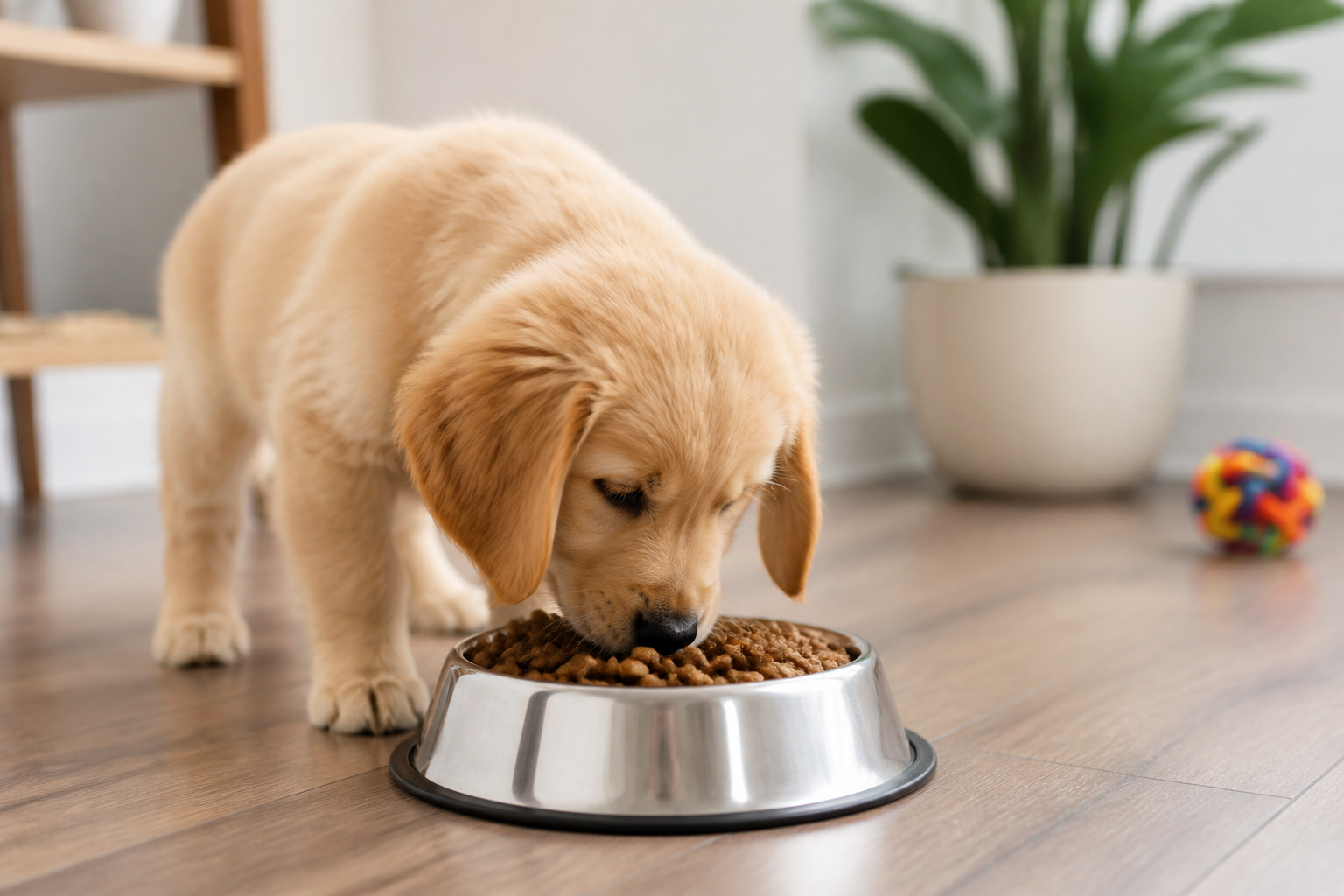
The moment your puppy first shows interest in the adult dog’s bowl or starts sniffing at a bag of kibble is a major milestone. You might be watching those tiny teeth come in and wondering if their digestive system is ready for the crunch of solid food. At BaxterBoo, we see this transition every day with new pet parents who want to ensure their puppies grow up strong and healthy. Moving from mother's milk or formula to dry food is a process called weaning. It is not an overnight change. This post covers the ideal timeline for introducing kibble, how to soften it for small mouths, and what nutritional markers to look for in a high quality puppy diet. Providing the right foundation now sets the stage for a lifetime of wellness.
When Can Puppies Start Eating Dry Food?
Puppies typically begin the transition to solid food when they are between three and four weeks old. At this stage, they are still nursing but their nutritional demands are starting to outpace what mother's milk alone can provide. However, you cannot simply put a bowl of hard kibble on the floor and expect them to thrive. Their first experience with dry food must involve a significant amount of moisture to create a soft, manageable texture.
Most puppies are fully weaned and capable of eating dry dog food without added liquid by eight weeks of age. This eight week mark is standard because it aligns with when most puppies are ready to leave their mother and join a new home. If you bring home a puppy that is at least two months old, they should already be comfortable eating dry kibble. If they seem to struggle, you may need to briefly backtrack and add a little warm water to help them adjust to the new environment and texture.
Quick Answer: Puppies can start eating moistened dry food at 3 to 4 weeks old. They are typically ready for fully dry kibble by 8 weeks of age once their baby teeth have emerged and their digestive systems have matured.
The Weaning Process: A Step-by-Step Guide
Transitioning to dry food is a gradual journey that helps the puppy's stomach adapt to complex proteins and fibers. Rushing this process often leads to upset stomachs or diarrhea. We recommend a four week weaning schedule to make the shift as smooth as possible.
Step 1: Create a puppy gruel.
In the first week (around week four of age), mix one part high quality puppy kibble with three parts warm water or puppy milk replacer. Let it sit until the kibble is mushy and has the consistency of oatmeal.
Step 2: Increase the thickness.
During the second week, shift the ratio to two parts kibble and two parts liquid. The mixture should still be very soft but hold its shape slightly more than the initial gruel.
Step 3: Move toward solid kibble.
In the third week, use three parts kibble to one part liquid. At this stage, the puppy is doing more chewing and relying less on the liquid for hydration.
Step 4: Offer dry kibble.
By the fourth week of the transition (around seven to eight weeks of age), most puppies can handle dry food on its own. Ensure they have constant access to fresh water since they are no longer getting significant hydration from their food.
Why Specialized Puppy Food is Essential
It is tempting to feed a puppy the same dry food as the adult dogs in your house. However, puppies have very different nutritional requirements. They are building bone, muscle, and organ tissue at a rapid rate. Puppy formulas are more calorie dense and contain higher levels of protein and fat to fuel this growth. Our puppy food selection offers formulas designed for this life stage.
Adult dog food often lacks the specific balance of calcium and phosphorus that puppies need. If a puppy eats adult food too early, they may not get enough energy to grow. Conversely, if they get the wrong mineral balance, their bones may grow too quickly. This is especially dangerous for large breed puppies. Brands like Royal Canin and Wellness offer life stage specific formulas that ensure these ratios are precise.
Key Takeaway: Always choose a formula specifically labeled for growth or all life stages. Adult maintenance diets do not provide the concentrated nutrients required for a puppy's rapid developmental milestones.
How to Properly Soften Dry Puppy Food
Even after the weaning phase, some pet owners prefer to soften kibble for a few months. This can be helpful if your puppy is a fast eater or if they are currently losing their baby teeth and have sore gums.
To soften the food, use warm water rather than boiling water. Boiling water can destroy some of the heat sensitive vitamins and probiotics found in premium brands like Stella and Chewy's or Open Farm. Pour the warm water over the kibble and let it sit for 10 to 15 minutes. The kibble should feel spongy to the touch.
You can also use a low sodium dog specific bone broth for added flavor and joint support. Avoid using human grade broths that contain onions or garlic, as these are toxic to dogs. If your puppy is particularly picky, a little warm broth can often entice them to finish their meal.
- Use a 1:3 ratio of liquid to kibble for a slight soften.
- Wait at least 10 minutes for full absorption.
- Test the temperature with your finger to ensure it is not too hot.
- Discard any uneaten moistened food after 30 minutes to prevent bacteria growth.
Recognizing the Signs of Readiness
Every puppy develops at a slightly different pace. While age is a good guideline, you should also look for physical and behavioral signs that your puppy is ready for the "big kid" food.
First, check their teeth. You should see the sharp points of their deciduous (baby) teeth erupting through the gums. If the gums still look smooth, they will struggle to break down even softened kibble. Second, watch their interest level. If the puppy is constantly trying to sneak a bite from the mother's bowl, their curiosity indicates they are ready for a different texture.
Finally, monitor their energy and growth. A puppy ready for dry food should be gaining weight steadily. If they seem lethargic or are not hitting growth targets on a liquid diet, it is time to talk to your veterinarian about introducing solid nutrition.
Vet Tip: If your puppy experiences persistent vomiting or diarrhea during the switch to dry food, consult your veterinarian. They can help rule out parasites or food sensitivities and determine if a prescription digestive diet from our pet pharmacy is necessary.
Feeding Frequency and Portions
Puppies have tiny stomachs but very high metabolisms. They cannot eat enough in one sitting to last the whole day. Most experts recommend feeding puppies three to four times per day. This frequent feeding schedule helps maintain steady blood sugar levels and prevents the digestive upset that comes from overfilling a small stomach.
As your puppy approaches six months of age, you can usually transition to twice daily feedings. The exact amount of food depends on the brand, the puppy's weight, and their expected adult size. Always refer to the feeding chart on the back of your specific bag of food. These charts are usually based on the puppy's current weight and their age in months.
Keep in mind that these charts are just a starting point. If your puppy looks a bit too round, you may need to scale back. If you can see their ribs clearly, they likely need a bit more. We recommend using a standard measuring cup rather than "eyeballing" the portions to ensure consistency. For more guidance, read our guide to how much dry dog food to feed a puppy.
Large Breed vs. Small Breed Considerations
The rules for dry food change slightly depending on how big your puppy will eventually become. Small breed puppies, like Chihuahuas or Yorkies, reach maturity very quickly. They need energy dense food because they are prone to hypoglycemia (low blood sugar) if they go too long without eating. Small breed kibble is also shaped into smaller pieces to prevent choking.
Large breed puppies, such as Great Danes or Labradors, have a different challenge. They need to grow slowly. If they grow too fast, the weight of their bodies can put too much stress on their developing joints, leading to conditions like hip dysplasia. Large breed puppy foods are specifically formulated with lower fat and controlled calcium levels to manage this growth rate.
Bottom line: Match the kibble size and nutrient profile to your dog's breed size to prevent orthopedic issues or choking hazards.
Managing Digestive Transitions
The switch to dry food is a major change for a puppy's microbiome. It is normal to see a slight change in stool consistency during the first week. However, if the stool becomes very loose, you should slow down the transition.
Many pet owners find success by adding a puppy safe probiotic to the dry food. This helps populate the gut with beneficial bacteria. Brands like Zesty Paws offer supplements that can support this transition. If your puppy has a sensitive stomach, look for kibble that uses easily digestible proteins like lamb or fish rather than beef.
If your puppy is transitioning from a brand the breeder used to a new brand you prefer, do this slowly over 7 to 10 days. Mix a small amount of the new food into the old food, gradually increasing the ratio each day. This prevents the "system shock" that causes many puppies to refuse their meals.
The Role of Dental Health
One of the major benefits of dry dog food is the mechanical cleaning action it provides for the teeth. As the puppy crunches the kibble, it helps scrape away some of the plaque buildup. While it does not replace the need for regular brushing, it is a helpful tool for early dental hygiene.
As your puppy starts to lose their baby teeth (usually around four to six months), they may experience some discomfort. During this time, they might be more reluctant to eat hard dry food. You can temporarily go back to softening the kibble with a little warm water or offering a chilled chew toy from our collection of Kong products to soothe their gums before mealtime.
Key Takeaway: Dry food supports jaw strength and early dental health, but you must remain flexible if your puppy experiences teething pain during their first year.
Choosing Quality Ingredients
When you walk down the aisle at a warehouse or browse our site, the number of options can be overwhelming. For a growing puppy, the first ingredient should always be a high quality animal protein like chicken, turkey, or salmon. Avoid foods that list "meat by-products" or generic "animal fat" as primary ingredients.
Whole grains like brown rice or oatmeal can provide excellent fiber, but many owners prefer grain free options if their puppy shows signs of allergies. Look for the AAFCO (Association of American Feed Control Officials) statement on the label. This ensures the food is "complete and balanced" for growth. Our guide to choosing the best dry dog food can help you compare these details.
- Primary ingredient should be a named meat source.
- Includes DHA for brain and eye development.
- Contains antioxidants for a developing immune system.
- No artificial colors or chemical preservatives.
Monitoring Your Puppy's Progress
Once your puppy is successfully eating dry food, your job is to monitor their "Body Condition Score." You should be able to feel their ribs under a thin layer of fat, and they should have a visible waist when viewed from above. If they start to lose their waistline, you are likely overfeeding.
A healthy puppy on the right dry food will have a shiny coat, clear eyes, and plenty of energy for play. Their stools should be firm and easy to pick up. If the coat looks dull or the puppy seems constantly itchy, it might be a sign that the specific brand of dry food is not agreeing with them.
We suggest keeping a simple log of how much you feed and any changes you notice in their energy or digestion. This information is incredibly helpful for your veterinarian during your routine puppy vaccination visits.
When to Consider Prescription Diets
Sometimes, standard over the counter puppy food is not enough. If your puppy was born with certain health conditions or develops severe allergies early on, your vet might recommend a prescription diet. These diets are formulated to address specific issues like urinary health, severe skin sensitivities, or gastrointestinal disorders.
Our pharmacy at BaxterBoo, operated through our partnership with Pet's Choice, carries a variety of these specialized foods. We offer prescription options from trusted brands like Farmina Vet Life and Royal Canin. These diets require a valid prescription from your veterinarian, but they can be a literal lifesaver for puppies with unique medical needs. Transitioning to a prescription dry food follows the same slow mixing rules as any other food change.
Conclusion
Moving your puppy onto dry dog food is an exciting step toward adulthood. By starting the weaning process around four weeks and aiming for full solid food by eight weeks, you give their digestive system the time it needs to adapt. Remember to keep the transition gradual, use warm water to soften the kibble early on, and always choose a formula designed for growth.
Watching your puppy thrive and grow is one of the most rewarding parts of being a pet owner. To make the journey easier, consider signing up for our Autoship programme. It ensures you never run out of your puppy's favorite kibble while saving you money on every order. Our MVP Rewards programme also helps you earn points on every bag of food and box of treats you buy. Providing the best nutrition is a team effort, and we are here to support you every step of the way.
Vet Tip: Regular weigh-ins at the vet clinic are the best way to ensure your puppy is on the right track. They can provide precise feeding adjustments as your puppy moves through different growth spurts.
FAQ
Can a 6 week old puppy eat dry food?
A six week old puppy is usually in the middle of the weaning process and can eat dry food if it is significantly softened with water or milk replacer. At this age, their teeth are still emerging, and their digestive systems are not quite ready for the hard texture of plain kibble. By the time they reach eight weeks, they can typically transition to fully dry food.
How do I switch my puppy from wet food to dry food?
To switch from wet to dry food, start by mixing about 25 percent dry food (moistened with water) into their 75 percent wet food meals. Over the course of a week, slowly increase the amount of dry food while decreasing the wet food. This gradual change helps prevent stomach upset and allows the puppy to get used to the new texture.
Should I add water to my puppy's dry food?
Adding water is highly recommended during the weaning phase (3 to 8 weeks) to create a soft gruel. Even for older puppies, adding a splash of water or broth can improve hydration and make the food more palatable. However, once a puppy is over eight weeks old and has their teeth, they are physically capable of eating kibble without any added liquid.
Is it okay if my puppy eats the adult dog's food?
While a single snack probably won't cause harm, puppies should not eat adult dog food as their primary diet. Adult food lacks the high calorie count and specific mineral balances (like calcium and phosphorus) required for healthy bone and muscle development. If your puppy consistently eats adult food, they may suffer from stunted growth or developmental issues.






