
 Save 15% on your 1st Autoship learn more

 Email us
 Live Chat
 FAQs
FAQs





Introduction
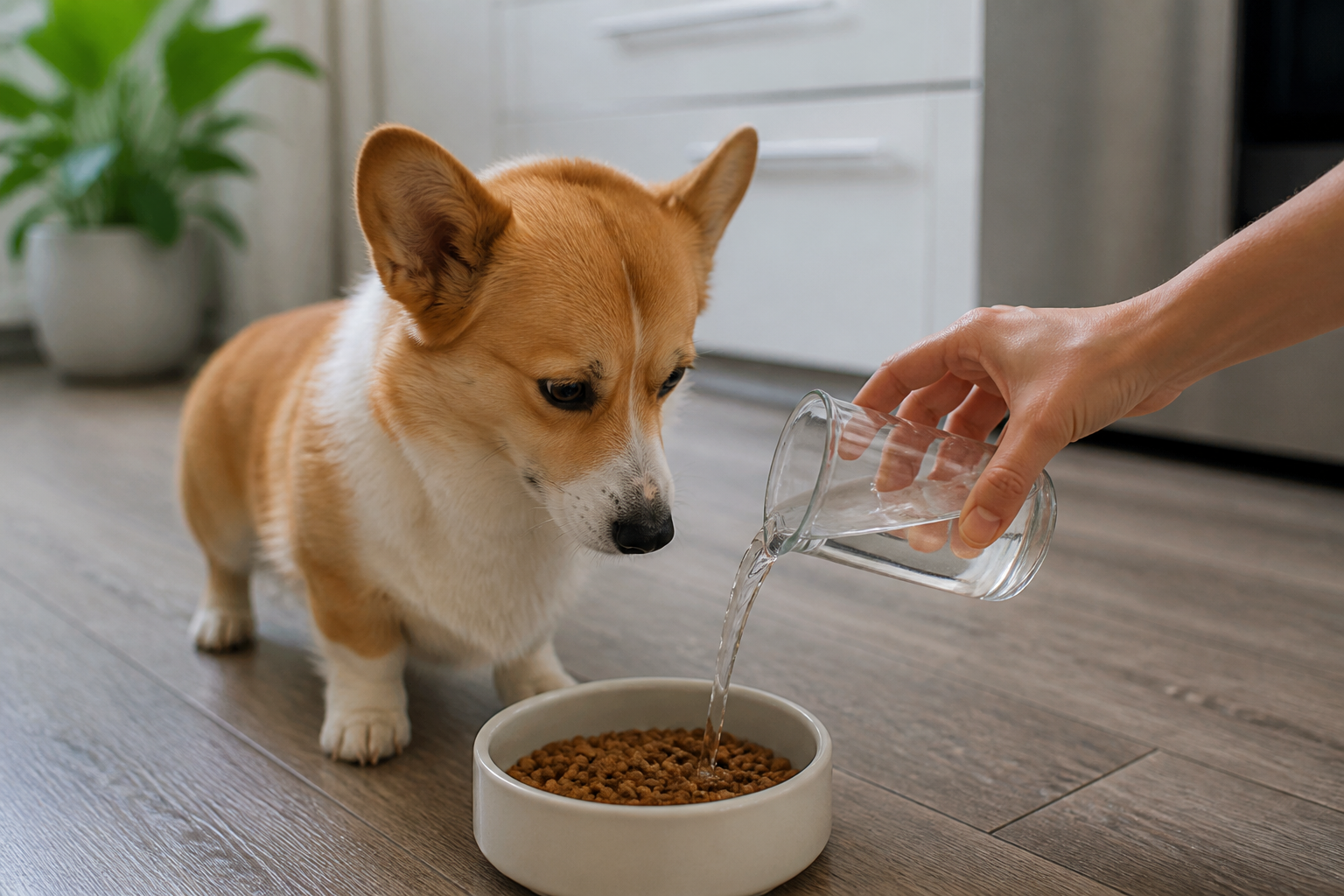
Many dog owners stand over a bowl of dry kibble and wonder if they should give it a little boost. You might notice your dog skipping meals or perhaps you are worried about their hydration levels during a hot Illinois summer. At BaxterBoo, we talk to pet parents every day who want to make mealtime more than just a routine. Adding warm water to dry food is one of the easiest ways to improve your dog's dining experience without buying expensive new products. This simple step can change the texture, enhance the smell, and provide much-needed moisture. We will explore the benefits for digestion and hydration, provide a step-by-step guide for the best results, and discuss when this method is most helpful. By the end, you will know exactly how to serve a better bowl for your dog.
Quick Answer: Yes, you can add warm water to dry dog food to improve hydration and aroma. This is especially helpful for picky eaters, senior dogs with dental issues, or puppies transitioning to solid food.
The Immediate Benefits of Adding Water to Kibble
Dry dog food is incredibly convenient for storage and portioning. However, most kibble only contains about 10 percent moisture. In contrast, a dog's natural diet would contain significantly more water. Adding water back into the bowl helps bridge this gap. It turns a hard, crunchy pellet into a softer, more manageable morsel. You can compare options in our dog food category when choosing kibble that works well with this method.
For dogs that do not visit the water bowl often enough, this technique is a lifesaver. Some dogs are simply lazy drinkers. They may not feel the urge to drink until they are already slightly dehydrated. By mixing water directly into their food, you ensure they get a specific amount of fluid twice a day. This supports every system in their body from their skin to their kidneys.
Aroma is another major factor. Dogs experience the world through their noses first. When you add warm water to dry food, it releases the fats and oils within the kibble. This creates a much stronger scent that can entice a reluctant eater. It is a natural way to make a standard meal feel like a special treat.
Key Takeaway: Adding moisture to kibble mimics a more natural diet and ensures your dog stays hydrated even if they are not active drinkers.
How Warm Water Enhances Palatability
We often see pet owners struggling with picky eaters who turn their noses up at high-quality dry food. Before you consider switching brands, try the warm water trick. The heat is the secret ingredient here. Warmth allows the volatile organic compounds in the food to become airborne. This means the smell of the chicken, beef, or lamb becomes much more intense.
This is particularly useful for senior dogs. As dogs age, their sense of smell and taste can begin to dull. They might lose interest in their food simply because they cannot smell it as well as they used to. A warm, fragrant bowl can spark their appetite and keep them interested in their nutrition. It also creates a light gravy that many dogs find irresistible. For additional ideas, read our guide to choosing dry dog food for picky eaters.
If you are using a premium brand like NutriSource or Stella and Chewy's, you want your dog to enjoy every bite. Adding water helps ensure they do not leave half a bowl behind. It is a cost-effective way to get the most value out of every bag of food you buy.
Improving Digestive Health and Nutrient Absorption
Digestion starts the moment food enters the mouth. When a dog eats dry kibble, their body has to work hard to break it down. The stomach must provide significant moisture to rehydrate the food so it can pass through the digestive tract. By adding water before they eat, you are doing some of that work for them.
Softened food is much easier for the stomach to process. This can lead to less bloating and gas for dogs with sensitive stomachs. It also helps the body absorb nutrients more efficiently. When food is pre-moistened, the digestive enzymes can get to work faster. This means your dog gets the full benefit of the vitamins and minerals in their diet. For another perspective on the process, explore our guide to wetting dry dog food.
Vet Tip: If your dog is prone to digestive upset or has a history of bloat, consult your veterinarian about meal preparation. They can help you determine if softened food or specific prescription diets from our pet pharmacy are the right choice for your dog's condition.
Supporting Urinary and Kidney Function
The kidneys are responsible for filtering waste from the blood and eliminating it through urine. This process requires a steady supply of water. If a dog is chronically under-hydrated, the kidneys have to work much harder. Over time, this stress can contribute to kidney issues or the formation of urinary stones and crystals.
Adding water to kibble is a proactive way to support urinary health. It increases the volume of urine, which helps flush the bladder regularly. This reduces the concentration of minerals that can lead to stones. For certain breeds that are predisposed to urinary issues, this simple habit can be a vital part of their wellness routine.
If your vet has already diagnosed a urinary or kidney condition, they may recommend a specific diet. Our pet pharmacy carries prescription foods and medications for chronic conditions. These diets are often formulated to work best with controlled moisture intake.
Preventing Gulping and Bloat
Some dogs treat mealtime like a race. They gulp down their dry kibble so fast that they barely chew. This habit can be dangerous. Gulping air along with dry food can lead to gastric dilatation-volvulus, commonly known as bloat. This is a life-threatening condition where the stomach fills with air and twists.
Adding water can actually slow these "speed eaters" down. When kibble is floating in a bit of water or has been softened into a mash, it is harder for the dog to inhale it in large quantities. It forces them to lap up the moisture and take smaller bites. This simple change in texture can make a significant difference in how safely your dog consumes their meal.
Bottom line: Moistened food is harder to gulp quickly, which can help prevent dangerous digestive issues like bloat.
Step-by-Step: The Best Way to Add Water
Not all water additions are equal. To get the best results, you should follow a consistent process. This ensures the food is the right temperature and consistency for your dog.
Step 1: Measure the correct portion. / Start with the amount of dry food your veterinarian recommends for your dog's weight and activity level.
Step 2: Check the water temperature. / Use warm water, not boiling. Boiling water can destroy heat-sensitive vitamins and minerals in the food. It also poses a risk of burning your dog's mouth.
Step 3: Use the right ratio. / A good starting point is one part water to two or three parts kibble. For example, add a quarter cup of water to every cup of dry food.
Step 4: Allow time to soak. / Let the bowl sit for about five to ten minutes. This allows the kibble to absorb the moisture and soften without turning into complete mush.
Step 5: Serve immediately. / Once the food is ready, give it to your dog right away. Do not leave moistened food sitting out for hours, as this can lead to bacterial growth.
When to Use Broth or Toppers Instead
While plain water is excellent, sometimes you want to provide a nutritional boost. Bone broths and goat milks are popular options at BaxterBoo for adding moisture. Brands like Open Farm or Stella and Chewy's offer specialized broths that are formulated specifically for pets. These are different from the broths you find in the grocery store, which often contain onions, garlic, or excessive salt. You can browse our dog food topper collection for meal add-ins and toppers.
Using a pet-safe broth adds collagen and amino acids to the meal. This is great for joint support and skin health. Goat milk is another fantastic option because it provides probiotics that aid in digestion. If your dog is particularly picky, the extra flavor from a broth can be the ultimate motivator.
- Only use broths specifically made for dogs.
- Avoid grocery store brands with added sodium.
- Consider goat milk for a probiotic boost.
- Use these as a supplement, not a replacement for balanced food.
The Myth of Dry Food and Dental Health
One common concern owners have is that softening food will hurt their dog's teeth. There is a long-standing belief that dry kibble "scrapes" the teeth clean as the dog chews. However, most kibble is actually quite starchy. When a dog bites a dry pellet, it often shatters into small pieces that get stuck in the crevices of the teeth. These starches can then turn into sugar and contribute to plaque.
Unless you are using a specific dental diet like Royal Canin Dental or Farmina Vet Life, standard kibble does very little for oral hygiene. The best way to keep your dog's teeth clean is through regular brushing and professional dental cleanings. Adding water to the food will not significantly change the state of your dog's dental health if you are already providing proper care.
In fact, for dogs that already have dental pain or missing teeth, dry kibble can be painful to eat. These dogs often stop eating or swallow pieces whole to avoid the pain of chewing. For them, adding warm water is a compassionate choice that makes eating a comfortable experience again.
Special Considerations for Life Stages
The needs of a puppy are very different from those of a senior dog. Adding water can be a tool used throughout a dog's life to address these changing requirements.
For Puppies
When puppies are transitioning from their mother's milk to solid food, their teeth and tummies are sensitive. This process, often called "weaning," is much easier when the kibble is softened into a porridge-like consistency. It allows them to get the nutrition of high-quality puppy food without the struggle of chewing hard pellets. As they get older, you can gradually reduce the amount of water until they are comfortable with dry food. Our Puppy Shop can help you find age-appropriate feeding options.
For Seniors
Senior dogs often face a variety of health challenges. Decreased appetite, dental issues, and kidney function are all common in older pets. Adding warm water addresses all three. It makes the food easier to smell, easier to chew, and easier on the kidneys. It is one of the simplest things you can do to improve the quality of life for an aging dog.
For Weight Management
If your dog is on a weight management plan, they might feel hungry between meals. Adding water to their food increases the volume of the meal without adding any calories. This can help your dog feel fuller and more satisfied. It prevents the "begging" behavior that often happens when a dog is on a calorie-restricted diet.
Potential Downsides and Safety Precautions
While adding water is generally beneficial, there are a few things to watch out for. The biggest concern is spoilage. Dry food is shelf-stable because it lacks moisture. Once you add water, you create an environment where bacteria can grow.
You should never leave moistened kibble out for more than an hour. If your dog does not finish their meal within thirty to sixty minutes, you should discard the leftovers and wash the bowl thoroughly. This is especially important in warm weather or in homes with high humidity.
Another consideration is the mess. Some dogs are "messy drinkers," and adding water to their food can lead to more splashing around the bowl. Using a high-sided bowl or a silicone mat can help keep your floors clean. Despite these minor inconveniences, the health benefits usually far outweigh the extra cleanup time.
Key Takeaway: Always discard uneaten moistened food after an hour to prevent bacterial growth and keep your dog's bowl clean.
Choosing the Right Food to Hydrate
Most high-quality dry foods respond well to being hydrated. Brands that use natural ingredients and avoid heavy fillers tend to absorb water more evenly. At BaxterBoo, we carry over 500 brands, many of which are perfect for this method.
If you notice that your dog's food does not soften after ten minutes, it may have a high wax or oil coating. This is sometimes found in lower-quality brands to keep the kibble from crumbling. Higher-quality options like Acana, Orijen, or NutriSource are designed with nutrient density in mind and generally hydrate very well.
If your dog is currently on a prescription diet for a condition like allergies or heart health, check with your vet before adding anything other than water. While water is safe, adding broths or other toppers could interfere with the specific nutrient balance of a medical diet.
Summary Checklist for a Better Bowl
To ensure you are getting the most out of this feeding method, keep these tips in mind for your daily routine.
- Use warm water to unlock aromas and help with soaking.
- Wait 5 to 10 minutes for the kibble to soften before serving.
- Start with a 1:3 water-to-kibble ratio and adjust based on your dog's preference.
- Clean the bowl thoroughly after every meal to prevent bacterial buildup.
- Monitor your dog's hydration levels and bathroom habits.
- Use pet-safe broths or goat milk for an extra nutritional boost.
Conclusion
Adding warm water to dry dog food is a simple, effective way to support your pet's overall health. Whether you are trying to help a senior dog eat more comfortably or simply want to ensure your puppy stays hydrated, this technique offers many benefits. It enhances flavor, aids digestion, and protects vital organs like the kidneys. We see the difference it makes for our own pets, and we are proud to offer the products that help you make these small but impactful changes. If your dog has ongoing health concerns that require more than just a diet change, our pharmacy is here to help with prescription medications and diets. You can also save on your favorite food and toppers by using our Autoship program, which ensures you never run out of the essentials.
Bottom line: A splash of warm water is a free, easy way to transform a standard meal into a hydrating and aromatic feast for your dog.
FAQ
Does adding water to dry dog food cause dental problems?
No, adding water to kibble does not cause dental problems. Most standard dry foods do not provide significant teeth-cleaning benefits anyway, as they are often high in starches that can stick to the teeth. The best way to maintain your dog's oral health is through regular brushing and professional veterinary cleanings, regardless of whether their food is wet or dry.
Can I use boiling water to soften the kibble faster?
You should avoid using boiling water because it can burn your dog's mouth and throat. High heat can also break down or destroy sensitive vitamins, minerals, and probiotics that are sprayed onto the kibble after the cooking process. Using warm water from the tap is sufficient to release the aromas and soften the food safely.
How long can moistened dog food sit in the bowl?
Moistened dog food should not sit out for more than 60 minutes. Once water is added, the food becomes a breeding ground for bacteria, especially in warm environments. If your dog does not finish their meal within an hour, it is best to throw away the leftovers and wash the bowl with soap and water to ensure their next meal is safe.
Will adding water to my dog's food make them have to go outside more often?
Yes, it is possible that your dog will need more frequent potty breaks if you start adding water to their food. Because they are consuming more fluid, their kidneys will produce more urine to flush out waste. This is actually a positive sign of a healthy, hydrated system, but you may need to adjust your walking schedule for the first few days.






