
 Save 15% on your 1st Autoship learn more

 Email us
 Live Chat
 FAQs
FAQs





Introduction
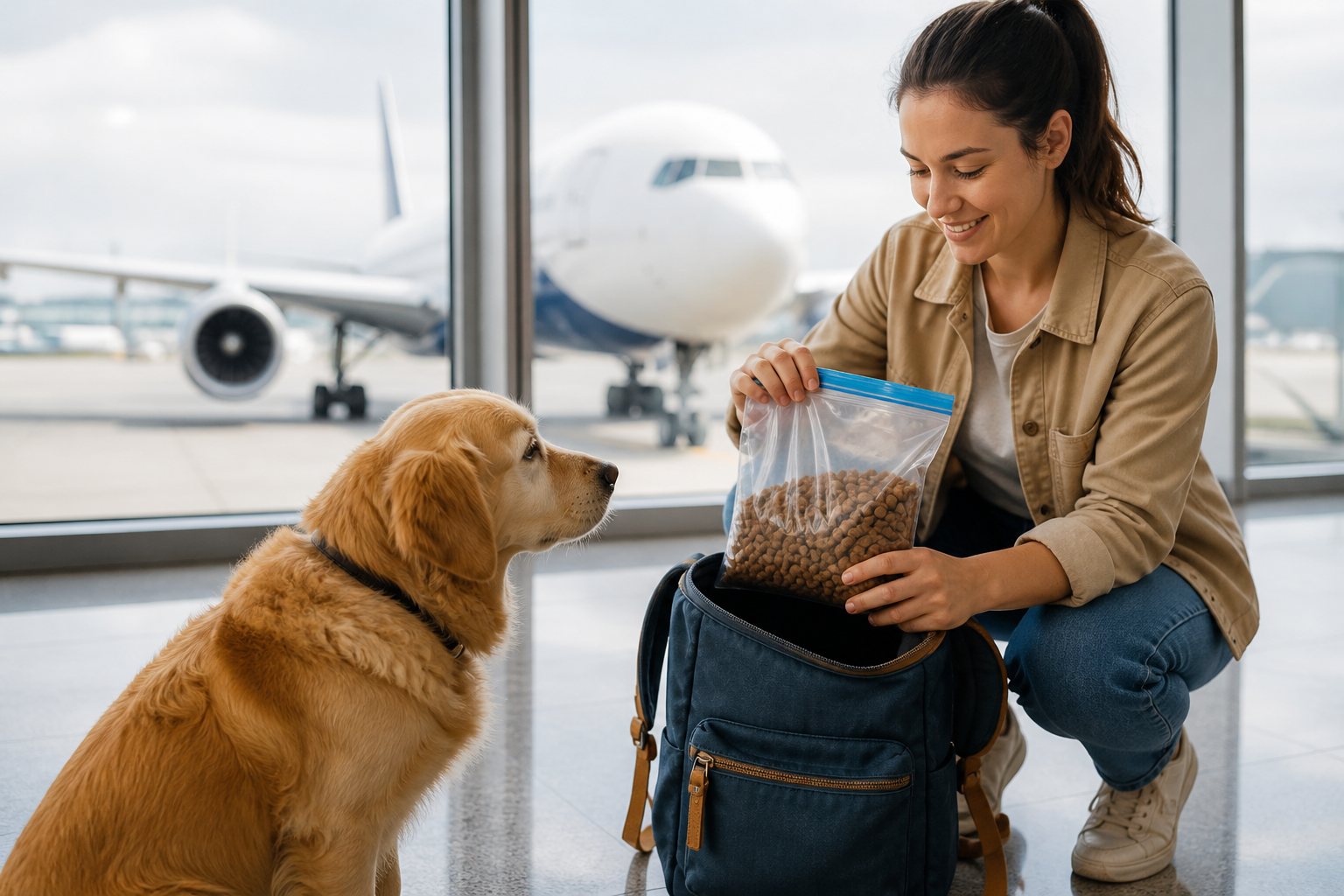
You are standing in your kitchen with an open suitcase on one side and a half-empty bag of kibble on the other. Your flight leaves in a few hours. You know you need to bring your dog’s favorite food to avoid a late-night run to a strange grocery store. But a nagging question stops you: can you bring dry dog food on a plane without getting flagged at security?
At BaxterBoo, we help pet owners navigate these travel hurdles every day. If you need a place to compare options before you pack, start with our dry dog food category. We know that consistency is the key to a happy dog during a stressful trip. This guide will walk you through TSA regulations for both carry-on and checked bags. We will cover how to pack kibble to stay fresh and how to navigate international customs. You will leave this article feeling ready to breeze through the airport with your dog’s meals securely packed.
Quick Answer: Yes, you can bring dry dog food on a plane in both carry-on and checked luggage. The TSA classifies dry kibble as a solid food, meaning it is not subject to the 3-1-1 liquid rule.
TSA Rules for Dry Dog Food
The Transportation Security Administration (TSA) is primarily looking for items that pose a safety risk. For domestic flights within the United States, dry dog food is generally treated like any other solid snack. It does not matter if the bag is open or sealed. You are allowed to bring as much as you need for your trip.
However, the density of certain premium dog foods can sometimes look odd on an X-ray screen. Many high-quality kibbles contain organic materials that might trigger a manual bag check. This is not a reason to worry. It simply means a TSA officer might need to look inside your bag to confirm the contents.
Carry-On Regulations
You can pack dry food in your carry-on bag or your personal item. There is no official limit on the weight of the food. You are only limited by the size and weight restrictions of your airline for carry-on luggage.
Checked Bag Regulations
If you are traveling for a long time, checking a large bag of food is often easier. TSA allows dry dog food in checked luggage without any special restrictions. We recommend keeping the food in its original packaging if possible. This makes it easier for inspectors to identify the product if they open your suitcase.
Key Takeaway: Dry dog food is a solid. It can go in any bag you choose without size limits, though it might prompt a quick manual inspection.
Why You Should Pack Your Own Food
It is tempting to save space and buy food once you land. While this seems convenient, it often leads to trouble. Most dogs have sensitive digestive systems. A sudden switch in brands can cause gas, diarrhea, or a complete refusal to eat.
Digestive Consistency
Travel is already stressful for your dog. Their routine is disrupted and they are in a new environment. Keeping their diet exactly the same provides a sense of security. It also prevents the "vacation stomach" issues that can ruin a trip.
Availability Issues
You might assume a local store will carry your specific brand. This is a risky bet. Specialty brands like Farmina, Orijen, or Open Farm are not always available in every city or small town. If you rely on a specific formula for allergies or health needs, bringing your own supply is the only way to be sure your dog stays healthy.
Cost Savings
Buying small bags of food at a destination is almost always more expensive. You will likely pay a premium at a boutique pet shop or a local grocer. Packing from your bulk supply at home keeps your travel budget in check.
Packing Strategies for Kibble
Packing dog food is about more than just dumping it into a bag. You want to keep the food fresh and prevent it from spilling all over your clothes.
Step 1: Calculate your portions. Count the number of meals your dog needs for the length of the trip. Add two extra days of food to this total. This covers you if there are flight delays or if you decide to stay an extra night.
Step 2: Use airtight storage. Air and moisture make kibble go stale or grow mold. Use heavy-duty freezer bags with a double seal. Silicone reusable bags also work well and offer more protection against punctures.
Step 3: Squeeze out the air. Before sealing the bag, press out as much air as possible. This keeps the food fresher and makes the bag flatter. Flat bags are much easier to stack in a suitcase.
Step 4: Double bag for safety. A single puncture can lead to kibble scattered inside your luggage. Place your portioned bags inside a second larger bag or a lightweight plastic bin. This provides a backup layer of protection.
Labeling for Safety
Use a permanent marker to label every bag. Include your dog’s name, the brand of food, and the specific serving size. If your luggage is lost, this information helps airline staff or a temporary caretaker feed your dog correctly.
Vet Tip: If your dog has a sensitive stomach, consider packing a few portions of a bland diet like plain white rice and boiled chicken. This can help if travel stress causes mild digestive upset.
Navigating the Security Checkpoint
The key to a smooth airport experience is being proactive. You do not want to be the person holding up the line while an officer rummages through your bag.
The Bin Strategy
When you reach the X-ray belt, take your bag of dog food out of your carry-on. Place it in its own bin, just like you would with a laptop or your bag of liquids. This shows the TSA officer that you have nothing to hide. It also prevents them from having to dig through your clothes if the kibble looks "busy" on the scanner.
Potential Testing
If an officer decides to test the food, stay calm. They usually just wipe the outside of the container with a small white cloth. They are checking for explosive residue. This is a standard procedure and usually takes less than a minute.
International Travel and Customs
Rules change the moment you cross an international border. While TSA cares about flight safety, customs agents care about "biological security." Many countries have strict bans on importing meat products to prevent the spread of diseases.
Meat-Based Product Bans
Countries like Australia, New Zealand, and some members of the European Union are very strict. Even a sealed bag of US-made kibble might be confiscated if it contains beef, pork, or poultry. Customs agents often view pet food as a high-risk item.
Documentation Requirements
Before you fly, check the "Pet Travel" section of your destination country's official government website. Some countries require a specific veterinary certificate that lists the ingredients in your dog's food.
The Original Packaging Rule
If you are traveling internationally, do not put food in plain plastic bags. Keep it in the original bag from the manufacturer. Customs agents need to see the ingredient list and the "Made in the USA" label. They are much more likely to allow a sealed, labeled bag than a mysterious bag of brown pellets.
Bottom line: For international flights, the original, sealed packaging is your best chance of getting through customs without your food being confiscated.
Handling Special Diets and Wet Food
If your dog eats wet food or a prescription diet, the rules are more complicated. Wet food is treated as a liquid or gel by the TSA.
The 3-1-1 Rule for Wet Food
Canned or pouched food in your carry-on must follow the 3-1-1 rule. This means the container must be 3.4 ounces or smaller. All containers must fit in a single quart-sized clear bag. Since most dog food cans are larger than this, you will likely need to pack wet food in your checked luggage.
Prescription Diets
There is no medical exemption for prescription pet food regarding the 3-1-1 rule. Even if your dog has a medical condition, the TSA will not allow a large can of wet food through the checkpoint. You must plan ahead and put these items in your checked bag.
Freeze-Dried Alternatives
If your dog usually eats wet or raw food, consider a freeze-dried alternative for travel. Brands like Stella & Chewy's or Vital Essentials offer freeze-dried patties or kibble. These are lightweight and classified as solid food. You can easily bring these in your carry-on and just add water when you arrive.
Managing Medications and Pharmacy Needs
Travel can be hard on a dog's health. You might need to bring along anxiety medication, flea and tick preventives, or supplements for joint stiffness. Our pharmacy at BaxterBoo offers a wide range of prescription options through our partnership with Pet's Choice, and you can browse our pet pharmacy before you leave.
Packing Medications
Always keep medications in their original prescription bottles. This prevents confusion at security and ensures you have the dosing instructions handy. Unlike food, human and pet medications are generally exempt from volume restrictions, but you should still declare them to the TSA officer.
Coordinating with Your Vet
If your dog requires a specific prescription food for a chronic condition, talk to your vet before you travel. They can provide a written script or a letter of medical necessity. You can then use our pharmacy services to have your supplies ready before your trip or even shipped to your destination if you are staying long-term.
For more help with prescription fulfillment, see Pet's Choice information.
| Food Type | Carry-On Rule | Checked Bag Rule | Best Practice |
|---|---|---|---|
| Dry Kibble | Allowed (No size limit) | Allowed | Keep in original bag or clear bags |
| Wet/Canned | 3.4oz limit (3-1-1 rule) | Allowed | Pack in checked bag to avoid loss |
| Freeze-Dried | Allowed (No size limit) | Allowed | Great for weight saving |
| Raw/Frozen | Allowed (if ice is solid) | Allowed | Use dry ice or gel packs |
Feeding Your Dog on Travel Days
A full stomach and a bumpy flight are a bad combination. You want to time your dog's meals to keep them comfortable without causing an accident in their crate.
The Pre-Flight Meal
Most experts recommend feeding a light meal about four to six hours before your flight. This gives your dog enough time to digest and go to the bathroom before they are confined. If your dog gets motion sickness, you might want to skip the morning meal entirely and wait until you land.
Hydration is Essential
Flying is very dehydrating. While you should limit food, you should never limit water. Bring a collapsible bowl in your carry-on. Offer small amounts of water during layovers or after you pass through security. Many airports now have pet relief areas with water stations.
In-Flight Snacks
If your dog is flying in the cabin with you, a few small treats can help keep them calm. Avoid heavy treats that might upset their stomach. Stick to their normal kibble or a simple, low-fat treat they have had many times before. If you want a travel-friendly stash, browse our dog treats category.
Troubleshooting Common Travel Issues
Even with perfect planning, things can go wrong. Your luggage might get lost, or your dog might decide they are too nervous to eat.
What if My Food is Confiscated?
If customs or TSA takes your food, do not panic. Ask the airport staff for the nearest pet store. If you are in a foreign country, look for "Equivalency Charts" online. These charts help you find a local brand with similar ingredients to your dog's usual diet.
If Your Dog Refuses to Eat
Stress often shuts down a dog's appetite. If they skip one or two meals, they will usually be fine. Do not try to force them to eat. Instead, try adding a little warm water to their dry food. This makes the food smell stronger and can tempt a nervous eater. For more storage help, read our dry dog food freshness guide.
Handling Lost Luggage
If your checked bag with all the food goes missing, your "backup supply" in your carry-on becomes a lifesaver. This is why we always recommend keeping 48 hours of food in your hand luggage. It gives the airline time to find your bag without your dog going hungry.
Restoring the Routine After You Land
Once you arrive at your hotel or rental, your first task is setting up a "home base." Find a quiet corner for your dog’s bowls.
Stick to the Clock
Try to feed your dog at their usual time, adjusted for the new time zone. If they usually eat at 8:00 AM, feed them at 8:00 AM local time. This helps their internal clock reset more quickly.
Monitor for Issues
Keep a close eye on your dog’s bathroom habits for the first 48 hours. Changes in water and environment can cause mild constipation or loose stools. If your dog shows signs of severe lethargy or refuses water, consult a local veterinarian immediately. If you are traveling with a young pup, our guide to feeding a puppy can help you plan portions.
Key Takeaway: Success on the road is built on the 48-hour rule. Always have two days of food and essential supplies in your carry-on bag in case of emergencies.
Conclusion
Traveling with your dog does not have to be a logistical nightmare. By understanding that dry food is a solid, you can pack with confidence and focus on the journey ahead. Remember to use airtight bags, keep your original packaging for international trips, and always have a backup supply in your carry-on.
At BaxterBoo, we want to make sure every trip with your pet is a success. Whether you are stocking up on travel-sized treats or need to refill a prescription through our pharmacy, we have the expertise to help. For your next trip, consider setting up our Autoship programme for your favorite food. It ensures you always have a fresh bag ready before you head to the airport.
FAQ
Can I bring an open bag of dog food on a plane?
Yes, you can bring an open bag of dog food as long as it is dry kibble. TSA does not require the bag to be sealed, though using an airtight container or a heavy-duty zip-top bag will help keep the food fresh and prevent spills. For international travel, however, it is much better to have the original, labeled packaging to satisfy customs officials.
Does dog food count as a carry-on item?
Dog food does not get its own "free" allowance; it must fit inside your standard carry-on bag or personal item. You must follow your airline's specific rules for the number of bags allowed and their weight limits. If you are bringing a very large amount of food, it is usually more practical to put it in a checked suitcase.
Can I bring wet dog food in my carry-on?
Wet dog food is subject to the TSA 3-1-1 rule because it is considered a liquid or gel. Each container must be 3.4 ounces or less, and all containers must fit in one quart-sized clear bag. Since most standard cans of dog food are larger than 5 ounces, they must be packed in your checked luggage to avoid being confiscated at security.
Do I need to declare dog food when flying internationally?
Yes, you should always declare pet food on your customs form when entering a new country. Many countries have strict regulations regarding animal products and meat to prevent disease. If you fail to declare it and an agent finds it, you could face heavy fines or have the food confiscated, even if it would have been allowed otherwise.






