Save 15% on your 1st Autoship learn more

 Email us
 Live Chat
 FAQs
FAQs





Introduction
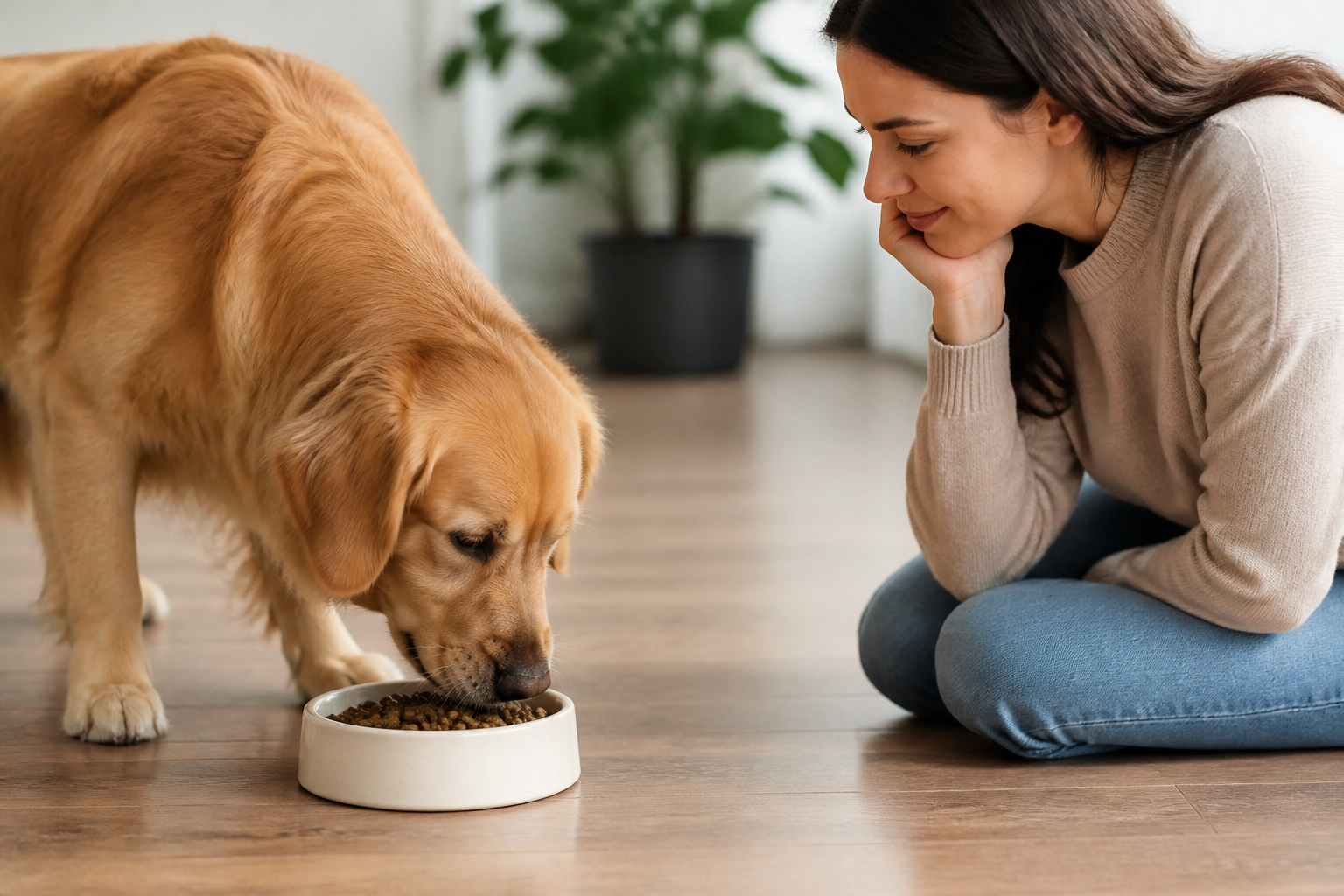
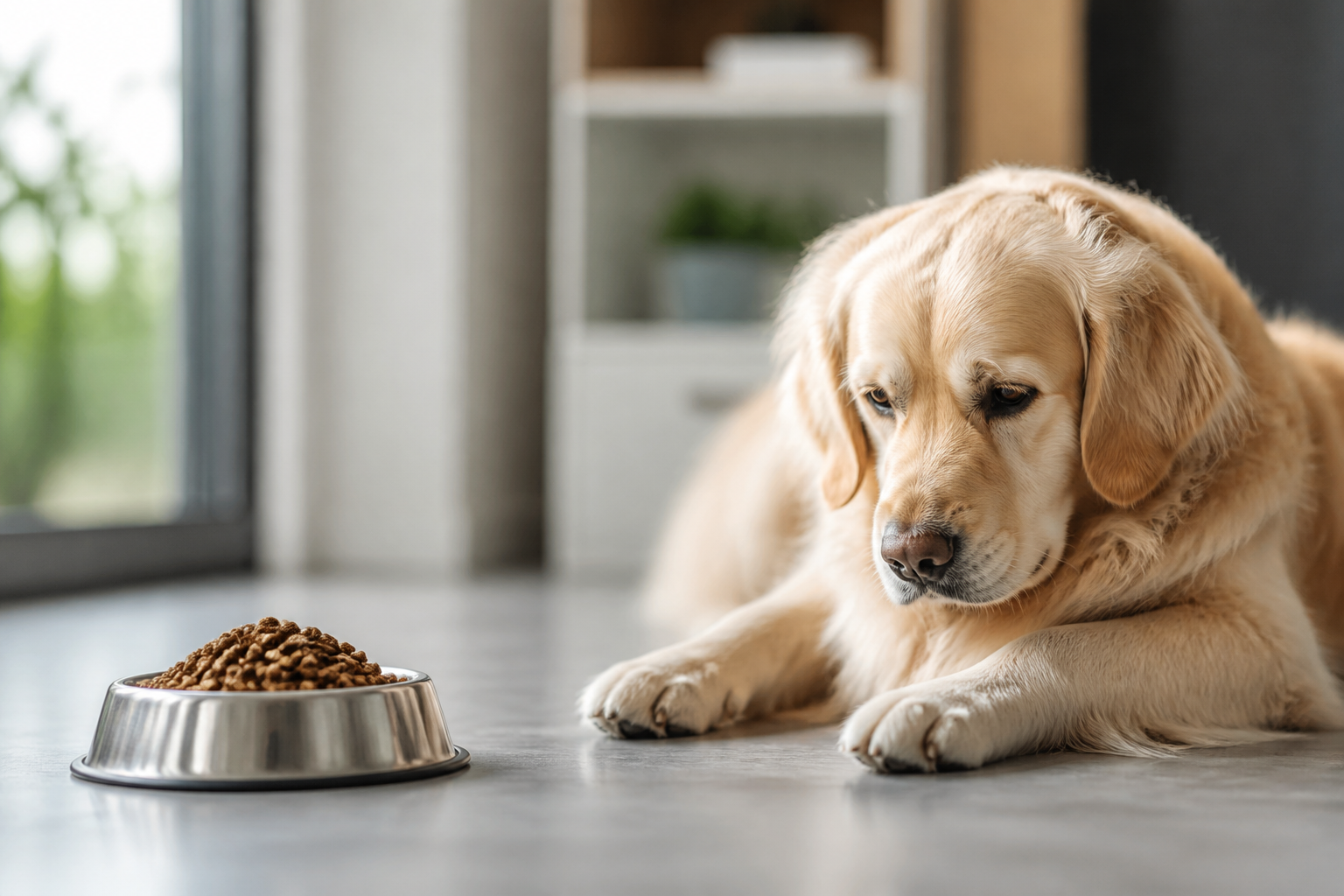
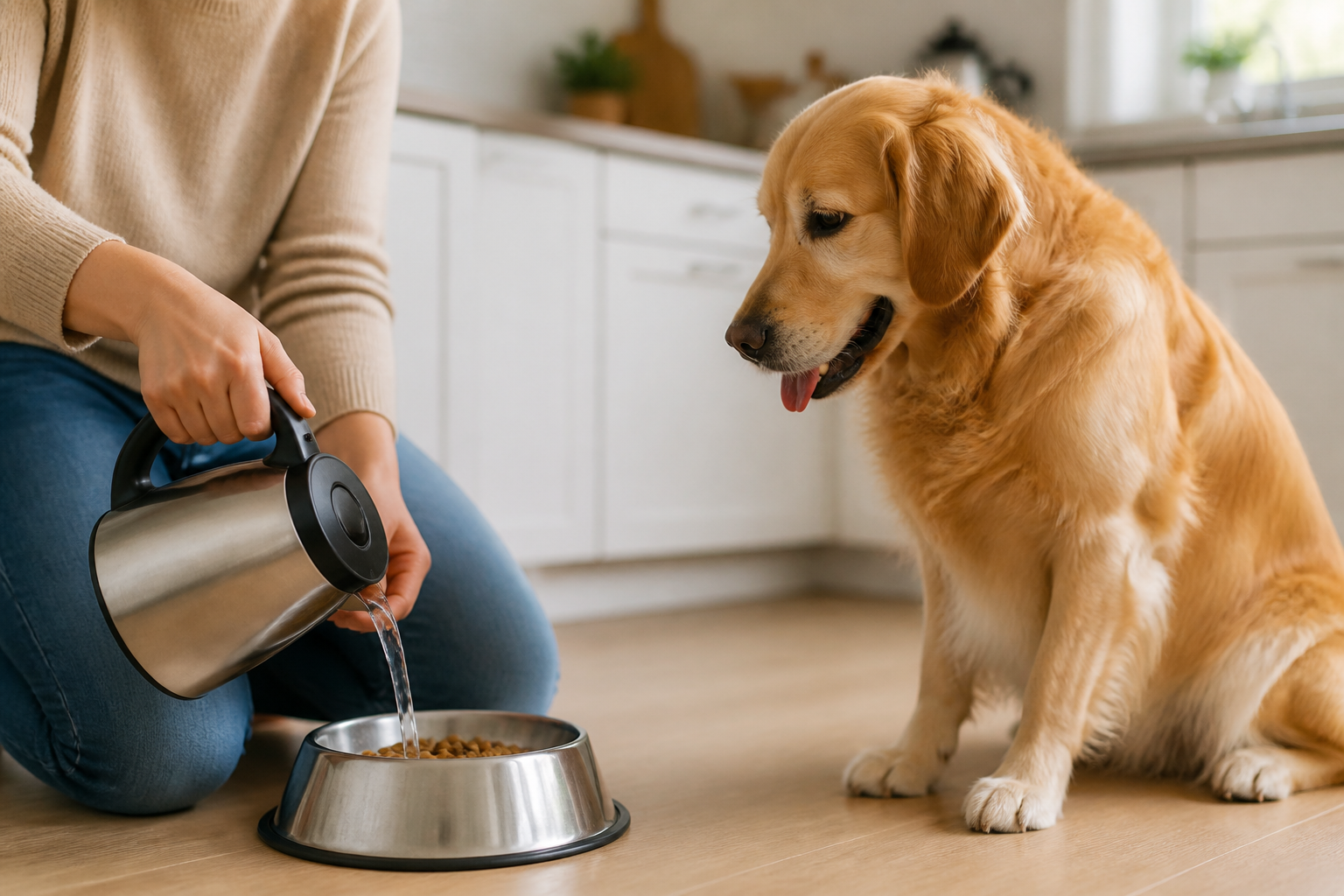
You place the bowl down and hear the familiar clatter of kibble, but your dog barely sniffs it before walking away. This moment is frustrating for any pet owner, especially when you know the food is high quality and nutritious. Many owners find themselves wondering if a little warmth might make the meal more appealing. At BaxterBoo, we see this often with picky eaters, senior dogs, or puppies transitioning to solid food. Heating up dry dog food is a simple way to enhance the aroma and soften the texture of a daily meal. This guide will cover the safest methods for warming kibble, the benefits of adding heat, and how to preserve essential nutrients during the process. We want to help you turn a skipped meal into an empty bowl.
Quick Answer: Yes, you can heat up dry dog food safely. The best method is adding warm water or low-sodium broth to the kibble, which releases aromas and creates a softer texture that is easier to digest.
Why Temperature Matters to Your Dog
Dogs experience the world primarily through their noses. While humans have about six million olfactory receptors, dogs have up to 300 million. This means that the smell of a meal is often more important than the taste. When dry dog food sits at room temperature, the fats and oils are relatively stable and do not give off a strong scent. Applying a small amount of heat causes these fats to reach a melting point. This releases volatile organic compounds that carry the scent of the meat and grains directly to your dog's nose.
Texture is the second most important factor. For a healthy adult dog, the crunch of dry kibble is fine. However, many dogs develop preferences or physical needs that make hard food difficult to manage. A warm, softened meal mimics the consistency of fresh food or prey. This can be a significant motivator for a dog that has lost interest in their standard fare. For more ideas, read our guide to what dry dog food is best for picky eaters.
The Gold Standard: The Warm Water Method
Adding warm liquid is the safest and most effective way to heat your dog's food. It provides even heating without the risk of creating dangerous hot spots that can burn a pet's mouth. It also provides a hidden benefit: extra hydration. Many dogs do not drink enough water throughout the day, and moisture-rich meals can support kidney and bladder health. You can compare formulas in our dog food category.
Step 1: Measure the standard portion.
Use your usual measuring cup to ensure your dog receives the correct caloric intake. Overfeeding is a common issue when we try to make meals more exciting, so stick to the recommended amount for your dog's weight.
Step 2: Prepare the liquid.
You can use plain water or a dog-safe broth. If you use broth, ensure it contains no onions, garlic, or excessive salt. The liquid should be warm to the touch but never boiling. Boiling water can destroy vitamins and may cause the kibble to become unpleasantly gummy.
Step 3: Combine and soak.
Pour about one-quarter cup of warm liquid for every cup of dry food. Let the mixture sit for five to ten minutes. You will notice the kibble expanding as it absorbs the moisture.
Step 4: Stir and serve.
Mix the food thoroughly to distribute the moisture. Before you give it to your dog, test the temperature with your finger. It should feel pleasantly warm, similar to a baby bottle.
Vet Tip: If your dog is on a prescription diet for weight management or kidney issues, talk to your veterinarian before adding broth. They may recommend sticking to warm water to avoid adding extra sodium or minerals that could interfere with the therapeutic goals of the food.
Using a Microwave Safely
Many pet owners reach for the microwave because it is fast. While you can use a microwave to warm dog food, it requires more care than the water method. Microwaves heat unevenly by vibrating water molecules within the food. This often results in a bowl that feels cool on the surface but contains pockets of steaming hot oil or fat at the bottom.
If you choose to microwave kibble, always add a small amount of water first. This helps the heat distribute more naturally through steam. Only heat the food for ten to fifteen seconds at a time. After heating, you must stir the food vigorously. This breaks up any hot spots and ensures the temperature is consistent throughout the bowl.
Another concern with the microwave is the bowl itself. Many plastic bowls are not rated for microwave use and can leach chemicals into the food when heated. We recommend transferring the food to a ceramic or glass dish for warming before moving it back to your dog's regular feeding station.
Benefits for Senior Dogs and Dental Health
As dogs age, they often face a decline in their physical senses. A senior dog might not smell their food as well as they used to, leading to a decreased appetite. Warming the food "re-activates" the scent, making the meal much more enticing. For additional senior nutrition guidance, see our guide to choosing dog food for senior pets.
Dental health is another major factor for older pets. Many seniors deal with periodontal disease, missing teeth, or sensitive gums. Crunching down on hard kibble can be painful for them. By soaking the food in warm water, you create a soft mash that requires very little chewing. This allows them to continue eating the high-quality dry food they are familiar with without the physical discomfort.
Key Takeaway: Softening kibble with warm water is a practical solution for senior dogs with dental pain, as it allows them to maintain their caloric intake without the need for painful chewing.
Transitioning Puppies to Solid Food
Puppies have small, developing teeth and sensitive stomachs. Moving from their mother's milk or a wet puppy formula to hard dry food is a big step. Many breeders and trainers recommend a "kibble porridge" for this transition.
By adding warm water to a high-quality puppy food, like those offered by NutriSource or Royal Canin, you create a familiar texture. The warmth reminds the puppy of their mother's milk, which can reduce the stress of weaning. As the puppy grows and their adult teeth begin to emerge, you can gradually reduce the amount of water and the soaking time until they are comfortable eating dry kibble. Our puppy food and supplies can help you prepare for this stage.
Preserving Nutritional Integrity
One of the main reasons pet owners worry about heating food is the fear of "killing" the nutrients. Most modern dog foods are cooked at high temperatures during the extrusion process, so they are relatively heat-stable. However, some specific additives are more sensitive than others.
Water-soluble vitamins, such as Vitamin B-complex and Vitamin C, can degrade if exposed to high heat for too long. This is why we advise against using boiling water or long microwave cycles. Keeping the temperature around 100 to 105 degrees Fahrenheit is the sweet spot. This temperature is high enough to release aromas but low enough to keep the vitamins intact.
Probiotics are another consideration. Many premium brands, such as Stella and Chewy's or Open Farm, add probiotics to the outside of the kibble after the cooking process. These beneficial bacteria are living organisms that support gut health. They are very sensitive to heat. If your dog's food is specifically marketed for its probiotic content, it is best to use only lukewarm water to avoid neutralizing these health benefits.
When Heating Becomes a Medical Necessity
There are times when warming food is more than just a preference. If your dog is recovering from surgery or a long illness, their appetite may be suppressed. Veterinarians often suggest warming food to encourage a convalescing dog to eat. A dog that is not eating will not have the energy required for the healing process.
For dogs with chronic conditions like kidney disease or severe allergies, they may be required to eat specific prescription diets. Our pet pharmacy for dogs carries a wide range of FDA-approved prescription pet foods through our partnership with Pet's Choice. Sometimes these therapeutic diets are less palatable than standard retail food. If your dog is struggling to adjust to a new prescription diet, warming the food can be the key to a successful transition.
Vet Tip: Always consult your veterinarian if your dog suddenly stops eating or shows a persistent lack of interest in food. While warming the meal can help a picky eater, a total loss of appetite can be a sign of an underlying health issue that requires a professional diagnosis.
Managing the Routine with Autoship
Consistency is vital for a dog's digestive health. If you find that your dog prefers their food warmed, try to make it a part of every meal. Sudden changes in how food is served can sometimes cause digestive upset or make a dog even more selective.
Because warming the food involves an extra step, it helps to have your food supply managed automatically. We offer an Autoship program that ensures you never run out of your dog's favorite brands, like Acana, Orijen, or Farmina. This program provides savings on your first order and a free MVP Gold membership. Having your food delivered on a regular schedule means you can focus on the feeding ritual rather than worrying about a trip to the store.
Selecting the Right Liquid for Warming
While water is the most common choice, other liquids can add nutritional value and flavor. Dog-specific bone broths are a popular option. These are formulated without the high sodium levels found in human grocery store broths. Our dog food toppers and supplements include options for adding flavor to meals.
- Bone Broth: High in collagen and amino acids, it supports joint health and gut integrity.
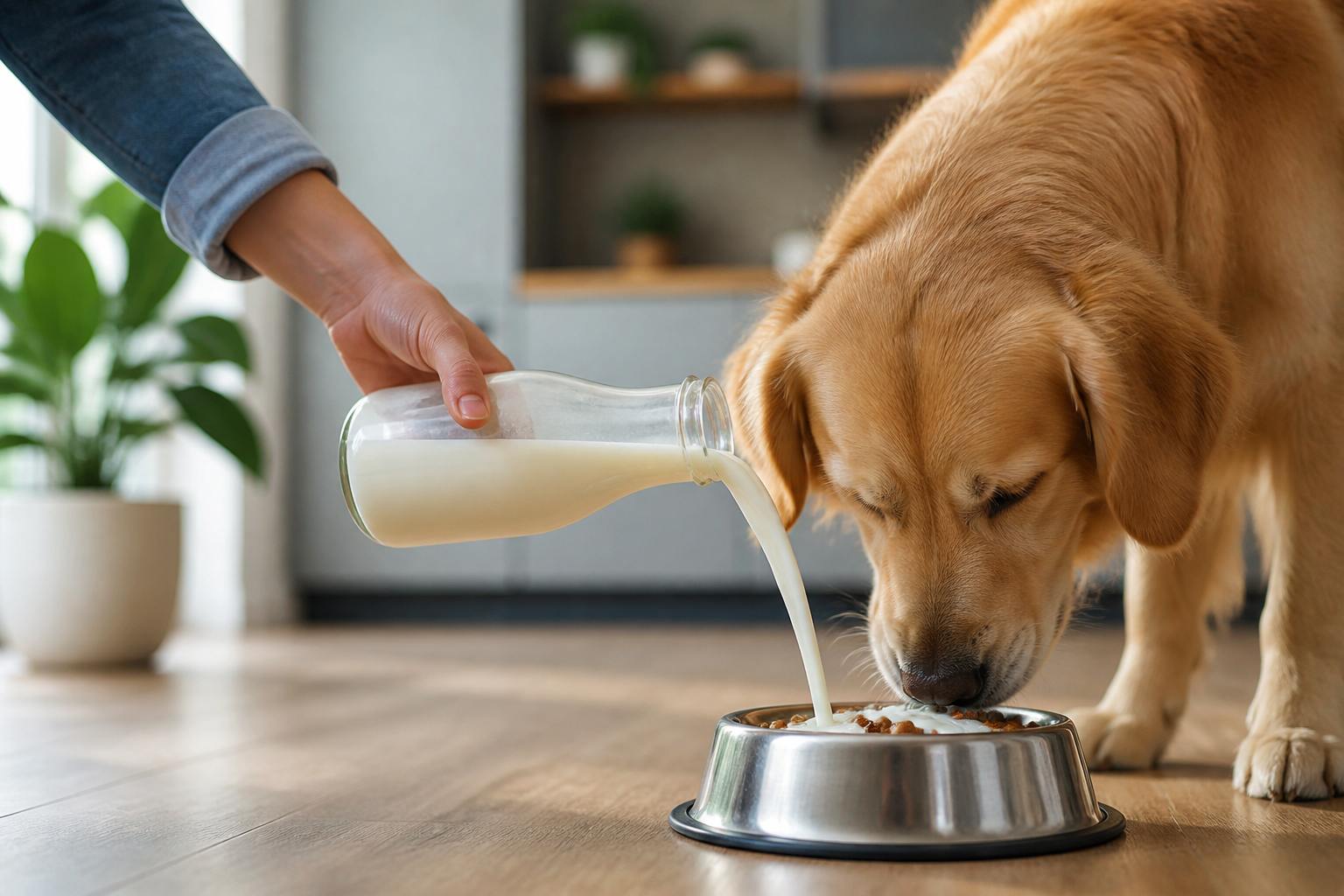
- Goat Milk: Some owners use warm goat milk to add calories and probiotics to a puppy's meal.
- Low-Sodium Chicken Broth: Ensure there is no onion or garlic listed in the ingredients.
If you are using supplements for joint support or skin health, like Cosequin or Zesty Paws, you can often mix them directly into the warmed "gravy" created by the water and kibble. This ensures the dog consumes the entire supplement rather than leaving a pill at the bottom of the bowl.
Common Mistakes to Avoid
While heating food is simple, there are a few pitfalls to watch out for. The most common mistake is leaving the moistened food out for too long. Dry kibble is shelf-stable because it has very low moisture content. Once you add water or broth, you have essentially created wet food.
Wet food sitting at room temperature is a breeding ground for bacteria. If your dog does not finish their warmed meal within 30 minutes, you should pick it up and discard the leftovers. Never try to save moistened kibble for the next day, as it can sour and cause stomach upset.
Another mistake is over-soaking the food until it becomes a paste. Unless you are feeding a dog with severe dental issues, most pets still enjoy a bit of texture. Aim for a "tender-crisp" consistency where the outside is soft but the center still has a slight bite.
- Checklist for Safe Warming:
- Test the liquid temperature on your wrist before adding it to the bowl.
- Use only microwave-safe glass or ceramic for heating.
- Discard any uneaten moistened food after 30 minutes.
- Avoid boiling water to preserve vitamins and probiotics.
- Stir thoroughly to eliminate hot spots if using a microwave.
The Role of Quality Storage
The effectiveness of warming your dog's food starts with how the food is stored. If the kibble is stale or the fats have oxidized, no amount of heat will make it smell good to your dog. In fact, heating up rancid fat will only make the unpleasant smell stronger.
Keep your dog food in a cool, dry place. Many owners prefer to keep the food in its original bag and then place that bag inside a sealed container. This provides a double barrier against air and light. High-quality brands use specialized packaging to keep the food fresh until it is opened. By maintaining that freshness, you ensure that the natural aromas are ready to be released when you add that warm water at mealtime. For more meal-handling guidance, read how to wet dry dog food for better digestion and hydration.
Conclusion
Heating up dry dog food is a practical and easy way to improve your pet's mealtime experience. Whether you are helping a senior dog manage dental pain, encouraging a puppy to eat solids, or simply trying to entice a picky eater, a little warmth goes a long way. By using the warm water method, you can safely enhance the flavor and aroma of the meal while providing much-needed hydration.
At BaxterBoo, we carry over 500 trusted brands to ensure you have the best selection for your dog's specific needs. From premium kibble to the supplements that keep them moving, we are here to support every stage of your pet's life. If you are looking for ways to simplify your routine, consider signing up for the MVP Rewards program to earn back on every purchase. Taking that extra minute to warm your dog's bowl is a small gesture that shows how much you care about their comfort and happiness.
Bottom line: Warming dry dog food with water or broth is a safe, effective way to boost appetite and support hydration in dogs of all ages.
FAQ
Does heating up dog food destroy the vitamins?
Extreme heat, such as boiling water or long microwave cycles, can cause some water-soluble vitamins like Vitamin B to degrade. However, using warm water (around 100 degrees Fahrenheit) is safe and will keep the nutritional profile of the food intact. Always avoid boiling the food or the liquid you add to it.
Can I add boiling water to my dog's kibble?
You should not use boiling water because it can cause severe burns to your dog's mouth and throat if not cooled properly. Boiling water can also change the texture of the food into an unappealing gummy paste and destroy sensitive probiotics. Stick to water that is warm to the touch, similar to the temperature of a warm bath.
Why does my dog only eat their food when it is warm?
Warming the food releases the fats and oils, which makes the meal smell much stronger and more appealing to a dog's powerful nose. This is especially common in picky eaters or senior dogs whose sense of smell may be fading. The warmer temperature and softer texture often feel more like "real" food compared to cold, hard kibble.
How long can I leave warmed dog food in the bowl?
Once you add water or broth to dry kibble, it becomes a perishable item similar to canned food. You should discard any uneaten portion after about 30 minutes to prevent the growth of bacteria or mold. Never leave moistened food out all day, as it can quickly spoil and make your pet sick.