
 Save 15% on your 1st Autoship learn more

 Email us
 Live Chat
 FAQs
FAQs





Introduction
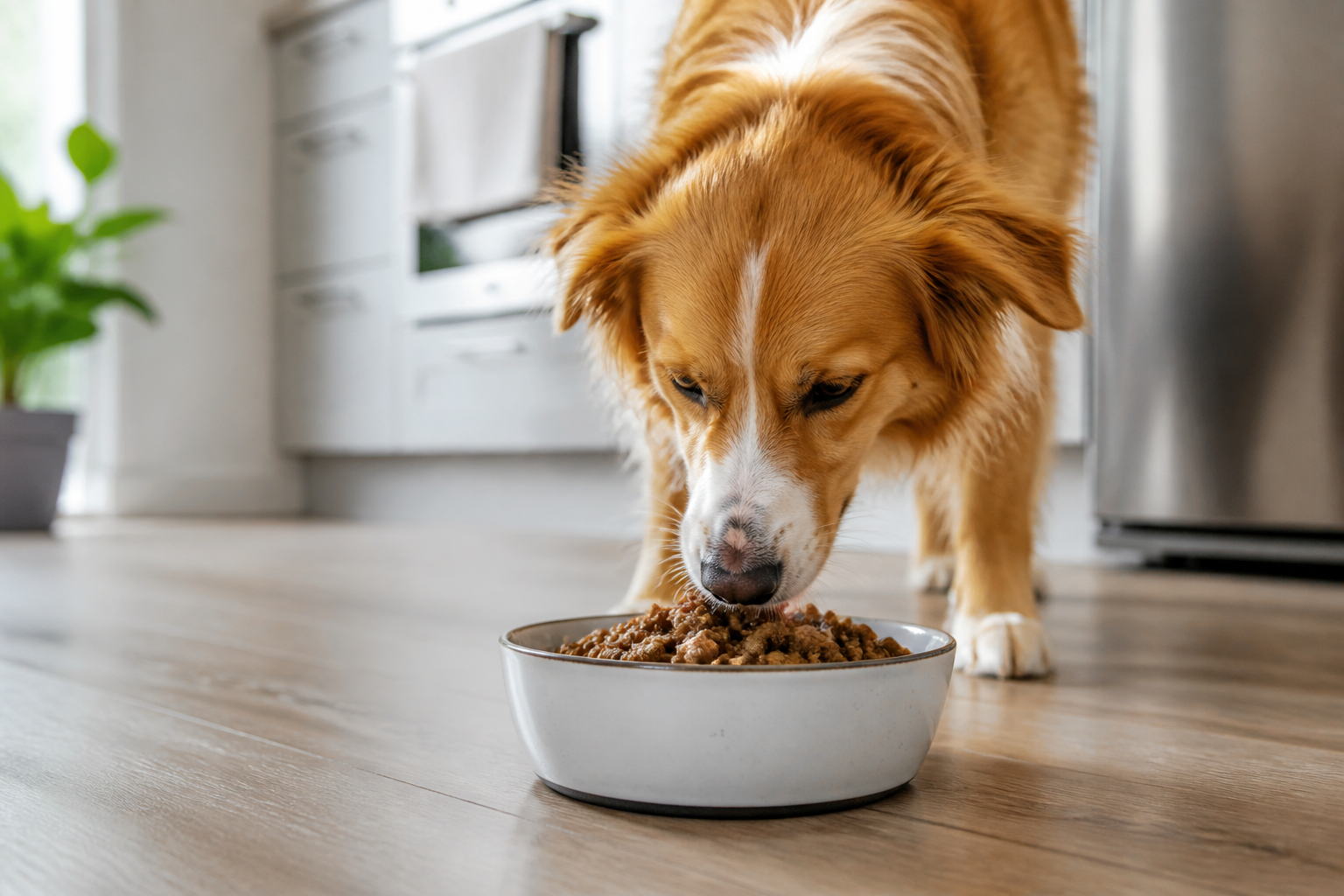
You stand in the kitchen while your dog watches you with a look that says they are bored with their bowl. They might sniff at the dry kibble, let out a sigh, and walk away. This is a common moment for many pet owners who want to make mealtime more exciting without breaking the budget or sacrificing nutrition. At BaxterBoo, we hear from many people in this exact situation. They want to know if they can safely combine textures to keep their dogs happy. This post covers the safety, benefits, and practical steps of mixing wet and dry food to ensure your dog gets a balanced meal every time. Mixing these two types of food is a great way to improve hydration and taste while keeping your dog at a healthy weight.
Is It Safe to Mix Wet and Dry Food?
The short answer is yes. It is perfectly safe to mix wet and dry dog food together. In fact, most dogs actually prefer a combination of textures and aromas rather than a single type of food. The key is to ensure that both the dry kibble and the wet canned food are high quality and labeled as complete and balanced.
Quick Answer: Yes, you can safely mix wet and dry dog food as long as both products are labeled as complete and balanced for your dog's life stage. This approach helps improve hydration and taste while maintaining proper nutrition.
When you mix these foods, you are combining two different formats of nutrition. Dry food is calorie dense and provides a crunch that some dogs enjoy. Wet food contains much more moisture and typically has a stronger smell that appeals to a dog's natural instincts. As long as you are mindful of the total calories your dog needs in a day, mixing is an excellent feeding strategy.
We always recommend checking for the AAFCO (Association of American Feed Control Officials) statement on the packaging. This statement confirms that the food contains all the essential vitamins, minerals, and proteins your dog needs to thrive. If you are mixing two different brands, just make sure both meet these standards.
The Major Benefits of Mixed Feeding
Many pet owners choose to mix food because of the clear advantages it offers. It is not just about making the meal taste better. There are several functional health benefits to this feeding style that can help your dog live a longer, healthier life.
Improved Hydration
Many dogs do not drink enough water on their own. This is especially true for active dogs or those living in warmer climates. Dry dog food usually only contains about 10 percent moisture. In contrast, wet dog food is often 75 to 80 percent water. By adding a scoop of wet food or a savory topper to the bowl, you are naturally increasing your dog's daily fluid intake. This supports kidney function and helps keep the urinary tract healthy.
Better Palatability for Picky Eaters
If your dog has started to lose interest in their meals, the strong aroma of wet food can be a great motivator. Dogs have a much more powerful sense of smell than humans. The rich, meaty scent of a high quality canned food like Stella and Chewy's or Open Farm can entice even the most stubborn eaters. This is particularly helpful for dogs that are recovering from an illness or those that have a decreased appetite due to stress. For additional ideas, read our guide to helping picky eaters enjoy dry dog food.
Cost Effective Nutrition
Feeding a large dog a diet of 100 percent wet food can get very expensive very quickly. Mixing allows you to provide the premium ingredients and high moisture of wet food while using dry kibble as the main calorie source. This balance lets you provide a high quality diet without overspending. It is a practical way to give your dog the best of both worlds. Browse our dog food category to compare food options.
Dental Health and Texture Variety
While the idea that dry kibble completely cleans teeth is a bit of a myth, the mechanical action of chewing crunchy food can help reduce some tartar buildup. By keeping dry food in the mix, your dog still gets that "crunch appeal." Adding wet food provides a softer texture that is easier on the gums. This variety keeps your dog engaged with their food and provides different sensory experiences at every meal. You can support a broader dental-care routine with our dog grooming supplies.
Key Takeaway: Mixing wet and dry food provides a balance of hydration, taste, and cost savings. It is an ideal solution for picky eaters who need more moisture in their diet.
How to Calculate the Right Portions
One of the biggest mistakes pet owners make is simply adding wet food on top of a full serving of dry food. This can quickly lead to weight gain. Every calorie counts, whether it comes from a can, a bag, or a treat.
Understanding Calorie Counts
You must look at the caloric density of both foods. Dry food is usually much more concentrated than wet food. For example, a cup of dry kibble might have 400 calories, while a full can of wet food might have 350 calories. If you want to replace half of the dry food with wet food, you cannot just do it by volume. You have to do it by calories.
Step 1: Determine your dog's total daily calorie needs. / Talk to your veterinarian to find out exactly how many calories your dog should eat based on their age, weight, and activity level.
Step 2: Check the labels on both foods. / Find the "kcal/kg" or "kcal/cup" and "kcal/can" information on the packaging of your dry and wet food.
Step 3: Decide on your ratio. / A common starting point is 75 percent dry and 25 percent wet.
Step 4: Measure accurately. / Use a standard measuring cup for the dry food and a kitchen scale or the markings on the can for the wet food.
The 75/25 Rule
For many owners, a 75 percent dry and 25 percent wet ratio is the perfect balance. This keeps the meal mostly crunchy while providing enough "gravy" to coat the kibble and add flavor. If your dog needs to lose weight, you might increase the wet food portion because the high water content helps them feel full with fewer calories. If they need to gain weight, you might stick to a higher percentage of dry food which is more calorie dense.
Vet Tip: If your dog is struggling with their weight, ask your vet for a body condition score assessment. They can help you calculate the exact ratio of wet to dry food needed to reach an ideal weight. Our pharmacy also carries prescription weight management diets through our partnership with Pet's Choice if your vet recommends a specific medical formula.
Mixed Feeding for Different Life Stages
A dog's nutritional requirements change as they age. What works for a bouncy puppy will not be the best choice for a senior dog who spends most of their day napping on the porch.
Puppies and Growth
Puppies need a lot of energy to fuel their rapid growth. They have small stomachs but high calorie needs. Mixing wet and dry food can help them get enough nutrition without feeling overly stuffed. However, you must ensure both foods are specifically formulated for puppies. Puppy food contains higher levels of protein and minerals like calcium and phosphorus that are essential for bone development. Never mix an adult wet food with a puppy dry food, as this can unbalance their nutrition during a critical growth phase.
Seniors and Appetite Loss
As dogs age, their senses of taste and smell can begin to fade. This often leads to a decreased interest in food. Senior dogs may also suffer from dental issues or missing teeth, making hard kibble difficult to chew. Adding wet food to their diet can make the meal smell better and soften the kibble, making it easier to eat. Many senior dogs also benefit from the extra hydration provided by wet food to support their aging kidneys.
Adult Maintenance
For healthy adult dogs, mixing food is mostly about variety and enjoyment. If your dog is at an ideal weight and has no health issues, you have more flexibility in the brands and flavors you choose. Brands like Acana, Orijen, and NutriSource offer great options for both wet and dry formats that are designed to work well together. For another perspective, read our guide to choosing between wet and dry dog food.
Bottom line: Always match the life stage of both the wet and dry food to ensure your dog is getting the specific nutrients they need for their age.
Managing Health Conditions with Mixed Diets
If your dog has a chronic health condition, you must be much more careful about mixing foods. Many dogs are on therapeutic diets for issues like kidney disease, skin allergies, or urinary crystals.
If your vet has prescribed a specific diet, such as Farmina Vet Life or a prescription brand available through our dog pharmacy, you should only mix it with the canned version of that exact same prescription line. Mixing a prescription dry food with a standard "over the counter" wet food can dilute the active ingredients in the medical diet. This could make the treatment less effective or even cause a flare up of the condition.
For dogs with joint stiffness, you might choose to mix a high quality dry food with a wet food that includes added supplements. Many owners find success using brands like Zesty Paws or Cosequin alongside a mixed diet to support mobility. However, the diet itself is the foundation of their health.
Vet Tip: Always consult your veterinarian before mixing any foods if your dog is on a prescription diet or has a chronic health condition. Our pharmacy carries a wide range of FDA approved medications and prescription foods through Pet's Choice to help manage these ongoing needs safely.
Safety and Storage Tips
Mixing wet food into dry food introduces some logistical challenges that you do not have with a dry only diet. Wet food is highly perishable and requires careful handling to keep your pet safe.
- Follow the 30 Minute Rule: Once you mix wet food into the bowl, the clock starts ticking. Do not leave the food sitting out for more than 30 minutes. Bacteria can grow quickly in the moist environment, especially in warm weather.
- Refrigerate Open Cans: An open can of wet food should be covered with a tight fitting lid and stored in the refrigerator. Most canned foods stay fresh for 24 to 48 hours after opening. If you have not used it by then, it is best to throw it away.
- Clean the Bowl Daily: Wet food leaves behind a sticky residue that can harbor bacteria and mold. It is vital to wash your dog's bowl with hot, soapy water after every mixed meal. Stainless steel or ceramic bowls are usually easier to keep clean than plastic ones.
- Watch for Spoilage: If the wet food smells "off," has changed color, or the can is bulged or dented, do not feed it to your dog. It is not worth the risk of food poisoning.
At BaxterBoo, we recommend using a dedicated silicone can cover to keep your wet food fresh in the fridge. This prevents the food from drying out and stops odors from spreading to your own food.
How to Transition Your Dog to Mixed Meals
If your dog has only ever eaten dry food, their digestive system needs time to adjust to the richness of wet food. A sudden change can lead to an upset stomach or diarrhea. A slow transition is the best way to ensure success. For more guidance, see our dog food transition guide.
Step 1: Start very small. / For the first two days, add just a tablespoon of wet food to their regular portion of dry food.
Step 2: Monitor their reaction. / Watch for any signs of gas, loose stools, or lethargy. If they seem fine, you can move to the next step.
Step 3: Gradually adjust the ratio. / Over the next five to seven days, slowly increase the amount of wet food while decreasing the amount of dry food to reach your target ratio.
Step 4: Maintain consistency. / Once you have found a combination that works, try to stick with it. Constant changes in protein sources or brands can lead to digestive sensitivity for some dogs.
If your dog has a sensitive stomach, look for wet foods with limited ingredients or those designed for digestive support, such as options from PureVita or Koha. You can also explore our freeze-dried food hub for another food format that can be rehydrated.
Conclusion
Mixing dry and wet dog food is a practical and rewarding way to feed your pet. It provides the essential hydration and flavor they crave while maintaining the budget friendly benefits of kibble. Whether you are trying to help a picky senior dog find their appetite or just want to give your puppy a bit of variety, this method works for almost every household. Remember to calculate your calories carefully and keep your storage practices safe. At BaxterBoo, we are committed to helping you find the best combinations for your dog's unique needs. You can explore our wide selection of over 500 brands to find the perfect match for your pup's bowl.
Bottom line: Start slow, count the calories, and enjoy watching your dog get excited about mealtime again.
FAQ
Can I mix two different brands of wet and dry dog food?
Yes, you can mix different brands as long as both are high quality and labeled as complete and balanced. Many owners mix a premium kibble with a different brand of wet topper to provide variety. Just be sure to monitor your dog for any signs of digestive upset when introducing a new brand into the mix.
Should I add water to my dog's dry food if I don't have wet food?
Adding a small amount of warm water or low sodium broth to dry kibble is a great way to improve hydration and aroma if you are out of wet food. It creates a simple "gravy" that can make the meal more appealing. This is also a helpful trick for dogs with minor dental pain who find hard kibble difficult to crunch. For more ideas, read our guide to mixing dry dog food with water.
Is mixing food bad for my dog's teeth?
No, mixing food is not inherently bad for dental health. While dry food provides some mechanical scraping, it is not a substitute for regular brushing or professional veterinary cleanings. As long as you maintain a good oral hygiene routine and provide dental chews, adding wet food to the bowl will not cause significant dental issues.
How do I know if I am overfeeding my dog when mixing?
The best way to tell if you are overfeeding is to monitor your dog's weight and body shape. You should be able to feel their ribs easily but not see them prominently. If your dog begins to lose their "waist" when viewed from above, you likely need to reduce the total calories by adjusting your measurements of both the wet and dry food.






