Save 15% on your 1st Autoship learn more

 Email us
 Live Chat
 FAQs
FAQs





Introduction
You watch your dog finish their dinner in approximately six seconds. Before you can even put the bag away, they are already looking for the next thing to do, often eyeing your shoes or the corner of the rug. This is the moment many pet owners realize that physical exercise is only half the battle. Mental enrichment is just as important for a calm, happy household. One of the most effective ways to engage a dog's brain is through scent work. At BaxterBoo, we see how much pet owners value tools that turn mealtime into a game. A homemade snuffle mat is a fantastic solution for this need. This post will guide you through selecting the right rubber mat with holes for snuffle mat projects and how to build a durable enrichment toy. A solid rubber base ensures your hard work stays in place while your pet explores.
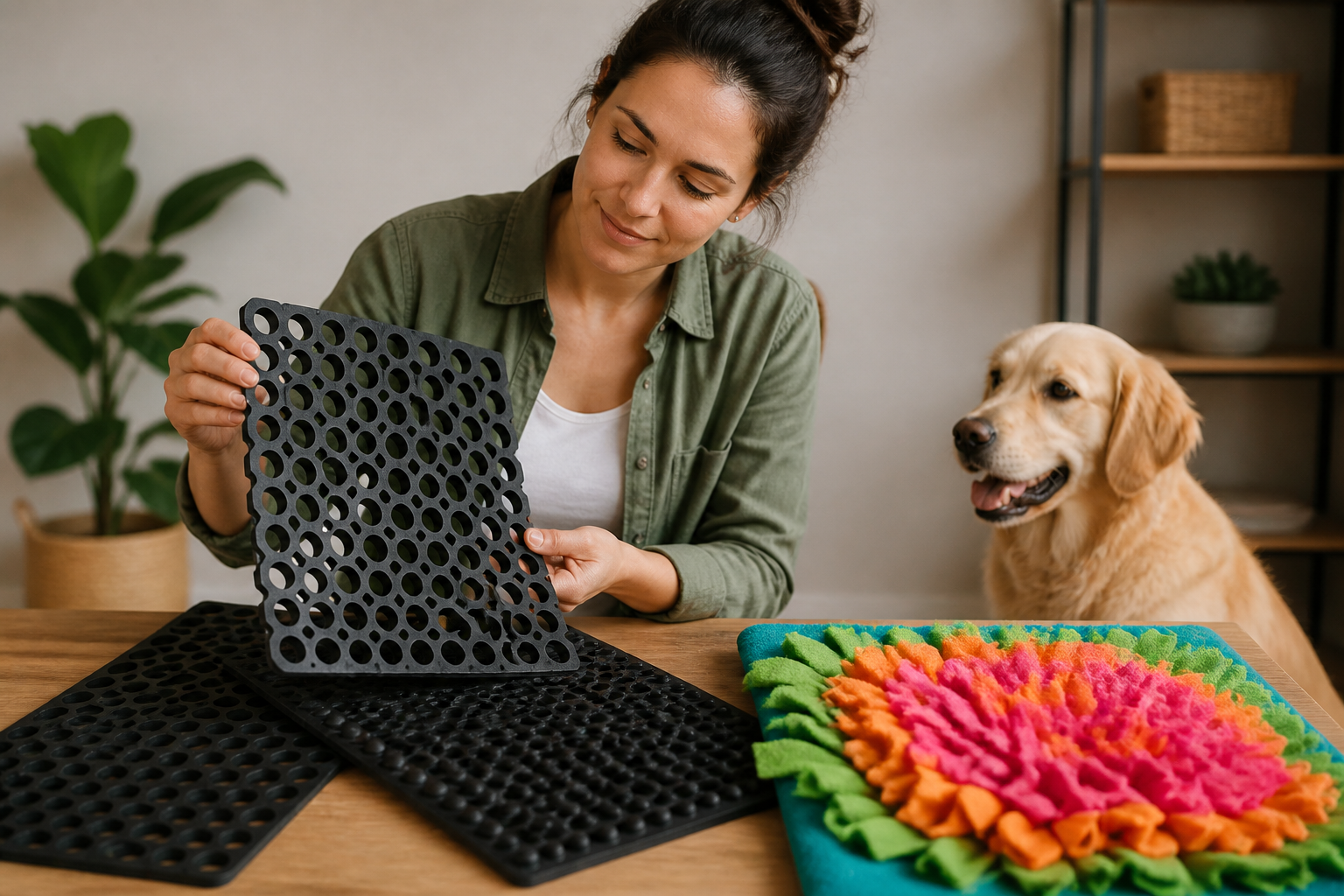
Quick Answer: A rubber mat with holes serves as the sturdy base for a snuffle mat, which is an enrichment toy made by tying fabric strips through the holes. Heavy-duty anti-fatigue mats or rubber sink mats are the most popular choices because they provide weight and stability during vigorous sniffing.
The Purpose of the Snuffle Mat
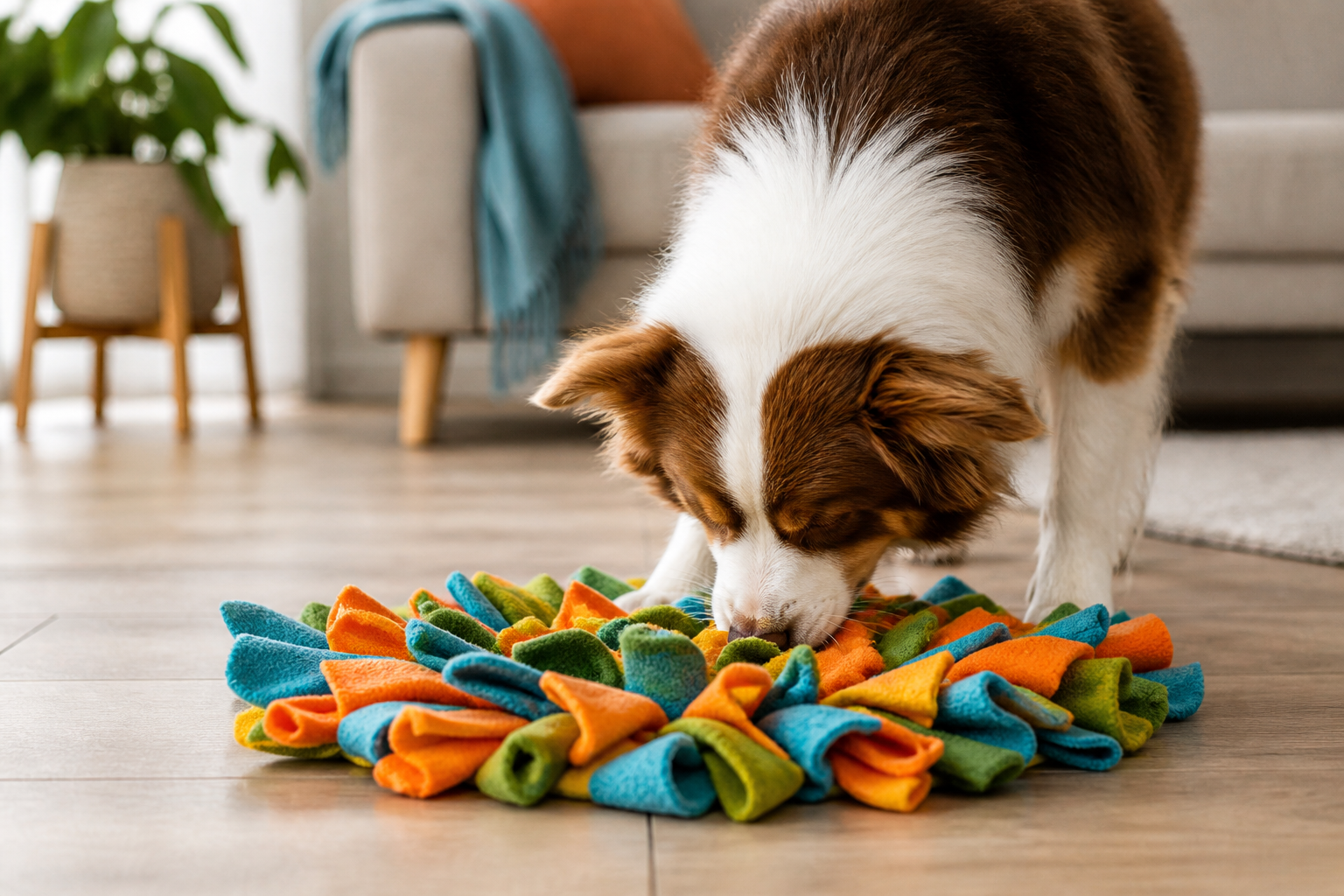
A snuffle mat is more than just a piece of floor decor. It is a tool designed to mimic the natural foraging behaviors dogs and cats would use in the wild. When a pet uses their nose to find hidden treats or kibble among fabric strips, they are performing "nose work." This activity is incredibly taxing on their brain. Experts often say that fifteen minutes of sniffing is equivalent to an hour-long walk in terms of mental fatigue.
Using a snuffle mat can help with several behavioral issues. For dogs that eat too fast, it acts as a slow feeder. For anxious dogs, the repetitive action of sniffing and searching can be very grounding and calming. It is also an excellent option for senior pets or those recovering from surgery who cannot go on long walks but still need a way to burn off energy. For more ideas, explore these indoor enrichment activities for pets.
Why the Base Material Matters
When you start looking for a rubber mat with holes for snuffle mat DIY, you might be tempted to grab the first thing you see. However, the base is the most critical component for longevity. A flimsy base will slide across the hardwood or tile, frustrating your pet and potentially leading them to pick the mat up and shake it rather than sniffing through it.
Rubber Sink Mats
These are the most common entry-level options. They are usually made of soft, flexible rubber or plastic and are designed to sit in the bottom of a kitchen sink. They are easy to cut to size, which makes them great for small dogs or cats. However, because they are lightweight, they may not stand up to a larger dog who likes to dig or paw at their toys.
Heavy-Duty Anti-Fatigue Mats
If you have a larger breed or a very determined sniffer, an industrial anti-fatigue mat is a better choice. These are the thick, heavy mats often found in commercial kitchens or workshops. They provide significant weight, which keeps the snuffle mat planted firmly on the floor. These mats often have larger holes, which can make the tying process faster, though you may need thicker fleece strips to fill the space.
Safety and Material Quality
It is important to consider the material of the mat. Look for natural rubber or food-grade silicone when possible. Since your pet will be sniffing deeply and possibly putting their mouth near the mat, you want to avoid materials with strong chemical odors or those that contain high levels of phthalates. At BaxterBoo, we prioritize products that are safe for everyday use, and that same logic should apply to your DIY materials.
Key Takeaway: The weight and stability of the rubber base determine how your dog interacts with the mat. A heavier mat encourages sniffing, while a light mat often encourages "cheating" by flipping or dragging.
Benefits of Scent Work for Pets
The biological drive to sniff is powerful. A dog's sense of smell is anywhere from 10,000 to 100,000 times more acute than ours. When they engage in scent work, they are using a large portion of their brain dedicated to processing odors. This provides a level of satisfaction that simple physical play cannot always reach. You can also compare a snuffle mat with other options in this guide to dog boredom busters and puzzle activities.
Lowering Stress Levels
Sniffing has been shown to lower a dog's heart rate. This is why many trainers recommend using a snuffle mat in high-stress situations, such as when guests arrive or during a thunderstorm. It gives the dog a "job" to focus on, which can redirect their anxiety into a productive and rewarding task.
Slowing Down Fast Eaters
If your dog "scarfs and barfs," a snuffle mat can be a lifesaver. By scattering their kibble into the fleece strips, you force them to find each individual piece. This naturally slows their consumption rate, which can prevent digestive upset and bloating. If your pet is on a specialized diet, you can still use this method. Our pet pharmacy carries prescription options, and many dry foods work perfectly in a snuffle mat.
Vet Tip: If your dog has a history of bloat or severe digestive issues, consult your veterinarian before changing their feeding routine. While snuffle mats are excellent slow feeders, your vet can provide guidance on whether a specific feeding posture or frequency is better for your dog's unique health needs.
How to Make a Snuffle Mat
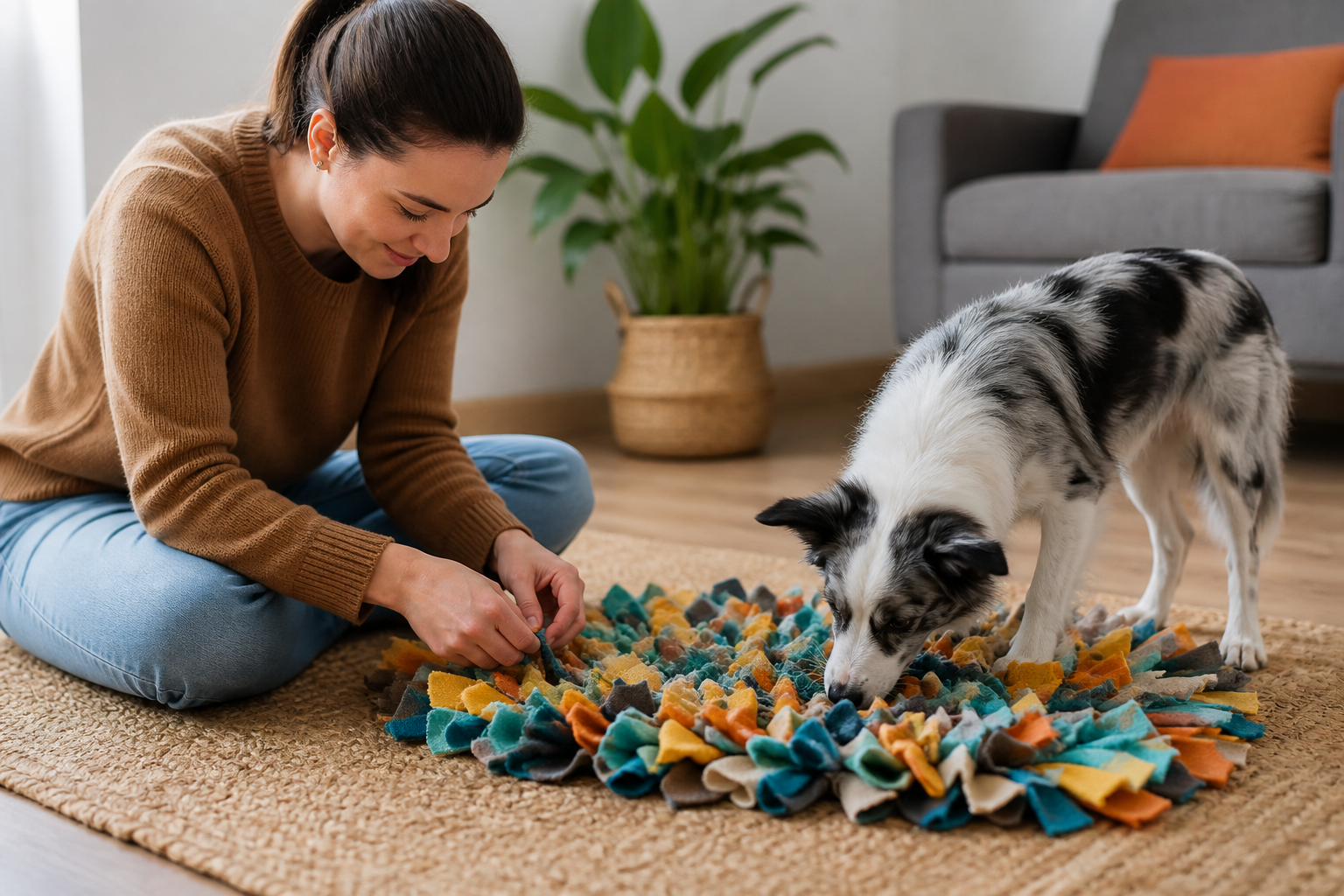
Creating your own mat is a straightforward process that requires only a few materials and a bit of time. It is a great evening project to do while watching a movie. For additional interactive options, browse our dog toys.
Materials Needed
- A rubber mat with holes (sink mat or anti-fatigue mat)
- Approximately 1 to 1.5 yards of anti-pill fleece fabric
- Fabric scissors or a rotary cutter
- A ruler or measuring tape
Fleece is the preferred fabric because it does not fray when cut. This means you do not have to worry about your dog ingesting loose threads or the mat falling apart in the wash.
Step-by-Step Instructions
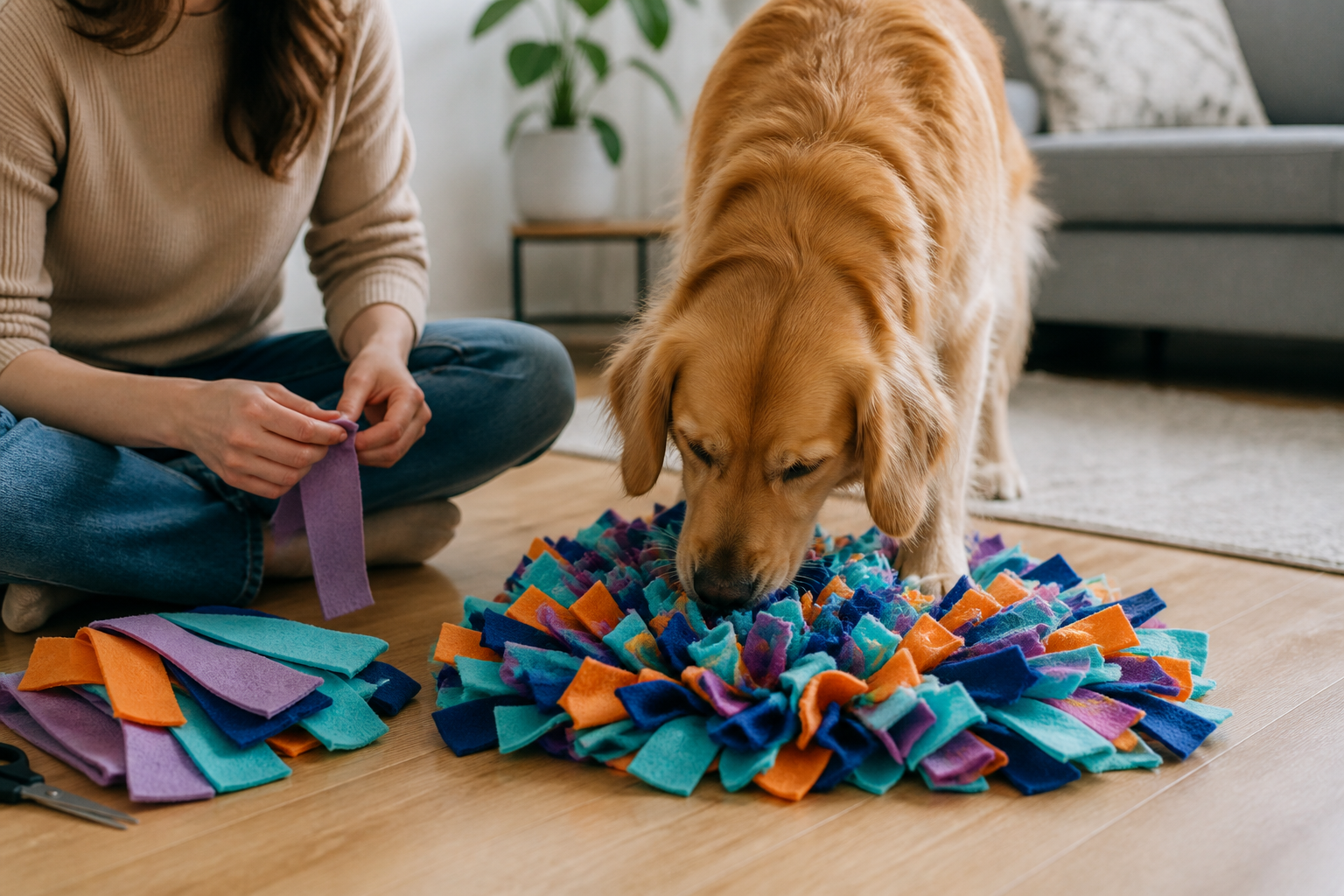
Step 1: Prepare the fleece strips. / Cut your fleece into strips that are about 1 inch wide and 7 to 10 inches long. You will need a lot of them. For a standard sink-sized mat, you may need between 200 and 300 strips to make it truly dense.
Step 2: Start tying. / Take a fleece strip and thread one end through a hole in the rubber mat. Take the other end and thread it through the adjacent hole. Tie the two ends in a simple double knot on the top side of the mat.
Step 3: Fill the rows. / Continue tying strips across the first row until every pair of holes has a strip. Then, go back and tie strips vertically between the rows you just finished. This "cross-tying" method creates a much denser mat that hides treats more effectively.
Step 4: Check for gaps. / Once you think you are done, shake the mat. If you see any large sections of the rubber base peering through, add more strips in those areas. The goal is a lush, grass-like field of fleece.
Bottom line: Density is the secret to a high-quality snuffle mat because it forces the pet to use their nose rather than just their eyes to find the food.
Choosing the Right Treats and Kibble
The effectiveness of your snuffle mat depends heavily on what you hide inside it. You want something that is small enough to fall deep into the fleece but fragrant enough to keep your pet interested. Our dog treats collection offers options for different feeding routines and preferences.
High-Value Treats
For training sessions or times when your dog needs extra distraction, use high-value treats. Brands like Stella and Chewy’s or PureVita offer freeze-dried options that are very aromatic. You can break these into small crumbles and sprinkle them throughout the mat. The scent will linger in the fleece, making the challenge even more engaging.
Daily Kibble
For everyday mental stimulation, you can simply use your dog's regular dry food. This is an excellent way to feed their breakfast or dinner without adding extra calories to their diet. If your pet has allergies or is on a restricted diet, the snuffle mat is a safe way to provide enrichment without introducing new ingredients.
Pharmacy and Specialty Diets
Some pets require prescription diets for conditions like kidney disease, urinary health, or severe skin allergies. We provide access to these specialized foods through our pharmacy. Using prescription kibble in a snuffle mat ensures your pet stays on their medical plan while still getting the mental health benefits of foraging. If your pet is struggling with obesity, using their prescribed weight management food in a mat can help them feel more satisfied with smaller portions.
Key Takeaway: Variety keeps the game interesting. Rotating between regular kibble and high-value treats like those from Honest Paws or Zesty Paws can prevent your pet from getting bored with the mat.
Maintenance and Cleaning
Because snuffle mats are used with food and come into contact with saliva, they need to be cleaned regularly. A dirty mat can harbor bacteria or mold, especially if you use moist treats.
Washing the Mat
Most DIY snuffle mats are machine washable. Place the mat in a large mesh laundry bag or a pillowcase to prevent the fleece strips from getting caught in the machine's agitator. Use a gentle cycle with cold water and a pet-safe, unscented detergent. Avoid using fabric softener, as the strong scent can be overwhelming for a dog’s sensitive nose and may leave a residue on the fleece.
Drying the Mat
Do not put your snuffle mat in the dryer. The high heat can damage the rubber base, causing it to become brittle or even melt. Instead, squeeze out the excess water and lay the mat flat on a towel to air dry. It may take 24 to 48 hours to dry completely, depending on the density of the fleece.
Regular Inspection
Every time you fill the mat, take a moment to inspect it. Look for any loose fleece strips that your dog might have chewed off. If the rubber mat with holes for snuffle mat construction starts to crack or lose pieces, it is time to retire the mat and build a new one. Safety is always the priority.
Introducing the Mat to Your Pet
Not every dog understands what to do with a snuffle mat immediately. Some might try to pick it up and shake it to get the food out, while others might just stare at it. These brain games for dogs can provide additional inspiration as your pet learns.
The First Session
Start by making it easy. Place a few treats right on top of the fleece strips where your dog can see them. As they eat those, they will smell the treats you have hidden slightly deeper. Praise them when they start using their nose to push the fabric aside.
Increasing the Difficulty
As your pet becomes a "pro sniffer," start burying the treats deeper into the knots. You can even fold the fleece strips over the treats to make them harder to find. If your dog gets frustrated and starts digging or biting the mat, take it away for a moment and then reset with a few easier treats on top to build their confidence.
Supervised Play Only
Always supervise your pet when they are using a snuffle mat. While fleece is generally safe, a determined chewer can rip off strips and swallow them. Once the pet has found all the treats, remove the mat and put it away. This keeps the mat "special" and prevents it from becoming a chew toy.
Advanced Enrichment Strategies
Once your dog has mastered the basic snuffle mat, you can expand your enrichment routine. At BaxterBoo, we carry a wide range of puzzles and toys from trusted brands like Kong and Jackson Galaxy that complement scent work.
Layering Puzzles
You can place a small rubber toy inside the center of the snuffle mat for an added challenge. The dog must move the toy out of the way to reach the treats hidden underneath. This requires both problem-solving and scent work.
Scent Trails
You can use the mat as the "grand prize" at the end of a scent trail. Hide small pieces of treats leading from one room to the location of the snuffle mat. This encourages the dog to keep their nose to the ground for an extended period.
Using the Mat for Cats
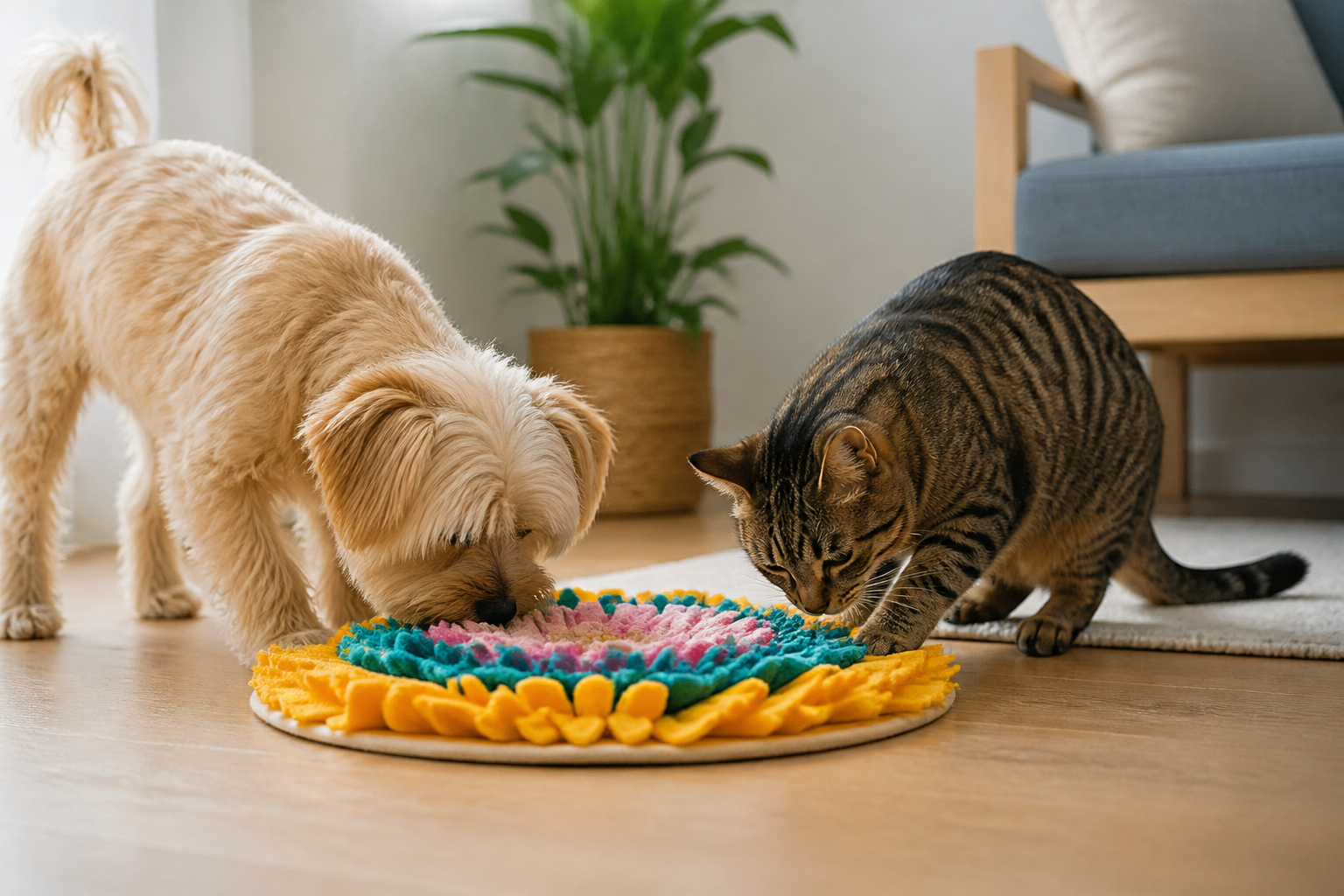
Don't forget that cats are also natural hunters. A smaller rubber mat with holes for snuffle mat DIY is perfect for feline enrichment. Hide high-quality cat treats or even a bit of silvervine or catnip inside. This is particularly beneficial for indoor cats who need help staying active and engaged with their environment. You can find more options in our cat treats collection.
Conclusion
Building a snuffle mat is one of the most rewarding DIY projects a pet owner can undertake. By choosing a high-quality rubber mat with holes for snuffle mat construction, you ensure that the toy is safe, stable, and durable. Whether you are using it to slow down a fast eater or to provide a calm outlet for an anxious puppy, the benefits of scent work are undeniable. We are proud to support your pet's wellness journey through our curated selection of food, treats, and our specialized pharmacy services.
- Select a heavy rubber base for better stability.
- Use anti-pill fleece to prevent fraying and ingestion.
- Wash regularly using pet-safe methods.
- Supervise all sessions to ensure safety.
Bottom line: A well-made snuffle mat is an investment in your pet's mental health and can transform mealtime into a vital part of their daily enrichment.
FAQ
What kind of rubber mat is best for a snuffle mat?
The best choice depends on your dog's size and persistence. A heavy-duty anti-fatigue mat is ideal for large dogs because its weight prevents the mat from sliding or being flipped over. For smaller dogs or cats, a standard rubber sink mat is usually sufficient and much easier to cut to a specific size.
Can I put a snuffle mat in the washing machine?
Yes, most snuffle mats made with fleece and rubber can be machine washed on a gentle cycle. It is best to place the mat inside a pillowcase or laundry bag to protect both the mat and your machine. Always air dry the mat, as the heat from a dryer can ruin the rubber base.
How do I stop my dog from chewing the snuffle mat?
Supervision is key when introducing any new toy. If your dog starts to chew or pull on the fleece strips, gently redirect them to the sniffing action or temporarily remove the mat. Once they have found all the treats, put the mat away so they don't begin to view it as a chew toy.
Is a snuffle mat good for dogs with food allergies?
A snuffle mat is actually an excellent tool for dogs with allergies because you control exactly what goes into it. You can use their hypoallergenic kibble or specialized treats. If your dog requires a prescription diet, our pet pharmacy offers several options that work perfectly for foraging games without risking an allergic reaction.