Save 15% on your 1st Autoship learn more

 Email us
 Live Chat
 FAQs
FAQs





Introduction
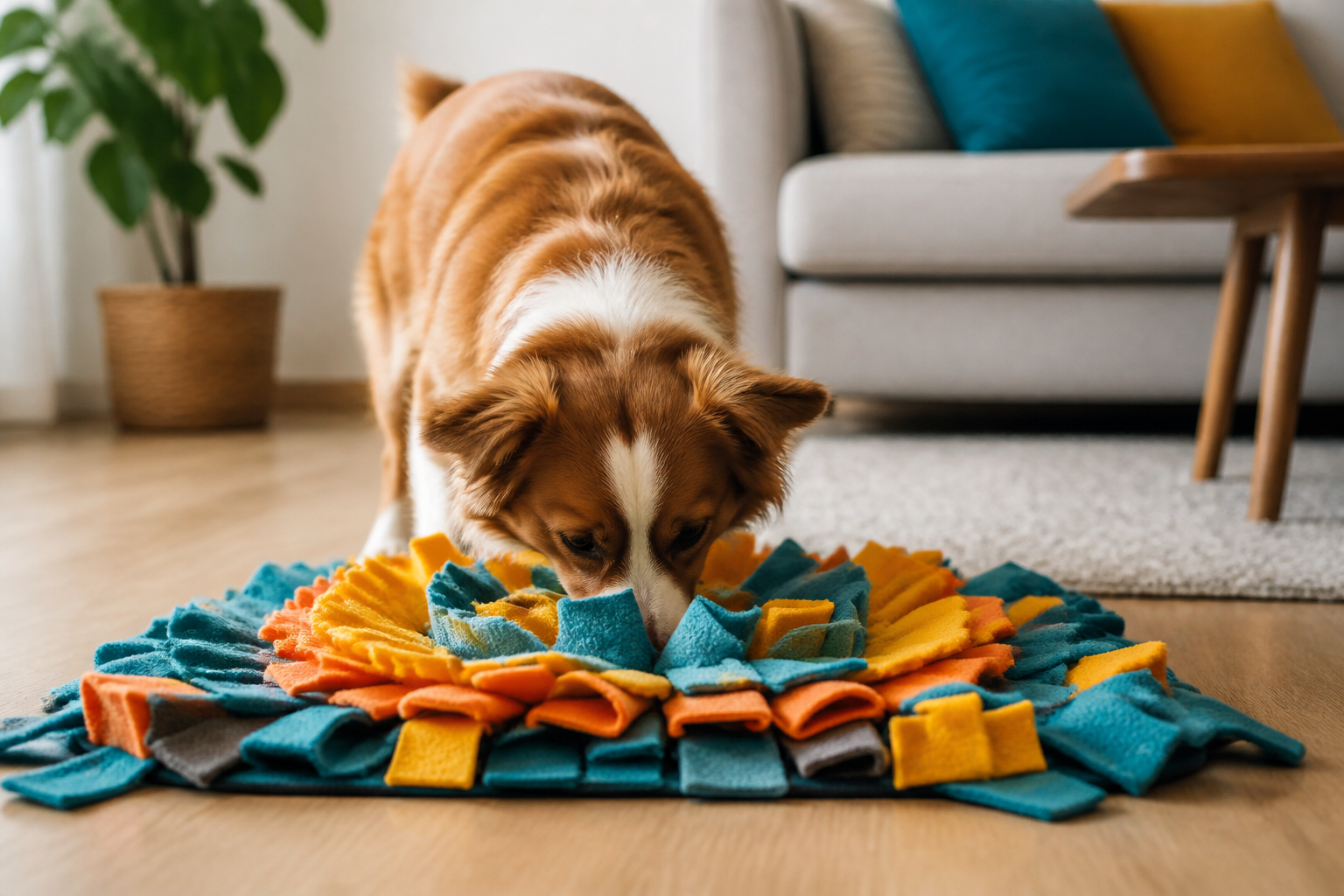
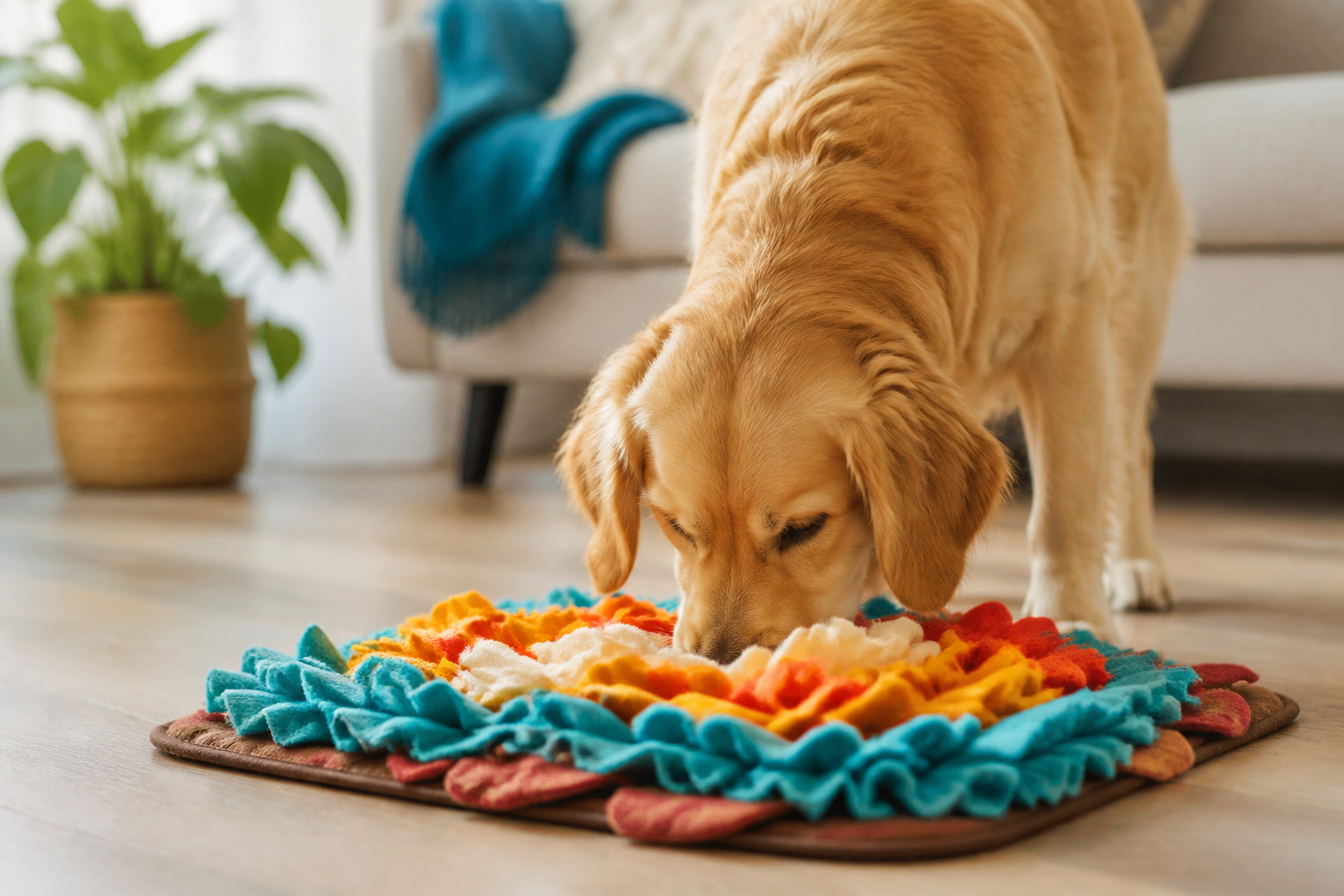
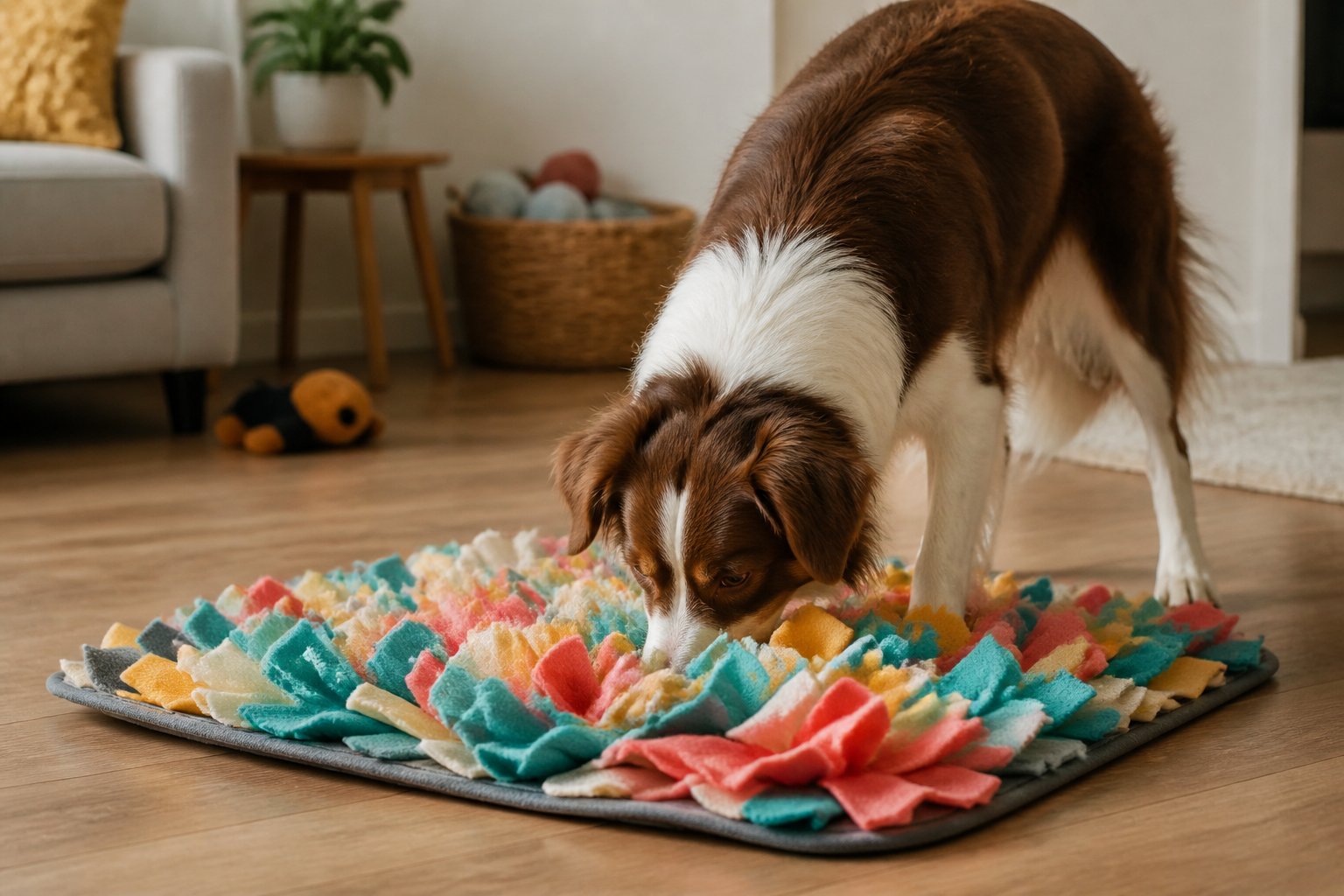
You are likely familiar with the sight of a dog wolfing down their dinner in seconds. Perhaps you are dealing with a high energy puppy who treats your living room rug like a personal construction site on rainy days. These moments of boredom or frantic eating are exactly why snuffle mats have become a staple for modern pet owners. At BaxterBoo, we have spent years helping people find the right tools for mental stimulation, and few things are as effective as a well designed foraging mat. This article covers several distinct snuffle mat patterns, ranging from simple no-sew designs to advanced sewing projects. Our goal is to help you create a tool that slows down mealtime and provides the healthy mental fatigue your pet needs. Choosing the right pattern can turn a routine snack into a rewarding brain game.
The Science Behind the Snuffle
Before you pick up your scissors, it is helpful to understand why these patterns matter. Dogs possess a sense of smell that is tens of thousands of times more sensitive than ours. When they use their noses to find food, it triggers a natural foraging instinct that releases dopamine in the brain. This is not just about eating. It is about the work required to get the food.
For many pets, ten minutes of sniffing is as tiring as a long walk. This makes snuffle mats an excellent resource for senior dogs with limited mobility or pets recovering from surgery. If your dog is on a restricted exercise plan, a snuffle mat provides activity without physical strain.
Quick Answer: A snuffle mat is an enrichment toy made of fabric strips or pockets attached to a base. It forces dogs and cats to use their sense of smell to find hidden treats, which slows down eating and provides mental stimulation.
Pattern 1: The Traditional Tied Grid
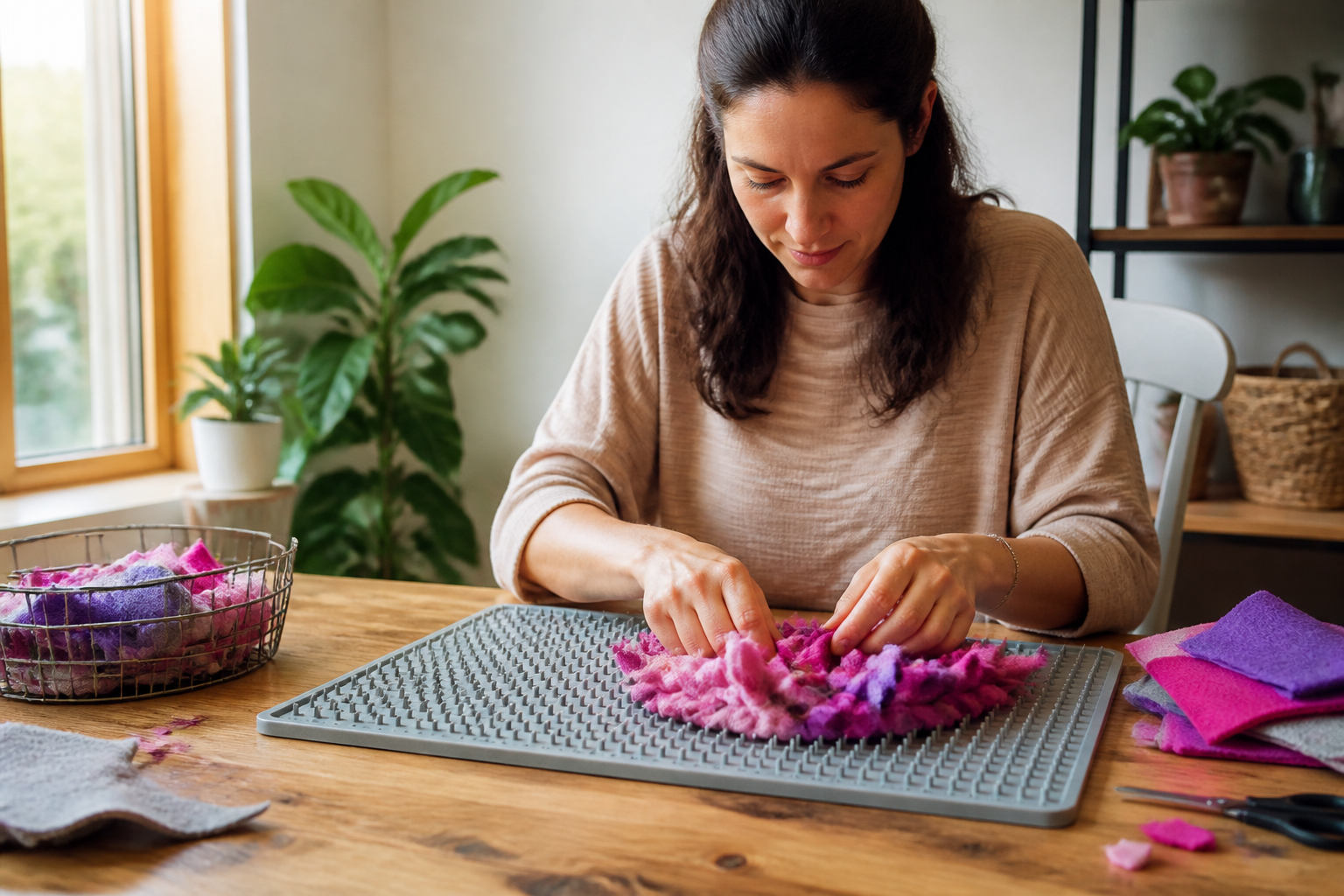
This is the most common snuffle mat pattern because it requires zero sewing skills. It relies on a heavy duty rubber or plastic base with holes, such as a sink mat or a specialized drainage mat.
Materials Needed
- A non-skid rubber sink mat (often found at discount stores).
- 1.5 to 2 yards of anti-pill fleece.
- Fabric scissors or a rotary cutter.
Step-by-Step Instructions
Step 1: Prepare the fleece strips. / Cut your fleece into strips that are roughly 1 inch wide and 7 to 8 inches long. You do not need to be perfect with your measurements. Fleece does not fray, so raw edges are fine.
Step 2: Start the first row. / Take a strip and thread one end through the first hole in the corner of your mat. Bring the other end up through the adjacent hole.
Step 3: Secure the knot. / Tie the two ends together in a simple overhand knot. Pull it tight. There is no need to double knot, as the friction of the fleece will hold it in place.
Step 4: Fill the grid. / Continue this process across the entire row. Once the horizontal rows are done, some owners prefer to go back and tie strips vertically across the same holes to increase the density.
Key Takeaway: The tied grid pattern is the most durable and easiest to clean. It provides a dense "forest" of fabric that is excellent for hiding small kibble like Farmina or Royal Canin.
Pattern 2: The Sewn Spiral Flower
If you prefer a mat that feels more like a piece of home decor, the spiral pattern is a beautiful option. This requires a sewing machine and a sturdy fabric base like denim or canvas.
Why Choose a Sewn Pattern?
Sewn mats are often flatter and easier to store than the bulky tied versions. They allow for more creative shapes, such as circles or even "cat head" shapes for feline friends. Because the fleece is stitched down, it is less likely that a determined dog will pull the strips out.
Construction Steps
Step 1: Create the base. / Cut two circles of heavy canvas or duck cloth. Sew them right sides together, leaving a small opening to turn them. Once turned, topstitch the edge for durability.
Step 2: Prepare long fleece ruffles. / Instead of short strips, cut long bands of fleece about 4 inches wide. Fold them in half lengthwise.
Step 3: Stitch the spiral. / Start at the outer edge of your canvas circle. Stitch the folded edge of the fleece band to the base, moving in a continuous spiral toward the center. Leave about an inch of space between each rotation of the spiral.
Step 4: Create the fringe. / Once the entire spiral is sewn down, take your scissors and snip into the fleece bands every half inch. Be careful not to cut through your stitching. This creates a ruffled, flower-like texture that hides treats perfectly.
Vet Tip: If you are using a snuffle mat to manage weight in an obese pet, remember to subtract the treats used in the mat from their total daily caloric intake. We recommend consulting your veterinarian to determine the appropriate portion sizes for weight loss.
Pattern 3: The Patchwork Activity Center
For pets that get bored easily, a single texture might not be enough. The patchwork pattern combines different "obstacles" on one large mat. This is essentially an indoor playground for your dog's nose.
Common Patchwork Elements
- The Book Page: Several layers of fleece rectangles sewn down the middle like a book. You hide treats between the "pages."
- The X-Square: A square of fabric sewn onto the base with an "X" cut through the top layer only, creating four triangular flaps.
- The 3D Circles: Circles of fleece sewn only in the center, allowing the edges to flap up.
- The Grass Patch: A small section of the traditional tied strips described in Pattern 1.
Designing the Layout
We recommend using a large rectangular base of heavy fabric, perhaps 18 by 24 inches. Map out where each element will go before you start sewing. Put the harder obstacles, like the Book Page, in the corners and the easier ones, like the 3D Circles, in the middle.
This variety of snuffle mat patterns ensures that the pet has to use different motor skills. They might have to flip a page with their nose, then move to a different section and nuzzle through fringe.
Pattern 4: The Beginner Cat Foraging Mat
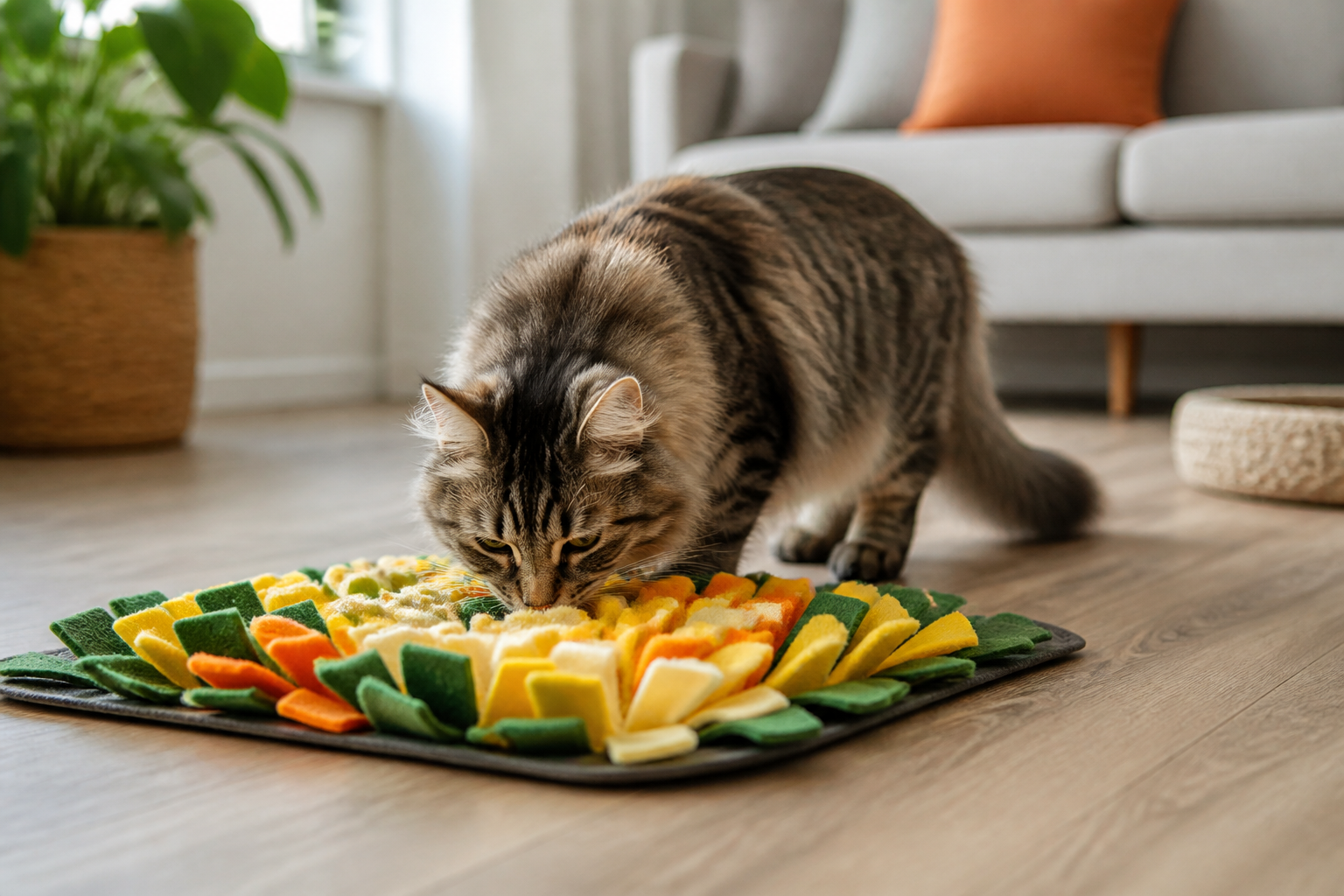
Cats are natural hunters and foragers, but they can be more easily discouraged than dogs. A cat-specific snuffle mat should be less dense. If the fabric is too thick or the knots are too tight, a cat may lose interest.
Modifications for Feline Use
- Use Lighter Fabric: Choose a thinner fleece or even felt.
- Wider Spacing: Space your fabric strips further apart so the cat can easily see the "prey" (the treat) once they start sniffing.
- Incorporate Scent: You can rub the fleece with dried catnip or silvervine to encourage initial interaction.
- Low Profile: Cats often prefer a mat that sits lower to the ground rather than a deep, shaggy one.
Bottom line: Cat snuffle mats should prioritize accessibility over difficulty to prevent the pet from becoming frustrated and walking away.
Choosing the Right Fabric and Materials
Not all fabrics are created equal when it comes to snuffle mat patterns. At BaxterBoo, we always emphasize safety and longevity in DIY projects.
Why Fleece is the Standard
Fleece is the gold standard for several reasons. First, it does not fray. If a dog accidentally swallows a small thread from a fraying cotton fabric, it can cause digestive issues. Fleece stays in solid pieces. Second, it is stretchy and soft on the nose. Some dogs develop "carpet burn" on their snouts if they use mats made of rougher materials. Third, fleece is highly washable.
Hardware Considerations
If you are using a rubber mat for the base, ensure it is "virgin" rubber or food-grade plastic. Avoid mats that have a strong chemical odor, as this will interfere with your dog's ability to smell the treats. It can also be off-putting for sensitive noses.
- Check for "BPA-free" labels on plastic bases.
- Ensure the base is heavy enough that your dog won't just flip the whole mat over.
- Use high-quality polyester thread for sewn patterns to prevent snapping.
Maintenance and Cleaning
A snuffle mat can get dirty quickly. Saliva, treat crumbs, and floor dust all accumulate in the layers of fleece. If you do not clean the mat regularly, it can grow bacteria or mold.
Step 1: Shake it out. / After every use, take the mat outside and give it a vigorous shake to remove any leftover crumbs.
Step 2: Spot clean. / If your pet uses a "wet" treat like a piece of freeze-dried meat, spot clean that area immediately with a pet-safe detergent.
Step 3: Deep wash. / Most fleece snuffle mats can be washed. For tied mats, place them in a large pillowcase or a mesh laundry bag. This prevents the strips from getting tangled in the washing machine agitator. Wash on a cold, gentle cycle.
Step 4: Air dry. / Never put a rubber-based mat in the dryer. The heat can melt the plastic or degrade the rubber. Hang the mat to dry in a well-ventilated area.
Note: If your mat uses a cardboard base, it is not washable. These should be considered temporary and replaced as soon as they become soiled.
Advanced Tips for Using Your Snuffle Mat
Once you have mastered these snuffle mat patterns, the way you introduce the mat to your pet is the next step in their enrichment journey.
Introduction for Beginners
If your dog has never used a puzzle toy, do not hide the treats too deep. Place high-value treats like Stella & Chewy's Freeze-Dried Raw Coated Biscuits right on top of the fabric. Let them see you do it. Once they understand that the mat equals food, you can start tucking the treats deeper into the fringe.
For additional enrichment ideas, explore interactive dog puzzles and boredom busters.
Increasing the Difficulty
For the "pro" snifflers, try these tricks:
- The Layered Approach: Hide small, low-value kibble deep in the mat and place a few high-value treats near the surface.
- The Cold Scent: Put the mat in the freezer for ten minutes before use. This can dampen the scent slightly, making the dog work harder to find the pieces.
- The Wrap: If using a patchwork mat with flaps, fold the flaps over the treats and then lightly tuck the entire mat into a corner so the dog has to move it first.
Supervision is Key
Even the most durable snuffle mat is not a chew toy. We have seen many "power chewers" decide that the fleece strips are just as tasty as the treats. Always supervise your pet during snuffle time. Once they have found all the treats, take the mat away and store it out of reach. This keeps the mat "special" and prevents it from being destroyed.
For commercially made alternatives, browse our interactive and treat dog toys.
How Snuffle Mats Support Health
While we often think of snuffle mats as toys, they are valuable health tools. For dogs with anxiety, the repetitive motion of sniffing and licking is self-soothing. It can lower their heart rate and help them settle down during thunderstorms or fireworks.
For pets managing chronic conditions, the mat is a way to deliver "boring" prescription food in an exciting way. If your vet has prescribed a specific diet through our pharmacy, using a snuffle mat can make that dietary transition much easier for a picky eater.
Vet Tip: For pets with extreme food motivation or those prone to bloat, a snuffle mat can be a life-saving tool to prevent "scarf and barf" episodes. However, if your pet shows signs of distress, gagging, or extreme lethargy after eating, please contact your veterinarian immediately.
Summary of Snuffle Mat Patterns
| Pattern Name | Skill Level | Best For | Key Material |
|---|---|---|---|
| Tied Grid | Beginner | High-energy dogs | Rubber Sink Mat |
| Spiral Flower | Intermediate | Small dogs/Cats | Canvas & Fleece |
| Patchwork | Advanced | Intelligent breeds | Multiple textures |
| Book Page | Intermediate | Feline foragers | Fleece Rectangles |
Building a Better Bond Through Play
Creating a snuffle mat is a labor of love. Whether you are knotting strips while watching a movie or carefully sewing a patchwork masterpiece, you are investing in your pet's mental well-being. At BaxterBoo, we believe that enrichment is not a luxury. It is a fundamental part of responsible pet ownership.
A snuffle mat provides a window into your pet's personality. You will learn if they are a "shaker" who tries to cheat by flinging the mat, or a "surgeon" who carefully moves every piece of fabric to find the last crumb. This observation helps you understand how your pet learns and what motivates them.
If you find that your pet is struggling with weight management or needs a specific prescription diet to use with their new mat, our pharmacy is here to help. We offer a wide range of FDA-approved medications and prescription foods. You can also sign up for our Autoship programme to ensure you never run out of the treats and kibble that make these mats so effective.
Bottom line: A handmade snuffle mat is a cost-effective, high-impact tool that improves the quality of life for both dogs and cats by turning mealtime into a rewarding challenge.
FAQ
Can I use a snuffle mat for my cat?
Yes, cats are excellent candidates for snuffle mats. You should use a slightly less dense pattern so they do not become frustrated. Hiding high-quality dry food or treats like Tiki Cat Stix can encourage their natural hunting instincts and keep them active indoors.
What is the best fabric for a DIY snuffle mat?
Anti-pill fleece is the best choice for any snuffle mat pattern. It is soft on the nose, does not fray when cut, and is durable enough to withstand repeated washing. Avoid using cotton, wool, or towels, as these can fray and create dangerous threads that your pet might swallow.
How often should I wash my snuffle mat?
You should wash your snuffle mat at least once every two weeks if it is used daily. If you use "moist" treats or if your dog is a heavy drooller, you may need to wash it weekly. Always check the mat for lingering food particles that could spoil or attract pests between washings.
Can a snuffle mat help a dog that eats too fast?
Absolutely. A snuffle mat is one of the most effective ways to slow down a fast eater. By spreading their kibble throughout the mat, you force them to find each piece individually. This turns a thirty-second meal into a ten-minute activity, which aids in digestion and helps prevent bloat. For more ideas, read our guide to engaging brain games for dogs.