
 Save 15% on your 1st Autoship learn more

 Email us
 Live Chat
 FAQs





Introduction
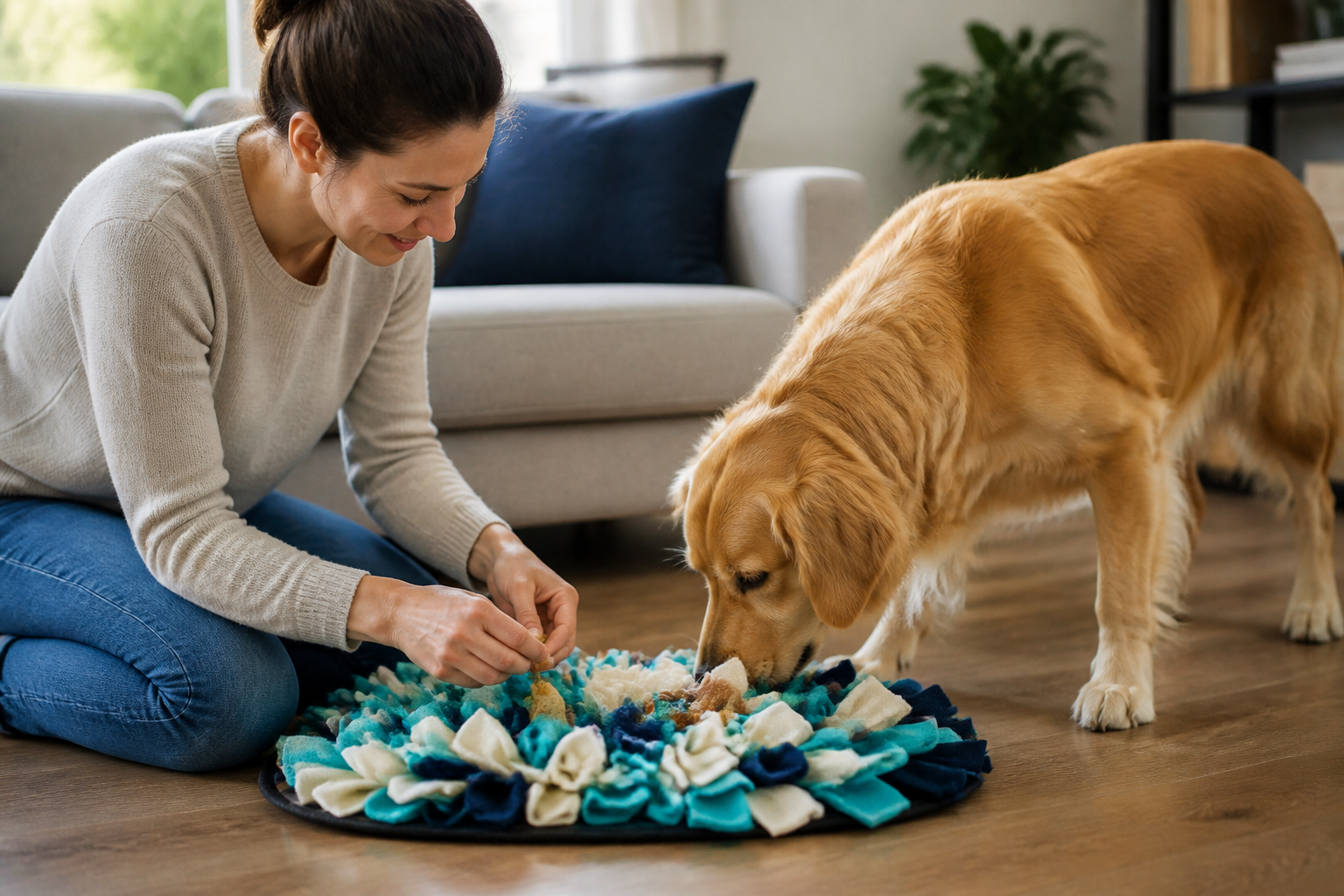
Your dog just finished their dinner in approximately twelve seconds. Now they are staring at you with wide eyes and pacing around the living room with leftover energy. This scenario is a daily reality for many pet owners who struggle to keep their high energy dogs occupied. At BaxterBoo, we believe that mental exercise is just as important as a walk around the block. One of the most effective ways to tire out a restless pup is through foraging. A DIY snuffle mat is a budget friendly tool that mimics the way dogs hunt for food in the wild. This article covers everything you need to know about building your own mat. We will discuss the materials required and the benefits of scent work. This project is a practical way to turn mealtime into a brain workout that leaves your dog calm and satisfied. For more ideas, see our guide to dog brain games and scent-based enrichment.
The Science of Sniffing and Enrichment
A dog perceives the world primarily through their nose. While humans rely heavily on sight, a dog has up to 300 million olfactory receptors. This makes sniffing an incredibly taxing activity for their brain. Ten minutes of intense sniffing can be as tiring for a dog as an hour of physical running. This is why enrichment tools like snuffle mats are so effective.
Enrichment is not just about fun. It is about meeting the biological needs of your pet. When a dog uses their nose to find food, it releases dopamine in their brain. This is the feel good hormone that helps reduce stress and lower cortisol levels. For dogs that suffer from anxiety or fear of loud noises, focusing on a scent task can provide a necessary distraction.
Key Takeaway: Scent work is a natural calming mechanism for dogs that provides mental exhaustion through biological fulfillment.
Using a snuffle mat also solves the problem of fast eaters. If your dog inhales their kibble, they are at a higher risk for digestive upset or bloat. By hiding the food in a dense thicket of fleece, you force them to take one small piece at a time. This slows down the ingestion process and allows their stomach to signal to the brain that they are full. For other ways to keep dogs occupied indoors, explore DIY indoor enrichment ideas.
Interactive and Treat Dog Toys








Gathering Your DIY Supplies
One of the best things about this project is that you do not need expensive tools. Most of these items can be found around the house or at a local craft store. You want materials that are durable and easy to clean.
The Base
The base provides the structure for the mat. We recommend using a heavy duty rubber sink mat or a plastic drainage mat. These usually have a grid of holes that make tying the fabric easy. Look for a base that is non slip so it does not slide across your kitchen floor while your dog is working.
The Fabric
Fleece is the gold standard for snuffle mats. It is soft on a dog's nose and does not fray when you cut it. You can use old fleece blankets or buy fabric remnants. You will need about one to two yards depending on the size of your base. Using different colors can make the mat look attractive, but your dog will mostly care about the texture and the scent.
Tools
You only need two basic tools for this project:
- A sharp pair of fabric scissors or a rotary cutter.
- A ruler or measuring tape to keep your strips consistent.
Note: Avoid using fabrics like cotton or wool that fray easily. Small threads can become a choking hazard or cause digestive issues if swallowed.
Step by Step Instructions to Build Your Mat
Building the mat is a repetitive process that is perfect to do while watching a movie. It does not require any sewing skills. You are simply tying knots through the holes in your base.
Step 1: Prep Your Fabric
Cut your fleece into strips. The ideal size is about one inch wide and seven to eight inches long. If the strips are too short, they will be hard to tie. If they are too long, the mat will be floppy and food will fall right through to the floor. You will likely need between 150 and 200 strips for a standard sink mat.
Step 2: Begin the First Row
Take a strip of fleece and poke one end through a hole in the mat. Pull the other end through the adjacent hole. Tie the two ends together in a simple overhand knot. You do not need a double knot as the friction of the fleece will keep it secure.
Step 3: Fill the Grid
Continue this process across the entire first row. Once you finish the horizontal rows, go back and tie strips vertically across the same holes. This creates a dense "shag" look. The goal is to have so much fabric that you cannot see the plastic base when you look down at it.
Step 4: Check for Gaps
Flip the mat over and look for any large empty spaces. If you see too much of the base, add more strips. A dense mat is better for hiding small treats or kibble. It forces the dog to really work their nose into the fabric to find the reward.
Vet Tip: If your dog is a known "shredder" who likes to eat fabric, always supervise them during use. If they start chewing the mat itself, take it away immediately to prevent ingestion of the rubber or fleece.
How to Introduce the Mat to Your Dog
If your dog has never used an enrichment toy, they might be confused at first. You want to set them up for success so they do not get frustrated.
Step 1: Start easy. Place a few high value treats right on top of the fleece. Let the dog see you do it.
Step 2: Praise them. As they eat the treats, give them verbal encouragement.
Step 3: Increase difficulty. Once they understand that the mat equals food, start tucking the treats deeper into the folds of the fabric.
Step 4: Use it for meals. Eventually, you can put their entire portion of dry kibble into the mat.
We carry many brands that work perfectly for this, such as Stella & Chewy’s products or The Honest Kitchen. Their small, freeze dried pieces or dry clusters are easy to hide. You can also browse our dog treats for other options. If your dog is on a specialized diet for weight management, you can still use the mat. Our pharmacy offers prescription pet foods through our partnership with Pet's Choice. You can have these specific diets delivered to your door and use the mat to help your dog reach their goal weight.
Advanced Strategies for Enrichment
Once your dog is a snuffle mat pro, you can change things up to keep it challenging. Dogs are very smart and will eventually learn the "pattern" of your mat.
One method is to use different types of treats with varying scent strengths. Place a low scent kibble in most of the mat and hide one or two high scent treats like salmon or liver in the corners. This encourages them to keep searching even after the easy pieces are gone.
You can also use the mat for crate training. If your dog is nervous about being in their crate, give them the snuffle mat while they are inside. The act of sniffing will lower their heart rate and help them associate the crate with a positive, calming activity. For more activities that challenge a dog’s mind, read our dog boredom busters guide.
Quick Answer: A snuffle mat typically takes about one to two hours to assemble. It is a no-sew project that uses fleece strips tied to a rubber base to hide food for mental stimulation.
Cleaning and Maintenance
Since your dog will be drooling on this mat and food particles will get trapped in the fabric, you must clean it regularly. A dirty mat can grow bacteria or mold, which is a health risk for your pet.
Most DIY snuffle mats are machine washable if you used a flexible rubber or plastic base. Use a gentle cycle with cold water and a pet safe, unscented detergent. Strong perfumes can be overwhelming for a dog's sensitive nose and might discourage them from using the mat later.
Avoid putting the mat in the dryer. The high heat can melt the plastic base or cause the fleece to lose its texture. Instead, hang it up or lay it flat to air dry. Make sure it is completely dry before you hide food in it again. If the mat starts to lose too many strips or the base cracks, it is time to build a new one or look into our selection of dog toys.
Troubleshooting Common Issues
Not every dog takes to a snuffle mat immediately. Some dogs might try to pick the mat up and shake it to get the food out. If your dog does this, you can try securing the mat to a heavy piece of plywood or simply holding the edges down while they work.
If your dog seems frustrated and starts barking at the mat, it means you have made it too difficult too fast. Go back to the beginner steps by placing the treats on the very top of the fabric. The goal is to build their confidence, not test their patience to the breaking point.
For senior dogs with declining cognitive function, a snuffle mat is a wonderful way to keep their brain active without requiring physical exertion. If your senior dog has stiff joints, using the mat on a raised platform can make it more comfortable for them to reach. We offer various mobility aids and supplements in our Medical & Mobility section to help your older pets stay comfortable during play.
Bottom line: The DIY snuffle mat is a versatile tool that can be adapted for any age, size, or skill level of dog.
Why BaxterBoo Supports DIY Enrichment
At BaxterBoo, we have been helping pet owners find the best products since 2006. While we carry over 500 trusted brands, we also know that the bond between a pet and their owner is strengthened through shared activities. Creating something for your dog is a labor of love.
Our warehouse in Illinois is full of gear, but we also value practical advice that helps you manage your pet's health. For example, if your vet has recommended a specific weight loss plan, using a snuffle mat is a great way to implement that plan. Our partnership with Pet's Choice allows you to manage these health needs through our pharmacy, ensuring your dog gets the exact nutrition they need while they play.
If you enjoy this project, you might also be interested in our MVP Rewards program. You can earn points on the supplies you buy, like treats to hide in your new mat, and get cash back on future purchases. It is our way of rewarding owners who go the extra mile for their pets.
Safety and Supervision
While we have praised the benefits of this project, safety must come first. No toy is truly indestructible.
- Check the mat for loose strips before every use.
- Inspect the rubber base for any signs of cracking or peeling.
- Ensure the treats you use are appropriate for your dog's size and dietary needs.
- Always put the mat away after the session is over.
By putting the mat away, you keep it "high value." If it sits on the floor all day, your dog will get bored of it. When you bring it out specifically for mealtime or a training session, it becomes an exciting event that they look forward to.
Conclusion
A DIY snuffle mat is one of the most rewarding projects you can undertake for your dog. It provides essential mental stimulation, helps manage weight by slowing down eating, and offers a calming outlet for anxiety. By following our simple instructions, you can create a high quality enrichment tool using just a sink mat and some fleece. Whether you are looking to tire out a puppy or keep a senior dog's mind sharp, this mat is the answer.
- Build your mat using a non slip base and soft fleece.
- Introduce the mat slowly to build your dog's confidence.
- Clean the mat regularly to keep it safe and hygienic.
- Combine scent work with high quality treats or prescription diets for total wellness.
If you find that your dog loves scent work, visit our dog toys category to find even more advanced puzzles and enrichment gear to keep the fun going.
FAQ
Can I use a snuffle mat for my cat?
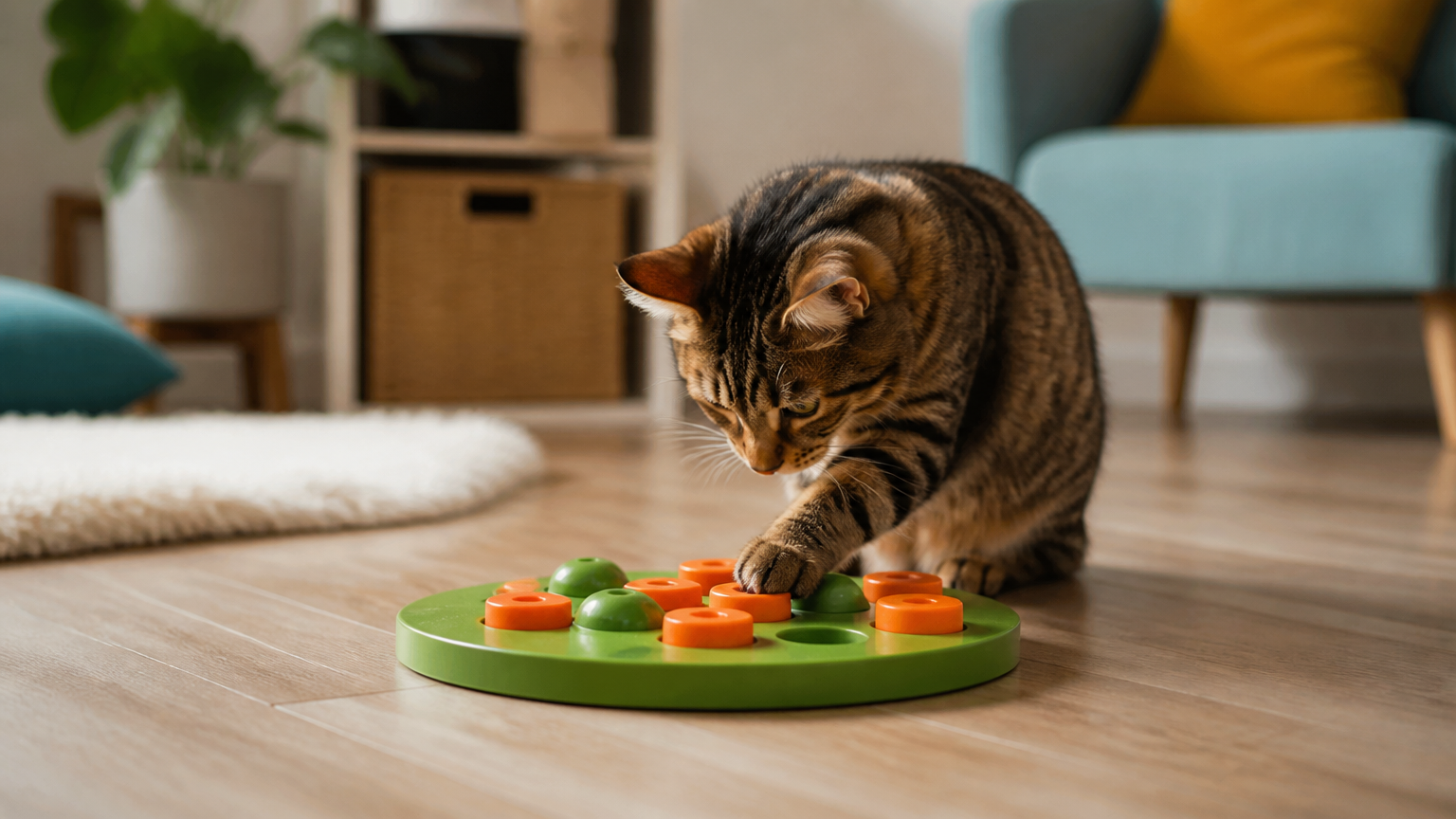
Yes, cats can benefit from snuffle mats just as much as dogs. Use small pieces of dry cat food or freeze dried treats like Tiki Cat or Fancy Feast. It is an excellent way to encourage indoor cats to use their natural hunting instincts.
How often should I wash my DIY snuffle mat?
You should wash the mat at least once a week if you use it for daily meals. If you only use it occasionally for dry treats, you can wash it every two weeks. Always check for crumbs or debris that might be trapped deep in the fibers between washings.
What if my dog tries to eat the fleece strips?
If your dog attempts to chew or swallow the fabric, you must intervene. Some dogs have a high chew drive and may not be candidates for a fleece mat. In these cases, consider a hard plastic puzzle toy from our collection that is specifically designed for aggressive chewers.
Is a snuffle mat good for dogs with anxiety?
Sniffing is a naturally repetitive and calming behavior that can help lower a dog's heart rate. Many owners use snuffle mats during thunderstorms or fireworks to give their dogs a productive way to channel their nervous energy. For severe anxiety, we recommend consulting your veterinarian and exploring our pharmacy for FDA approved calming medications.


- Site & Contents BaxterBoo.com. BaxterBoo is located in the United States.
- Privacy & Security
- Terms of Use
- Accessibility Statement
