Save 15% on your 1st Autoship learn more

 Email us
 Live Chat
 FAQs
FAQs





Introduction
You just filled your dog's bowl, and before you can even put the scoop away, the food is gone. This "scarf and barf" routine is common, but it often leaves dogs feeling unsatisfied and looking for trouble elsewhere in the house. At BaxterBoo, we know that mental exercise is just as important as a walk around the block. A DIY snuffle mat is one of the most effective ways to slow down mealtime and engage your dog's natural foraging instincts. This guide will teach you exactly how to build a durable, washable mat using simple materials like fleece and a rubber base. We will also cover how to introduce this tool to your pet safely. By the end of this article, you will have a practical plan to turn every meal into a rewarding brain game.
Understanding the Power of Sniffing
A dog's world is built on scent. While humans rely heavily on sight, dogs have up to 300 million olfactory receptors in their noses. When a dog sniffs, they are not just identifying a smell. They are processing a massive amount of information about their environment. This process requires significant mental energy. In the pet care world, we often say that fifteen minutes of intense sniffing can be just as tiring for a dog as an hour-long walk.
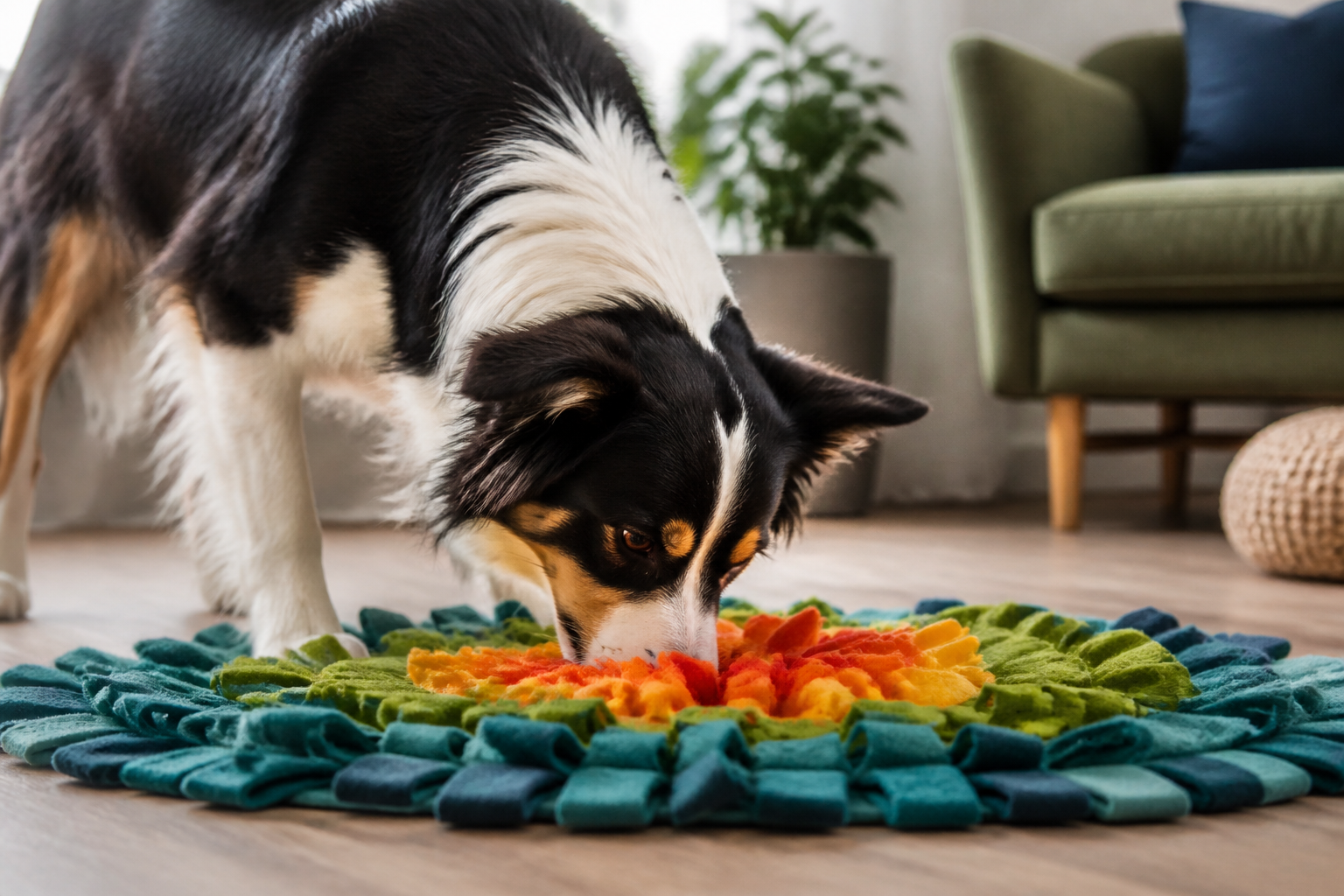
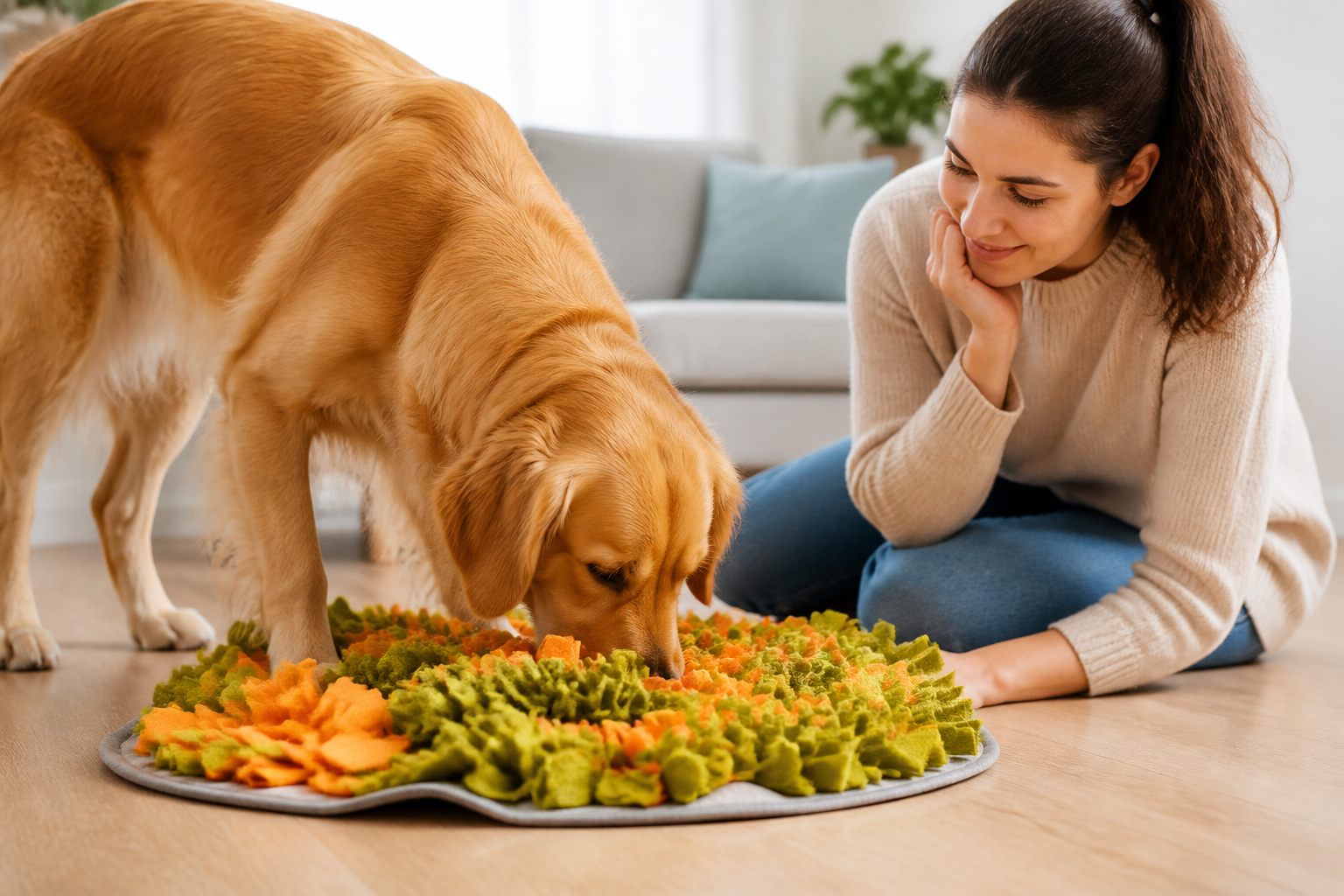
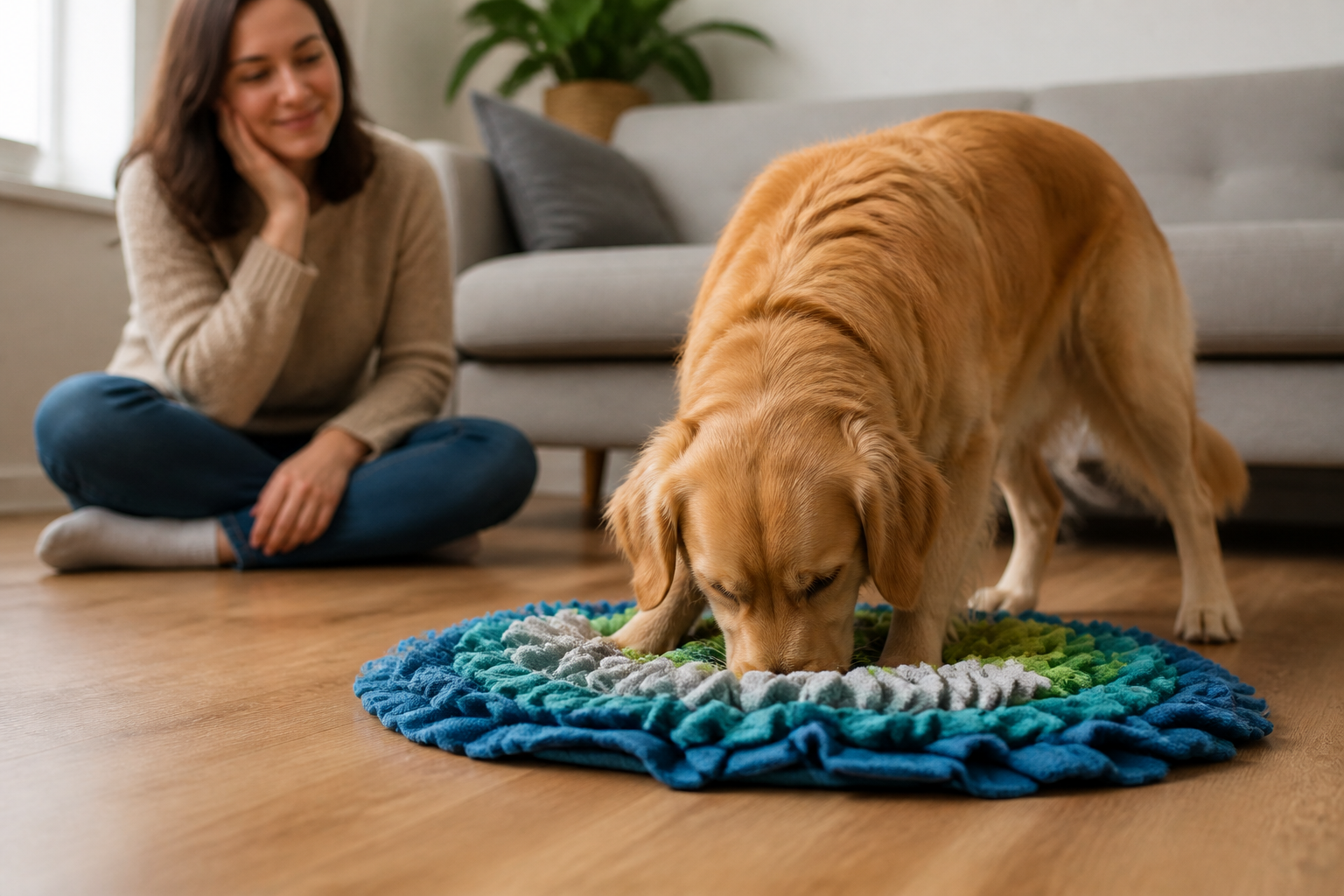
Snuffle mats capitalize on this biological reality. By hiding dry kibble or treats inside layers of fabric, you force your dog to use their nose to locate each piece. This is known as "nose work." It mimics the way a wild canine would forage for food in tall grass or brush. For a modern house dog, this provides a much-needed outlet for natural behaviors that often go unused. For more scent-based enrichment ideas, explore our guide to engaging brain games for dogs.
Key Takeaway: Sniffing is a biological necessity for dogs that provides deep mental enrichment and helps lower heart rates during times of stress.
The Practical Benefits of a Snuffle Mat
Beyond just being fun, these mats serve several functional purposes in a busy household. If you are managing a high-energy puppy or a senior dog with limited mobility, a snuffle mat is a versatile tool.
Slowing Down Fast Eaters
Eating too quickly can lead to digestive upset or more serious conditions like bloat. A snuffle mat turns a thirty-second meal into a ten-minute activity. Because the dog has to find each individual piece of kibble, they cannot gulp down large quantities of air or food at once. You can also browse our dog food selection when choosing dry food for enrichment activities.
Anxiety and Stress Relief
Sniffing has a naturally calming effect on the canine nervous system. If your dog gets anxious during thunderstorms or when guests arrive, giving them a snuffle mat can help them refocus. The repetitive motion of searching and the reward of finding treats releases endorphins that help a dog self-soothe.
Senior Dog Enrichment
As dogs age, they may not be able to go for long hikes or play intense games of fetch. Mental stimulation becomes their primary source of exercise. A snuffle mat allows a senior dog to stay sharp and engaged without putting unnecessary strain on their joints. For additional low-impact ideas, read our article about dog boredom busters.
Vet Tip: If your dog is prone to digestive issues or is on a strict weight-management plan, consult your veterinarian before changing their feeding routine. Our pharmacy carries prescription diets through our partnership with Pet's Choice if your vet recommends a specific food for these conditions.
Supplies You Will Need
You do not need an expensive sewing machine or specialized skills to make a high-quality mat. Most of these items can be found at a local craft store or even repurposed from items you have at home.
- A Rubber Sink Mat: Look for a heavy-duty mat with holes. A standard size is usually around 12 by 15 inches. It should be flexible but sturdy enough to stay flat on the floor.
- Fleece Fabric: You will need approximately 1 to 1.5 yards of fleece. Fleece is the best choice because it does not fray when cut and it is soft on a dog's nose.
- Fabric Scissors or a Rotary Cutter: Sharp blades make the process much faster.
- A Ruler or Measuring Tape: This helps keep your strips consistent for a fuller look.
Avoid using materials like cotton or wool. Cotton will fray and create loose threads that a dog might swallow. Wool can be too abrasive for a dog's sensitive muzzle during repeated use.
Preparing the Fabric Strips
Consistency is the secret to a dense snuffle mat. If the strips are too long, the mat will look floppy and won't hide treats well. If they are too short, they will be difficult to tie.
Step 1: Lay your fleece out flat on a table. If you are using multiple colors, stack them to save time.
Step 2: Cut the fleece into strips that are 1 inch wide and 7 inches long. You will need a lot of these. For a standard 12 by 15 inch mat, expect to cut between 200 and 250 strips.
Step 3: Organize your strips into piles by color. This makes it easier to create a pattern or ensure an even distribution of colors across the mat.
Quick Answer: Use fleece for your snuffle mat because it is durable, machine-washable, and does not fray. Cut your strips to 1 inch by 7 inches to ensure the mat is dense enough to hide food effectively.
Assembling the Mat: The Tying Process
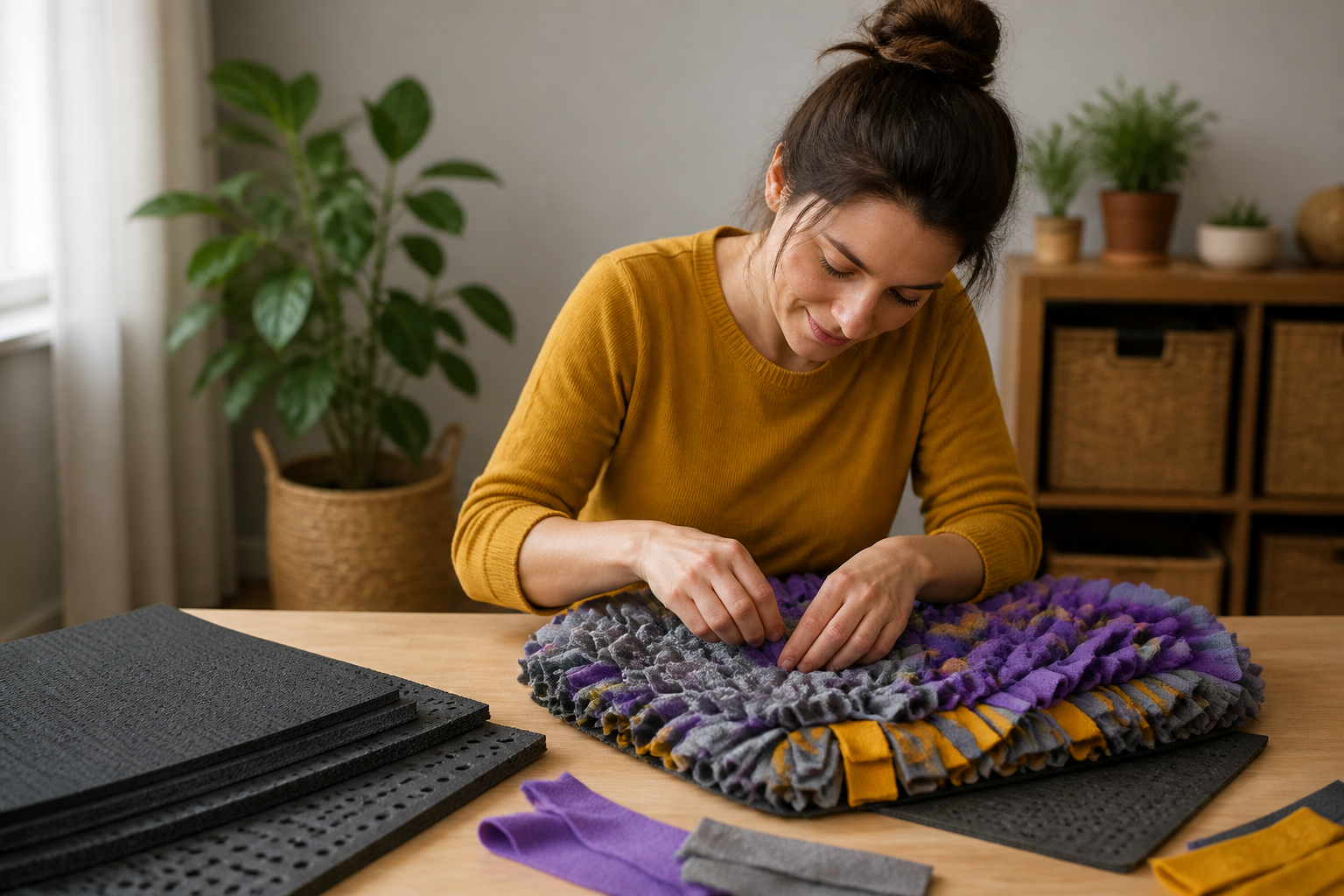
This is the most time-consuming part of the project, but it is also quite relaxing. You can easily do this while watching a movie. The goal is to fill every hole in the rubber mat so that no plastic is visible.
The First Pass: Vertical Rows
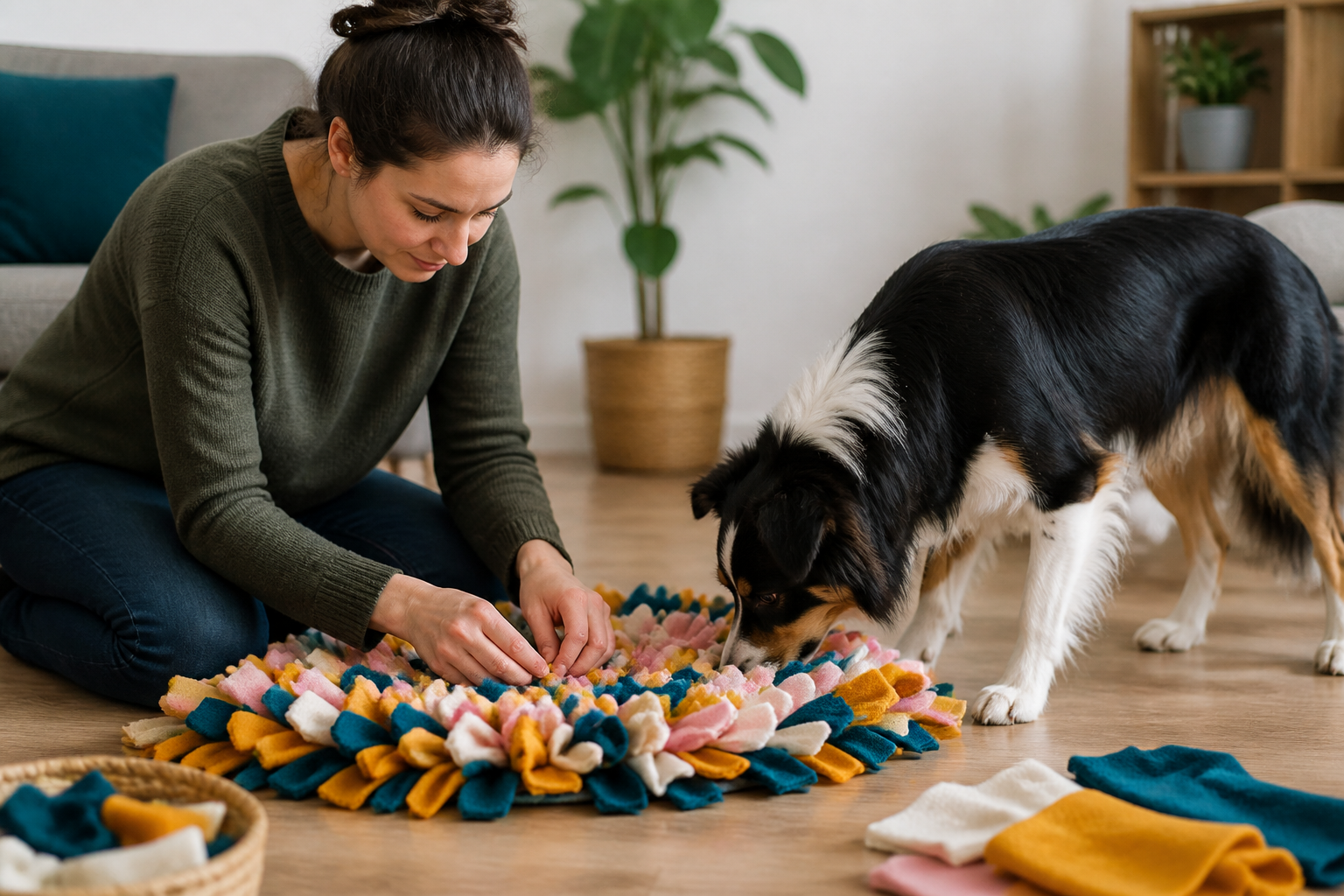
Take a single strip of fleece. Thread one end through the first hole in the mat and the other end through the hole immediately next to it. Pull the ends even and tie a single overhand knot. There is no need to double knot fleece as it has a natural grip that keeps it from sliding. Continue this process across the entire row. Repeat for every row on the mat.
The Second Pass: Horizontal Rows
Once you have finished the vertical rows, turn the mat 90 degrees. You will now tie strips across the "bridges" created by the first pass. Thread a strip through a hole in row one and a hole in row two. Tie your knot. This creates a cross-hatch pattern that makes the mat much thicker.
The Final Pass: Diagonals (Optional)
If you still see gaps or the plastic base is visible when you ruffle the fabric, add a few more strips diagonally. A denser mat provides a better challenge for your dog.
Bottom line: Filling the mat in two directions (vertical and horizontal) creates the density needed to keep treats hidden and engaged.
How to Introduce the Mat to Your Dog
Not every dog understands what to do with a snuffle mat immediately. Some might try to pick it up and shake it, while others might try to chew on the fleece. A proper introduction ensures they use it for its intended purpose.
Step 1: Start easy. Place the mat on the floor and sprinkle a few high-value treats directly on top of the fleece. Do not hide them yet.
Step 2: Use a release command like "find it" or "go ahead." Let your dog eat the visible treats. This builds a positive association with the mat.
Step 3: For the next session, tuck the treats slightly under the top layer of fleece. Your dog will have to move the fabric with their nose to get the reward.
Step 4: Once they are proficient, bury the treats or kibble deep into the bottom of the mat.
Key Takeaway: Always supervise your dog during their first few uses to ensure they do not chew on the rubber base or swallow the fleece strips.
Safety and Maintenance
Because the mat holds food, it will eventually get dirty. Saliva and food oils can lead to bacteria growth if the mat is not cleaned regularly.
Washing Your Snuffle Mat
One of the reasons we recommend a rubber sink mat and fleece is that they are generally washable. You can put the mat in a pillowcase or a mesh laundry bag and wash it on a gentle cycle with cold water. Use a pet-safe, fragrance-free detergent. Air dry the mat completely before using it again. Do not put it in the dryer, as the high heat can warp the rubber base.
Inspecting for Damage
Before every use, give the mat a quick look. Check for any loose strips or pieces of rubber that may have been chewed off. If the mat starts to fall apart, it is time to repair it or make a new one. Ingestion of fabric can lead to serious intestinal blockages.
Vet Tip: If you suspect your dog has swallowed a piece of fabric or rubber, monitor them for vomiting, lethargy, or loss of appetite. Consult your veterinarian immediately if you notice these signs.
Troubleshooting Common Issues
Sometimes, a dog's personality can make snuffle mat use a bit tricky. Here is how to handle a few common scenarios.
The "Flipper"
Some dogs figure out that if they flip the mat over, all the food falls out. If your dog is a flipper, try using a heavier rubber mat or placing the mat on a non-skid surface. You can also hold the edges of the mat for the first few minutes of the session to encourage them to use their nose instead of their paws.
The "Chewer"
If your dog starts gnawing on the fleece, the session should end immediately. Remove the mat and put it away. This teaches the dog that the mat is a foraging tool, not a chew toy. You can offer them a durable rubber toy or a natural chew from our selection of dog toys if they have a strong urge to chew.
The Frustrated Dog
If a dog cannot find the treats, they may become frustrated and give up or bark at the mat. If this happens, make the game easier. Go back to placing treats on top of the fabric until their confidence grows.
Advanced Foraging Techniques
Once your dog is a pro, you can increase the difficulty. Instead of using small kibble, use odd-sized treats that are harder to move through the fleece. You can also hide the mat itself in another room, forcing the dog to "hunt" for the mat before they can even start foraging for the food.
For households with multiple dogs, it is usually best to give each dog their own mat in separate areas. This prevents any resource guarding or competition, allowing each pet to enjoy the calming benefits of the activity at their own pace.
Supporting Your Dog's Health and Wellness
A snuffle mat is a wonderful addition to a healthy lifestyle, but it is just one piece of the puzzle. Maintaining a healthy weight and managing anxiety often require a multi-faceted approach. Our warehouse in Vernon Hills is stocked with thousands of items to support these goals, from high-quality food to calming supplements. You can find more enrichment ideas in our indoor enrichment guide.
If your dog requires ongoing support for conditions like joint stiffness or chronic allergies, our pet pharmacy is a great resource. We partner with Pet's Choice to provide FDA-approved medications that work alongside your dog's enrichment routine. Many owners find that a combination of mental stimulation, a proper diet, and the right supplements leads to a much happier, more relaxed pet.
We have seen since 2006 how small changes in a daily routine can make a massive difference in a dog's behavior. Whether you are using the mat to distract a puppy during crate training or to keep an older dog's mind sharp, the effort you put into DIY projects like this shows your commitment to their well-being.
Bottom line: A DIY snuffle mat is a low-cost, high-reward project that solves common behavioral issues like fast eating and boredom through natural sensory engagement.
Conclusion
Building a DIY snuffle mat is a simple project that pays off every single day. By using a rubber mat and fleece strips, you create a durable tool that provides essential mental stimulation for your dog. This activity slows down fast eaters, calms anxious minds, and gives senior dogs a way to stay active indoors. Remember to supervise your pet, keep the mat clean, and gradually increase the difficulty as they learn the game. For the best results, pair your new mat with high-quality treats or the premium kibble we carry at BaxterBoo. You can explore our dog treats collection and learn about our Autoship programme for repeat-purchase essentials. Your dog will thank you for the challenge, and you will enjoy the peace and quiet that follows a good sniffing session.
FAQ
Can I use a snuffle mat for my cat?
Yes, cats can benefit from snuffle mats just as much as dogs. Cats are natural hunters, and hiding small pieces of dry food or catnip in a mat encourages their foraging instincts. Because cats have smaller muzzles, you may want to use slightly shorter fleece strips to make it easier for them to reach the treats.
How often should I let my dog use the mat?
Most dogs can enjoy a snuffle mat session once or twice a day. Many owners use it as a primary feeding method for breakfast and dinner. However, keep an eye on your dog's interest levels. If they seem bored, put the mat away for a few days to keep the activity feeling fresh and exciting.
What if my dog tries to eat the fleece?
If your dog is a heavy chewer, you must supervise them closely. If they attempt to eat the fabric, take the mat away immediately and replace it with a designated chew toy. For safety, never leave a dog alone with a snuffle mat if they have a history of eating non-food items.
Can I put wet food in a snuffle mat?
It is strongly recommended to only use dry food or dry treats in a snuffle mat. Wet food or raw food will create a significant mess and can lead to mold or bacterial growth within the fleece layers. If your dog eats a wet diet, use the mat for their dry treats or use a specialized silicone licking mat instead.