
 Save 15% on your 1st Autoship learn more

 Email us
 Live Chat
 FAQs
FAQs





Introduction
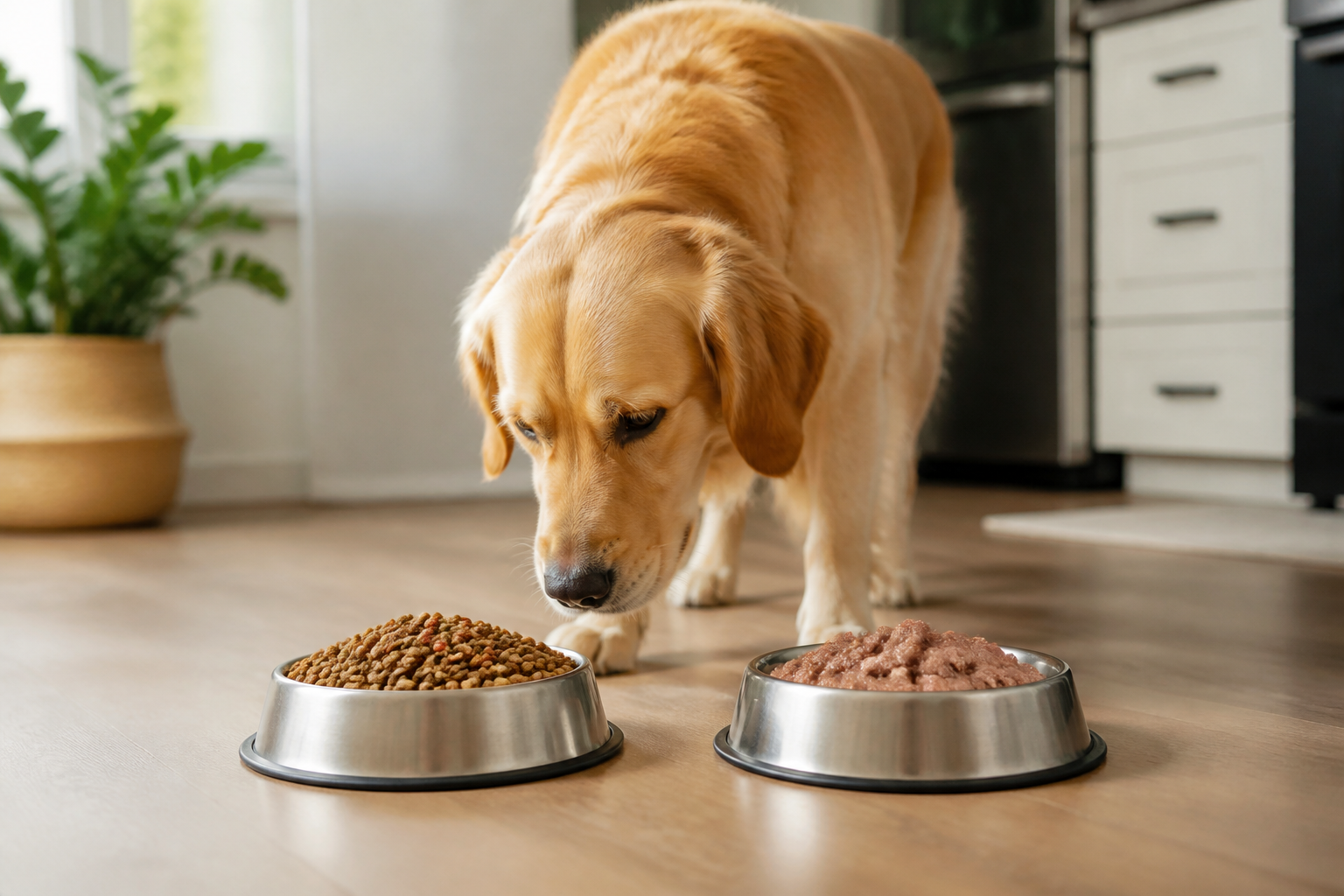
You are standing in the pet food aisle or scrolling through a website. You have a bag of high-quality kibble in one hand and a tray of savory pâté in the other. Your dog is likely waiting at home with an expectant wag. You wonder which one they would truly prefer if they could choose for themselves. This is a common moment for many pet owners. At BaxterBoo, we talk to people every day who want to balance what their dogs love with what their bodies need. This guide will explore the differences in taste, nutrition, and texture between wet and dry options. We will also look at how your dog’s health and life stage play a role in this decision. You will learn how to choose the right fuel for your best friend.
The Role of Aroma and Palatability
Most dogs have a clear preference when it comes to the sensory experience of eating. Dogs have about 1,700 taste buds. For comparison, humans have around 9,000. While they can taste sweet, sour, salty, and bitter, their sense of smell is their primary tool for evaluating food. Wet food typically has a much stronger aroma than dry kibble. The cooking and canning process seals in the scents of fats and proteins. When you open a can, those smells are released immediately. This makes wet food highly attractive to dogs that are picky or have a diminished sense of smell.
Texture also plays a significant part in palatability. Wet food offers variety through gravies, stews, and smooth textures. Dry food provides a consistent crunch. Some dogs enjoy the resistance of a hard biscuit. Many others prefer the soft and easy-to-swallow nature of canned meals. If your dog seems bored with their meals, the issue might not be the flavor but the lack of aromatic appeal.
Quick Answer: Most dogs prefer wet food because it has a stronger scent and a more varied texture. However, a high-quality dry food can still be very appealing to dogs that enjoy a crunchy texture and consistent routine.
Understanding Wet Dog Food
Wet dog food starts with ground protein sources like beef, chicken, or lamb. These are mixed with vitamins, minerals, and often grains or vegetables. The mixture is then cooked and sterilized inside the can or pouch. This process creates a product with a very high moisture content. Most canned foods are about 75 to 78 percent water. This is a significant difference compared to dry food. You can compare available formulas in our dog food category.
The high moisture content is a major benefit for hydration. Some dogs do not drink enough water from their bowls. Feeding a wet diet ensures they receive liquid throughout the day. This can be especially helpful for dogs with a history of urinary tract issues or kidney concerns. Canned food is also less calorie-dense by volume. This means a dog can eat a larger portion of wet food without consuming more calories than a smaller portion of dry food. This can help dogs feel full and satisfied.
Benefits for Seniors and Small Breeds
Senior dogs often face dental challenges. They may have missing teeth or sensitive gums that make chewing hard kibble painful. Wet food is easy to consume without much effort. It also helps older dogs who may be losing their appetite. The rich smell can entice them to eat when they otherwise might refuse a meal. Small breeds with tiny jaws also find wet food easier to manage. Many premium brands like Tiki Cat and Stella and Chewy's offer wet options specifically designed for these smaller requirements.
Drawbacks to Consider
Wet food does have some practical downsides. Once a can is opened, it must be refrigerated and used within a few days. It cannot be left out in a bowl for more than a couple of hours. This makes it a poor choice for "grazers" who like to snack throughout the day. It is also generally more expensive per serving than dry food. This cost can add up quickly for owners of large breed dogs.
Key Takeaway: Wet food is an excellent tool for hydration and helping picky or senior dogs stay interested in their meals.
The Practicality of Dry Dog Food
Dry dog food, or kibble, is made through a process called extrusion. The ingredients are mixed into a dough and then cooked under pressure. The dough is pushed through a die to create specific shapes. These pieces are then dried and sprayed with essential fats and vitamins. Most dry foods contain only 10 to 12 percent moisture. This low water content is what makes kibble so shelf-stable and convenient.
One of the biggest advantages of dry food is the cost. It is much more economical to buy a large bag of kibble that lasts for weeks. You can also leave dry food out for dogs that prefer to eat at their own pace. This is helpful for busy families who may not be home for every mid-day snack. Additionally, kibble is easy to use in training. You can put a handful of pieces in your pocket to reward good behavior during a walk.
Dental Health and Enrichment
The crunchy texture of kibble provides a mechanical cleaning action. As the dog chews, the hard edges can help scrape away some plaque and tartar from the surface of the teeth. While it is not a substitute for brushing, it is a helpful addition to a dental care routine. Dry food also offers opportunities for mental stimulation. You can use kibble in puzzle toys, snuffle mats, or slow feeders. These tools force your dog to work for their food. This burns energy and provides cognitive enrichment.
Potential Downsides
The main drawback of dry food is its lack of moisture. Dogs on a strictly dry diet must have constant access to fresh water. Some lower-quality dry foods may also rely more heavily on carbohydrates to maintain their shape. It is important to read labels carefully. Look for a statement of nutritional adequacy from AAFCO. This ensures the food meets the basic standards for a complete and balanced diet.
Vet Tip: If your dog eats only dry food, ensure you provide multiple water sources throughout your home. Monitor their water intake closely, especially in hot weather or after exercise.
Finding the Middle Ground: Mixing Both
You do not always have to choose one or the other. Many pet owners find that a combination of wet and dry food works best. This is often called "top-dressing" or "mixed feeding." By adding a spoonful of wet food to a bowl of kibble, you provide the aroma and taste of the wet food with the dental benefits and cost savings of the dry food.
This approach is very popular for dogs that have become bored with their standard meals. The wet food acts as a natural flavor booster. If you decide to mix, you must be careful about calorie counts. Adding wet food on top of a full serving of dry food can lead to weight gain. You should reduce the amount of dry kibble to account for the calories in the wet food.
How to Safely Transition or Mix
- Consult your veterinarian to determine the total daily calorie needs for your dog.
- Choose high-quality brands like Farmina, Royal Canin, or NutriSource.
- Start by adding a very small amount of wet food to the dry food.
- Watch for any signs of digestive upset like gas or loose stools.
- Gradually adjust the ratio over a week until you reach the desired mix.
Bottom line: Mixing wet and dry food offers a balance of taste, texture, and nutrition that satisfies most dogs and their owners.
Health Conditions and Specialized Diets
Sometimes the choice between wet and dry food is made for medical reasons. Dogs with specific health conditions may require a prescription diet. For example, dogs with urinary stones often need a wet diet to keep their urine diluted. Dogs with severe allergies might need a limited ingredient dry food that is carefully controlled during manufacturing.
Our pharmacy at BaxterBoo provides FDA-approved prescription diets through our partnership with Pet's Choice. This is a vital resource for owners managing chronic conditions. We carry options from trusted brands like Royal Canin and Farmina Vet Life. If your veterinarian recommends a specific medical diet, you can often find both wet and dry versions.
Weight Management
Obesity is a common health problem for dogs. Managing weight requires a strict look at calorie density. As mentioned earlier, wet food can help a dog feel fuller because of the high water volume. However, some weight management dry foods are formulated with extra fiber to achieve a similar result. If your dog needs to lose weight, talk to your vet about which texture will help them feel the most satisfied during their diet.
Skin and Coat Health
Both wet and dry foods can support a shiny coat and healthy skin. Look for recipes rich in Omega-3 and Omega-6 fatty acids. Some wet foods use high-quality oils that remain very stable in the canning process. Many dry foods are also sprayed with these fats after the cooking process to ensure they are not damaged by heat. Brands like Zesty Paws and Honest Paws offer supplements that can be added to either food type to further support skin health.
Life Stage Considerations
The nutritional needs of a dog change as they grow. Puppies, adults, and seniors all have different requirements. This also influences whether wet or dry food is the better choice at that time.
Puppies
Young puppies have small teeth and high energy needs. They are also transitioning from their mother's milk to solid food. Many breeders start puppies on a softened dry food or a nutrient-dense wet food. The soft texture is gentle on their developing gums. As they grow and get their adult teeth, most puppies can easily handle crunchy kibble. Dry food is often preferred for puppies because it is easier to use for frequent training sessions.
Adult Dogs
For healthy adult dogs, the choice usually comes down to preference and lifestyle. If your dog is active and maintains a healthy weight on kibble, there may be no need to change. If you have a dog that struggles to stay hydrated, adding wet food is a smart move. Most adult dogs do well on a variety of formats as long as the quality of the ingredients is high.
Senior Dogs
We see many senior dogs move toward a wet diet. In addition to dental issues, older dogs may experience a decline in their sense of taste. The strong odors of wet food help keep them interested in eating. Some seniors also suffer from cognitive decline. This can sometimes make them forget to drink water. A wet diet provides a safety net for their hydration levels.
Logistics: Storage and Serving
How you store and serve the food is just as important as what is in the bowl. Improper storage can lead to spoilage or a loss of nutritional value.
Storing Dry Food
Dry food should be kept in its original bag if possible. These bags are designed to keep out moisture and air. You can place the entire bag inside a sealed plastic or metal bin. Avoid pouring the kibble directly into a bin. Residual fats from the previous bag can turn rancid and contaminate the new food. Store the container in a cool, dry place. Heat and humidity are the enemies of kibble freshness.
Serving Wet Food
Never leave wet food out for more than four hours. In warm weather, this time is even shorter. If your dog does not finish their meal, pick up the bowl and wash it thoroughly. Bacteria grow quickly in the moist environment of canned food. Use a silicone lid to seal open cans before putting them in the refrigerator. Try to use the remaining food within 48 to 72 hours.
Note: If your dog is a slow eater, try serving smaller portions of wet food more frequently throughout the day to prevent spoilage.
Reading the Label: What to Look For
Regardless of whether you choose wet or dry, you must know how to read the label. The ingredient list is sorted by weight before cooking. This can be confusing because meat contains a lot of water weight.
- Protein Sources: Look for specific meats like "chicken" or "lamb" rather than "meat by-products."
- The AAFCO Statement: Ensure the food is "complete and balanced" for your dog's specific life stage.
- Guaranteed Analysis: This tells you the minimum percentages of protein and fat. Remember that the numbers for wet food will look lower because of the water content.
- Probiotics: Some dry foods are coated with live probiotics to help with digestion.
We carry over 500 trusted brands at BaxterBoo, and we carefully curate our selection. We look for manufacturers that prioritize quality control and transparent sourcing. Whether you choose a raw-alternative like Carna4 or a traditional kibble like NutriSource, you can feel confident in the choices we offer.
Making the Final Decision
There is no single right answer for every dog. The best food is the one that your dog enjoys, fits your budget, and keeps them in peak physical condition. Watch your dog’s coat, energy levels, and stool quality. These are the best indicators of whether a food is working for them. If their eyes are bright and their weight is stable, you are likely on the right track.
If you are still unsure, try a small trial. Buy a few cans of a high-quality wet food and see how your dog reacts. If they go wild for the smell and have no tummy issues, you might have found a winner. You can always use our Autoship program to save on your favorite brands and ensure you never run out of supplies.
Summary of Choices
Choosing between wet and dry food is a personal decision based on your dog's unique needs.
- Choose Wet Food for: Picky eaters, hydration needs, seniors with dental issues, or weight management.
- Choose Dry Food for: Convenience, budget, dental health support, and use with enrichment toys.
- Choose Both for: The best of both worlds in taste and practicality.
If your dog has a chronic health condition, your veterinarian might suggest a specific diet. Our pharmacy is here to help you fulfill those needs with ease and reliability.
Conclusion
Deciding between wet and dry food does not have to be a source of stress. Both options can provide the complete and balanced nutrition your dog needs to thrive. By considering your dog's age, dental health, and personal preferences, you can create a mealtime routine that they love. Remember to transition slowly when making changes and always keep fresh water available.
We are proud to be a partner in your pet's health journey. Since 2006, we have focused on providing the best gear, food, and medications for dogs and cats across the country. Whether you visit our warehouse in Vernon Hills or order online, we are here to support you.
Bottom line: The best food is a high-quality, balanced diet that your dog eats eagerly and digests well.
Explore our full collection of premium dog food and toppers to find your dog's new favorite meal. Sign up for our MVP Rewards to earn points on every purchase and save on your pet's daily essentials.
FAQ
Is it okay to only feed my dog dry food?
Yes, it is perfectly healthy to feed a strictly dry food diet as long as the food is high-quality and labeled as complete and balanced. You must ensure your dog has constant access to fresh water since kibble does not provide much hydration. Many dogs live long and healthy lives eating only kibble.
Why do some dogs get diarrhea when switching from dry to wet food?
Wet food is much richer and has a higher fat and moisture content than dry food. If you switch too quickly, your dog’s digestive system may not have time to adjust to the new texture and nutrient density. Always transition between food types over a period of seven to ten days to avoid stomach upset. For additional guidance, read how to switch from dry to wet dog food.
Does wet food cause more tooth decay than dry food?
Wet food does not directly cause decay, but it can stick to the teeth and gums more easily than dry kibble. Because it lacks the abrasive "crunch" of dry food, it does not help scrape away plaque. If you feed a wet-only diet, it is even more important to be diligent about brushing your dog’s teeth regularly.
Can I mix wet and dry food for a puppy?
Yes, you can mix wet and dry food for a puppy. This can be a great way to help them transition to solid food and ensure they stay hydrated during growth spurts. Be sure to use wet and dry formulas that are both specifically designed for puppies to ensure they get the correct calcium and phosphorus levels. For more ideas, see how to wet dry dog food for better digestion and hydration.






