
 Save 15% on your 1st Autoship learn more

 Email us
 Live Chat
 FAQs
FAQs





Introduction
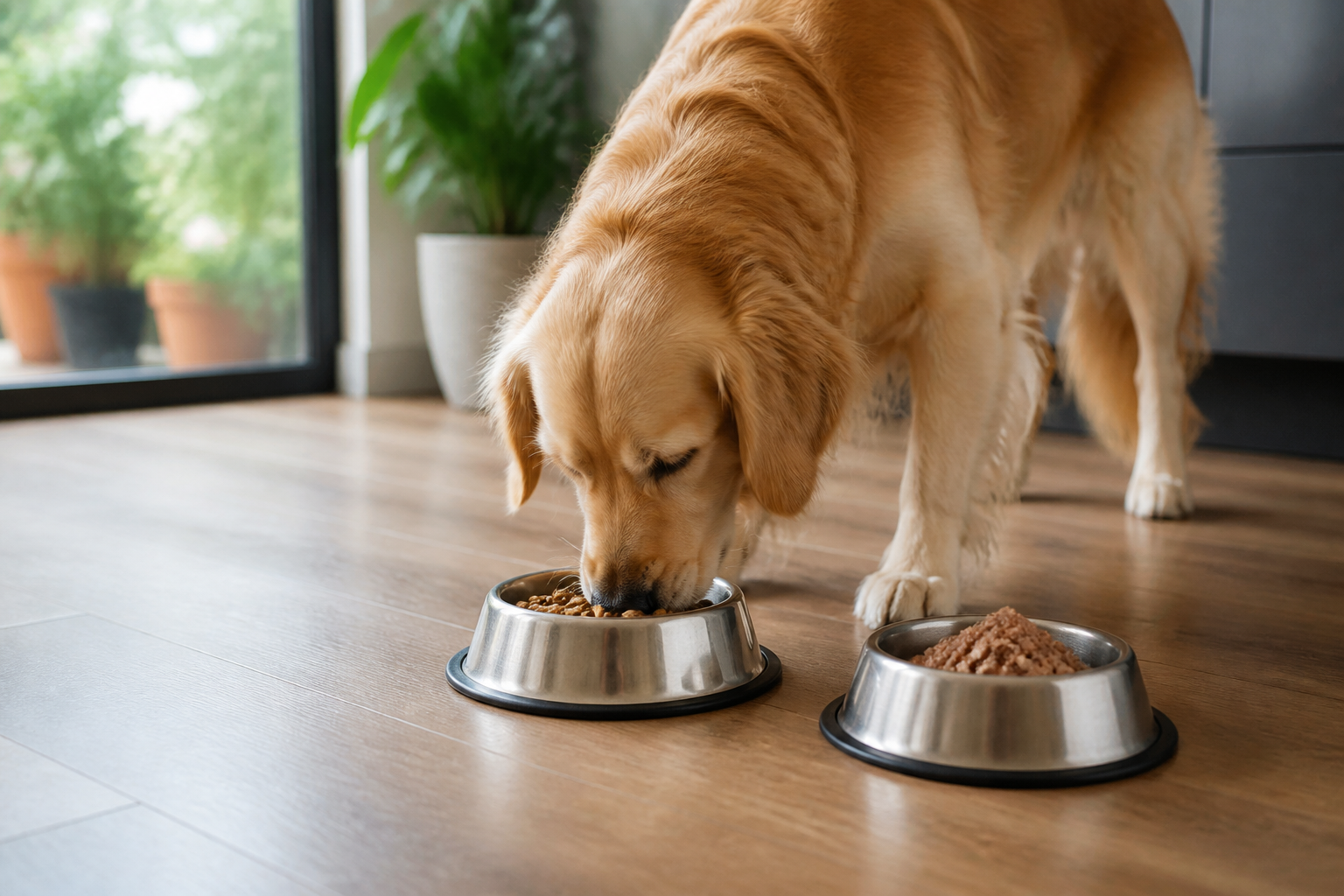
You are standing in the pet food aisle, or perhaps browsing online, looking at rows of colorful bags and stacks of cans. Your dog is waiting at home, and you want to ensure their bowl contains the best possible nutrition for their life stage. The choice between crunchy kibble and savory canned food is one of the most common dilemmas for pet owners. At BaxterBoo, we talk to owners every day who wonder if they should stick to one format or combine them for better health. This article covers the differences in processing, the specific health benefits of each type, and how to decide what works for your dog. While both options can provide complete nutrition, understanding how they affect hydration, dental health, and appetite will help you make a confident choice.
Quick Answer: Dogs do not strictly need both wet and dry food to stay healthy, provided their chosen food is nutritionally complete. However, mixing the two can offer benefits like better hydration from wet food and dental cleaning from dry kibble.
The Physical Differences Between Wet and Dry Food
The primary difference between these two formats lies in the moisture content and the manufacturing process. Dry dog food, or kibble, typically contains about 10 percent moisture. It is made through a process called extrusion. This involves mixing dry and wet ingredients into a dough, which is then cooked under pressure and pushed through small holes to create specific shapes. These pieces are dried and often sprayed with fats or vitamins to ensure they remain shelf-stable and palatable.
Wet food, on the other hand, consists of up to 75 or 80 percent moisture. The process begins with grinding protein sources and mixing them with a gravy or jelly that contains essential minerals and vitamins. This mixture is sealed into cans or pouches and sterilized using heat. This high-heat sterilization ensures the food stays fresh without the need for many synthetic preservatives.
Because of these different methods, the texture and aroma vary significantly. Kibble is hard and crunchy. Canned food is soft, moist, and usually has a much stronger scent. This scent is often what makes wet food so much more enticing to a dog. To compare options, browse our dog food category.
Nutritional Completeness and AAFCO Standards
Regardless of the texture, the most important factor is whether the food is "complete and balanced." In the United States, look for a statement from the Association of American Feed Control Officials (AAFCO) on the packaging. This statement confirms that the food meets the nutritional requirements for a specific life stage, such as growth for puppies or maintenance for adults.
We carry brands like NutriSource, Stella and Chewy's, and Royal Canin that strictly adhere to these standards. If a food is labeled as "complete," your dog can technically thrive on a diet of 100 percent dry food or 100 percent wet food. Neither is inherently more nutritious than the other based solely on its form. The quality of the specific ingredients and the formula's balance are what truly matter.
Key Takeaway: Always check for the AAFCO statement of nutritional adequacy to ensure your dog's food provides all the vitamins and minerals they need for their specific age.
The Unique Benefits of Wet Dog Food
Wet food is often the go-to choice for dogs that have lost their appetite or are particularly picky. The high moisture content and strong aroma mimic the experience of eating fresh meat. This makes it highly palatable for dogs that might turn their noses up at dry kibble.
Hydration and Organ Health
One of the most significant advantages of wet food is hydration. Many dogs do not drink enough water throughout the day. For dogs with a history of urinary tract issues or kidney disease, the extra water in canned food is a massive benefit. It helps flush the system and keeps the kidneys functioning properly.
Satiety and Weight Management
Wet food is less "energy-dense" than dry food. This means that for the same amount of calories, a dog gets to eat a much larger volume of food. If your dog is always hungry or needs to lose weight, wet food can help them feel full while consuming fewer calories. Many owners find success using canned formulas specifically designed for weight management.
Ease of Eating
For puppies that are just weaning or senior dogs with missing teeth, wet food is much easier to manage. It requires almost no chewing and can be swallowed easily. If your senior dog has dental pain, a soft diet can be the difference between them eating their full meal or going hungry.
Vet Tip: If your dog has been diagnosed with a chronic condition like kidney disease or diabetes, consult your veterinarian about prescription wet foods. Our pet pharmacy carries FDA-approved prescription diets through our partnership with Pet's Choice to support these medical needs.
The Advantages of Dry Kibble
Dry food remains the most popular choice for many American households because of its convenience and cost effectiveness. It is much easier to store and stays fresh longer once the bag is opened.
Dental Health Benefits
The mechanical action of chewing crunchy kibble can help reduce the buildup of plaque and tartar. While it is not a replacement for regular teeth brushing, the friction helps scrape the surfaces of the teeth. Some brands, like those focusing on dental care, even design the kibble shape to maximize this effect.
Convenience and Mental Stimulation
Kibble can be left out for several hours for "grazers" without spoiling, which is not possible with wet food. It is also the perfect tool for enrichment. You can hide kibble in puzzle toys, use it in slow feeders, or use individual pieces as training treats. This provides mental stimulation that wet food cannot easily offer.
Cost and Storage
Per calorie, dry food is almost always less expensive than wet food. It is also lighter and easier to transport. For owners of large breeds like Great Danes or Mastiffs, feeding a strictly wet diet can be prohibitively expensive and requires a massive amount of storage space.
Bottom line: Dry food offers logistical convenience and mild dental benefits, making it a practical base for many healthy dogs.
Why You Might Choose to Mix Both
Mixing wet and dry food is often the perfect middle ground for many pet owners. This approach is sometimes called "mixed feeding." It allows your dog to enjoy the crunch of kibble and the flavor of wet food simultaneously. For additional guidance, read our guide to mixing dry dog food with wet food.
The Best of Both Worlds
By adding a few spoonfuls of wet food as a topper to kibble, you provide the hydration and aroma benefits of canned food while maintaining the dental and cost benefits of dry food. This is a great way to entice a picky eater to finish their dry meals.
Guidelines for Mixing
If you decide to mix, you must be careful with calorie counts. You cannot simply add wet food on top of a full serving of dry food, or your dog will gain weight. You must decrease the amount of kibble to account for the calories in the wet food.
- Step 1: Check the calorie count on both the bag and the can.
- Step 2: Determine what percentage of the meal will be wet versus dry.
- Step 3: Measure both portions accurately using a scale or a standard measuring cup.
- Step 4: Mix thoroughly so the dog cannot just pick out the wet pieces.
When Your Dog's Needs Change
A dog's nutritional requirements are not static. They change as the dog moves through different life stages or develops health concerns.
Puppies and Weaning
Puppies have small, sensitive teeth and high caloric needs. Starting with a softened diet or a mix of puppy-specific wet and dry food can help them transition to solid meals. Brands like NutriSource offer specific formulas for small and large breed puppies that work well in a mixed format.
Senior Dog Support
As dogs age, their sense of smell can decline. This often leads to a decreased interest in food. Adding an aromatic wet food can stimulate their appetite. Furthermore, senior dogs often need joint support. While you can find kibble with added glucosamine, many owners choose to add supplements like Cosequin or use specific senior wet formulas to ensure their older pets get the nutrients they need.
Managing Health Conditions
If your dog develops allergies, skin issues, or digestive sensitivities, your veterinarian might recommend a limited-ingredient diet. We carry many specialized brands like Farmina and Zesty Paws that offer targeted support. For more serious conditions, such as those requiring prescription medication or specific therapeutic diets, our pharmacy provides access to FDA-approved options through the Pet's Choice partnership.
Key Takeaway: Regularly re-evaluate your dog's diet with your veterinarian, especially as they enter their senior years or if you notice changes in their weight or energy levels.
Practical Tips for Feeding and Storage
How you handle and store food is just as important as the food you buy. Improper storage can lead to nutrient loss or bacterial growth.
Handling Wet Food
Once a can of wet food is opened, it should be covered and refrigerated immediately. It should be used within three days. If your dog does not finish their wet food in their bowl within 30 to 60 minutes, you should throw the remainder away to prevent spoilage.
Storing Dry Kibble
Keep kibble in its original bag, but place the bag inside an airtight container. This protects the food from oxygen and light, which can turn the fats in the food rancid. Try to use a bag of kibble within six weeks of opening it to ensure the nutrients remain at their peak.
Using Toppers and Treats
If you don't want to commit to a full can of wet food, consider pouches or meal toppers. These are often smaller portions designed specifically to be added to kibble. Our dog food toppers and broths offer options that can add a boost of flavor without the waste of a large can.
Choosing the Right Brand for Your Dog
At BaxterBoo, we curate our selection to include brands that prioritize high-quality ingredients. Whether you choose a grain-free option like Orijen or Acana, or a scientifically formulated diet like Royal Canin, the focus should be on how your dog responds to the food.
Watch for these signs of a good diet:
- A shiny, healthy coat with minimal dander
- Consistent, firm stools
- Good energy levels throughout the day
- Clear eyes and healthy skin
If your dog is experiencing itchy skin, chronic ear infections, or frequent upset stomachs, they may have a food sensitivity. In these cases, your vet might suggest a trial of a hypoallergenic or prescription diet, which you can conveniently manage through our pharmacy services.
Common Myths About Wet and Dry Food
There are several misconceptions that can lead pet owners astray when choosing a diet.
Myth: Wet Food Always Causes Diarrhea
While a sudden switch to wet food can cause a temporary upset stomach, high-quality wet food does not inherently cause diarrhea. The key is a slow transition. If you are introducing wet food, start with a small amount mixed into the kibble and increase it over several days. For a detailed timeline, read how to switch from dry to wet dog food.
Myth: Dry Food is Enough to Clean Teeth
While the crunch helps, kibble is not a magic toothbrush. Many dogs swallow kibble whole or only crack it once. To truly maintain oral health, you should pair dry food with regular brushing and dental treats like Greenies.
Myth: Wet Food is "Junk Food"
Some people believe canned food is just a treat. In reality, a high-quality, AAFCO-approved wet food is a healthy, complete meal. It often contains higher protein levels and fewer carbohydrates than dry food, which can be beneficial for certain dogs.
Making the Decision
Ultimately, the choice between wet and dry food depends on your dog's specific health needs, your budget, and your lifestyle. If you have a healthy dog that drinks plenty of water and enjoys their kibble, there may be no reason to change. However, if you are struggling with a picky eater or a senior dog with health challenges, adding wet food could significantly improve their quality of life.
We offer several programs to make feeding your dog easier and more affordable. Our Autoship programme ensures you never run out of your dog's favorite food, and you can save on your first order. Plus, members of our MVP Rewards programme earn points on every purchase, which can be used for future discounts on food, treats, and gear.
Bottom line: Whether you choose wet, dry, or a mix of both, the most important goal is providing a balanced diet that supports your dog's long-term health and happiness.
FAQ
Is it okay to feed my dog only wet food?
Yes, it is perfectly healthy to feed your dog a diet consisting only of wet food, provided it is labeled as "complete and balanced" for their life stage. Many small breeds and senior dogs thrive on an all-wet diet because it is easier to chew and highly palatable. Just be sure to monitor their dental health closely, as they will not get the scraping action provided by dry kibble.
Can mixing wet and dry food cause my dog to gain weight?
Mixing can lead to weight gain if you do not adjust the total amount of food you are serving. Wet food and dry food have different calorie densities, so you must calculate the correct portions of each. Always measure the meals carefully and consult your veterinarian to determine the exact daily caloric intake your dog needs based on their activity level and age.
How do I transition my dog from dry food to a mix of wet and dry?
You should transition slowly over a period of 7 to 10 days to avoid digestive upset. Start by adding a very small spoonful of wet food to their regular kibble and stirring it in well. Every few days, slightly increase the amount of wet food while decreasing the amount of dry kibble until you reach the desired ratio.
Does dry food spoil faster than wet food?
Unopened wet food has a longer shelf life than dry food, but once opened, the situation reverses. An opened bag of kibble can stay fresh for several weeks if stored in an airtight container in a cool, dry place. An opened can of wet food must be refrigerated and used within three days to prevent bacterial growth and spoilage.






